

Say goodbye to that nagging check engine light and get your vehicle running smoothly again!
If your vehicle's check engine light has illuminated and a scan reveals a P0401 code, it signifies "Exhaust Gas Recirculation (EGR) Flow Insufficient Detected." This means your car's engine control module (ECM) has identified that the EGR system isn't allowing enough exhaust gases to recirculate back into the intake manifold. This common issue, often due to carbon buildup, impacts many vehicles across the US, from popular Toyota models to Ford trucks and Honda sedans, and requires timely attention to prevent potential engine damage and ensure your vehicle passes essential emissions tests. Our comprehensive guide will walk you through diagnosing the P0401 EGR Valve Fix, outlining common causes, symptoms, and a step-by-step cleaning process, alongside detailed repair cost estimates.
Decoding P0401: What Does "Insufficient EGR Flow Detected" Truly Mean?
The P0401 code is a generic OBD-II diagnostic trouble code indicating that the exhaust gas recirculation flow is insufficient. Essentially, your car's computer commands the EGR valve to open, expecting to see a change in exhaust gas flow, which is typically measured by various sensors like the Differential Pressure Feedback EGR (DPFE) sensor in many Ford vehicles, or temperature sensors in others. When the expected flow isn't detected, the P0401 code is triggered, illuminating your check engine light. This system is a critical component of modern emission control, designed to reduce harmful nitrogen oxide (NOx) emissions.
The EGR System's Vital Role in Your Vehicle
The Exhaust Gas Recirculation (EGR) system plays a crucial role in reducing harmful nitrogen oxide (NOx) emissions by reintroducing a small portion of exhaust gases back into the combustion chambers. This process effectively lowers combustion temperatures, thereby decreasing the formation of NOx. A properly functioning EGR system not only helps your vehicle meet stringent environmental standards but also contributes to better fuel economy and smoother engine operation under specific load conditions. When this system malfunctions, it can lead to a cascade of problems, impacting both your vehicle's performance and the environment.
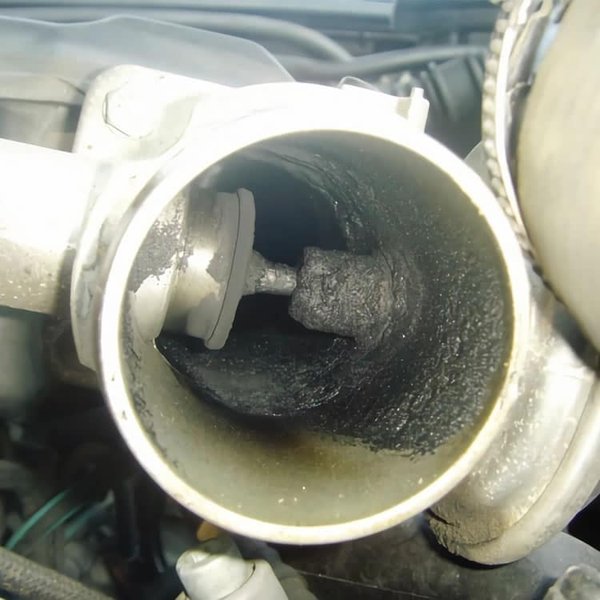
A visual representation of the EGR valve and its interaction with the intake and exhaust manifolds.
Recognizing the Red Flags: P0401 Symptoms and Causes
While an illuminated check engine light is the most direct indicator of a P0401 code, several other symptoms can signal insufficient EGR flow. Recognizing these can help you identify the problem early and prevent more severe engine issues.
Common Symptoms of P0401 Insufficient EGR Flow
- Check Engine Light (CEL) Illumination: This is almost always the first and most noticeable sign that the ECM has detected a problem.
- Reduced Engine Performance: You might experience a noticeable loss of power, especially during acceleration or when the engine is under load.
- Rough Idling: The engine may feel shaky, vibrate more than usual, or stumble when idling at stop lights.
- Engine Knocking or Pinging: Often described as a metallic rattling sound, this can occur during acceleration, especially under load. This indicates pre-ignition, a dangerous condition that can lead to internal engine damage.
- Increased Fuel Consumption: An inefficient EGR system can cause your engine to operate less efficiently, leading to a decrease in fuel economy.
- Failed Emissions Test: An active P0401 code almost guarantees a failed smog check in US states with emissions testing due to elevated NOx emissions.
- Engine Stalling: In severe cases, particularly if the EGR valve is stuck open (though P0401 typically indicates insufficient flow, a valve on the brink of failure can exhibit various behaviors), the engine might stall, especially at idle or low speeds.
The Root of the Problem: Most Likely Causes of P0401
The P0401 code almost always points to an issue restricting the exhaust gas flow within the EGR system. Causes can range from simple carbon buildup to complex component failures. Here are the most common culprits, generally listed in order of likelihood:
-
Carbon Buildup in the EGR Valve or Passages
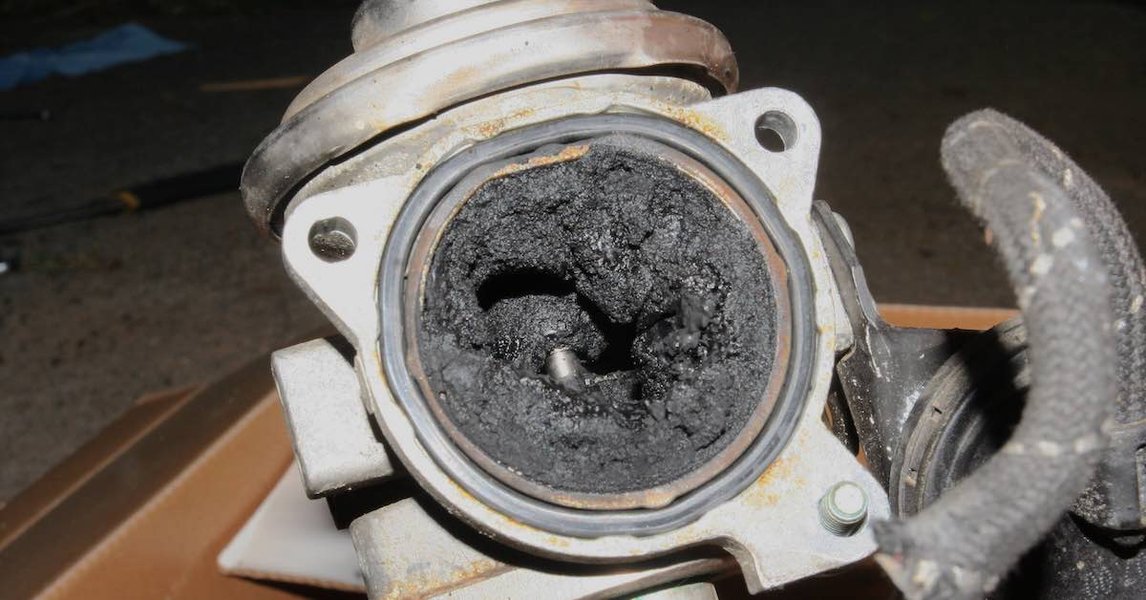
This is by far the most frequent cause. Over time, exhaust gases carry soot and carbon particles that accumulate within the EGR valve and its connecting passages, including the intake manifold. This buildup restricts the flow of gases, leading to an insufficient flow detection. Vehicles with higher mileage or those frequently driven on short trips are more prone to carbon buildup. This is especially prevalent in popular models like the Toyota Prius, Honda Insight, Ford F-150, and Chevrolet Malibu.
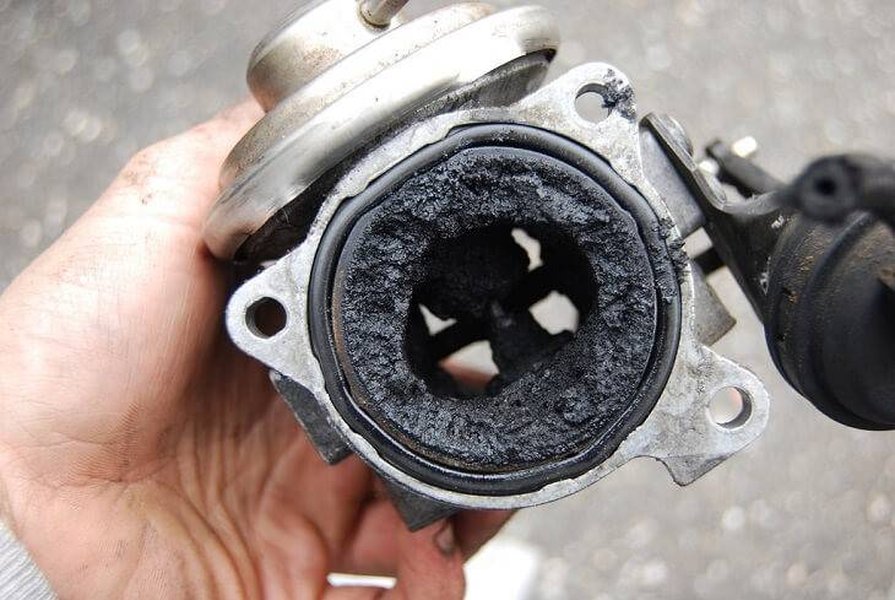
Heavy carbon deposits in an engine component, a common cause of P0401.
-
Faulty EGR Valve
Even without excessive carbon, the EGR valve itself can fail. It might stick closed (the primary cause for P0401), stick open, or fail to operate smoothly. This can be due to internal electrical issues, mechanical wear, or a damaged diaphragm in vacuum-operated valves. A new EGR valve can range from $150 to $400.
-
Faulty Differential Pressure Feedback EGR (DPFE) Sensor (Common in Ford)
Many Ford vehicles, including popular models like the F-150 and Explorer, utilize a DPFE sensor to monitor the pressure difference across an orifice in the EGR tube, which indicates EGR flow. If this sensor fails or its hoses become cracked or clogged, it can send incorrect signals to the ECM, triggering a P0401 code even if the actual EGR flow is adequate.
-
Clogged or Damaged EGR Cooler (Especially in Diesel Engines)
Diesel engines often feature an EGR cooler to reduce the temperature of recirculated exhaust gases. These coolers can become severely clogged with soot, leading to restricted flow and a P0401 code. The repair for a clogged EGR cooler can be significantly more involved and costly than cleaning just the valve.
-
Vacuum Leaks or Faulty EGR Control Solenoid
For vacuum-operated EGR systems, leaks in the vacuum lines or a malfunctioning EGR control solenoid (sometimes called a Vacuum Switching Valve or VSV in Toyotas) can prevent the EGR valve from opening or closing correctly. This is particularly noted in some older Toyota Camry/Corolla models with the 2.2L engine.
-
Wiring or Electrical Problems
Damaged wiring, corroded connectors, or a faulty EGR valve position sensor can disrupt the electrical signals between the EGR system components and the ECM, leading to incorrect flow readings and a P0401.
-
Other Less Common Causes
- Clogged Catalytic Converter: A severely clogged catalytic converter can indirectly affect exhaust backpressure and EGR flow.
- Faulty Manifold Absolute Pressure (MAP) Sensor: A bad MAP sensor can provide incorrect engine load data to the ECM, affecting EGR system operation.
- Faulty Engine Control Module (ECM/PCM): While rare, a malfunctioning ECM can sometimes incorrectly trigger a P0401 code.
Precision Diagnostics: Pinpointing the P0401 Cause
Accurate diagnosis is crucial for an effective P0401 EGR valve fix. Simply replacing the EGR valve without understanding the root cause might not solve the problem, leading to recurring issues and unnecessary expenses.
-
Scan and Verify Codes
Use an OBD-II scanner to confirm P0401 and check for any other related codes. Note any freeze-frame data, which can provide insights into engine conditions (like RPM, load, and speed) when the code was set.
-
Perform a Thorough Visual Inspection
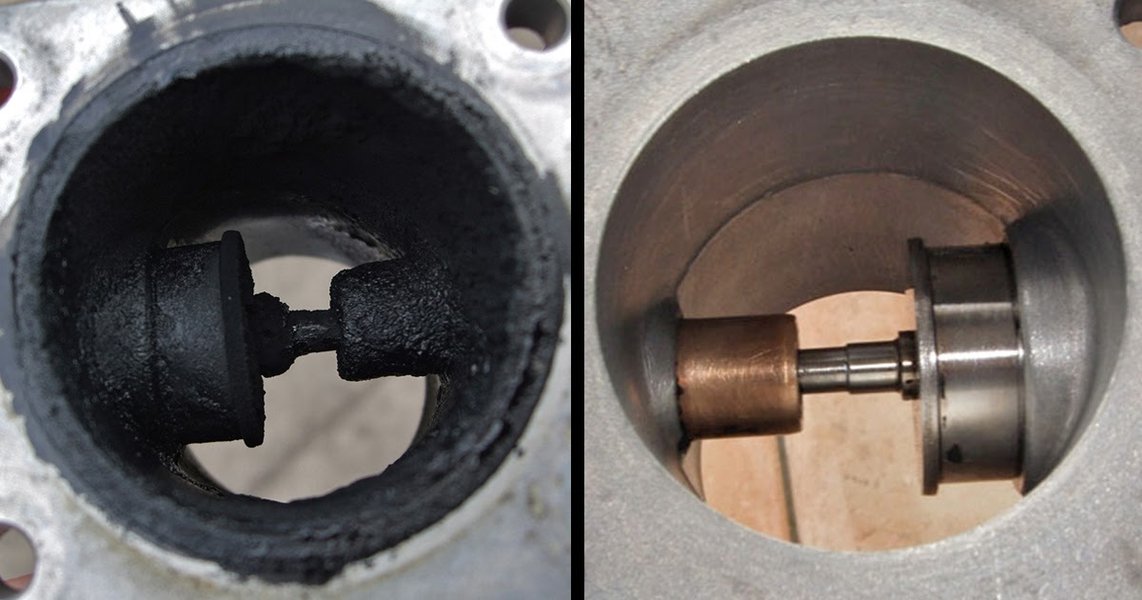
- Check the EGR valve for obvious signs of heavy carbon buildup around its pintle and passages.
- Inspect all vacuum lines connected to the EGR valve and solenoid for cracks, disconnections, or blockages.
- Examine electrical connectors for corrosion or damage.
-
Test EGR Valve Operation
- For vacuum-operated valves, apply vacuum to the valve with a hand pump. The engine should stumble or stall if the valve opens and the passages are clear. If it doesn't, the valve may be stuck or the passages are clogged.
- For electronic EGR valves, use an advanced scan tool to command the valve to open and close while monitoring live data for EGR position or flow.
-
Inspect for Carbon Buildup in Passages
If the EGR valve appears to function, the passages leading to and from the intake manifold are likely clogged. This often requires removing the EGR valve and sometimes the throttle body or intake manifold for thorough inspection and cleaning.
-
Test Related Sensors
If applicable to your vehicle (like the DPFE sensor in Fords), test its function using a multimeter or by monitoring live data on a scan tool. Ensure it's sending plausible readings to the ECM.
DIY P0401 EGR Valve Fix: A Step-by-Step Cleaning Guide
If your diagnosis points to carbon buildup, cleaning the EGR valve and its associated passages is often the most effective and economical solution for a P0401 code. This DIY approach can save significant costs compared to professional service. Always refer to your vehicle's specific service manual for precise instructions, as procedures can vary by make and model.
Essential Tools and Supplies for EGR Cleaning
- Safety gear: Gloves, safety glasses, and a mask
- Socket wrench set and screwdrivers
- EGR valve cleaner or carburetor cleaner (ensure it's safe for your engine type, especially diesel)
- Wire brushes (brass preferred), small pipe cleaners, or an old toothbrush
- Plastic scraper or pick set for stubborn deposits
- Clean rags or shop towels
- New EGR valve gasket (highly recommended for proper sealing)
- Vacuum pump (for testing vacuum-operated EGR valves)
- Compressed air (optional, for drying and clearing debris)
- OBD-II scanner to clear codes
Gathering the necessary tools and cleaning agents for a successful EGR valve cleaning.
The Detailed EGR Cleaning Process
-
Preparation and Safety First
Park your vehicle on a level surface and engage the parking brake. Ensure the engine is completely cool (wait at least 2 hours after driving). Disconnect the negative terminal of your car battery to prevent electrical issues. Locate the EGR valve, typically found near the intake manifold or exhaust manifold. Take photos of all connections and hoses for easier reassembly.
-
Remove the EGR Valve
Carefully disconnect any electrical connectors and vacuum lines attached to the EGR valve. Use appropriate sockets or wrenches to remove the bolts holding the EGR valve in place. Some bolts may be difficult to access or seized; apply penetrating oil if necessary. Gently detach the EGR valve from its mounting. Be cautious not to damage any surrounding components or wiring.
-
Inspect and Clean the EGR Valve
Examine the EGR valve for carbon deposits, especially around the pintle (the moving part inside the valve). Liberally spray the valve and its passages with EGR valve cleaner. Allow it to soak for several minutes to loosen stubborn carbon. For very heavy buildup, you might soak it for hours or even overnight. Use wire brushes, pipe cleaners, or a plastic scraper to scrub away loosened carbon deposits. Be gentle to avoid damaging delicate internal components. Repeat the spraying and scrubbing process until the valve is clean and the pintle moves freely. Rinse with clean solvent and dry completely with compressed air or allow to air dry. Ensure no cleaner residue remains. If it's a vacuum-operated valve, test its movement with a vacuum pump to confirm it opens and closes smoothly.
-
Clean EGR Passages and Intake Manifold Ports
Inspect the EGR passages in the intake manifold for carbon buildup. These are often severely restricted. Spray EGR cleaner into these passages and use appropriate brushes (e.g., long pipe cleaners, flexible brushes) to dislodge carbon. A shop vacuum can help extract loosened debris. Important: Be careful not to let large chunks of carbon fall into the engine's combustion chambers.
The critical step of cleaning the intricate EGR passages within the intake manifold.
-
Reassembly and Verification
Always use a new EGR valve gasket to ensure a proper seal and prevent exhaust leaks. Carefully position the clean EGR valve and reattach its mounting bolts. Torque them to the manufacturer's specifications. Reconnect all electrical connectors and vacuum lines, referring to your photos if needed. Reconnect the negative terminal of the car battery. Start the engine and check for any leaks or unusual noises. Use your OBD-II scanner to clear the P0401 code and any other related fault codes.
-
Test Drive
Take your vehicle for a test drive, including varying speeds and loads, to ensure the code does not return. This allows the ECM to relearn EGR system operation and confirm the repair was successful.
"Most P0401 fixes come from cleaning the valve and the tiny intake manifold ports—not just swapping parts. Thorough cleaning is paramount for a lasting fix."
Important Note for Diesel Owners: Diesel engines typically have heavier soot loads, which often requires cleaning not just the EGR valve but also the EGR cooler and the entire intake tract. Use diesel-safe cleaners and consider professional service if access is difficult or specialized tools are required.
Understanding the Costs: P0401 Repair Cost Estimates
The cost to address a P0401 code can vary significantly depending on the specific cause, your vehicle's make and model, and whether you opt for a DIY repair or professional service at an American repair shop. Here's a breakdown of estimated costs:
Estimated P0401 Repair Costs (US Average)
| Repair Option | Estimated Parts Cost | Estimated Labor Cost | Estimated Total Cost | Notes |
|---|---|---|---|---|
| DIY EGR Valve Cleaning | $20 - $50 (cleaner, gasket) | $0 (your time) | $20 - $50 | Most cost-effective, high success rate for carbon-related issues. |
| Professional EGR Valve Cleaning | $20 - $50 (cleaner, gasket) | $100 - $200 | $120 - $250 | Varies by access and severity of buildup; may include diagnostic fee. |
| EGR Valve Replacement | $150 - $400+ | $150 - $250 | $300 - $650 | Electronic valves typically cost more than vacuum-operated types. |
| DPFE / EGR Sensor Replacement | $40 - $150 | $80 - $150 | $120 - $300 | Common on Ford vehicles (DPFE sensor). |
| EGR Control Solenoid/VSV Replacement | $50 - $150 | $80 - $150 | $130 - $300 | Common for Toyota VSV failures. |
| Diesel EGR Cooler Clean/Replace | $250 - $1500+ | $300 - $2000+ | $550 - $3500+ | Varies widely by vehicle model, access, and whether cleaning or replacement is needed. |
*These prices are estimates and can fluctuate based on your geographical location in the US, the complexity of your vehicle (e.g., V6 vs. 4-cylinder, ease of component access), and specific repair shop labor rates (which typically range from $90-$180 per hour). An initial diagnostic fee, usually $75-$150, is often applied toward the cost of the repair if you proceed with their service.
Vehicles Most Affected by P0401: A US Market Overview
While the P0401 code can appear on virtually any vehicle equipped with an EGR system, certain models and brands popular in the US market tend to report this issue more frequently due to their design or typical usage patterns:
- Toyota (Camry, Corolla, Tacoma, Prius): Often experience P0401 due to carbon buildup in the EGR passages, particularly in high-mileage examples, or issues with the Vacuum Switching Valve (VSV).
- Ford (F-150, Explorer, Escape): Frequently encounter P0401, often linked to failures of the DPFE sensor or clogged sensor hoses, in addition to general carbon buildup.
- Honda (Accord, Civic, Odyssey, Insight): Can face P0401 issues from carbon buildup in the EGR valve and intake manifold passages. Some older V6 models may also require updated EGR passage tubes.
- Chevrolet / GM (Malibu, Silverado): Various models are prone to EGR flow issues, often originating from carbon accumulation or a faulty EGR valve.
- Nissan (Altima, Frontier): Also see P0401 codes related to EGR system clogs or valve failures, especially in models with higher mileage.
- Mazda (3, 6, CX-5): These vehicles can also trigger P0401 codes, typically due to carbon buildup restricting EGR flow.
Can You Drive with a P0401 Code? A Crucial Warning
While your vehicle may still be drivable with a P0401 code, it is strongly advised against ignoring it for extended periods. The insufficient EGR flow, indicated by this code, can lead to several detrimental effects on your engine and compliance with regulations:
- Increased Internal Engine Temperatures: Without proper EGR flow, combustion temperatures inside your engine can rise significantly. This can lead to engine knocking (pre-ignition or detonation), which puts extreme stress on pistons, connecting rods, and the crankshaft, potentially leading to catastrophic engine failure over time.
- Reduced Fuel Economy: The engine will operate less efficiently, consuming more fuel than necessary.
- Higher Emissions: Your vehicle will be releasing more harmful pollutants, specifically NOx, directly contributing to air quality issues and guaranteeing a failed emissions test.
- Accelerated Component Wear: Prolonged operation with high combustion temperatures and increased stress can shorten the lifespan of other vital engine components.
In the US, driving with an active P0401 code will likely cause your vehicle to fail a state-mandated smog check, potentially resulting in fines, registration holds, or preventing you from renewing your vehicle's tags. Aim to have the issue diagnosed and repaired within 100-200 miles to prevent further damage and avoid these regulatory setbacks.
Related OBD-II Codes to Investigate
When diagnosing a P0401 code, it's always a good practice to check for other related codes that might indicate a broader EGR system issue or provide additional clues. Here are some common related codes:
- P0400: Exhaust Gas Recirculation Flow Malfunction: A more general code indicating a problem with EGR flow, often accompanying P0401.
- P0402: Exhaust Gas Recirculation Flow Excessive Detected: This code signifies that too much exhaust gas is recirculating, often due to an EGR valve stuck open. This is the opposite of P0401.
- P0403: Exhaust Gas Recirculation Control Circuit Malfunction: Indicates an electrical problem with the EGR valve control circuit.
- P0404: Exhaust Gas Recirculation Control Circuit Range/Performance: Suggests that the EGR valve isn't operating within its expected range or performance parameters.
- P0405/P0406: EGR Sensor A Circuit Low/High: These codes point to issues with the EGR valve position sensor circuit itself.
Checking for these related codes can help pinpoint the exact nature of your EGR system problem, guiding you toward a more precise and effective repair.
Preventative Measures: Keeping Your EGR System Healthy
Regular maintenance and mindful driving habits can significantly reduce the likelihood of encountering a P0401 code and other EGR system issues caused by carbon buildup. Prevention is always better than cure, especially with critical emission components.
- Regular Oil Changes: Use high-quality engine oil recommended by your manufacturer and adhere to suggested oil change intervals. Clean oil reduces overall engine deposits that can contribute to carbon buildup.
- Use Top-Tier Quality Fuel: Fuels with good detergent properties help keep your fuel system and combustion chambers cleaner, indirectly reducing carbon accumulation in the exhaust.
- Take Occasional Longer Drives: Regularly driving your vehicle on highways at higher engine speeds helps the engine reach and maintain optimal operating temperatures, burning off carbon deposits more effectively. Avoid excessive short trips or prolonged idling, as these conditions promote buildup.
- Consider Fuel Additives: Periodically using fuel system cleaners designed to reduce carbon deposits can be beneficial. Some specialized additives specifically target EGR system cleanliness.
- Periodic EGR System Cleaning: If your vehicle model is known to be prone to carbon buildup, consider a preventive EGR valve and passage cleaning every 50,000 to 75,000 miles, even without a code, to maintain optimal flow.
- Address Oil Consumption Promptly: If your engine is consuming oil, have it diagnosed and repaired. Burning oil contributes significantly to carbon deposits in the exhaust and EGR system.
Conclusion: Ensuring a Smooth and Clean Ride
The P0401 "Insufficient EGR Flow Detected" code is a common, yet often manageable, issue that signals a critical problem within your vehicle's emissions system. While it may not immediately render your vehicle undrivable, ignoring this code can lead to a cascade of negative effects, including reduced engine performance, increased fuel consumption, the potential for significant engine damage from elevated combustion temperatures, and guaranteed failure of US emissions tests. By understanding the P0401 code meaning, its symptoms, and primary causes—chief among them carbon buildup—you are well-equipped to take proactive steps.
For many drivers, a thorough EGR valve cleaning, coupled with careful cleaning of the intake manifold passages, offers a cost-effective and highly successful fix. However, if cleaning doesn't resolve the issue, diagnosing and replacing a faulty EGR valve, DPFE sensor, or related control solenoid will be necessary. Whether you choose a DIY approach or seek professional assistance, addressing the P0401 code promptly is paramount. It ensures your vehicle remains compliant with environmental regulations, optimizes engine health and efficiency, and ultimately provides you with a more reliable and worry-free driving experience. Remember, regular maintenance is your best defense against future EGR system complications, keeping your ride smooth and your emissions clean.
Frequently Asked Questions (FAQ) About P0401 Code
P0401 means "Exhaust Gas Recirculation (EGR) Flow Insufficient Detected." It indicates that your vehicle's computer has detected inadequate flow of exhaust gases through the EGR system, which is crucial for emissions control.
Yes, cleaning your EGR valve and its passages is often a successful DIY fix for P0401, especially when carbon buildup is the cause. You'll need basic tools, EGR cleaner, and a new gasket.
DIY cleaning typically costs $20-$50 for materials. Professional cleaning ranges from $100-$250, while an EGR valve replacement can cost $300-$650, including parts and labor.
Yes, an active P0401 code will almost certainly cause your vehicle to fail a US emissions or smog check. The check engine light must be off, and all readiness monitors set before testing.
Carbon buildup results from soot and unburnt fuel particles in exhaust gases recirculating through the EGR system. Factors like short trips, frequent idling, and inconsistent maintenance accelerate this buildup.
Popular US models like Toyota Camry, Ford F-150, and Honda Accord frequently experience P0401. Chevrolet, Nissan, and Mazda vehicles are also prone, often due to carbon buildup or sensor failures.
While often drivable, it's not recommended. Prolonged driving with P0401 can lead to increased combustion temperatures, engine knocking, reduced fuel economy, and potential internal engine damage over time.
