

Protecting your electric car's most vital component from extreme temperatures for peak performance and extended life.
An EV battery cooling system is the unseen guardian of your electric vehicle's heart. These sophisticated electric car battery thermal management systems actively regulate the temperature of the lithium-ion battery pack, a crucial process for ensuring optimal performance, safety, and longevity. By maintaining the battery within its ideal operating window, these systems prevent accelerated battery degradation and mitigate risks such as thermal runaway, ultimately extending the lifespan of your EV’s most valuable component. This article dives deep into how these essential systems function, contrasting liquid cooling vs air cooling EV battery technologies and offering practical EV battery overheating fix strategies for drivers across the United States.
Why Battery Temperature Management is Critical for EVs
The "Goldilocks Zone" for Lithium-ion Batteries
Electric vehicle batteries, predominantly lithium-ion packs, are marvels of chemical engineering designed to store and deliver significant energy. However, their efficiency and lifespan are highly dependent on operating within a specific battery temperature range, often referred to as the "Goldilocks zone," typically between 20°C and 40°C (68°F to 104°F). Deviating from this optimal range can lead to substantial performance penalties and safety hazards.
The Dangers of Extreme Heat
When battery temperatures exceed the optimal range, chemical reactions within the cells accelerate uncontrollably. This not only speeds up battery degradation, permanently reducing capacity and range, but also significantly increases the risk of thermal runaway. Thermal runaway is a dangerous chain reaction where an overheated cell generates more heat, which in turn causes adjacent cells to overheat, potentially leading to fires or explosions. Recent recalls, such as Volvo's for certain EX30 SUVs in February 2026 due to overheating risks, underscore the critical importance of effective thermal management in preventing such catastrophic failures.
The Challenges of Extreme Cold
Conversely, in cold conditions, especially below 20°C (68°F), the electrochemical processes within the battery slow down. This results in reduced power output, slower charging speeds, and a noticeable decrease in available driving range. For drivers in states like Minnesota or Alaska, this can mean a significant drop in winter performance. While not as immediately hazardous as overheating, prolonged exposure to cold temperatures without proper thermal management can also contribute to long-term battery degradation and reduced efficiency.
How Does an EV Battery Cooling System Work: An In-depth Look
The Core Principles of Thermal Regulation
At its essence, an EV battery cooling system, more formally known as a Battery Thermal Management System (BTMS), is a sophisticated network designed to maintain the battery’s ideal operating temperature. The battery thermal management system explained relies on continuous monitoring by sensors, intelligent control by the Battery Management System (BMS), and active components that either remove excess heat or introduce warmth as needed. This dynamic regulation is crucial for how EV batteries stay cool and warm effectively.
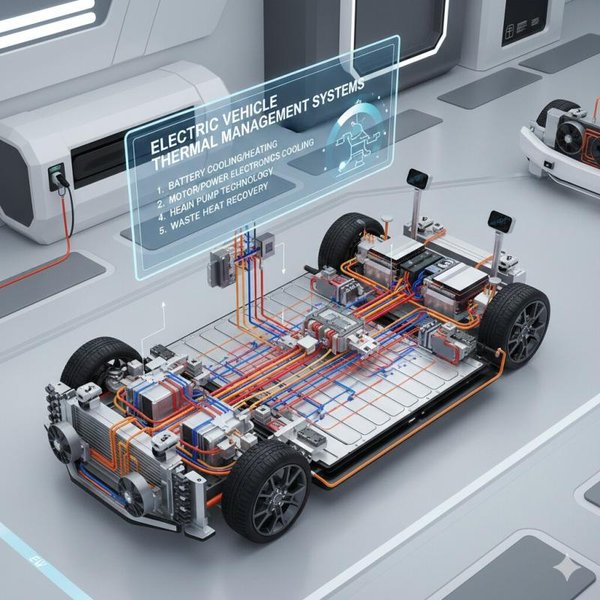
Illustration of a comprehensive EV thermal management system, showcasing interconnected cooling loops.
Key Components of a BTMS
- Temperature Sensors: Strategically placed throughout the battery pack, these sensors continuously monitor the temperature of individual cells, modules, and the overall pack.
- Control Unit (BMS): This intelligent system processes sensor data, determines the required thermal action (heating or cooling), and activates relevant components.
- Cooling Medium: This can be a specialized liquid coolant (often a water-glycol mixture or a dielectric fluid) or ambient/conditioned air.
- Heat Exchangers: Components like radiators, chillers, and cold plates facilitate the transfer of heat from the battery to the cooling medium and then to the ambient environment.
- Actuators: Electric pumps circulate liquid coolants, fans move air, and valves direct coolant flow. Compressors and expansion valves are involved in refrigerant-based systems.
Liquid Cooling vs. Air Cooling EV Battery: A Detailed Comparison
When examining liquid cooling vs air cooling EV battery systems, it becomes clear that modern, high-performance electric vehicles overwhelmingly favor liquid-based solutions due to their superior efficiency and ability to handle demanding thermal loads. However, air cooling still has its place in simpler applications.
Active Liquid Cooling: The Modern Standard
Most current-generation EVs employ active liquid cooling. This method involves circulating a specialized coolant through channels or cold plates that are in direct or indirect contact with the battery cells. As the coolant flows, it absorbs heat from the battery via conduction. The warmed coolant is then pumped to a heat exchanger, often a radiator, where it dissipates its thermal energy to the surrounding air before being recirculated back to the battery pack. This continuous cycle ensures consistent temperature regulation across the entire battery.
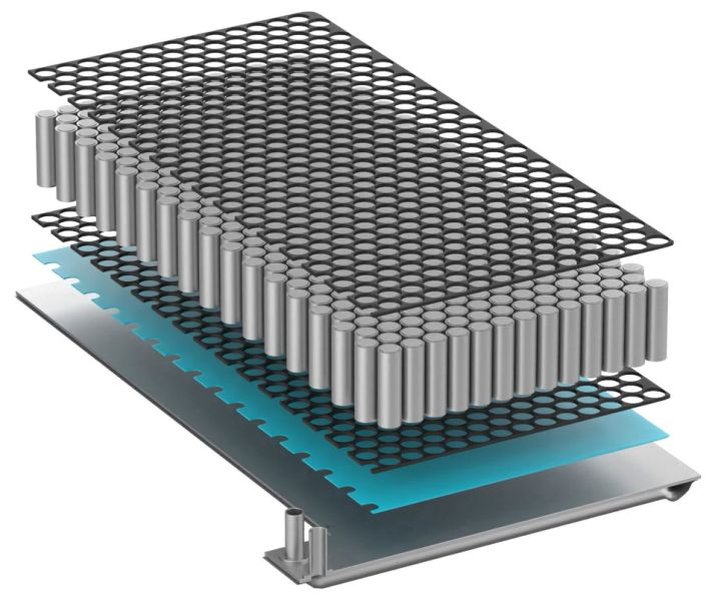
Conceptual diagram illustrating a liquid cooling system integrated with an EV battery pack.
Real-World Examples of Liquid Cooling Excellence
- Tesla: Known for its sophisticated thermal management, Tesla vehicles, such as the Model 3 and Model Y, utilize extensive aluminum cooling ribbons that snake between individual cylindrical battery cells. This maximizes surface contact for highly efficient heat transfer, enabling aggressive Supercharging capabilities without excessive heating. Their systems often integrate with the vehicle's HVAC and powertrain cooling for a unified thermal strategy, routing waste heat from motors to warm the battery in cold weather.
- Hyundai/Kia (E-GMP Platform): Models like the Hyundai Ioniq 5 and Kia EV6 leverage an 800-volt architecture, which inherently reduces heat generation due to lower current flow. Their liquid cooling systems, combined with advanced heat pump technology, provide exceptional thermal control. These vehicles demonstrate remarkable real-world battery degradation rates, with many reporting less than 10% degradation after 100,000 miles, thanks in large part to their sophisticated cooling.
- Ford Mustang Mach-E and Rivian R1T/R1S: These US-popular brands also implement robust liquid cooling systems with integrated thermal loops and heat pumps, ensuring optimal performance and longevity, even when facing high loads like towing or off-road driving, or dealing with extreme temperatures in states like Arizona or Minnesota.
Air Cooling: Simpler, But With Limitations
Air cooling represents a more straightforward and less complex approach to thermal management. Primarily found in earlier EV models or more budget-conscious vehicles, these systems rely on airflow to dissipate heat. This can occur through natural convection, where ambient air passively moves around the battery, or through forced air, which uses fans to actively circulate air across the battery's surface, often channeled through specific ventilation paths in the battery enclosure.
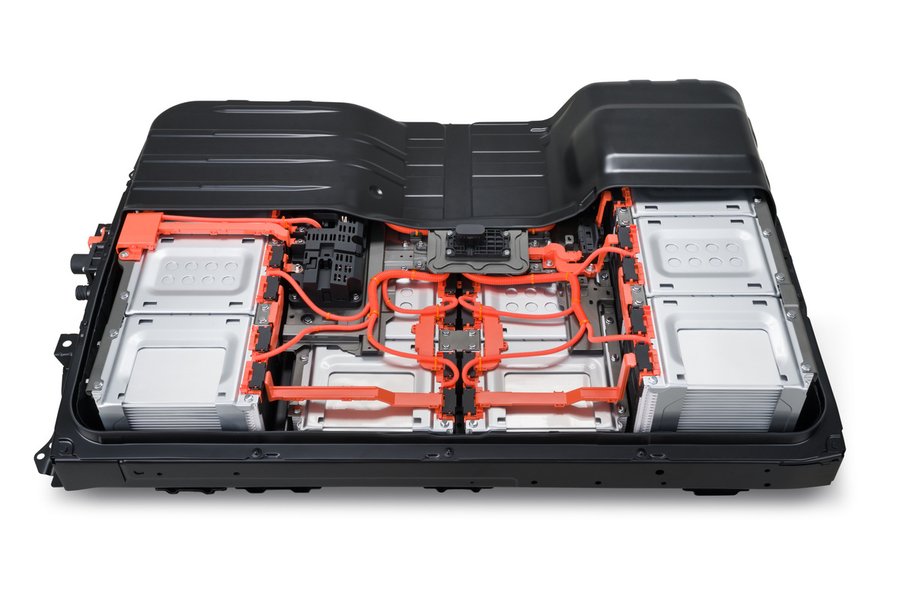
Inside a Nissan Leaf battery pack, showing the air channels used for cooling.
The Nissan Leaf Experience
The Nissan Leaf, particularly its earlier generations, is the most prominent example of an air-cooled EV. While this design offers simplicity and lower manufacturing costs, it presents significant limitations, especially in extreme environments. In hot climates like Florida or Arizona, ambient air may already be near or above the ideal battery temperature range, severely limiting its cooling effectiveness. Similarly, during rapid charging sessions or sustained high-power demand, air systems often struggle to dissipate heat quickly enough, leading to increased battery degradation and reduced performance. Later Leaf models introduced some improvements, but the fundamental limitations of air cooling persist.
Comparison: Liquid vs. Air Cooling for Modern EVs
This table highlights the key differences between the two primary EV battery cooling system approaches, emphasizing why most manufacturers have shifted towards liquid cooling for contemporary electric vehicles, especially those sold in diverse US climates.
| Feature | Liquid Cooling | Air Cooling |
|---|---|---|
| Cooling Efficiency | Excellent – capable of handling high heat loads and maintaining precise temperature control. | Moderate – efficiency is highly dependent on ambient air temperature and airflow. |
| Temperature Uniformity | High – ensures consistent temperatures across the entire battery pack, vital for longevity. | Lower – prone to hot spots and uneven cooling, which can accelerate local degradation. |
| Fast Charging Support | Excellent – critical for enabling and sustaining high-power DC fast charging without throttling. | Poor – often leads to charging speed reductions to protect the battery from overheating. |
| Extreme Weather Performance | Highly effective in both extreme hot (e.g., Arizona summers) and cold (e.g., Minnesota winters) conditions. | Limited – struggles in high ambient heat and requires more energy for heating in cold. |
| System Complexity | Higher – involves pumps, plumbing, heat exchangers, and often integrated heat pumps. | Lower – typically uses fans, ducts, and vents, resulting in fewer components. |
| Maintenance Requirements | Requires coolant checks and periodic changes (e.g., every 100,000-150,000 miles). | Minimal – mainly involves ensuring fans and vents are clear of obstructions. |
| Cost | Higher initial manufacturing cost due to more complex components and materials. | Lower initial cost, making it suitable for more budget-friendly EV models. |
| Weight | Heavier due to the volume of liquid coolant and additional mechanical components. | Lighter, as it avoids the need for liquid coolants and associated hardware. |
| Best For | Performance EVs, long-range vehicles, frequent fast charging, and diverse climates. | Entry-level EVs, urban driving, and regions with moderate, stable climates. |
The Indispensable Role of Heat Pumps in Modern EVs
Efficiency Beyond Traditional Heating and Cooling
Many contemporary electric vehicles have integrated heat pump technology into their thermal management systems. Unlike traditional resistive heaters, which generate heat directly using electricity, a heat pump works by moving existing heat from one location to another. This is akin to an air conditioner operating in reverse. This fundamental difference makes heat pumps significantly more energy-efficient, particularly in moderate cold weather (typically down to around -10°C or 14°F).
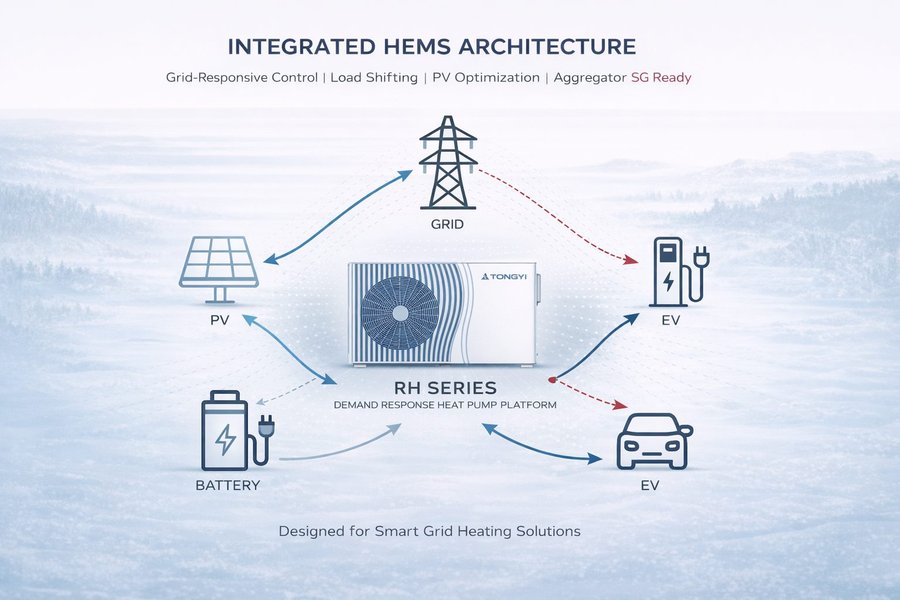
Diagram illustrating the principles of a heat pump in an EV, optimizing thermal energy transfer.
Benefits for Battery and Cabin
- Improved Cold-Weather Range: In colder US states like Minnesota or Alaska, heat pumps can efficiently draw residual heat from the motor, inverter, or even ambient air to warm the battery to its optimal operating temperature. This proactive heating prevents the battery chemistry from slowing down and significantly preserves driving range, as the system consumes less energy than a resistive heater would.
- Enhanced Cooling Efficiency: In hot climates such as Arizona or Florida, the heat pump can work in conjunction with the chiller to more efficiently remove heat from the coolant loop, further contributing to keeping the battery within its safe operating range during intense driving or charging.
- Integrated Thermal Loops: Advanced systems, exemplified by brands like Tesla and some Hyundai/Kia models, feature integrated thermal loops where the heat pump manages heat transfer not only for the battery but also for the cabin and other power electronics. This holistic approach optimizes overall energy usage and improves efficiency across varying climates and driving conditions.
What Happens When the EV Battery Cooling System Fails?
Consequences of Inadequate Thermal Management
A malfunction or failure in the EV battery cooling system can have severe repercussions for the vehicle's performance, safety, and battery longevity. The consequences range from diminished performance to critical safety hazards.
Overheating Risks and Thermal Runaway
If the cooling system becomes inadequate or fails, especially in hot conditions, during aggressive driving, or during prolonged fast charging, the battery temperature can quickly climb above safe levels. This can trigger several issues:
- Reduced Performance: The vehicle's Battery Management System (BMS) will detect elevated temperatures and often limit power output to prevent further heat generation, resulting in a noticeable reduction in acceleration and overall performance.
- Charging Speed Reduction: Fast charging capabilities will be severely curtailed, as the system prioritizes battery protection over charging speed. This can lead to significantly longer charge times.
- Accelerated Degradation: Sustained high temperatures dramatically increase the rate of battery degradation, permanently reducing the battery's capacity and overall lifespan.
- Thermal Runaway: In the most severe cases, unchecked overheating can lead to thermal runaway—a self-sustaining chemical reaction that generates extreme heat and can result in fire. The recent Volvo EX30 recall due to battery overheating risks that could potentially cause fires serves as a stark reminder of these dangers.
Underheating Consequences
In cold climates, a failure in the heating component of the BTMS means the battery cannot reach its optimal operating temperature. This leads to:
- Reduced Range and Power: Cold batteries have higher internal resistance, leading to less available power and a significant drop in driving range.
- Limited Regenerative Braking: The system may limit or disable regenerative braking to avoid pushing current into a cold battery, further impacting efficiency and driving dynamics.
- Slower Charging: Charging in cold conditions will be significantly slower as the battery management system restricts current until the battery warms up.
Extreme Weather Impact on EV Battery Systems
Navigating US Climates with Robust Thermal Management
The vast and varied climates across the United States, from the scorching deserts of Arizona to the icy plains of Minnesota, present unique challenges for EV battery cooling systems. Modern EVs are engineered to cope with these extremes, but their effectiveness largely depends on the sophistication of their thermal management.
Challenges in High-Heat Climates (e.g., Arizona, Florida, Texas)
In states renowned for their intense heat, such as Arizona, Florida, and Texas, EV batteries face elevated stress:
- High Ambient Temperatures: Summer temperatures can frequently exceed the ideal battery temperature range, forcing cooling systems to work continuously and consume more energy.
- Solar Loading: Parking an EV under direct sunlight significantly increases the battery pack's temperature due to solar radiation, adding to the thermal burden.
- Cooling System Load: The coolant loop and associated components must operate at peak capacity more often, which can slightly reduce overall vehicle range.
EVs with robust liquid cooling, especially those featuring integrated chillers or heat pumps, perform significantly better in these conditions compared to air-cooled counterparts. Owners can help by parking in shade, preconditioning the battery while plugged in, and avoiding repeated maximum charge levels during the hottest parts of the day.
Considerations in Extreme Cold Climates (e.g., Minnesota, Alaska, North Dakota)
Conversely, in frigid regions like Minnesota, Alaska, and North Dakota, different challenges emerge:
- Slowed Battery Chemistry: Cold temperatures increase the internal resistance of lithium-ion cells, leading to reduced power output and diminished available capacity.
- Increased Coolant Viscosity: In liquid-cooled systems, very cold temperatures can increase the viscosity of the coolant, requiring pumps to work harder.
- Significant Heating Demand: The system must actively warm the battery to bring it into the optimal battery temperature range before efficient driving or charging can occur. This heating process consumes energy, impacting winter range.
Modern EVs address cold weather with strategies like dedicated battery heaters (resistive or heat pump-based), conservative power limits until the battery warms up, and intelligent preconditioning routines that use grid power to heat the battery before driving. For instance, the Chevrolet Bolt, popular in various US climates, uses liquid cooling that manages well in varied conditions, despite its unrelated previous recall issues.
Maintenance Tips for Your EV Battery Cooling System
Ensuring Longevity and Performance for Your EV Battery
Proper maintenance of your EV battery cooling system is paramount for maximizing battery lifespan and sustaining consistent performance. While EVs are known for lower maintenance compared to internal combustion engine vehicles, the thermal management system requires specific attention.
DIY Maintenance Checks
- Visual Inspections: Regularly check for any signs of coolant leaks under your vehicle or around the battery pack. Even in sealed liquid systems, components can age and develop leaks.
- Coolant Level Checks: Consult your owner's manual for the location of the coolant reservoir and the correct procedure for checking its level. Ensure it's within the recommended range.
- Radiator/Vent Cleanliness: For both liquid and air-cooled systems, ensure that radiators, cooling fins, and air vents are clear of debris (leaves, dirt, insects) that could obstruct airflow and reduce efficiency.
- Monitor System Alerts: Pay immediate attention to any temperature warnings or malfunction indicators on your dashboard or infotainment system.
- Utilize OBD2 Tools/Apps: For deeper insights, consider using an OBD2 Bluetooth dongle paired with an EV-specific app (e.g., ScanMyTesla for Tesla, LeafSpy for Nissan Leaf, or Car Scanner ELM OBD2 for various EVs). These tools can provide real-time data on battery temperature, cell voltages, and other critical parameters, helping you understand how EV batteries stay cool and how your driving habits impact thermal performance.
Professional Maintenance - When to Seek Expert Help
Certain aspects of electric car battery thermal management require specialized tools and expertise:
- Coolant Changes: Unlike traditional engine coolant, EV battery coolant often has a longer service interval, typically every 100,000 to 150,000 miles or every 5-10 years. Always refer to your vehicle's owner's manual for precise intervals and ensure that only the manufacturer-specified coolant is used to prevent corrosion or damage.
- System Pressure Tests: Professionals can perform pressure tests to detect small leaks in the coolant loop before they become significant problems.
- Pump and Valve Inspection/Repair: Components like electric coolant pumps and flow control valves are critical. If they malfunction, professional diagnosis and repair are essential.
- Refrigerant Handling: For systems incorporating refrigerant (chillers or heat pumps), any service involving the refrigerant circuit must be handled by certified technicians due to environmental regulations and safety concerns.
Addressing any issues with your EV battery cooling system promptly is crucial to prevent further damage, maintain optimal performance, and ensure safe operation.
The Future of EV Battery Cooling: Innovations on the Horizon
As electric vehicle technology rapidly advances, so too does the sophistication of battery thermal management. Researchers and manufacturers are continuously exploring new ways to enhance cooling efficiency, reduce charging times, and improve battery safety.
Emerging Technologies in Thermal Management
- Immersion Cooling: This advanced technique involves submerging battery cells directly into a non-conductive dielectric coolant. This provides extremely efficient, uniform heat transfer, promising significantly faster charging capabilities and higher power density for future battery designs. Companies like MAHLE are actively developing these systems.
- Refrigerant Direct Cooling: Instead of using an intermediate coolant loop, this method uses the vehicle's air conditioning refrigerant directly to cool the battery. This can simplify the system and potentially improve efficiency.
- Phase Change Materials (PCMs): Incorporating materials that absorb large amounts of heat as they change from solid to liquid can help manage temperature fluctuations within the battery pack, providing passive cooling during peak thermal events.
- AI-Optimized Thermal Management: Leveraging artificial intelligence and machine learning to predict thermal behavior, optimize cooling strategies in real-time, and even anticipate preconditioning needs based on driving patterns and charging schedules.
Which EVs Have the Best Thermal Management in 2026?
Leading the Charge in Battery Health and Performance
For US drivers who frequently embark on road trips, utilize DC fast charging, or live in areas with significant temperature extremes, vehicles equipped with advanced liquid cooling and integrated heat pumps offer the most robust and reliable thermal management. These systems represent the best EV battery cooling system 2026 has to offer for consistent performance and long-term battery health.
- Tesla Model 3 and Model Y: With their well-established and continuously refined liquid cooling systems and integrated thermal management strategies, Tesla vehicles consistently demonstrate low battery degradation rates and excellent fast-charging repeatability.
- Hyundai Ioniq 5/6 and Kia EV6: Built on the 800-volt E-GMP platform, these vehicles combine efficient liquid cooling with sophisticated preconditioning capabilities. They excel at preparing the battery for optimal fast charging, even in diverse US climates.
- Ford Mustang Mach-E: Ford's electric SUV features a comprehensive liquid cooling system and an integrated heat pump, providing strong thermal management for varying driving conditions and improving efficiency.
- Rivian R1T and R1S: Designed for demanding use cases including off-roading and towing, Rivian vehicles incorporate robust liquid cooling systems capable of handling significant heat loads while maintaining battery health.
- Chevrolet Bolt: While a more budget-friendly option, the Bolt utilizes an effective liquid cooling system that has proven capable of maintaining battery health in various climates, offering solid thermal management for its segment.
These brands stand out for their commitment to comprehensive thermal management, which translates directly into better longevity, consistent performance, and a more reliable ownership experience for US EV drivers.
- Set a daily charge limit (e.g., 70-85%) and use scheduled charging so your battery pre-conditions and is at an optimal temperature before departure.
- Utilize your EV's in-car route planner to automatically pre-condition the battery before arriving at a DC fast charging station.
- In extreme heat (e.g., Arizona summers), park in the shade, charge during cooler times of the day, and avoid leaving your vehicle at 100% state of charge for extended periods.
- In deep cold (e.g., Minnesota winters), keep your EV plugged in whenever possible. This allows the thermal management system to draw power from the grid to warm the battery, preserving your driving range.
