

Transform your vehicle into a pristine masterpiece right from your driveway with expert techniques and product insights.
- Master the Two-Bucket Method: Essential for preventing swirl marks and protecting your paint during washing.
- Decontaminate Like a Pro: Learn to effectively remove stubborn contaminants with iron removers and clay bars for a silky-smooth finish.
- Choose the Right Protection: Discover the benefits of waxes, sealants, and ceramic coatings to achieve lasting gloss and defense against the elements.
Are you ready to transform your vehicle from drab to fab, achieving that coveted showroom shine right in your driveway? Car detailing tips are not just for the pros anymore. With the right knowledge, products, and a bit of elbow grease, you can master professional car detailing at home, significantly enhancing your car's appearance and preserving its value. This comprehensive car detailing guide will equip you with insider tricks, step-by-step processes, and expert recommendations to make your DIY detailing journey a success.
Whether you're a seasoned enthusiast or just beginning to explore how to detail a car, this article provides invaluable insights to elevate your results. We'll cover everything from essential supplies and foundational cleaning practices to advanced detailing techniques and long-lasting car shine and protection strategies, including ceramic coating application.
Why Embrace DIY Car Detailing? More Than Just Aesthetics
Regular detailing goes beyond a simple car wash; it's a meticulous process of cleaning, restoring, and finishing every part of your vehicle to an extremely high standard. This attention to detail not only makes your car look incredible but also protects its surfaces from damage caused by UV rays, dirt, environmental contaminants, and road salt, extending its lifespan and maintaining its resale value.
Choosing DIY car detailing offers several compelling benefits. Firstly, it provides significant cost savings compared to professional services, which can range from $150 to $2500 depending on the level of service. By detailing at home, your initial investment in quality products and tools can pay for itself quickly, with products often lasting for multiple sessions. Secondly, there's immense satisfaction in personally transforming your vehicle, fostering a deeper connection with it. Lastly, understanding the nuances of your car's surfaces and applying the right care techniques can directly contribute to maintaining its resale value, a crucial aspect of vehicle ownership.
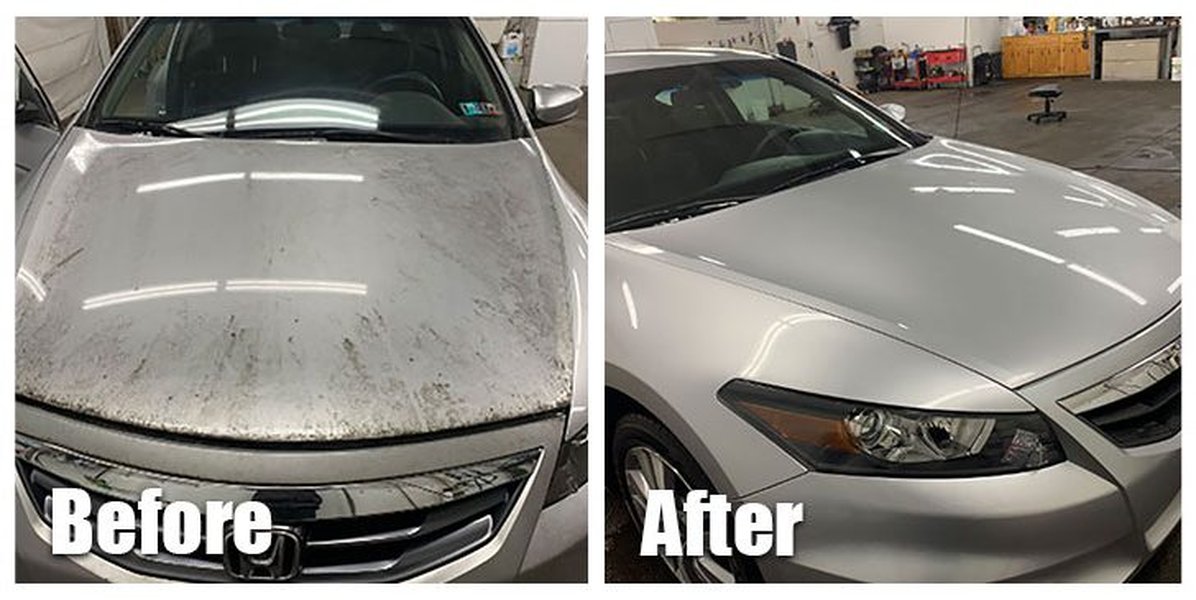
Witness the dramatic transformation detailing can achieve, enhancing both aesthetics and protection.
Assembling Your Detailing Arsenal: Essential Products and Tools
To achieve professional-grade results, having the right arsenal of car detailing products and tools is crucial. Based on my experience detailing vehicles across diverse climates, from the rainy UK roads to the sunny highways of California, here's a rundown of what you'll need. This list balances effectiveness with accessibility, ensuring you can find quality items whether you're shopping at a local auto store or a specialized detailing supplier.
Exterior Detailing Essentials: The Foundation of a Flawless Finish
- High-Quality Car Shampoo: Always opt for a pH-balanced formula that is gentle on paint but effective at lifting dirt without stripping protective coatings. Brands like Meguiar's Gold Class or Chemical Guys Mr. Pink are excellent starting points.
- Two Buckets with Grit Guards: An absolute must for the two-bucket method. Grit guards feature a slotted design that traps abrasive particles at the bottom of your bucket, preventing them from being redeposited on your wash mitt and scratching your paint.
- Microfiber Wash Mitts and Drying Towels: Invest in several high-quality microfiber wash mitts and dedicated drying towels. They are soft, highly absorbent, and significantly reduce the risk of introducing scratches compared to traditional sponges or cotton towels.
- Wheel Cleaner & Brushes: Wheels accumulate brake dust and road grime that require specialized cleaners. Choose a wheel cleaner safe for your wheel type (e.g., acid-free for delicate finishes). Various brushes are needed: a soft brush for rims and a stiffer one for tires and wheel wells.
- Iron Remover Spray: This product reacts with embedded iron particles (often from brake dust or industrial fallout), turning them purple as they dissolve. It's crucial for thorough paint decontamination.
- Clay Bar or Synthetic Clay Towel with Lubricant: For removing bonded surface contaminants that washing alone cannot. A clay bar glides over the paint (with lubricant) to pull out tree sap, overspray, and industrial fallout, leaving a silky-smooth surface.
- Polish and/or Compound: If you aim for paint correction (removing swirl marks or light scratches), you'll need these. A polish refines the paint and enhances gloss, while a compound offers more aggressive defect removal.
- Sealant, Wax, or Ceramic Coating: These provide crucial car shine and protection. Waxes offer a warm glow, sealants provide longer-lasting synthetic protection, and ceramic coatings offer the most durable, long-term defense with exceptional hydrophobicity.
- Tire Dressing: Water-based dressings give a matte finish with UV protection, while solvent-based options provide a glossier look.
- Glass Cleaner: An ammonia-free formula is essential, especially for tinted windows, to avoid streaks and damage.
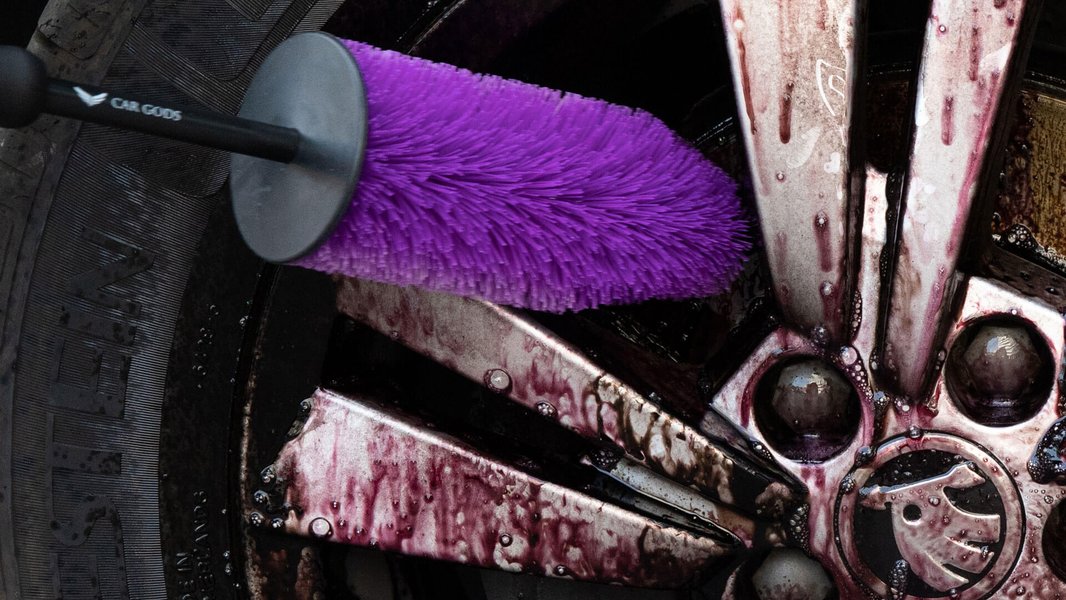
A curated selection of essential tools can elevate your detailing process.
Interior Detailing Essentials: Creating a Sanctuary
- Vacuum Cleaner with Attachments: A powerful vacuum with various nozzles is indispensable for reaching every nook and cranny, from under seats to intricate dashboard vents.
- All-Purpose Interior Cleaner: A versatile, safe-for-all-surfaces cleaner is vital for dashboards, door panels, and consoles. Chemical Guys Total Interior Cleaner & Protectant is a popular choice.
- Microfiber Towels: Keep a dedicated set for interior cleaning to avoid cross-contamination.
- Detailing Brushes: Soft-bristled brushes are perfect for delicate areas like air vents and trim, while stiffer brushes are useful for agitating carpet or upholstery stains.
- Leather Cleaner & Conditioner: For vehicles with leather interiors, use specific products to clean, nourish, and protect the material, preventing cracking and fading.
- Upholstery Cleaner/Extractor: For heavily soiled fabric seats and carpets, an extractor can provide deep cleaning by injecting cleaning solution and then vacuuming it back out.
- UV Protectant: To prevent fading and cracking on interior surfaces like dashboards and door panels, a high-quality UV protectant like 303 Aerospace Protectant is recommended.
The Systematic Approach: Step-by-Step Car Detailing Guide
Mastering how to detail a car involves a systematic approach, ensuring no area is overlooked and contamination is minimized. My professional experience has taught me that following a logical sequence is key to achieving maximum efficiency and professional results. Always work in the shade and ensure your car's surfaces are cool to the touch to prevent premature drying and water spots.
Phase 1: Exterior Detailing (Estimated Time: 3-6 hours)
This phase is critical for achieving that coveted car shine and protection. Dedicate ample time and attention to each step.
- Wheel and Tire Cleaning (Estimated Time: 30-60 minutes):
Always start with the wheels as they are typically the dirtiest part of the car. Spray a dedicated wheel cleaner, allowing it to dwell as per product instructions. Use various brushes—a soft one for the wheel face and barrels, and a stiff one for the tire sidewall—to agitate brake dust and grime. Rinse thoroughly. Pro Tip: Use a separate wash mitt and bucket for wheels to avoid transferring contaminants to your paintwork.
- Pre-Wash and Initial Rinse (Estimated Time: 15-30 minutes):
Rinse the entire car with a pressure washer or hose, starting from the top and working downwards, to remove loose dirt and debris. Follow with a pre-wash snow foam (applied via a foam cannon if available) to loosen stubborn grime. Let it dwell for 3-5 minutes, then rinse again from top to bottom. This step significantly reduces the risk of scratches during the contact wash.
- Two-Bucket Method Hand Wash (Estimated Time: 45-90 minutes):
Fill one bucket with pH-balanced car shampoo and water, and the second bucket with plain rinse water (both with grit guards). Wash the car section by section, starting from the top and working downwards. Dip your wash mitt into the soapy water, wash a small section, then rinse the mitt thoroughly in the plain water bucket before returning to the soapy water. This prevents grit from scratching the paint. Use straight-line motions, not circular, to minimize swirl marks.
- Paint Decontamination (Iron Remover & Clay Bar) (Estimated Time: 60-120 minutes):
After washing, spray an iron remover onto paint surfaces and wheels. Watch as it turns purple or red, indicating it's reacting with embedded iron particles. Rinse thoroughly. Next, apply a clay bar treatment. Spray a generous amount of clay lubricant onto a small section of the paint. Knead the clay bar into a flat disc and gently glide it over the lubricated area. The clay will pick up embedded contaminants, leaving the surface silky smooth. Regularly inspect and re-knead the clay to expose a fresh surface. Re-wash the car lightly to remove any lubricant residue. Technical Note: The "bag test" helps determine if claying is needed; place your hand in a plastic sandwich bag and gently feel the paint surface. If it feels rough, it needs claying.
- Drying (Estimated Time: 15-30 minutes):
Use a high-quality, large microfiber drying towel to gently blot the surface, working from top to bottom. Speed is key to prevent water spots. Alternatively, a car dryer/blower offers a touchless drying method. A quick detailer spray can be used during drying to aid in lubrication and enhance gloss.
- Paint Correction (Polishing & Compounding) (Optional, Estimated Time: 2-8 hours, or more for extensive correction):
This step corrects imperfections like swirl marks, oxidation, and light scratches, crucial for maximum car shine and protection. For beginners, a dual-action polisher is safer than rotary models. Start with the least aggressive combination of pad and polish, testing in a small, inconspicuous area first. Work in small sections, applying polish evenly and buffing until the desired finish is achieved. If deeper defects are present, a compound may be needed before polishing. Pro Tip: If using a machine polisher for the first time, practice on a separate, less visible panel or a junk car part.
- Protection Application (Wax, Sealant, or Ceramic Coating) (Estimated Time: 1-3 hours):
This is where you lock in your hard work and provide long-lasting car shine and protection. Apply your chosen protection—whether traditional wax, synthetic sealant, or a ceramic coating application. Follow product instructions carefully regarding application method, cure times, and environmental conditions. Modern spray-on, wipe-off ceramic coatings are user-friendly for DIYers, offering several months of robust protection. Pro Tip: Apply products in small sections and work systematically to ensure even coverage and avoid missing spots.
- Trim & Tire Dressing (Estimated Time: 15-30 minutes):
Apply a UV-protectant dressing to exterior plastic and rubber trim to restore color and prevent fading. Finish by applying tire shine for that deep, black, "new tire" look. Avoid overspray on paint surfaces.
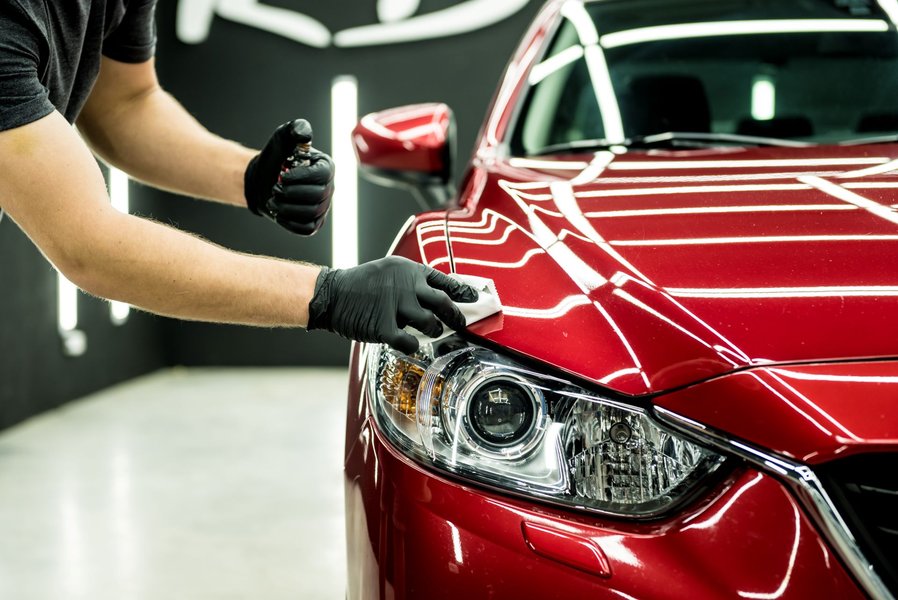
Ceramic coatings provide unparalleled protection and gloss, making your detailing efforts last longer.
Phase 2: Interior Detailing (Estimated Time: 2-4 hours)
A clean and fresh interior significantly enhances the driving experience and preserves the longevity of your vehicle's components. This stage of professional car detailing at home should be as thorough as the exterior.
- Declutter & Initial Vacuum (Estimated Time: 15-30 minutes):
Remove all trash, personal belongings, and floor mats. Conduct a thorough initial vacuum of the entire interior, including under seats, in crevices, and the trunk. Use appropriate vacuum attachments to reach all areas.
- Floor Mats & Carpets (Estimated Time: 30-60 minutes):
Take floor mats out of the car. Spray an all-purpose cleaner or dedicated carpet cleaner on them and scrub with a stiff brush. For tough stains, a carpet extractor can be invaluable. Thoroughly vacuum or rinse and allow to dry completely before placing them back in the car. Repeat this process for the car's interior carpets.
- Headliner (Estimated Time: 15-30 minutes):
Lightly spray an interior cleaner onto a clean microfiber towel (never directly onto the headliner) and gently blot or wipe sections of the headliner. Avoid oversaturating to prevent adhesive damage. Pro Tip: Use a soft-bristled brush for light agitation on stained areas.
- Door Panels, Dashboard, & Center Console (Estimated Time: 45-90 minutes):
Spray an all-purpose interior cleaner onto a microfiber towel and wipe down all hard surfaces. Use detailing brushes to clean tight areas like air vents, buttons, and seams. For persistent grime, a slightly stiffer brush can be used carefully. Apply a UV protectant to dashboards and plastic panels to prevent sun damage and dulling. Avoid silicone-based protectants that attract dust and create glare.
- Seats (Estimated Time: 30-90 minutes):
For fabric seats, follow the same process as carpets, using an upholstery cleaner and scrubbing. For leather seats, use a dedicated leather cleaner applied with a microfiber towel or soft brush. Gently agitate and wipe clean. Follow with a leather conditioner to nourish and protect the material. Pro Tip: Carpro Cquartz Leather & Vinyl Coating provides excellent long-term protection against stains and UV damage for leather and vinyl surfaces.
- Glass & Mirrors (Estimated Time: 15-30 minutes):
Use an ammonia-free glass cleaner and two clean microfiber towels (one for cleaning, one for buffing) to clean all interior windows and mirrors. Roll down windows slightly to clean the top edges, ensuring a streak-free finish.
- Final Touches & Air Freshening (Estimated Time: 10-20 minutes):
Double-check all areas for missed spots. Apply a car air freshener or odor eliminator for a fresh, clean scent. Ensure all surfaces are dry to prevent mildew. My personal experience has shown that a well-detailed interior, complete with fresh scent, significantly enhances the perceived quality of the vehicle.
Elevating Your Game: Advanced Detailing Techniques for Enthusiasts
For those looking to take their DIY car detailing to the next level, beyond the basics, these advanced detailing techniques will yield truly exceptional results and prolong the life of your vehicle's surfaces. My years of detailing high-end vehicles have shown me that these steps are what truly distinguish a good detail from an outstanding one.
- Engine Bay Cleaning: Carefully clean your engine bay with a dedicated degreaser and a low-pressure rinse, ensuring to cover sensitive electronic components to prevent water ingress. Finish with a protectant for plastic and rubber to restore their original look and prevent cracking.
- Headlight Restoration: Hazy headlights not only look bad but also compromise safety. Use a headlight restoration kit to remove oxidation and restore clarity. Consider applying a ceramic coating or a dedicated headlight sealant afterward for long-term clarity and UV protection.
- Multi-Stage Paint Correction: While a single polish can remove light defects, severe swirl marks or deeper scratches might require a multi-stage approach. This typically involves using a more aggressive compound first to remove significant defects, followed by a finer polish to refine the finish and maximize gloss. This is where a dual-action polisher truly shines.
- Wet Sanding (Expert Level): For very deep scratches or significant orange peel in the paint, wet sanding (using extremely fine grit sandpaper with water) can be employed. This is an advanced technique that requires significant skill and precision, as improper execution can easily burn through the clear coat. Only attempt this after extensive practice and research.
- Sealant & Wax Layering: For extended protection and a unique aesthetic, you can layer a synthetic sealant (for durability) with a carnauba wax (for a deeper, warmer glow). Ensure proper cure times between layers to allow each product to bond effectively.
- Ozone Treatment for Odor Elimination: For persistent interior odors (e.g., smoke, pet smells), an ozone generator can be highly effective. This professional technique uses O3 to neutralize odor-causing molecules. Always ensure the vehicle is unoccupied during treatment and thoroughly aired out afterward.
- Steam Cleaning for Deep Sanitization: A steam cleaner can sanitize surfaces, loosen stubborn grime in hard-to-reach areas, and aid in stain removal from carpets and upholstery without the need for excessive chemicals.
Maintaining That Showroom Shine Between Details
The efforts you put into a full detail can be significantly extended with a smart maintenance routine. My years of experience have proven that consistency in basic care is paramount to preserving your car shine and protection. Aim for a thorough detailing every 4-6 months, but between these major sessions, focus on these simpler, more frequent tasks:
- Regular Washing: Stick to the two-bucket method once every 1-2 weeks. This prevents heavy dirt buildup that could etch into your protective layers.
- Quick Detailer Sprays: For light dust, fingerprints, or fresh water spots, a quick detailer spray can safely clean and boost gloss. Gyeon's Q2M Quick Detailer is a top performer, adding a layer of ceramic-infused protection.
- Interior Spot Cleaning: Address spills and marks immediately. Keep a small microfiber towel and interior detailer spray handy for quick wipe-downs, preventing stains from setting in.
- UV Protection Reapplication: Reapply UV protectants to interior surfaces every few months, especially if your car is parked outdoors frequently or in sunny climates. This is crucial for preventing plastic and leather from fading and cracking.
- Door Jambs & Trunk: Don't forget these often-neglected areas during your regular washes. Wiping them down prevents grime buildup and maintains the overall cleanliness of the vehicle.
- Under Carriage Rinsing: Especially in winter conditions or areas with heavy road salt, frequent rinsing of the undercarriage can prevent corrosion and degradation of components.
Product Recommendations: From Budget to Premium
Choosing the right car detailing products can be overwhelming with the sheer number of options available. To help you navigate, I've curated a list of highly-rated options for 2026, many of which are favored by professionals and DIY enthusiasts alike. This table categorizes products by type and provides options for various budgets, reflecting what I've found to be reliable performers across different detailing scenarios.
| Product Type | Budget Option (Under $20) | Mid-Range ($20-$50) | Premium Choice (Over $50) | Key Benefit |
|---|---|---|---|---|
| Car Shampoo | Meguiar's Gold Class | Chemical Guys Mr. Pink | Gyeon Bathe Essence | pH-balanced, excellent cleaning, safe for all surfaces. |
| Wheel Cleaner | Sonax Wheel Cleaner Full Effect | P&S Brake Buster | Gyeon Iron | Effective on brake dust & grime, safe for most wheel types. |
| Clay Bar/Mitt | Mother's California Gold Clay Bar | Griot's Garage Speed Shine Clay Mitt | Nanoskin Autoscrub Fine Grade Towel | Removes bonded contaminants, leaves smooth paint. |
| Polish (Light) | Meguiar's Ultimate Polish | Griot's Garage Complete Polish | Rupes DA Fine Polish (for machine) | Removes light swirls, enhances gloss. |
| Paint Sealant | Turtle Wax Hybrid Solutions Ceramic Spray Coating | Meguiar's Hybrid Ceramic Wax | Gyeon CanCoat Evo | Durable synthetic protection, excellent hydrophobicity. |
| Carnauba Wax | Meguiar's Gold Class Carnauba Plus | Collinite 845 Insulator Wax | Pinnacle Souverän Paste Wax | Deep, warm glow, natural protection. |
| Interior Cleaner | Chemical Guys Total Interior Cleaner | Griot's Garage Interior Cleaner | Carpro Inside | Safe for multiple surfaces, effective cleaning. |
| Microfiber Towels | Amazon Basics Microfiber Cleaning Cloths | Chemical Guys Professional Grade Microfiber | The Rag Company (various models) | Soft, absorbent, lint-free, scratch-free. |
Location-Specific Detailing and Seasonal Tips
Your geographical location and the time of year can significantly impact your detailing needs and product choices. From battling road salt in Canadian winters to protecting against intense UV in sunny climates, tailoring your detailing techniques is crucial. Many Canadian detailers, for instance, rely on brands like Bloomco or international brands distributed through Canadian suppliers like TOC Supplies.
- Winter Detailing (Salt Belt Regions): Focus on frequent undercarriage washes to remove road salt, which causes rapid corrosion. Apply extra layers of wax or sealant for enhanced protection against harsh elements and consider winter-specific wheel sealants.
- Summer Detailing (Sunny Climates): Prioritize UV protection for both interior and exterior surfaces. Ceramic coating application offers superior UV resistance for paint. Regularly clean bug splatters and bird droppings promptly, as they can quickly etch into paint in high temperatures.
- Spring Detailing: This is an ideal time for a "reset" full detail. Thorough interior cleaning, including shampooing and fabric protection, is best done in spring or summer due to faster drying times and better ventilation.
- Fall Detailing: Prepare your car for winter by removing tree sap and fallen leaves promptly to prevent staining. Apply a fresh, durable layer of protection (sealant or ceramic coating) before the harsh weather arrives.
- Humid Climates: In areas with high humidity, ensure products are buffed off completely to prevent hazing, especially with waxes and sealants. Allow extra cure time for ceramic coatings.
Troubleshooting Common Detailing Mistakes & How to Avoid Them
Even with the best intentions and adherence to car detailing tips, mistakes can happen. My professional journey has involved fixing countless detailing errors, and I can confirm that knowing common pitfalls is half the battle. Here’s how to avoid or fix common issues that can hinder your professional car detailing at home efforts:
- Swirl Marks: Often caused by improper washing techniques, such as using dirty wash mitts or sponges, or washing in circular motions. Fix: Swirl marks can typically be corrected with machine polishing using an appropriate polish and pad. Prevention: Always use the two-bucket method with grit guards, soft microfiber mitts, and wash in straight lines.
- Water Spots: Result from water drying on the paint, leaving mineral deposits. This often occurs when washing in direct sunlight or not drying quickly enough. Fix: For fresh spots, a quick detailer can often remove them. Older, etched-in spots may require a mild vinegar solution (followed by a rinse) or light polishing. Prevention: Always wash in the shade and dry your car immediately and thoroughly.
- Streaky Windows: Caused by using too much product, dirty towels, or improper wiping technique. Fix: Use minimal ammonia-free glass cleaner and two clean, dry microfiber towels (one for initial wipe, one for final buff) for a streak-free finish. Prevention: Spray product onto the towel, not directly onto the glass.
- Product Residue (Hazing or White Marks): If polish, wax, or dressing leaves white residue, you likely applied too much, didn't allow proper cure time, or didn't buff it off adequately. Fix: Re-clean the area with an all-purpose cleaner (for interiors) or a quick detailer (for exteriors) and buff with a fresh, clean microfiber towel. For stubborn wax residue, a dedicated wax remover or rubbing alcohol might be needed. Prevention: Always follow product instructions for application and removal. Less is often more.
- Using the Wrong Cleaners: Using household cleaners (like dish soap) on your car can strip away protective waxes and sealants, and even damage delicate automotive surfaces. Fix: Immediately reapply protection to areas affected. For interiors, use only automotive-specific cleaners. Prevention: Stick to pH-balanced, automotive-specific car detailing products.
- Bird Dropping Etching: Bird droppings are highly acidic and can quickly etch into paint, especially in warm weather. Fix: For light etching, light polishing can help. Deeper etching may require more aggressive paint correction. Prevention: Remove bird droppings immediately. Soak with a wet microfiber towel for a few minutes before gently wiping away.
Unique Tip: For particularly stubborn pet hair in carpets, a rubber squeegee (like those used for windows) or a pet hair removal brush can be incredibly effective at gathering the hair into clumps, making it easier for your vacuum to pick up. This trick has saved me countless hours on heavily soiled interiors!
Frequently Asked Questions (FAQ)
A thorough detail every 4-6 months is ideal for most vehicles. Regular maintenance washes (every 1-2 weeks) will keep your car looking its best between details and preserve the protective layers.
Traditional waxes (carnauba) provide warmth and depth but shorter protection (1-3 months). Synthetic sealants offer longer protection (3-6 months) with different visual characteristics. Ceramic coatings provide the longest protection (6 months to multiple years) with exceptional durability and chemical resistance.
Absolutely! With patience, proper technique, and quality car detailing products, DIY enthusiasts can achieve results rivaling many professional shops. The key is a systematic approach and attention to detail, learning from comprehensive resources like this car detailing guide.
No, it is strongly advised against. Dish soap is designed to strip grease and can remove your car's protective wax or sealant layers, leading to faster paint degradation and dullness. Always use a pH-balanced car shampoo specifically formulated for automotive paint.
For light scratches (those you can't feel with your fingernail), a dedicated car polish applied by hand or with a dual-action polisher can effectively remove them and restore gloss. For deeper scratches, a compound might be needed, followed by polish.
Swirl mark prevention is crucial. Always use the two-bucket method with grit guards, high-quality microfiber wash mitts, and dedicated drying towels. Wash in straight lines, from top to bottom, and avoid automatic brush car washes.
Absolutely. A well-maintained and detailed car presents significantly better to potential buyers, suggesting it has been cared for. This can lead to a higher resale value and a quicker sale, as buyers are willing to pay more for a pristine vehicle.
