

Get your check engine light off and understand the P0455 code, its symptoms, and how to fix this common emission issue for good.
Highlights for the Savvy Driver
- Gas Cap First: The most frequent culprit for a P0455 large leak is often a loose, missing, or damaged fuel cap, making it the easiest and cheapest first step in diagnosis and repair.
- Emissions Impact: A P0455 code directly impacts your vehicle's ability to pass mandatory emissions tests in many US states, necessitating prompt attention.
- Smoke Test Advantage: For elusive leaks, a professional smoke test is the most effective diagnostic method to pinpoint even hidden breaches in the EVAP system.
The P0455 diagnostic trouble code indicates a significant breach in your vehicle's Evaporative Emission Control (EVAP) system. This system is crucial for preventing harmful fuel vapors from escaping into the atmosphere. While often not an immediate threat to your car's drivability, addressing a P0455 large EVAP leak is important for environmental reasons, passing emissions tests, and maintaining optimal fuel efficiency. If your check engine light illuminates and you receive a P0455 code, it signals a substantial issue within your car's sealed fuel vapor recovery system.
Understanding the P0455 Code Meaning and the EVAP System
The P0455 code stands for "Evaporative Emission System Leak Detected (Large Leak)." This general Diagnostic Trouble Code (DTC) is triggered when your vehicle's Powertrain Control Module (PCM), often referred to as the engine's computer, detects a loss of pressure in the EVAP system that exceeds a specific threshold. This typically signifies a leak larger than 0.040 inches (approximately 1 millimeter) in diameter. Unlike many engine codes that affect performance, P0455 specifically relates to emissions control.
What the EVAP System Does for Your Vehicle and Environment
The EVAP system is a complex network designed to capture and store fuel vapors that evaporate from your vehicle's fuel tank, preventing them from being released into the atmosphere. These harmful vapors contribute to air pollution and ozone formation. The system stores these vapors in a charcoal canister and then purges them into the engine's intake manifold to be burned during combustion. This closed loop system ensures that your vehicle operates cleanly and efficiently. Key components include the fuel tank, fuel cap, charcoal canister, purge valve, vent valve, and a network of hoses and lines.
A simplified diagram illustrating the components of a vehicle's EVAP system.
Why the EVAP System is Crucial for US Drivers
For drivers in the United States, a properly functioning EVAP system is not just an environmental responsibility; it's often a legal requirement. States with mandatory emissions testing, such as California, New York, Texas, and many others, will automatically fail a vehicle with an active P0455 code. Addressing this issue promptly ensures compliance with federal and state regulations, avoiding fines and preventing your vehicle from failing its annual inspection.
Recognizing P0455 Symptoms and Common Causes
While a P0455 code rarely causes a drastic change in engine performance or drivability, there are several noticeable symptoms that indicate a large EVAP leak. Understanding these can help you pinpoint the issue quickly.
What You Might Notice: Key P0455 Symptoms
- Check Engine Light (CEL) Illumination: This is the most immediate and common symptom. The light will typically be solid, not flashing, indicating an important but non-critical issue.
- Strong Fuel Odor: Since the EVAP system contains fuel vapors, a large leak often results in a noticeable gasoline smell, particularly around the fuel filler area or under the vehicle. This odor may be more pronounced after refueling or when the vehicle is parked in enclosed spaces.
- Failed Emissions Test: As mentioned, an active P0455 code will cause your vehicle to fail any mandatory emissions inspection, making it impossible to renew your registration in affected states.
- Reduced Fuel Economy (Minimal): While the impact is usually slight, escaping fuel vapors represent wasted fuel, which can marginally affect your vehicle's gas mileage over time.
- Difficulty Starting After Refueling (Rare): In some cases, if a component like the purge valve is stuck open due to the leak, it can disrupt the fuel-air mixture and lead to minor starting issues immediately after filling up.
Most motorists will experience no loss of power, rough idle, or stalling with a P0455 code, as the EVAP circuit is isolated from the combustion process. The primary clues are the warning light and the distinct fuel vapor odor.
The Culprits: Common Causes of a P0455 Large Leak
Identifying the root cause of a P0455 code often involves a systematic approach, starting with the simplest and most common issues. Here are the typical culprits, generally ordered from most to least likely:
1. Loose, Missing, or Damaged Fuel Cap
This is by far the most frequent cause of a P0455 code. The fuel cap is a critical component of the sealed EVAP system. If it's not tightened properly (usually to several clicks), is missing, or its rubber fuel cap seal is cracked, worn, or contaminated with dirt, it cannot maintain the necessary pressure. This simple issue accounts for approximately 40% of all P0455 diagnoses. It's the easiest and cheapest fix.
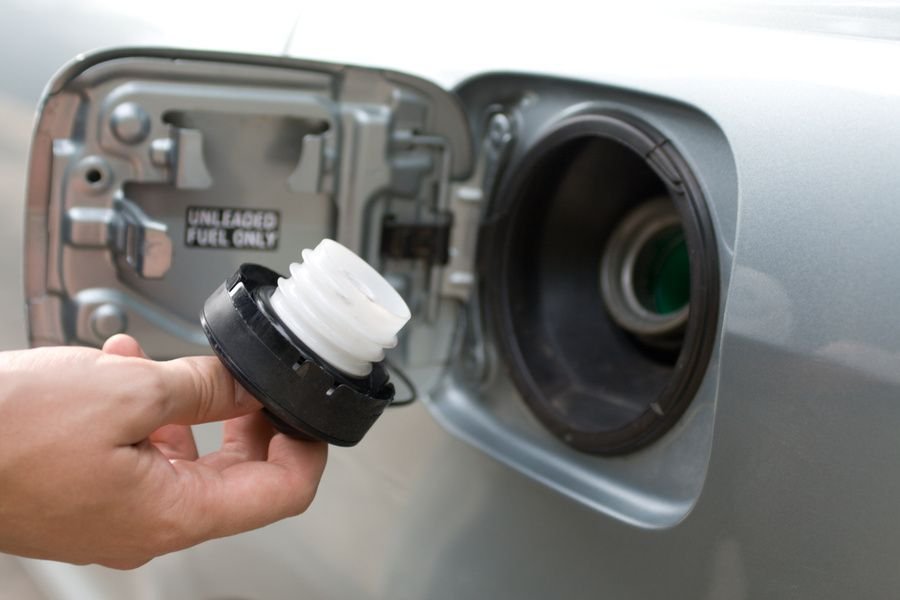
A visually inspected fuel cap showing its sealing surface.
2. Cracked or Disconnected EVAP Hoses/Lines
The EVAP system relies on a network of rubber and plastic hoses to transport fuel vapors. Over time, these hoses can become brittle due to age, heat cycles, and exposure to the elements. This can lead to cracks, tears, or even complete disconnections, particularly in older vehicles or those exposed to harsh weather conditions found in various US climates. Road debris or rodent damage can also be unexpected causes.
3. Faulty Purge Valve or Vent Valve
Both the purge valve (also known as the purge solenoid) and the vent valve (sometimes called the canister close valve or CCV) are electromechanical components that regulate the flow of fuel vapors and fresh air within the EVAP system. If either of these valves sticks open, fails to seal properly, or has an electrical malfunction, it can create a large leak. For example, some General Motors (GM) vehicles, like the Chevrolet Silverado and Equinox, are known to have issues with water intrusion into their vent valves.
4. Damaged Charcoal Canister
The charcoal canister stores fuel vapors until they are purged into the engine. If the canister itself is physically damaged, cracked, or punctured—perhaps from road debris impact (common in trucks like the Ford F-150 due to its placement), or from improper handling during service—it can leak vapors directly into the atmosphere. A canister saturated with fuel can also cause problems, though less often a "large leak."
5. Leaking Fuel Tank or Filler Neck
While less common than other causes, a significant crack or corrosion hole in the fuel tank itself or the metal filler neck (the pipe connecting the fuel tank to the fuel cap) can lead to a large EVAP leak. This usually results from physical damage, corrosion, or manufacturing defects.
How to Find a Large EVAP Leak: A Step-by-Step Diagnosis Guide
Diagnosing a P0455 code involves a methodical approach. You can start with simple checks at home before resorting to more advanced techniques or professional help.
DIY P0455 Diagnosis: Your First Steps
Step 1: Inspect and Tighten/Replace the Fuel Cap
This is always the first, simplest, and most common fix. Remove your gas cap, inspect the sealing surface for any cracks, wear, or debris. Ensure the cap clicks securely several times when reinstalled. If in doubt or if visible damage exists, replace it with an OEM-quality cap. Aftermarket caps sometimes don't seal correctly, potentially causing the code to return. After addressing the cap, clear the code with an OBD-II scanner and drive for a few cycles to see if it returns.
Step 2: Visual Inspection of EVAP Hoses and Components
With the vehicle safely on jack stands or a lift, perform a thorough visual inspection of all accessible EVAP hoses and lines. Follow them from the fuel tank to the charcoal canister, then to the purge valve in the engine bay. Look for:
- Obvious cracks, tears, or brittleness in rubber hoses.
- Disconnections or loose clamps at connection points.
- Signs of rodent damage (chew marks).
- Physical damage or cracks on the charcoal canister.
- Corrosion or loose electrical connectors on the purge and vent valves.
- Any signs of fuel leakage around the fuel tank or filler neck.
Step 3: Perform a Basic Smoke Test to Pinpoint the Leak
If a visual inspection doesn't reveal the leak, a smoke test is the most effective way to locate it. This involves introducing smoke into the EVAP system and observing where it escapes. While professional smoke machines are ideal, a basic version can help find large leaks.
A professional technician performing a smoke test on a vehicle's EVAP system to locate a leak.
How to Perform a Basic Smoke Test (for Large Leaks):
- Ensure Safety: Work in a well-ventilated area. Never use compressed air to pressurize the EVAP system, as this can damage sensitive components.
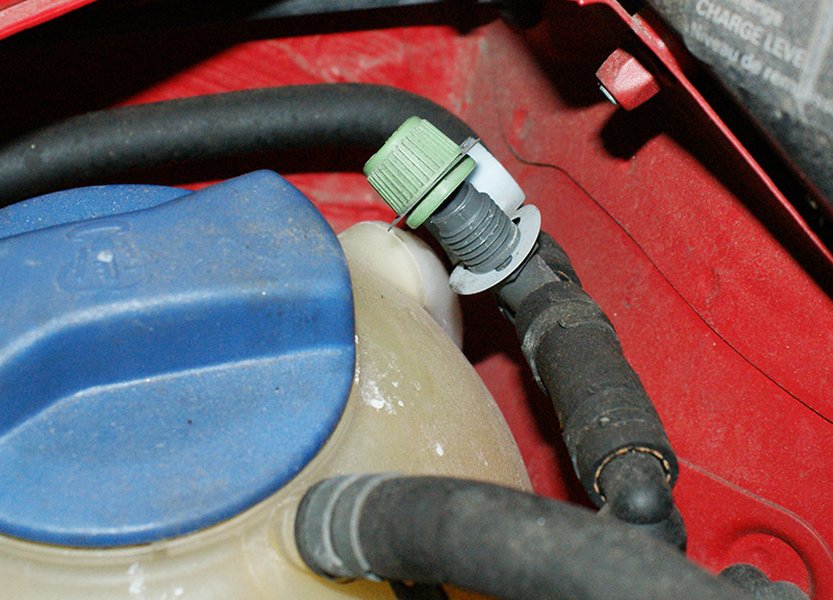
- Prepare the System: Ensure your fuel tank is between 1/4 and 3/4 full. Locate the EVAP service port (often a green-capped port in the engine bay) or identify a main EVAP line connection near the charcoal canister or purge valve that can be temporarily disconnected.
- Introduce Smoke: Connect a smoke machine (can be rented or purchased, like those used for automotive diagnostics) to the chosen access point. Introduce smoke into the system under low pressure.
- Observe for Leaks: Carefully inspect all EVAP components, hoses, connections, valves, and even the fuel cap area for escaping smoke. The smoke will visibly flow out of any leak point.
- Mark and Repair: Once the leak is identified, mark the location for repair.
Mike R., an ASE Certified Master Technician, advises: "Never use compressed air to pressure-test your EVAP system—this can damage sensitive components. Always use a proper smoke machine designed for EVAP diagnostics."
Scanning for Related Codes
When diagnosing P0455, it's wise to use an OBD-II scanner to check for any other related EVAP codes. These additional Diagnostic Codes can provide further clues and help confirm the issue:
- P0442 - Small EVAP Leak: Indicates a smaller leak than P0455, often from hairline cracks or minor seal failures.
- P0457 - Fuel Cap Loose/Off: Some vehicles use this specific code when a fuel cap issue is detected, though many include it under P0455.
- P0446 - EVAP Vent Control Circuit Malfunction: Points to an electrical issue or mechanical failure of the vent valve rather than a physical leak.
Large EVAP Leak Fix Guide: Repair Costs and Options
The cost to repair a P0455 code can vary significantly depending on the faulty component, your vehicle's make and model, and whether you choose to perform the repair yourself or take it to a professional shop. Labor costs in the US typically range from $80 to $150+ per hour, influencing the overall expense.
Note: These are general estimates for common US vehicles like Toyota, Ford, Honda, Chevrolet, Nissan, and Jeep. Actual costs may vary based on vehicle make/model, regional labor rates, and specific part quality (OEM vs. aftermarket). Always get multiple quotes for major repairs.
Can I Drive with a P0455 Code?
Generally, you can drive with a P0455 code as it typically doesn't cause immediate drivability issues or put you at risk of a breakdown. The EVAP system is primarily for emissions control, not engine performance. However, delaying the repair is not recommended due to several factors:
- Failed Emissions Inspections: Your vehicle will not pass a state emissions (smog) check with an active P0455 code.
- Environmental Impact: The escaping fuel vapors contribute to air pollution.
- Potential for Worsening: A small leak can become larger over time, or other components could be stressed.
- Minor Fuel Waste: While minimal, the loss of fuel vapors represents wasted fuel.
- Fire Hazard (Rare but Serious): If you notice a strong fuel odor, it indicates a significant amount of raw fuel vapor escaping, which could pose a fire risk. In such cases, it's crucial to stop driving immediately and address the issue.
Vehicle-Specific P0455 Information for Popular US Models
While the P0455 code meaning is universal, certain vehicle manufacturers and models have known tendencies for specific EVAP system issues. This information can help streamline your diagnosis.
Toyota P0455 Issues
Toyota trucks like the Tacoma and Tundra often develop P0455 codes due to cracked vent hoses near the fuel tank or issues with the fuel cap. Models like the Camry and Corolla frequently experience purge valve failures, which can create large leaks. Checking for manufacturer recalls is always a good idea.
Ford P0455 Issues
Ford F-150 and Escape models frequently experience charcoal canister failures due to their placement, making them vulnerable to road debris impact. Aged EVAP hoses and faulty purge valves are also common culprits in Ford vehicles.
Honda P0455 Issues
Honda Civics and Accords often develop P0455 codes from faulty purge valves, which are typically located in the engine compartment where heat can accelerate wear. Fuel cap issues are also a significant cause for Honda models.
Chevrolet/GM P0455 Issues
Chevrolet Silverado and Equinox models may develop P0455 codes from water intrusion into vent valves or damaged EVAP lines, particularly those located behind the fuel tank. Service Bulletin 09-06-04-028D addresses vent valve concerns for some GM trucks.
Nissan/Infiniti P0455 Issues
Nissan and Infiniti vehicles are often known for vent control valve failures and issues with the charcoal canister itself, particularly related to external damage or seal degradation.
Dodge/Jeep P0455 Issues
Dodge Rams and Jeep models can commonly face P0455 issues stemming from purge or vent valve failures, and sometimes problems with the integrity of the EVAP lines that run along the vehicle's undercarriage.
After the Repair: Clearing the Code and Verification
Once you've identified and fixed the source of the large EVAP leak, it's crucial to clear the code and verify that the repair was successful.
- Clear DTCs: Use an OBD-II scanner to clear the P0455 code from your vehicle's PCM.
- Complete EVAP Drive Cycle: Your vehicle's EVAP system monitor needs to run and complete its diagnostic tests. This usually involves a combination of cold starts, city driving, and highway driving. Ensure your fuel level is between 15% and 85% during this process.
- Verify Monitor Readiness: Use your scanner to check if the EVAP monitor shows "Ready" or "Complete." This confirms the system has re-tested and passed.
- Observe Check Engine Light: If the repair was successful, the check engine light should remain off. If it returns, a different leak source or another issue may be present, requiring further diagnosis.
"Replacing the damaged component in your EVAP system should restore the seal and keep your fuel vapors contained. Check the easiest solution first by tightening or replacing your fuel cap." - AutoZone
FAQ: Common Questions About the P0455 Code
Conclusion: Don't Ignore the P0455 Code
The P0455 large EVAP leak code is a common but important emissions-related issue that demands attention to maintain your vehicle's environmental compliance and prevent potential fuel odor problems. By starting with simple checks like the fuel cap and progressing through methodical diagnosis, most drivers can identify and repair the cause without excessive expense. Remember that proper car maintenance includes addressing emission codes promptly to ensure your vehicle operates cleanly and efficiently for years to come.
If you're uncomfortable performing these diagnostics yourself, consult a qualified technician who can properly smoke-test your EVAP system and pinpoint the exact source of your P0455 code. With the right approach, this common issue can be resolved quickly and affordably, getting your vehicle back to proper operating condition and ready to pass your next emissions test.
