

How Over-the-Air Software Enhancements Revolutionize Your Electric Vehicle's Performance and Longevity
Yes, software updates are fundamentally changing how electric vehicles (EVs) perform, especially regarding their battery range. Car manufacturers are increasingly leveraging over-the-air (OTA) software updates to intelligently manage battery systems, unlock previously inaccessible kilowatt-hours, and significantly improve real-world EV range for drivers. This intelligent approach, often referred to as an EV Range Software Fix, allows vehicles to evolve and enhance their capabilities long after they've left the dealership.
In the dynamic world of electric vehicles, the promise of continuous improvement through software is becoming a tangible reality. Unlike traditional gasoline-powered cars, an EV's performance isn't solely defined by its hardware at the point of sale. Instead, it's a living, breathing machine that can learn, adapt, and even extend its capabilities thanks to sophisticated software. One of the most exciting aspects of this evolution is the impact of software updates on EV battery range. These digital enhancements, delivered seamlessly over the air, can transform your driving experience by providing a genuine EV Range Software Fix.
Gone are the days when a car's specifications were fixed for its lifetime. Today, your electric vehicle can gain miles, optimize its energy consumption, and even adapt to new charging technologies through simple software downloads. This article delves into how these crucial updates work, offering a clear, in-depth look at how they benefit EV owners across the US and beyond, allowing for greater peace of mind and enhanced driving enjoyment.
How Software Updates Improve EV Range: The Technical Mechanisms
The magic behind how software updates improve EV range lies in several key areas. These aren't just cosmetic changes; they involve deep, intricate adjustments to the vehicle's core operating systems, maximizing the efficiency of existing hardware components.
Optimizing Battery Management Systems (BMS)
The Battery Management System (BMS) is the brain of your EV's battery pack. It constantly monitors individual cell health, temperature, voltage, and charge/discharge rates. Software updates can refine the algorithms that govern the BMS, leading to more efficient battery utilization and longevity. This can include:
- Reducing Safety Buffers: Automakers often build in a buffer at the top and bottom of the battery's capacity to protect its longevity and prevent premature degradation. OTA updates can sometimes safely reduce this buffer, unlocking previously unused kilowatt-hours without compromising battery health significantly.
- Improved Cell Balancing: Software can optimize how cells are balanced within the battery pack, ensuring each cell contributes equally and efficiently, which can extend the overall usable range and battery lifespan.
- Enhanced Thermal Management: Effective thermal management is crucial for battery performance and longevity, especially in extreme American climates. Firmware updates can refine cooling and heating strategies, allowing the battery to operate at its optimal temperature range more consistently, thus preserving energy and improving efficiency. For instance, GM's Ultium Energy Recovery system uses advanced software to manage heat pumps, significantly improving cold-weather performance.
Refining Powertrain Calibration and Regenerative Braking
Beyond the battery itself, software updates target the entire powertrain to improve efficiency. This includes:
- Powertrain Calibration: Updates can fine-tune how the electric motors deliver power, making acceleration smoother and more efficient. This optimization ensures that energy is converted into motion with minimal loss across various driving conditions.
- Enhanced Regenerative Braking: Regenerative braking is a cornerstone of EV efficiency, capturing kinetic energy during deceleration and feeding it back into the battery. Software updates can make this process more effective and intuitive, capturing more energy and contributing directly to an EV range increase. For example, some updates refine regenerative braking algorithms, leading to more effective energy recuperation in diverse driving scenarios, such as city traffic or downhill stretches.
Aerodynamics and Auxiliary Systems
While often subtle, software can also impact other aspects that contribute to range:
- Aerodynamic Optimization: For active aerodynamic components (like active grille shutters or adjustable spoilers), software updates can refine their deployment strategy to reduce drag and improve efficiency, especially at highway speeds common on American interstates.
- HVAC Efficiency: Climate control systems are significant energy consumers. Software improvements can optimize HVAC usage, such as adjusting fan speeds or compressor cycles, to maintain cabin comfort with less battery drain, particularly important in hot summers or cold winters across the US.
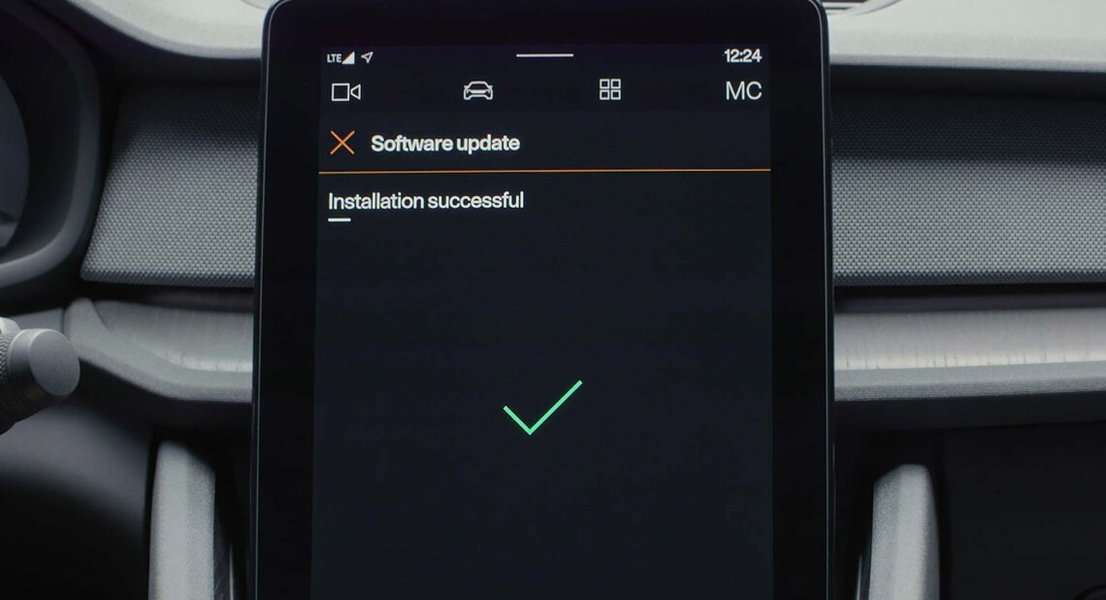
An illustration of an EV receiving an over-the-air update.
Real-World EV Battery Range After Software Update: Notable Examples
Numerous EV models have demonstrated significant range improvements through software updates, providing tangible benefits for drivers across the United States. These instances highlight the power of an OTA update EV range increase.
Tesla Software Update Range Improvement
Tesla is arguably the pioneer in leveraging OTA updates for vehicle enhancements, including range. The company's vertically integrated approach allows for rapid iteration and deployment. Historically, a Tesla software update range improvement has unlocked extra battery capacity. For instance, Tesla's 2020.4 update increased the range of their Model X cars by 23 miles and their Model S by 17 miles. These improvements were achieved without any physical changes to the car. More recently, Tesla's updates have focused on battery preconditioning (optimizing temperature before Supercharging), improved regenerative braking, and enhanced thermal management to reduce climate control energy consumption, all leading to more miles in real-world American driving conditions.
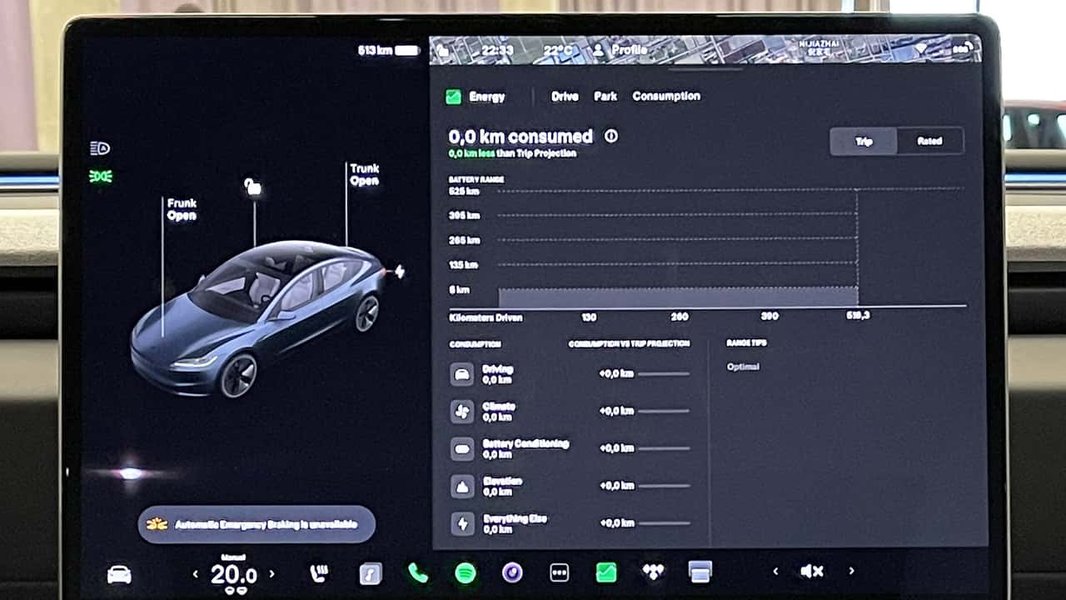
The Tesla Model 3, a prime example of an EV benefiting from continuous software updates.
Ford Mustang Mach-E and Rivian Optimizations
Ford's Mustang Mach-E has also seen meaningful range increases and charging curve improvements through software. These updates have refined regenerative braking, squeezing out extra miles in stop-and-go traffic common in cities like New York or Los Angeles. Rivian updates frequently incorporate refinements to suspension tuning and optimizations for extended range, particularly beneficial for their R1T and R1S models popular with US adventure seekers, improving efficiency even in off-road conditions. These over-the-air updates demonstrate a commitment to continuous improvement for their Gen 1 EVs.
Hyundai Ioniq 5 and Kia EV6
The Hyundai Ioniq 5 received an OTA update that improved energy efficiency, resulting in a 10-15 mile range increase, especially helpful in challenging conditions like cold US winters where battery performance often drops. Kia's EV6 lineup now ships with standardized OTA capabilities, enabling future efficiency and range refinements to roll out fleet-wide. The updated 2026 Kia EV6, for example, features a larger 84kWh battery and integrates Kia Connect with OTA updates as standard, enhancing both range and overall user experience.
Chevrolet Bolt and Other Brands
Software updates for the Chevrolet Bolt have delivered better range predictions and compatibility with public chargers. Notably, the Bolt received fixes that addressed range drops in extreme weather, making it more reliable for drivers across diverse US climates. Brands like BYD, Li Auto, and Volvo are also actively using OTA updates to enhance range and introduce new functionalities like Vehicle-to-Load (V2L) capability, further underscoring the industry-wide trend of software-defined vehicle evolution.
Comparison of Range Improvements in Popular US EV Models
The following table provides a snapshot of how software updates have specifically impacted the range of various popular EV models in the US market, showcasing the power of an over the air update EV range fix:
| EV Model | Update Focus | Reported/Claimed Outcome | Improvement (miles) | Notes for US Drivers |
|---|---|---|---|---|
| Tesla Model S/X | BMS, Thermal Management, Regen | Significant range increase, faster Supercharging | 17-23 miles | Benefits long-distance road trips across states. |
| Tesla Model 3 | Efficiency Patches, Aero Modeling | Improved EPA range, better highway efficiency | 15-20 miles | Enhances daily commutes and inter-city travel. |
| Hyundai Ioniq 5 | BMS Optimization, Charging Logic | Increased energy efficiency, better cold-weather range | 10-15 miles | Crucial for varied US climates, especially winter. |
| Ford Mustang Mach-E | Regenerative Braking, Drivetrain Maps | Refined regen feel, more accurate range estimates | 5-10 miles | Valuable for stop-and-go city driving in urban areas. |
| Rivian R1T/R1S | Drivetrain Efficiency, Suspension Tuning | Smoother energy use, consistent range on mixed terrain | Varies, subtle | Improves experience for off-road and adventure enthusiasts. |
| Chevrolet Bolt EV | BMS Updates, Cold Weather Fixes | Addressed range drops, improved reliability | 5-10 miles | Enhances usability in regions with harsh winters. |
| BYD Han L DM (PHEV) | Electric Range Boost | Increased pure electric driving distance | 15.5 miles (25 km) | Offers extended electric-only commuting for PHEV owners. |
How Updates Unlock More Kilowatt-Hours and Improve Performance
The technical foundation of EV firmware update battery performance relies on deep system-level access to vehicle controllers. Unlike superficial app updates, firmware revisions can recalibrate how the BMS interacts with physical battery cells. This level of control allows manufacturers to extract more value from existing hardware.
Reducing Buffers While Protecting Longevity
Manufacturers conservatively limit usable battery capacity by keeping a top/bottom State of Charge (SoC) buffer. This is a protective measure designed to extend battery life and prevent degradation. After extensive field data validates cell behavior and battery resilience, a BMS update may safely narrow these buffers slightly. This unlocks a bit more usable kilowatt-hours without compromising warranty targets or battery health, offering the cleanest path to a visible range bump.
Smarter Thermal Management for Consistent Miles
Battery temperature is a critical factor influencing range and longevity. Software updates introduce better heat-pump control, optimized coolant pump staging, and intelligent battery preheat/cool logic. These refinements cut wasted energy by ensuring the battery operates at its optimal temperature. In harsh US winters, this can recover double-digit percentage losses, significantly improving winter range. In hot states, improved cooling preserves efficiency and reduces degradation over time, leading to more reliable range estimates.
Refined Regeneration and Drivetrain Maps
Software refines the inverter and motor control maps, improving part-load efficiency, especially on interstates posted at 65-75 mph, a common American driving scenario. Tighter regenerative braking tuning recovers more energy in stop-and-go traffic, which is prevalent in many American cities. These optimizations ensure that every available electron is used as efficiently as possible, translating into more real-world miles.
Understanding Range-Improving vs. Range-Limiting Updates
While the focus is often on an EV range software fix that adds miles, it's crucial to understand that not all updates directly increase displayed range. Sometimes, updates might appear to "limit" range, but often these are for critical safety or battery health reasons.
| Type of Update | What it Does | When it Happens | Driver Impact |
|---|---|---|---|
| Range-Improving | Unlocks small kWh, optimizes BMS/thermal, refines efficiency maps. | After positive fleet data and rigorous testing. | More real-world miles, faster DC fast charging, improved efficiency. |
| Range-Limiting | Increases buffer, caps charge rate, or adjusts algorithms to protect the pack. | Due to safety concerns, warranty protection, or addressing unexpected cell stress. | Slightly fewer displayed miles, potentially slower charging; greater battery longevity and safety. |
Checking for Pending Software Updates and What to Do
Staying on top of your EV's software is crucial for maximizing its performance and ensuring you benefit from every OTA update EV range increase. The process typically involves accessing your vehicle's infotainment system or companion mobile app.
How to Check for EV Firmware Update Battery Performance
Most modern EVs, particularly those from US-popular brands, support OTA updates. The general process typically involves:
- Tesla Owners: Tap the car icon on the touchscreen, select "Software," and check for available updates. Always connect to Wi-Fi for faster and more reliable downloads.
- Ford Mustang Mach-E: Access the SYNC screen, navigate to "Vehicle Settings," then "Software Update," and check for updates. The FordPass app can also provide notifications.
- Hyundai Ioniq 5: Via the "Navigation" menu, go to "Settings," then "Software Update." The Bluelink app also plays a role in notifications and scheduling.
- Rivian R1T/R1S: Check notifications in the mobile app or on the vehicle's display. Updates often install overnight while parked.
- Chevrolet Bolt: Use the infotainment system's software update menu. Some critical BMS updates may still require a dealership visit.
It's generally recommended to install updates when your vehicle is plugged in and parked safely, often overnight. This ensures a stable power source and minimizes interruption.
Warnings: What If an Update Causes Range Loss or Issues?
While rare, some users have reported perceived range loss or other issues after a software update. This could be due to:
- Recalibration of the Guess-O-Meter (GOM): The range displayed on your dash is an estimate based on recent driving patterns and algorithms. An update might reset this algorithm, leading to a temporary change in the displayed range as it recalibrates to your driving habits. Give it a few charge cycles, and it should return to your normal estimate.
- Bug Fixes: Occasionally, an update might introduce a bug. If you experience a significant and persistent drop in range or other malfunctions, contact your dealership or manufacturer's support immediately. For example, some Chevy Bolt EV owners reported a "reduced range after software update" tied to a specific error code, which was a software issue later fixed with a subsequent update.
- Environmental Factors: Always remember that external factors like cold weather can significantly impact range (up to 30% reduction). Ensure you're not confusing a software-related issue with environmental influences.
- Failed/Partial Installs: If charging behavior or range is abnormal immediately after an update, try performing a system reboot or contacting support.
Tracking EV Battery Range After Software Update
For diligent EV owners, several tools and apps can help monitor battery health and range performance over time, especially after an OTA update EV range increase. Tracking these changes helps you understand the real-world benefits of the updates.
Recommended Tools and Methods
- In-Car Telematics: Most EVs collect detailed driving and battery data. You can often access this information through the vehicle's infotainment system or the manufacturer's mobile app (e.g., Tesla app, FordPass, MyHyundai).
- Third-Party Apps: Apps like A Better Routeplanner (ABRP) can help plan routes considering charging stops and estimated range. While helpful, always remember they are guides, and real-world conditions can vary.
- Battery Health Reports: Services like Recurrent offer detailed battery health reports that can diagnose deeper issues if you suspect a significant range drop beyond normal degradation.
- Manual Tracking: Keep a simple spreadsheet logging your estimated range at 100% charge, energy consumption (miles per kWh), and typical charging speeds before and after updates. Compare these metrics at similar temperatures and driving conditions.
- Public Charging Data: Note the kilowatt-hours added during public charging sessions and the miles gained to gauge efficiency shifts.
What to Monitor
When tracking changes in EV battery range after software update, focus on:
- Estimated Range at 100% Charge: Note changes over time under similar conditions.
- Energy Consumption: Monitor your vehicle's efficiency in miles per kWh or Wh/mile. A lower Wh/mile typically indicates better efficiency.
- Charging Speed: Observe any changes in charging performance, especially at DC fast chargers, as software can optimize charging curves.
- Consistency: Pay attention to how consistently your vehicle achieves its estimated range in various scenarios (highway, city, cold weather).
Maximizing Gains After an Update and Mitigating Range Anxiety
An EV Range Software Fix, coupled with smart driving habits, can significantly reduce range anxiety for US drivers. The continuous evolution of software-defined vehicles means your EV can adapt to various challenges posed by American landscapes and weather patterns.
Practical Steps to Maximize Gains
- Enable Scheduled Departure/Preconditioning: Utilize your EV's preconditioning features while plugged in. This ensures the battery is at an optimal temperature before driving, reducing energy drain from climate control at the start of your journey.
- Use Eco Modes: Engage economy driving modes, especially on long highway segments or when you prioritize range over performance.
- Maintain Tire Pressure: Check tire pressure monthly. Significant temperature swings across the US can alter tire pressure, impacting rolling resistance and efficiency.
- Optimal Charging Habits: Avoid regularly sitting at 100% or 0% State of Charge (SoC). For daily driving, keeping your battery between 20-80% is generally recommended for longevity. Only charge to 100% when preparing for a long trip.
Addressing US Context: EPA Ratings vs. Real-World Miles
The EPA range rating provides a standardized benchmark, but real-world US results vary with factors like speed, elevation changes, HVAC usage, and weather. OTA updates that enhance preconditioning and overall efficiency can narrow the gap between EPA estimates and actual miles, especially for highway-heavy American driving and in diverse climates.
