

Preserve your electric vehicle's most vital component with expert storage strategies.
Proper EV battery storage is paramount for safeguarding the health and extending the lifespan of your electric vehicle's most valuable asset. For extended parking periods or seasonal storage, maintaining an optimal state of charge (SoC) between 40-60% and controlling the environmental temperature are crucial. This guide provides comprehensive strategies to ensure your EV battery remains in peak condition, ready for your next journey.
Highlights for Optimal EV Battery Health in Storage
- Maintain Ideal State of Charge: Store your EV battery at a 40-60% SoC to minimize chemical stress and prevent degradation, whether for short or long durations.
- Climate-Controlled Environment is Key: Aim for a cool, dry storage temperature between 50-70°F (10-21°C) to significantly reduce battery aging, avoiding extreme heat or cold.
- Minimize Vampire Drain: Actively disable power-consuming features and utilize your vehicle's specific storage modes to prevent gradual battery depletion during inactivity.
Understanding the Core Principles of EV Battery Health in Storage
Why Proper Storage Matters for Your EV's Lifespan
Electric vehicles are engineered for daily use, and letting them sit idle for prolonged durations necessitates specific care to preserve their advanced battery systems. Unlike conventional gasoline vehicles, EV batteries, particularly lithium-ion chemistries such as Nickel-Manganese-Cobalt (NMC) and Lithium Iron Phosphate (LFP), are acutely sensitive to extreme charge levels and temperatures during extended inactivity. Ignoring proper electric car battery care during storage protocols can result in irreversible battery degradation, diminished range, and a shortened overall operational life.
Even when an EV is "off," its sophisticated battery management system (BMS) and other integrated electronic systems continue to draw a minuscule amount of power. This phenomenon, often referred to as "vampire drain" or parasitic drain, can gradually deplete the battery over weeks or months. This continuous draw can potentially lead to a deeply discharged state, which is severely detrimental to battery health. Therefore, comprehending and implementing effective electric car battery care strategies during storage is indispensable for all EV owners, regardless of their vehicle's make or model.
The Optimal State of Charge (SoC) for Long-Term EV Parking
Finding the "Sweet Spot" for Battery Preservation
One of the most paramount considerations for long-term EV battery storage is the maintenance of an ideal State of Charge (SoC). Industry experts and manufacturers widely advocate for storing your EV with its high-voltage battery charged to between 40% and 60%. This range effectively minimizes stress on the battery cells, thereby mitigating degradation that can occur at both very high (approaching 100%) and very low (approaching 0%) charge levels.
- Why 40-60%? This "sweet spot" is where the battery's internal chemistry exhibits its highest stability. At 100% SoC, phenomena like lithium plating can occur, which permanently reduces battery capacity. Conversely, at very low SoCs, there's a significant risk of permanent cell damage if the battery self-discharges below a safe threshold. Many prominent EV manufacturers, including Tesla, Nissan, and Chevrolet, explicitly advise this 50-60% range for optimal storage.
- LFP Battery Specifics: For electric vehicles equipped with Lithium Iron Phosphate (LFP) batteries, which are increasingly common in models like certain Tesla and Ford variants, some manufacturers might suggest a slightly higher storage SoC, potentially up to 70%. However, storing around 50% remains a universally safe and highly recommended practice for LFP batteries. Always consult your vehicle's owner's manual for precise, model-specific guidance.
It is critical to avoid leaving your EV battery at 100% or 0% for weeks on end. If charging to 100% is necessary for an upcoming trip, perform this action immediately before departure, not several days in advance. Similarly, never allow the battery to drain below 20% for extended durations.
Brand-Specific SoC Recommendations for Popular US EV Models
While the 40-60% rule serves as a general guideline, specific EV battery storage state of charge recommendations can vary subtly depending on the manufacturer and the battery chemistry employed. Always prioritize your vehicle's owner's manual for the most accurate and up-to-date information
| EV Brand/Model | Battery Chemistry (Common) | Recommended Storage SoC | Notes |
|---|---|---|---|
| Tesla (NMC/NCA) | Nickel-based | 50-60% | Utilize "Storage Mode" if available in software. |
| Tesla (LFP) | Lithium Iron Phosphate | ~50% (some sources up to 70%) | LFP batteries typically prefer regular full charges for calibration during active use, but not for long-term storage. |
| Chevrolet Bolt EV/EUV | NMC/NCA | ~42% (or 40-50%) | Some recommendations suggest not dropping below 40%. Disconnect 12V for very long storage. |
| Nissan Leaf | NMC/NCA | 40-50% | Older models might have different recommendations; check manual. Leaf’s passive thermal system makes heat avoidance crucial. |
| Ford Mustang Mach-E | NMC/NCA & LFP | Approximately 50% | Disconnect 12V battery after achieving target SoC if unplugged. Power-save reduces background load. |
| Rivian R1T/R1S | NMC | 50-60% | Enable any available storage modes and disable gear guard/cameras. |
For vehicles that offer the functionality, leaving the car plugged in while activating a dedicated storage mode or setting a charge limit to the recommended SoC can be highly beneficial. This allows the vehicle to intelligently manage its battery temperature and perform periodic top-offs as needed, effectively preventing deep discharge resulting from parasitic drain.
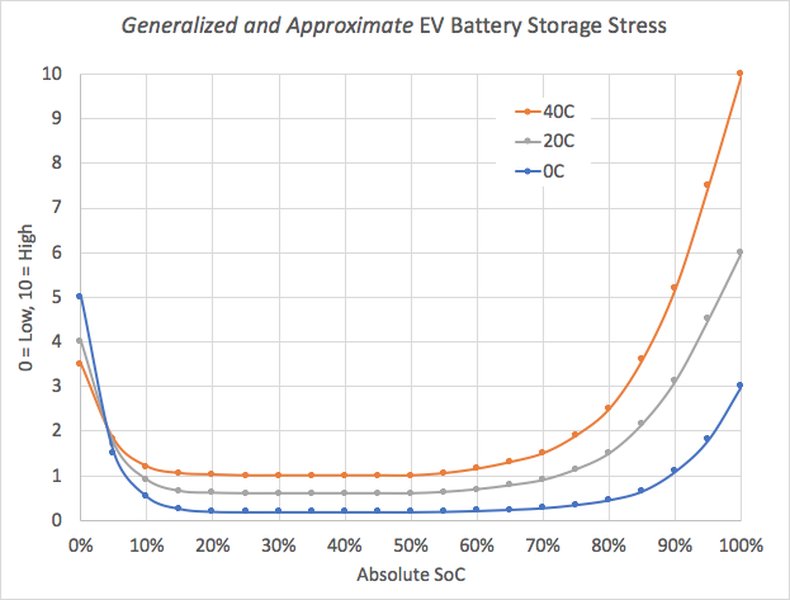
Generalized EV battery storage stress versus SoC and temperature.
The Profound Impact of Temperature on EV Battery Health During Storage
Navigating Environmental Extremes for Battery Preservation
Temperature management is as critically important as the state of charge when preserving EV battery health during storage. Extreme temperatures, both excessively hot and severely cold, can significantly accelerate battery degradation. The ideal storage temperature range for the vast majority of lithium-ion EV batteries is a cool, dry environment, typically maintained between 50°F and 70°F (10°C and 21°C).
- High Temperatures (e.g., Arizona, Texas summers): Constant exposure to high temperatures (consistently above 80°F or 27°C), especially when combined with a high SoC, can drastically increase the rate of battery degradation. If you are storing your EV in a warm climate, always choose a shaded spot or, ideally, an indoor, climate-controlled garage. Direct sunlight should be meticulously avoided. Consider reflective window covers to reduce interior temperatures.
- Low Temperatures (e.g., Minnesota, Michigan winters): While cold temperatures generally slow down chemical reactions and thus degradation, extremely cold conditions (below 32°F or 0°C) sustained for too long can risk temporary power loss and significantly slow down charging speeds when the vehicle is reactivated. Freezing temperatures can also increase the battery's internal resistance. If indoor storage is not feasible, prioritize shielding the battery from freezing air and moisture. Ensure the battery SoC is at least 40% before storage in cold climates.
A climate-controlled garage represents the optimal choice for seasonal storage, as it allows for the maintenance of a stable temperature. Furthermore, adequate ventilation around the vehicle, even during storage, is important to prevent localized heat buildup around the battery pack.
Minimizing Vampire Drain and Other Parasitic Loads
Protecting Your Battery from Unseen Energy Loss
Even when parked, electric vehicles draw a small amount of power for essential systems such as telemetry modules, passive entry, security alarms, and battery conditioning. This continuous draw is commonly known as "vampire drain" or parasitic drain, and it can slowly deplete the battery over time. To effectively preserve EV battery health during storage, especially for extended periods, consider implementing these preventative steps:
- Activate Storage/Long-Term Modes: Many modern EVs are equipped with specific "storage modes" or "power-saving modes" accessible via their infotainment system or mobile application. These modes are designed to automatically manage the battery to its optimal storage level and significantly reduce power consumption from standby systems.
- Manage the 12V Battery: The 12-volt battery in an EV powers auxiliary systems. For storage periods exceeding a month, some manufacturers, such as Ford, recommend disconnecting the 12V battery to reduce parasitic loads on the main high-voltage battery. When disconnecting, always remove the negative terminal first, followed by the positive, and ensure the cables do not make contact with metal surfaces. Alternatively, a trickle charger can be used to maintain the 12V battery's charge.
- Disable Unnecessary Features: Turn off features that are not essential during storage, such as alarm systems (if safe to do so), remote access services, or any unnecessary electronics. Remove aftermarket devices like dash cams or USB devices that could draw continuous power.
- Consider Unplugging (Unless Smartly Managed): While some vehicles are designed to intelligently manage their battery when continuously plugged in, others advise against leaving the EV plugged in for months without active oversight. This is because power outages or tripped breakers could interrupt the charging, leaving the battery susceptible to self-discharge. Always consult your vehicle's manual for specific guidance on plugged-in storage.
Regularly checking your EV's battery level via its mobile app, if available, can provide reassurance and alert you to any unexpected or excessive drainage.
Tailoring Storage Strategies: Short-Term vs. Long-Term Parking
Different Durations, Different Preparations
The duration of your EV's storage significantly influences the necessary preparation steps. It's important to differentiate between short-term and long-term storage needs.
Short-Term Storage (Under 30 Days)
For storage periods lasting less than one month, less intensive preparation is typically required:
- Maintain a Moderate SoC: Aim for the recommended 40-60% SoC. Precision is less critical than for longer storage periods.
- Optimal Parking Location: Choose a shaded area to protect the vehicle from direct sunlight and extreme heat. An enclosed garage is always the most ideal option.
- To Plug In or Not: If your vehicle features smart charging or dedicated storage modes, you might opt to leave it plugged in, allowing the car to manage its battery health. Ensure the charge limit is set appropriately (e.g., 50-60%).
- Periodic Checks: If unplugged, quickly check the SoC every week or so via your car's app to ensure no excessive drainage is occurring.
Many EVs can remain stationary for several months without charging, provided they are stored at an appropriate charge level (typically 50-80%) in a temperature-controlled environment. While 50-60% is generally preferred for optimal long-term health, a slightly wider range may be acceptable for short durations.
Long-Term Storage (Over 3 Months or Seasonal Storage)
For extended storage periods, more comprehensive measures are strongly recommended to protect both the battery and other vehicle components:
- Precise SoC Management: Charge or discharge the high-voltage battery to the precise 40-60% range. In very cold climates, a slightly higher buffer of 60-65% may be beneficial.
- Ideal Environment: Store the vehicle in a cool, dry place, ideally between 50°F and 70°F (10°C and 21°C), with adequate ventilation. High moisture environments should be avoided.
- 12V Battery Care: Disconnect the 12V battery's negative terminal or attach a smart trickle charger to prevent it from draining. Always follow your owner's manual for specific instructions.
- Disable Energy-Draining Features: Turn off any features that draw power, such as remote connectivity, cabin overheat protection, or sentry modes.
- Tire Care: Inflate tires to the maximum recommended pressure to prevent flat spots, or consider placing the vehicle on jack stands to relieve pressure.
- Fluid Levels: Check coolant levels for the battery's thermal management system to ensure proper operation if needed.
- Thorough Cleaning: Wash and clean the car thoroughly, ensuring it is completely dry before storage, to prevent corrosion and unpleasant odors.
- Activate Manufacturer's Storage Mode: If your EV offers a dedicated storage mode (as seen in some Tesla models), activate it.
- Periodic Monitoring: Even with meticulous preparation, it is prudent to periodically check on the vehicle, either physically or remotely via an app, to monitor the battery SoC and ambient conditions.
Remember, vehicles are designed to be driven. While EVs generally fare better in storage than internal combustion engine vehicles due to fewer moving parts, proper preparation significantly extends their operational life and prevents costly issues upon reactivation.
Advanced Tips for Preserving EV Battery Health
Going Beyond the Basics for Maximum Longevity
Beyond the fundamental practices, a few advanced considerations can further enhance your how to preserve EV battery health during prolonged storage periods:
- Software Updates: Ensure your EV's software is fully up-to-date before initiating storage. Software updates often include crucial Battery Management System (BMS) improvements that optimize battery health and storage protocols.
- Battery Diagnostic Test: If feasible, perform a diagnostic test on your battery before storage to establish a baseline health reading. This can help identify any pre-existing issues and provide a valuable point of comparison when the vehicle is brought out of storage.
- Coolant System Check: EVs rely on sophisticated thermal management systems. When an EV sits idle for too long, coolant can settle. Ensure your coolant levels for the battery's thermal system are adequate.
- Indoor Storage Preference: An enclosed, indoor space provides superior protection for your vehicle from weather extremes and potential damage. If indoor storage is not an option, utilize a breathable car cover.
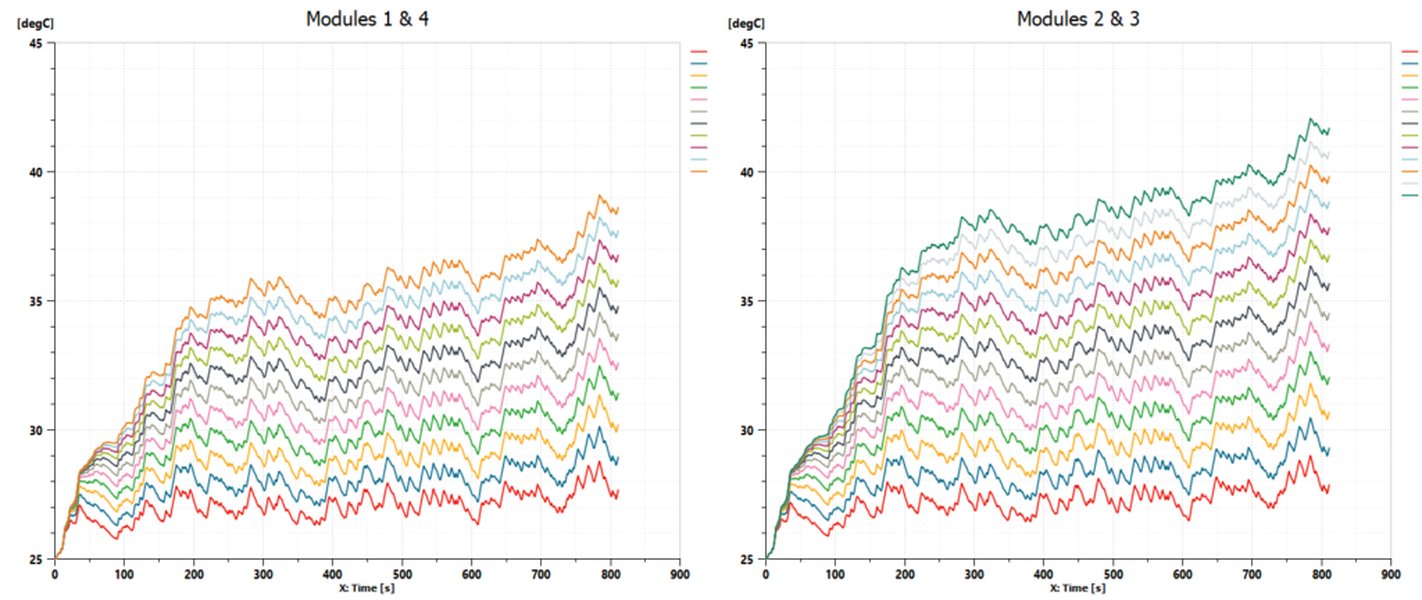
Thermal simulation of a Tesla Model 3 battery, highlighting the importance of temperature control.
Adhering to these electric car battery care during storage guidelines will help ensure that your EV's battery remains in optimal condition, ready for your next adventure without significant range loss or performance degradation.
Safety Warnings: What Not to Ignore During EV Storage
Critical Precautions for Your Peace of Mind
While EV batteries are designed with safety in mind, proper storage precautions are essential to ensure maximum safety and prevent potential issues:
- Avoid 100% SoC in Heat: Never store your EV at or near 100% SoC in high temperatures (e.g., during an Arizona summer). The combination of high voltage and high temperature dramatically accelerates battery degradation and can increase risks.
- Prevent Deep Discharge: Do not allow the SoC to fall below approximately 10-15% for extended periods. Deep discharge can lead to irreversible damage to battery cells and potentially render the battery unchargeable. Set remote alerts at around 30% to prompt a top-up.
- Ensure Ventilation: Avoid storing EVs in completely sealed, unventilated spaces, especially for loose batteries or if there is any suspicion of a damaged pack. Always ensure adequate airflow around stored vehicles. Most manufacturers recommend at least 3 feet of clearance on all sides.
- Follow OEM 12V Procedures: Always adhere to your Original Equipment Manufacturer's (OEM) specific procedures before attempting to disconnect the 12V system. Improper disconnection can lead to electronic issues or safety hazards.
- Fire Safety: Although rare, battery fires can occur. Store EVs away from flammable materials and consider installing smoke detectors in storage areas, particularly in enclosed garages.
“Mid-SoC and moderate temperature are the two most powerful levers you control. Get those right and your battery chemistry will thank you years later.”
Tools and Apps for Monitoring Your Stored EV
Staying Connected to Your Vehicle's Health
Modern EVs offer a range of applications and tools that simplify monitoring your vehicle during storage, providing peace of mind and proactive management:
- OEM Mobile Apps: Apps like the Tesla Mobile App, MyChevrolet App, NissanConnect EV, and FordPass App provide real-time data on current SoC, battery health, and often ambient temperature. These apps allow you to remotely check the status of your vehicle and receive alerts.
- Smart Level 2 Home EVSE: If you choose to leave your EV plugged in with a charge limit, a smart Level 2 home EVSE (Electric Vehicle Supply Equipment) can be programmed to schedule low-amp, short top-ups. This helps maintain the mid-SoC range without overshooting or causing unnecessary stress.
- 12V Smart Maintainers: For vehicles where the main traction battery does not reliably maintain the 12V battery when idle, a brand-approved 12V smart maintainer can be an invaluable tool for multi-month storage.
- Third-Party Apps/OBD-II Scanners: For more in-depth diagnostics, third-party apps and OBD-II (On-Board Diagnostics) scanners can provide additional battery data and insights, although these are typically used by experienced owners.
FAQ: Your Top Questions About EV Battery Storage Answered
Conclusion: Mastering EV Battery Storage for Lasting Performance
Effectively storing your electric vehicle's battery for long periods is a critical aspect of responsible EV ownership, directly impacting the longevity and performance of your investment. By diligently adhering to the core principles of maintaining a 40-60% State of Charge and controlling the environmental temperature within a cool, dry range of 50-70°F (10-21°C), you can significantly mitigate battery degradation.
Beyond these primary guidelines, proactive measures such as minimizing vampire drain by disabling unnecessary features, utilizing manufacturer-specific storage modes, and appropriately managing the 12V auxiliary battery are crucial. Whether you're preparing your Tesla for a seasonal break in Arizona, parking your Chevrolet Bolt through a Minnesota winter, or storing your Ford Mustang Mach-E, understanding these nuances ensures your battery remains healthy. Regular remote monitoring via your vehicle's app further empowers you to safeguard your battery's integrity, ensuring your EV is always ready to deliver its full potential when you return.
