

Discover the core reasons behind higher electric car insurance costs and unlock savvy strategies to keep your premiums in check.
Highlights: Key Insights for Savvy EV Owners
- Higher Vehicle Value & Complex Repairs: EVs generally have a steeper purchase price and incorporate advanced technologies, including expensive battery packs, which significantly increase potential repair and replacement costs for insurers.
- Specialized Expertise & Limited Data: The need for specialized technicians and equipment for EV repairs, coupled with a relative lack of long-term historical data for risk assessment, contributes to higher premiums.
- Proactive Savings Strategies: Savvy consumers can mitigate higher costs by comparing quotes, choosing certain EV models wisely, leveraging discounts, increasing deductibles, and utilizing usage-based insurance programs.
Electric vehicles (EVs) are rapidly changing our roads, offering a greener, often exhilarating driving experience. However, many enthusiastic EV owners encounter an unexpected turn when it comes to insurance: premiums that can be noticeably higher than those for their gasoline-powered counterparts. This isn't just an anecdotal observation; data consistently points to a significant difference in electric car insurance costs. Understanding why this is the case and, more importantly, what you can do about it is crucial for any EV driver.
This comprehensive guide will demystify the factors driving up EV insurance rates, drawing on the latest industry insights and expert analyses. We'll explore everything from the intricacies of battery replacement to the evolving repair ecosystem. More than just explaining the problem, we'll equip you with practical, actionable strategies to lower your premiums without compromising on essential coverage. Whether you're considering buying an EV or already own one, this article aims to be your go-to resource for navigating the world of electric car insurance.
The Core Conundrum: Why EV Insurance Often Exceeds Expectations
At its heart, insurance is about risk assessment. Insurers calculate premiums based on the likelihood and potential cost of claims. For electric vehicles, several unique characteristics present a different risk profile compared to traditional internal combustion engine (ICE) cars, leading to increased electric car insurance cost. This isn't a judgment on the safety or reliability of EVs, but rather a reflection of their current economic and technological realities within the insurance landscape.
It's important to clarify that you don't typically need a "special" type of insurance for an EV. The fundamental coverages – liability, collision, and comprehensive – remain the same. What changes is the pricing applied to these standard coverages due to the unique attributes of electric vehicles.
Peeling Back the Layers: Key Drivers of Higher Premiums
Several interconnected factors contribute to the elevated electric car insurance cost. These include the vehicle's inherent value, the nature of its components, and the infrastructure available for its repair and maintenance.
1. Elevated Vehicle Values and Replacement Costs
One of the most straightforward reasons for higher EV premiums is their generally higher upfront purchase price. While EV prices are becoming more competitive, the average electric vehicle often still carries a higher sticker price than a comparable gasoline model. Insurance companies base a significant portion of their rates on the replacement cost of a vehicle. If an EV is declared a total loss after an accident, the insurer faces a much larger payout compared to a less expensive ICE vehicle. This increased financial risk is naturally reflected in higher premiums for the policyholder.
Even with government incentives and rebates that can reduce the effective purchase price for consumers, insurers typically calculate premiums based on the vehicle's full retail value, further contributing to higher rates.

Comparing the visual impact of gas vs. electric car insurance rates.
2. The Costly and Complex Battery Factor
The battery pack is the single most expensive component in an electric vehicle, often accounting for a substantial portion of the vehicle's total value. Replacing a damaged EV battery can range from $6,500 to over $20,000, depending on the make and model. This substantial cost is a major concern for insurers.
Even seemingly minor accidents can lead to complex and expensive repairs if the battery pack is affected. Assessing battery damage is particularly challenging, and due to safety concerns and repair complexity, some insurers may declare an EV a total loss even with relatively minor body damage if there's any suspicion of battery compromise. This approach, while cautious, directly inflates claim payouts and, consequently, insurance premiums.
"The high-voltage traction battery is the single most expensive component on most EVs. When it’s damaged in a covered loss, repair assessment is complex, and replacement can be very costly."

An inside look at an EV battery pack, highlighting its intricate and costly components.
3. Specialized Repairs and the Scarcity of Expertise
Unlike gasoline cars, which can often be repaired at almost any auto shop, electric vehicles require specialized tools, equipment, and technicians with specific training in high-voltage systems. There is currently a shortage of EV-certified repair facilities and skilled technicians. This limited availability means that when repairs are needed, they can be more expensive and take longer.
Longer repair times also incur additional costs for insurers, such as rental car expenses for the policyholder during the repair period. The specialized nature of these repairs and the higher labor costs contribute directly to increased claim payouts, which are then reflected in higher electric car insurance cost.
4. Advanced Technology and ADAS Complexity
Electric vehicles are often at the forefront of automotive technology, incorporating advanced driver-assistance systems (ADAS), sophisticated sensors, cameras, and complex computer systems. While these features enhance safety and can even help prevent accidents, they also significantly increase repair costs when damaged.
A minor fender bender can easily damage multiple sensors and cameras responsible for features like automatic emergency braking, lane-keeping assistance, and adaptive cruise control. Recalibrating these systems after repair requires specialized equipment and expertise, turning what might be a simple cosmetic repair on an older car into a complex, multi-component job on an EV.
5. Limited Historical Data and Underwriting Uncertainty
Insurance companies rely heavily on extensive historical data to accurately assess risk and price policies. Since electric vehicles are a relatively newer technology, insurers have less long-term data on accident frequency, repair costs, and long-term reliability compared to ICE vehicles.
This data gap introduces an element of uncertainty for underwriters. To mitigate potential unknown risks, insurers often build in a buffer, leading to more conservative and higher pricing. As more EVs hit the road and mature, this data will become more robust, likely leading to more precise and potentially lower pricing over time.
The Numbers Speak: How Much More Are We Talking?
The actual difference in electric car insurance cost can vary significantly based on your specific EV model, geographical location, driving record, and the chosen insurance provider. However, national averages and studies provide a clear picture of the general trend.
According to recent analyses, EV insurance costs can be an average of 49% higher than for traditional gas-powered cars. This translates to an average annual premium of approximately $4,058 for EVs compared to $2,732 for gas vehicles. Monthly, this could mean paying around $338 for EV insurance versus $228 for a gas car.
The disparity can be even more pronounced in regions with lower EV adoption rates, where repair infrastructure and technician availability are less developed. Conversely, states with higher EV populations, like California, may see a smaller premium gap due to a more mature support ecosystem.
Model-Specific Variations: Not All EVs Are Created Equal
The model of your electric vehicle plays a huge role in its insurance cost. For example, a Volkswagen ID.4 might cost around $241 monthly to insure, while a Tesla Model X could run upwards of $522 per month. This difference is often due to the vehicle's purchase price, the complexity of its design, the availability of parts, and its overall repairability. Generally, EVs from traditional manufacturers (Ford, Hyundai, Volkswagen) tend to have lower insurance rates than those from EV-only companies like Tesla or Rivian, partly because their repair networks are more established and parts are more readily available.
Empowering Your Wallet: Smart Strategies to Lower Your EV Insurance Costs
While the factors above contribute to higher electric car insurance cost, you are not without recourse. There are numerous effective strategies you can employ to significantly reduce your premiums. By being an informed and proactive consumer, you can make EV ownership more affordable.
Proactive Steps for Premium Reduction
Implementing even a few of these strategies can lead to substantial savings on your electric car insurance.
1. Shop Around and Compare Quotes Extensively
This is perhaps the single most impactful strategy. Insurance providers vary dramatically in how they assess and price EV coverage. What one insurer considers high risk, another might offer a more competitive rate for. Don't assume your current provider will offer the best deal for your EV.
- Get Multiple Quotes: Obtain quotes from at least three to five different insurers. Include major national carriers, regional providers, and any companies that specialize in EV coverage.
- Utilize Online Comparison Tools: Websites that allow you to compare multiple quotes simultaneously can save you significant time and money.
- Consider EV-Specific Insurers: Some EV manufacturers, like Tesla, offer their own insurance products, which might provide competitive rates tailored to their vehicles.
"Different insurers model EV risk differently. The cheapest for one brand or state can be costly in another—compare every renewal.”
2. Choose Your Electric Vehicle Wisely
If you are still in the market for an EV, consider insurance costs as a critical factor in your purchasing decision. Some models are inherently cheaper to insure than others due to their price, repairability, and parts availability.
- Mainstream vs. Niche: EVs from traditional automakers often benefit from established repair networks and parts commonality, potentially leading to lower rates.
- Safety Ratings: Models with high safety ratings and advanced safety features (ADAS) can sometimes qualify for discounts.
- Research Insurance Group Ratings: Some countries use insurance group ratings for vehicles; a lower group number generally means lower premiums.
3. Maximize Available Discounts and Bundling Options
Don't leave money on the table. Inquire about every possible discount when getting quotes.
- Bundling Policies: Combining your auto insurance with other policies, such as home, renters, or umbrella insurance, can often lead to significant multi-policy discounts (10-25%).
- Green Vehicle Discounts: Some insurers offer specific discounts for owning an environmentally friendly vehicle.
- Safe Driver Discounts: Maintain a clean driving record, free of tickets or at-fault accidents. Many insurers reward responsible drivers.
- Low Mileage Discounts: If you drive fewer miles than the average driver, particularly if your EV is a second vehicle, you might qualify for reduced rates.
- Safety Feature Discounts: Many EVs come equipped with advanced safety features (e.g., automatic emergency braking, lane-keeping assist) that can earn you discounts.
- Anti-Theft Devices: Installing approved anti-theft devices can also lead to discounts.
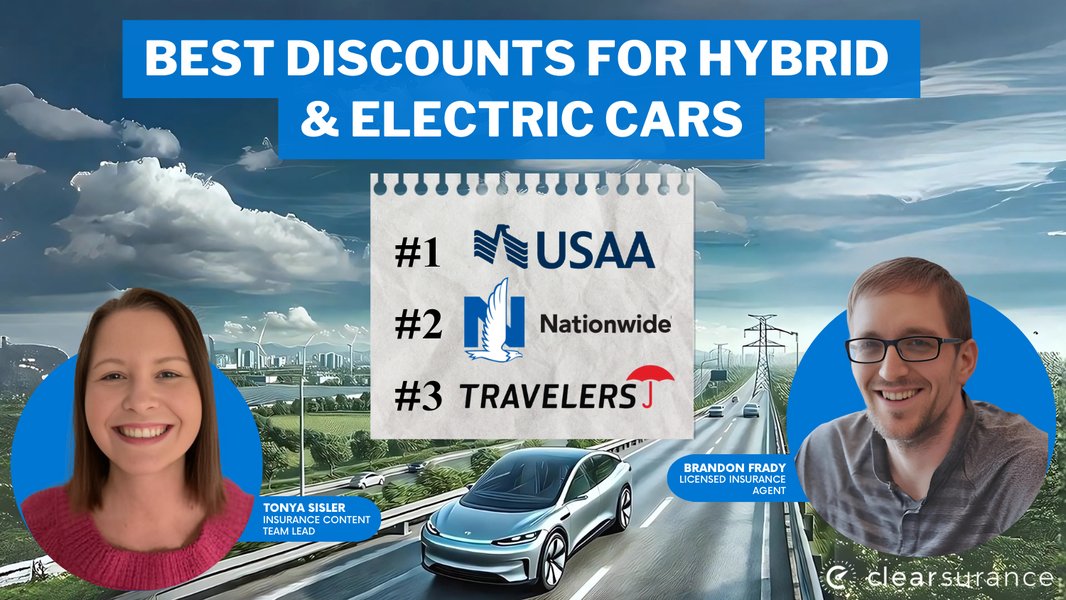
A visual representation of various discounts available for hybrid and electric cars.
4. Consider Higher Deductibles
Increasing your deductible – the amount you pay out-of-pocket before your insurance coverage kicks in – can significantly reduce your premium. However, ensure you choose a deductible amount that you can comfortably afford in the event of a claim. This strategy is most effective for drivers with excellent driving records who are less likely to file frequent claims but want protection against major incidents.
5. Explore Usage-Based Insurance (UBI) Programs
Many insurers now offer telematics or usage-based insurance programs. These programs monitor your driving habits (e.g., mileage, braking, acceleration, time of day driven) via a mobile app or a device installed in your vehicle. Safe and low-mileage drivers can earn substantial discounts, sometimes upwards of 30% or more. If you're a cautious driver who uses your EV primarily for shorter trips, this could be an excellent option to reduce your electric car insurance cost.
6. Maintain a Good Credit Score
In many states, insurance companies use a credit-based insurance score as one factor in determining rates. A higher credit score can signal greater financial responsibility and often leads to lower insurance premiums. Paying bills on time, keeping credit card balances low, and avoiding unnecessary new credit applications can help improve your score.
7. Protect Your Battery Pack
Given the high cost of battery replacement, taking extra precautions to protect this vital component can be beneficial.
- Curb Guards: Install curb guards if your driveway or common parking areas have steep entries or exits to prevent scraping the undercarriage.
- Avoid Debris: Be mindful of driving over road debris or deep potholes that could impact the floor-mounted battery pack.
- Document Maintenance: Keeping good records of charging habits and any maintenance can be helpful in the event of a claim.
8. Review and Adjust Coverage Annually
The EV insurance market is dynamic. Your ideal policy and rates can change from year to year. Make it a habit to re-shop your insurance at every renewal. Also, review your coverage when you have significant life changes, such as moving, adding a new driver, or changing your annual mileage. What was competitive last year might not be today.
EV vs. Gas: A Comparative Look at Insurance Cost Drivers
To truly understand the electric car insurance cost landscape, it's helpful to see a direct comparison of the factors that influence premiums for both EVs and traditional gasoline vehicles. This table outlines the typical impact of key elements on insurance costs for each powertrain type.
The Future Outlook: Will EV Insurance Become More Affordable?
The current premium gap for electric car insurance cost is not necessarily a permanent fixture of the automotive landscape. As the electric vehicle market continues to mature and expand, several factors are expected to contribute to a more competitive and potentially lower insurance cost environment.
Factors That Could Drive Down Costs Over Time
- Expanding Repair Networks: As EV adoption grows, so too will the number of specialized repair shops and certified technicians. This increased competition and expertise will help standardize repair processes and control costs.
- Accumulation of Data: With more EVs on the road and a longer history of claims, insurers will gather more robust data. This will allow for more accurate risk assessment and pricing, reducing the need for conservative buffers in premiums.
- Battery Technology Advancements: Ongoing innovations in battery technology are making packs more durable, easier to repair, and less expensive to manufacture. The shift towards technologies like LFP (lithium iron phosphate) batteries, which are often cheaper, could significantly reduce replacement costs.
- Lower Vehicle Values: As EV production scales and new, more affordable models enter the market, the average purchase price of electric vehicles is expected to decrease. Lower vehicle values will naturally lead to lower replacement costs for insurers and, consequently, lower premiums.
- Standardization of Parts: As the industry matures, there may be greater standardization of EV components, making parts more readily available and less expensive.
This video from CNBC provides a detailed explanation of why EVs are currently driving up car insurance costs, offering valuable context on the challenges and trends in the market.
While these positive changes are on the horizon, they will likely unfold gradually. In the interim, being a proactive and informed consumer remains your best defense against high electric car insurance cost.
Frequently Asked Questions About Electric Car Insurance Cost
Conclusion: Balancing Innovation with Financial Prudence
The journey towards sustainable transportation is exciting, and electric vehicles are at its forefront. While the current reality is that electric car insurance cost often comes at a premium, this financial hurdle is not insurmountable. The combination of higher vehicle values, the intricacies of battery technology, specialized repair requirements, and the evolving insurance market all contribute to this difference.
However, by diligently comparing quotes, making strategic vehicle choices, leveraging a wide array of discounts, adjusting your deductibles, and exploring modern insurance programs like usage-based coverage, you can significantly mitigate these costs. Remember that the overall cost of EV ownership also includes substantial savings on fuel and often reduced maintenance, which can help balance the higher insurance premiums.
As the EV market continues its rapid growth and technological advancements, the insurance landscape will undoubtedly adapt. Staying informed, being proactive in your insurance shopping, and continuously reviewing your policy will ensure you enjoy the benefits of electric driving without breaking the bank on coverage. The future of EV insurance promises more competitive rates, but for now, smart consumer choices are your most powerful tool.
