

Highlights for Savvy Drivers
- Tread Depth is Paramount: Learn to use the penny test and wear indicators; consider replacement at 4/32 inch for enhanced wet weather safety.
- Age Matters: Regardless of tread, tires degrade; plan for professional inspection at 6 years and replacement by 10 years from the manufacture date.
- Beyond the Obvious: Watch for subtle cues like bulges, cracks, vibrations, and frequent pressure loss, which signal urgent replacement needs.
Your car's tires are its only point of contact with the road, playing a foundational role in your vehicle's safety, handling, and overall performance. They are often overlooked until a problem arises, yet understanding when to replace car tires is a critical aspect of responsible vehicle ownership. Neglecting tire health can lead to compromised braking, reduced traction, poor fuel efficiency, and even dangerous blowouts. This comprehensive guide will equip you with the knowledge and tools to identify worn tires, understand optimal replacement timing, and implement practical maintenance tips to extend tire life and ensure safer journeys.
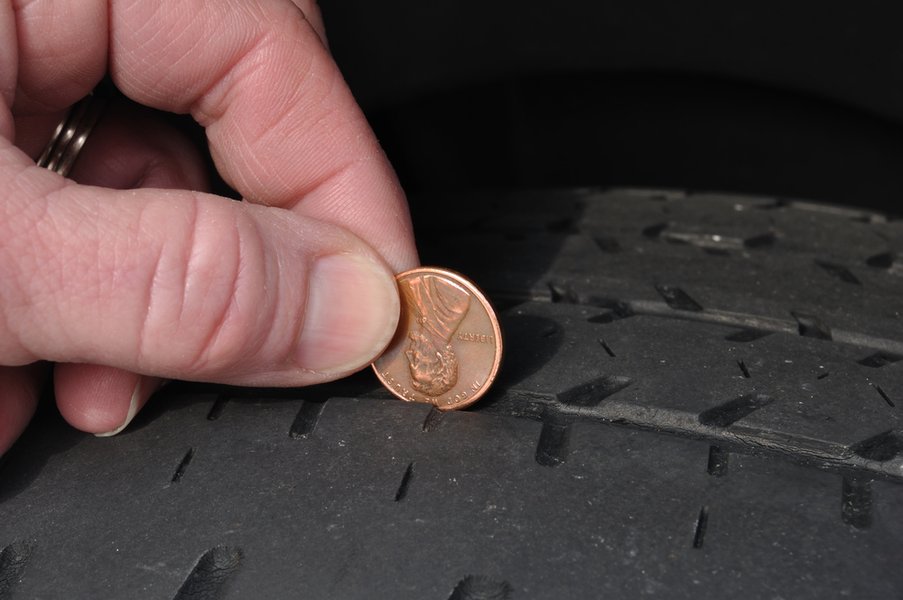
A visual demonstration of the classic penny test for assessing tire tread depth.
Why Timely Tire Replacement is Non-Negotiable
Driving on tires that are past their prime is akin to walking on thin ice – inherently risky. Worn tires significantly diminish your vehicle's grip, making it challenging to brake effectively, especially on wet or slippery roads. This increases stopping distances and the likelihood of hydroplaning or skidding. Furthermore, damaged or excessively old tires are prone to sudden failures, such as blowouts, which can lead to a loss of control at high speeds.
Beyond immediate safety concerns, inadequate tires can negatively impact your vehicle's performance. You might experience a harsher ride, increased road noise, and a noticeable drop in fuel efficiency. Replacing tires proactively not only safeguards you and your passengers but also protects your vehicle's suspension and other components from undue stress, ultimately saving you money on future repairs.
Consider the analogy: a marathon runner wouldn't compete in worn-out shoes. Similarly, your car needs reliable "footwear" to perform its best and keep you safe. Regular checks and timely replacements are investments in both your safety and the longevity of your vehicle.
"Tires are your vehicle's foundation. Ignoring them is like building a house on shaky ground." — Tire Safety Expert, Michelin
Decoding the Warning Signs: How to Tell When to Replace Car Tires
Recognizing the indicators that your tires need attention is the first step toward proactive replacement. These signs range from easily observable wear patterns to subtle changes in your car's driving dynamics. By performing regular checks, you can catch these issues early.
The Critical Metric: Tread Depth
The tread on your tires is engineered to channel water, mud, and snow away from the contact patch, providing essential grip. As the tread wears down, this capability is severely reduced, particularly in adverse weather conditions. Monitoring tread depth is the most crucial aspect of tire maintenance.
The Penny Test: A Quick and Easy Check
This tried-and-true method is a favorite for its simplicity. All you need is a penny:
- Take a penny and insert it head-first into several major tread grooves across your tire.
- Ensure Lincoln's head is pointing downwards.
- If you can see the very top of Lincoln's head, your tread depth is approximately 2/32 inch (1.6 mm) or less. At this point, your tires are legally considered worn out and need immediate replacement.
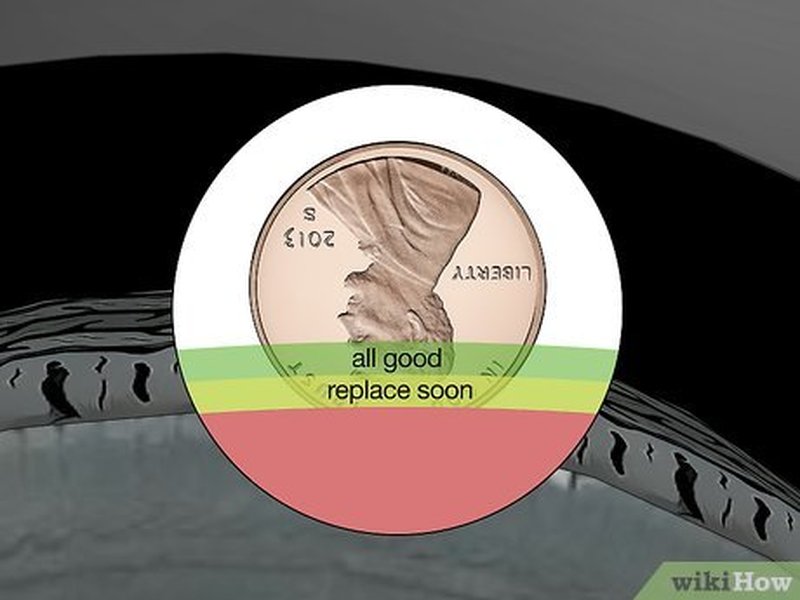
An illustration of the penny test, a simple method to gauge tire tread depth.
Tread Wear Indicators (Wear Bars)
Modern tires come with built-in safety features: small, raised rubber bars located at the bottom of the main tread grooves. These are strategically placed at 2/32 inch. When your tire's tread wears down and becomes flush with these indicators, it's a clear signal that the tire has reached its legal minimum tread depth and requires replacement.
Using a Tread Depth Gauge for Precision
For the most accurate measurement, an inexpensive tread depth gauge is an excellent investment. These tools provide precise readings and help you track wear over time:
- Measure at multiple points across each tire – both the inner, middle, and outer sections – as wear can be uneven.
- Record your measurements to monitor the rate of wear.
- While 2/32 inch is the legal minimum, many experts recommend replacing tires when they reach 4/32 inch (3.2 mm), especially if you frequently drive in wet conditions. This provides a greater margin of safety and better hydroplaning resistance.
Visual Cues: Damage Beyond Tread Wear
A thorough visual inspection can reveal critical issues that aren't related to tread depth but are equally dangerous.
Cracks and Dry Rot: The Silent Killer
Over time, rubber compounds degrade due to exposure to UV light, ozone, extreme temperatures, and road chemicals. This deterioration manifests as:
- Small cracks or crazing on the tire's sidewall.
- "Weather checking," which are tiny cracks that appear between the tread blocks.
- A discolored, brittle, or chalky appearance of the rubber.
- Cracks around the bead area where the tire meets the rim.
These signs indicate that the rubber is losing its elasticity and structural integrity, making the tire more susceptible to sudden failure. Dry rot can affect even tires with plenty of tread if they are old or improperly stored.
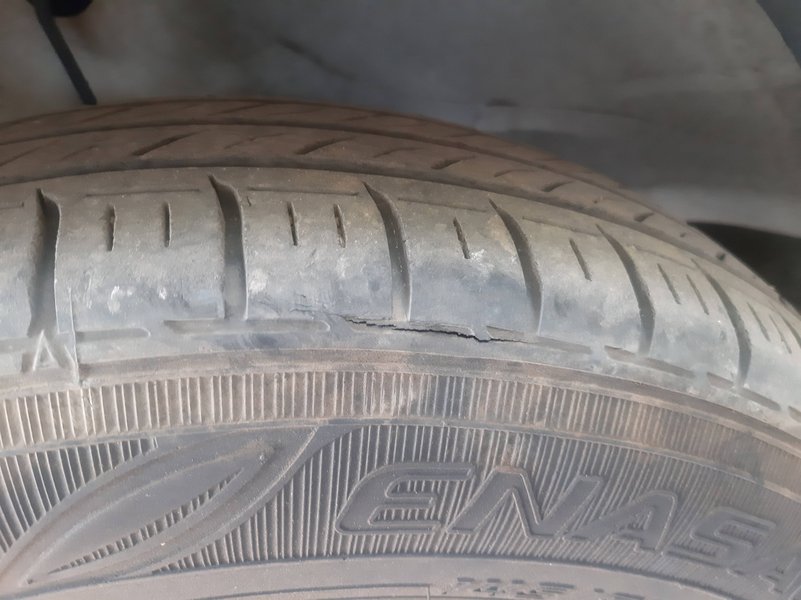
Visible cracking on a tire sidewall, a clear sign of rubber degradation or dry rot.
Bulges and Blisters: Impending Danger
Any visible bulge or blister on the tire's sidewall or tread surface is a serious red flag. These deformities indicate internal damage to the tire's structural belts or cords, often caused by impact with potholes, curbs, or other road hazards. A bulge means the internal pressure is pushing against a weakened area, creating a high risk of a sudden, catastrophic blowout. Such tires require immediate replacement.
Punctures, Cuts, and Other Damage
Regularly inspect your tires for:
- Embedded objects like nails, screws, or sharp debris.
- Visible punctures, tears, or deep cuts, especially on the sidewall.
- Previous tire repairs that appear to be failing or are located in unsafe areas (e.g., sidewall or shoulder).
While small punctures in the central tread area can sometimes be repaired, any damage larger than ¼ inch (6 mm) or located in the sidewall or shoulder area typically means the tire must be replaced. The sidewall is designed to flex, and a repair there will compromise its structural integrity and safety.
"Many drivers don't realize that tires should only be repaired within the tread area, never on the outside edge or sidewall. Punctures larger than one-quarter inch should not be repaired—the tire should be replaced instead." — Tire Safety Expert
The Silent Threat: Tire Age
Even if your tires have excellent tread depth and appear to be in good condition, age is a significant factor in their safety. The rubber compounds in tires degrade over time, losing their flexibility, strength, and grip, regardless of how many miles they've traveled.
Decoding the DOT Code: How Old Are Your Tires?
Every tire has a Department of Transportation (DOT) code on its sidewall, which includes a date stamp indicating its manufacturing week and year. Look for a series of letters and numbers ending in four digits. The last four digits represent the week and year of manufacture (e.g., "3520" means the 35th week of 2020).
Age-Based Replacement Recommendations
Most tire manufacturers and automotive safety organizations recommend specific age-based replacement guidelines:
- 6 Years: Begin thorough annual inspections by a qualified professional. At this age, consider replacing tires even if they appear visually sound.
- 10 Years: This is generally considered the maximum service life for a tire, regardless of its visual condition or remaining tread depth. Replace tires that are 10 years or older.
- Spare Tires: Your spare tire is subject to the same aging process. Inspect and replace it according to the same age recommendations.
Environmental factors, such as climate (hot climates accelerate aging), exposure to sunlight, and storage conditions, can further hasten the rubber's degradation. Therefore, tires in harsher environments might need replacement sooner.
Performance Clues: Your Car's Way of Telling You
Sometimes, your vehicle provides subtle yet important signals that its tires are no longer performing optimally. Pay attention to changes in how your car feels and sounds.
Unusual Vibrations or Noises
New or worsening vibrations felt through the steering wheel, seat, or floorboards can indicate:
- Uneven tire wear (e.g., cupping, feathering).
- Tire imbalance.
- Internal tire damage (e.g., a separated belt).
Similarly, unusual humming, roaring, or thumping noises that change with speed might point to tire issues. Don't ignore these auditory and tactile warnings.
Reduced Traction and Handling Problems
If you notice any of these while driving, your tires may be losing their grip:
- Increased stopping distances or difficulty braking.
- Loss of grip or slipping during acceleration, especially on wet surfaces.
- Hydroplaning more easily in the rain.
- The vehicle pulling to one side or requiring constant steering correction.
- A generally "mushy" or less responsive feeling in the steering.
These issues often develop gradually, making them easy to adapt to, but they represent a significant decline in safety and performance.
Persistent Tire Pressure Loss
While occasional pressure adjustments are normal, if one or more of your tires consistently loses air pressure more rapidly than the others, it could indicate a problem:
- A slow leak from a small puncture.
- A compromised valve stem.
- A leaky bead seal (where the tire meets the rim).
- Corrosion or porosity in the wheel itself.
Frequent pressure loss warrants a professional inspection, as it could signal underlying damage or a flaw that compromises safety.
Optimizing Tire Lifespan: Essential Maintenance Practices
While all tires eventually need replacement, diligent maintenance can significantly extend their useful life, enhance performance, and save you money in the long run.
Mastering Tire Inflation
Maintaining correct tire pressure is arguably the single most important factor in promoting even wear and extending tire life.
- Check Monthly (Cold): Always check tire pressure when the tires are "cold" – meaning the car has been parked for at least three hours or driven for less than a mile. Driving generates heat, which increases pressure, leading to inaccurate readings.
- Follow Manufacturer Recommendations: The correct tire pressure for your vehicle is found on a placard inside the driver's side door jamb, in your owner's manual, or sometimes on the glove compartment door. Never inflate to the "max pressure" listed on the tire's sidewall.
- Don't Rely Solely on TPMS: While your Tire Pressure Monitoring System (TPMS) is a helpful warning, it often only alerts you when pressure is significantly low. Use a quality manual gauge for precise checks.
- Adjust for Temperature Changes: Tire pressure changes with ambient temperature (approximately 1 PSI for every 10°F change). Check and adjust pressure accordingly, especially with seasonal shifts.
Underinflated tires wear excessively on the outer edges, generate more heat, increase rolling resistance (reducing fuel economy), and significantly raise the risk of a blowout. Overinflated tires wear down the center tread more quickly, reduce ride comfort, and make the tire more susceptible to impact damage.
The Power of Regular Tire Rotation
Rotating your tires involves moving them to different positions on the vehicle. This practice helps ensure more uniform wear, as each wheel position subjects tires to different stresses.
- Follow Schedule: Adhere to your vehicle manufacturer's recommended rotation pattern and interval, typically every 5,000 to 7,500 miles.
- Even Wear: Regular rotation mitigates uneven wear patterns that can develop due to front-wheel drive, vehicle weight distribution, or driving habits.
- Include Spare (if applicable): If you have a full-size, matching spare tire, you might include it in the rotation cycle to distribute wear across five tires.
Wheel Alignment and Balancing
Proper wheel alignment and balancing are crucial for even tire wear and optimal handling.
- Alignment: Misaligned wheels cause rapid, uneven tire wear (e.g., one edge wearing faster). Get your alignment checked annually or if you notice your vehicle pulling to one side, uneven steering wheel position, or if you've hit a significant pothole or curb. Always perform an alignment when installing new tires.
- Balancing: Unbalanced tires cause vibrations, especially at higher speeds, and can lead to uneven wear. Have your tires balanced when they are installed and rechecked if you notice persistent vibrations.
Driving Habits that Prolong Tire Life
Your driving style has a profound impact on how quickly your tires wear out.
- Smooth Driving: Avoid aggressive acceleration, hard braking, and fast cornering. These actions generate excessive heat and friction, accelerating tread wear.
- Avoid Road Hazards: Be mindful of potholes, curbs, and road debris. Hitting these at speed can cause internal tire damage, bulges, or even blowouts.
- Proper Parking: Avoid scraping your tires against curbs when parking, as this can damage sidewalls.
"The driving habits that cause the greatest tire wear are cornering, aggressive starting, and hard braking. Riding the brake and swerving back and forth will also expedite wear." — Goodyear Tire Experts
When to Make the Final Decision: Immediate vs. Planned Replacement
While some tire issues demand immediate action, others allow for planning. Understanding the difference is key to safe and informed decision-making.
Immediate Replacement Scenarios
Do not delay replacement if you observe any of the following:
- Tread depth at or below 2/32 inch (legal minimum).
- Visible bulges, blisters, or deep cuts in the tire.
- Cracks in the rubber that expose the tire's internal cords or show deep weathering.
- Punctures too large to repair (over ¼ inch / 6 mm) or located in the sidewall/shoulder area.
- Significant damage from impact with a road hazard.
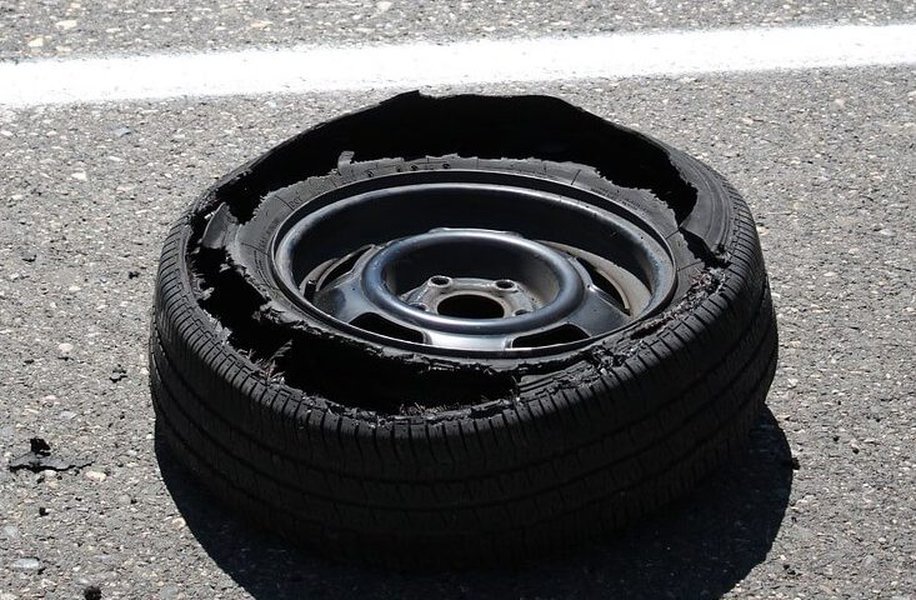
A severely damaged tire after a blowout, highlighting the dangers of neglected tire health.
Planning for Replacement Soon
It's prudent to start budgeting and researching new tires if you notice:
- Tread depth approaching 4/32 inch, especially if you drive in wet conditions.
- Significant or developing uneven wear patterns.
- Tires approaching 6-8 years old, even with decent tread.
- Frequent, unexplained pressure loss issues.
- A noticeable reduction in wet weather performance or overall handling.
Choosing Your Next Set of Tires: Making an Informed Decision
When the time comes to purchase new tires, consider several factors to ensure you select the best option for your vehicle and driving needs.
Matching Your Driving Needs and Environment
- Climate: Do you experience heavy rain, snow, or extreme heat? This will influence whether you need all-season, winter, or performance tires.
- Road Conditions: Do you primarily drive on highways, city streets, or unpaved roads?
- Driving Style: Are you a casual commuter or a spirited driver?
- Vehicle Use: Do you frequently carry heavy loads, tow, or off-road?
Understanding Tire Specifications
Always ensure your new tires match the specifications recommended by your vehicle manufacturer. This information is found on the door jamb placard or in your owner's manual.
- Size: Exact match (e.g., P215/60R16).
- Load Index: Indicates the maximum weight capacity of the tire.
- Speed Rating: Denotes the maximum safe speed for the tire.
- Type: All-season, summer, winter, performance, touring, truck/SUV, etc.
Mismatched tires can compromise handling, safety, and even interfere with advanced vehicle safety systems (like ABS and stability control).
Cost-Saving Strategies and Smart Buying Tips
Replacing tires can be a significant expense, but smart shopping and maintenance can help manage the cost.
Shop Smart and Look for Deals
- Compare Prices: Check various retailers, both brick-and-mortar and online, for competitive pricing.
- Sales Events: Many tire manufacturers and retailers offer sales or rebates throughout the year, especially during spring and fall.
- Bundle Deals: Some shops offer discounts when you purchase a set of four tires, often including installation, balancing, and alignment.
- Warranties: Consider the treadwear warranty. A longer warranty often indicates a more durable tire, providing better long-term value.
Choose the Right Tire for Your Budget and Needs
Don't automatically opt for the most expensive "performance" tires if your driving habits don't warrant them. A good quality, mid-range all-season tire often provides excellent value, safety, and longevity for most drivers.
Affiliate Shopping for Tires: A Modern Approach
Many reputable online tire retailers offer affiliate programs, providing a convenient way to research and purchase tires. When shopping through affiliate links, look for certified sellers who provide genuine products, comprehensive warranties, and professional installation options. This approach can often lead to competitive pricing and access to a wider selection.
Frequently Asked Questions About Tire Replacement
Conclusion: Your Road to Safer Driving Starts with Your Tires
Understanding when to replace car tires is not just about extending their life; it's fundamentally about ensuring your safety and the optimal performance of your vehicle. By regularly checking tread depth, inspecting for visual damage, monitoring tire age, and paying attention to your car's driving dynamics, you can make informed decisions about tire replacement. Remember that proactive maintenance and timely replacement are crucial investments that prevent accidents, improve driving comfort, and save you from more significant repair costs down the line.
Don't wait until you're faced with a dangerous situation or reduced performance. Make tire health a priority. If you're ever in doubt, consult a trusted tire professional. Many shops offer free inspections and can provide tailored advice based on your specific tires, vehicle, and driving habits. Drive smart, stay safe, and enjoy the journey ahead with confidence, knowing your tires are up to the task.
