

Discover how connected car technology and smart driving data can transform your auto insurance costs.
Key Insights into Driving Down Your Premiums
- Telematics is the Game Changer: Software updates lay the groundwork, but it's the telematics systems that use your actual driving data to directly influence your car insurance rates, rewarding safe habits.
- Safety Enhancements Pay Off: Modern software updates improve your vehicle's safety features like automatic emergency braking and lane-keeping assistance. When these prevent accidents, insurers see lower risk, leading to potential savings.
- EV Owners, Take Note: For electric vehicles, software updates are critical for optimizing battery health and charging safety, factors that increasingly influence EV insurance premiums.
In the rapidly evolving world of automotive technology, your car is more than just a mode of transport—it's a sophisticated computer on wheels. This digital transformation is fundamentally reshaping how insurance companies assess risk and, crucially, how much you pay for coverage. While the idea of a software update directly slashing your insurance bill might seem futuristic, the reality is that these updates play a foundational role in enabling technologies like telematics car insurance. These systems leverage good driving data from your car to offer personalized premiums that reward safe habits.
This article will delve into the intricate connection between your vehicle's software, the data it generates, and its potential impact on your car insurance premiums. We'll explore how telematics works, what data is collected, the benefits it offers, and what you need to consider before enrolling. We’ll also cover special considerations for electric vehicle owners and provide practical tips to help you navigate this changing insurance landscape, empowering you to drive smarter and save more.
An illustration depicting the various components and data flows within a telematics system, highlighting its complexity and reach.
The Core of Savings: Understanding Telematics Car Insurance
Telematics insurance, often called Usage-Based Insurance (UBI), is a modern approach to auto coverage that uses technology to monitor your actual driving behavior. Instead of relying solely on traditional factors like your age, credit score, or geographic location, insurers now assess risk based on how you truly drive. This isn't about constant surveillance but about creating a fairer system where safe drivers can pay less. Consumer acceptance of this technology is widening, with over 21 million U.S. policyholders sharing driving data with their insurers, reflecting a growing willingness to embrace this personalized approach.
How Telematics Gathers Your Driving Data
Telematics systems typically collect data through one of three primary methods:
- Smartphone Apps: Many insurers offer dedicated apps that utilize your phone's built-in sensors (GPS, accelerometer) to track driving behavior.
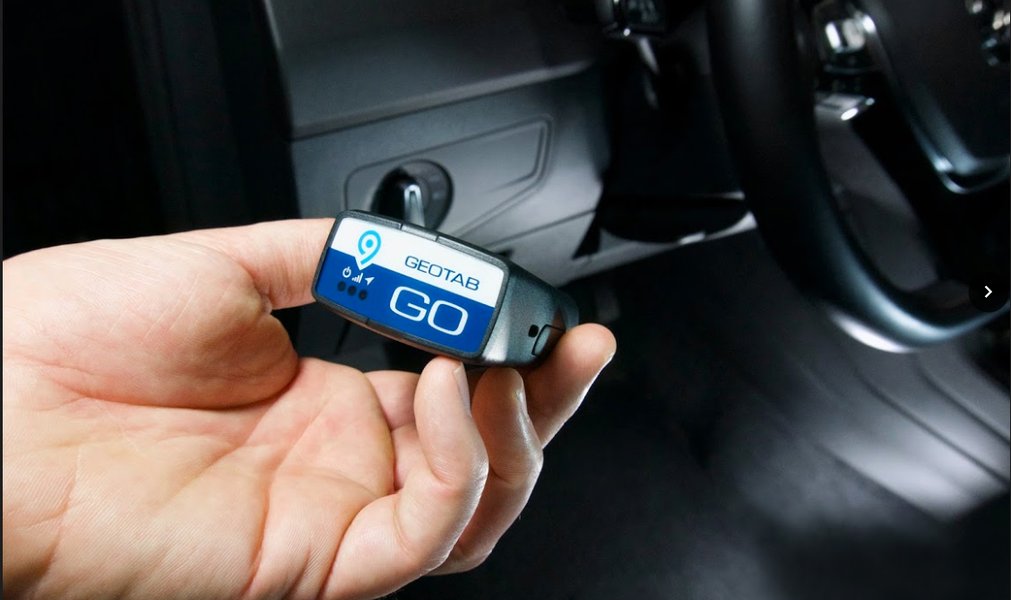
- Plug-in Devices: These small devices connect to your car's On-Board Diagnostics (OBD-II) port, gathering data directly from your vehicle's computer.
- Built-in Vehicle Connectivity: Newer vehicles, especially electric vehicles, often come with integrated telematics systems, allowing insurers to access data directly from the car's manufacturer with your consent.

A visual representation of a typical plug-in telematics device, commonly used for collecting driving data.
What Driving Behaviors Are Monitored?
The specific data points collected can vary by insurer and program, but commonly include:
- Mileage Driven: The total distance you cover. Less driving generally equates to lower risk.
- Speed Patterns: Instances of speeding and overall average speed.
- Braking Habits: Detecting hard braking, which can indicate aggressive or inattentive driving.
- Acceleration Rates: Rapid acceleration can also be a sign of aggressive driving.
- Time of Day You Drive: Driving during late-night hours (e.g., midnight to 4 AM) is often considered higher risk.
- Cornering Behavior: How smoothly you navigate turns.
- Distracted Driving: Some advanced systems can even detect phone usage while the vehicle is in motion.
This comprehensive data allows insurers to build a detailed risk profile specific to you, moving away from broad statistical averages. As one industry quote highlights: "Telematics has transformed commercial fleet insurance from a reactive solution to a proactive strategy. By turning real-time data into actionable insights, fleets can improve driver safety, reduce claims and strengthen their insurance program."
The Pivotal Role of Software Updates in Insurance Savings
While telematics directly tracks your driving, your vehicle's software plays a crucial supporting role. Regular software updates can enhance both your driving experience and your insurance rates in several key ways, primarily by improving safety and data accuracy.
Enhanced Safety Features Through Software
Modern software updates frequently include improvements to your vehicle's Advanced Driver Assistance Systems (ADAS). These are the technologies designed to prevent accidents and mitigate their severity. Examples include:
- Improved automatic emergency braking systems, which can react faster and more effectively.
- Enhanced lane-keeping assistance, helping you stay centered in your lane.
- Better adaptive cruise control, maintaining safe distances from other vehicles.
- Refined collision avoidance systems that warn you of potential hazards.
When these safety systems function more effectively due to software improvements, your likelihood of being involved in an accident decreases. Insurers recognize this reduced risk and often reward it with lower premiums, especially when these safer driving outcomes are captured by telematics systems.
More Accurate Data Collection for Fairer Rates
Software updates can also significantly improve how your vehicle collects and reports driving data to telematics systems. More precise information about your habits allows insurers to make more accurate assessments of your risk profile. This enhanced accuracy benefits safe drivers who might otherwise be grouped with higher-risk individuals based on traditional rating factors. For example, an updated system might better distinguish between a true hard brake and an unavoidable emergency stop, providing a fairer representation of your driving style.
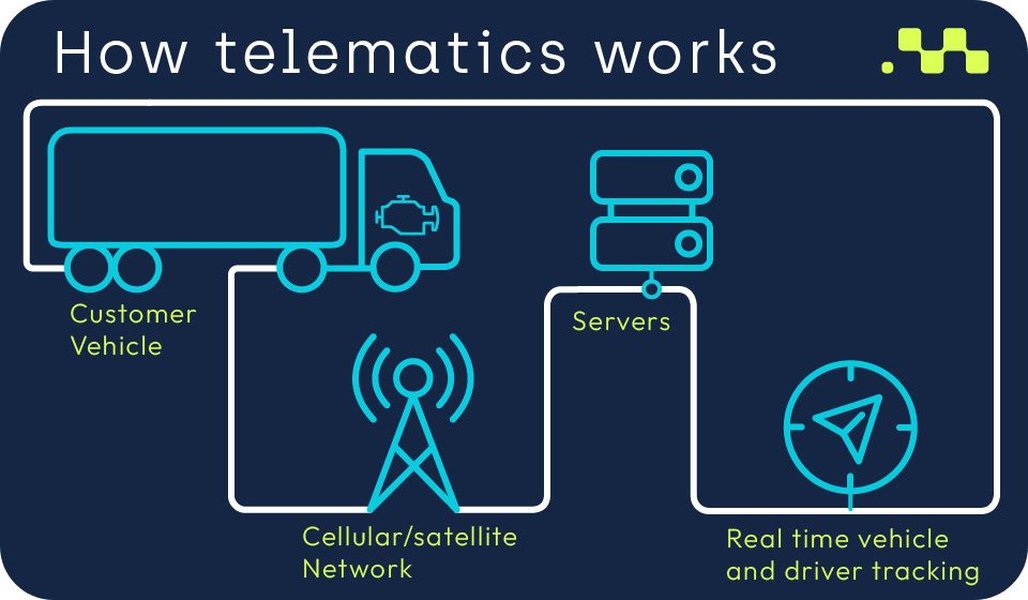
A detailed flow diagram illustrating how telematics data is collected, transmitted, and analyzed.
How Good Driving Data Directly Translates to Savings
The primary benefit of telematics is its ability to offer personalized pricing based on your actual driving behavior. This moves away from a one-size-fits-all model, putting the power to save directly into your hands.
Personalized Premiums and Significant Discounts
Insurers use your telematics score to offer premiums that reflect how you actually drive. If your data consistently shows safe habits—smooth braking, moderate acceleration, limited night driving, and reasonable mileage—you become eligible for personalized discounts. Many programs offer an initial discount just for enrolling, with further savings applied at renewal based on your performance. For instance, some programs offer potential savings ranging from 5-30%, with exceptional drivers potentially saving up to 40%.
Examples of Major Insurers and Their Telematics Programs
Most leading insurance companies now offer some form of usage-based insurance. Here’s a comparison of how some major players approach telematics:
| Insurance Company | Program Name | How It Works | Key Data Monitored | Potential Savings/Benefits | Can Rates Go Up? |
|---|---|---|---|---|---|
| State Farm | Drive Safe & Save | Smartphone app or built-in vehicle connectivity (OnStar, etc.) | Mileage, speed, braking, acceleration, cornering, distracted driving | Up to 30% discount for safe driving, initial discount for enrolling | Typically positioned as discount-focused; check state rules |
| Progressive | Snapshot | Plug-in device or mobile app | Hard braking/acceleration, time of day, mileage, phone use | Average $169 initial savings, potential for up to $322 annually | Yes, risky behavior can trigger a surcharge or reduced discount |
| Geico | DriveEasy | Mobile app tracks driving behavior | Phone distraction, braking/acceleration, cornering, time of day, distance | Varies based on driving score, significant savings for safe drivers | Yes, based on driving score and state rules |
| Allstate | Drivewise / Milewise | Smartphone app or plug-in device; Milewise is pay-per-mile | Speeding, hard braking, time of day, mileage | Up to 40% for safe driving, pay-per-mile options for low-mileage drivers | Drivewise can influence rates; Milewise meters usage |
| Liberty Mutual | RightTrack | Plug-in device or smartphone app | Hard braking/acceleration, time of day, mileage | Initial discount for enrollment, up to 30% at renewal | Can result in smaller discounts for risky driving |
| Nationwide | SmartMiles / SmartRide | Plug-in device or app; SmartMiles is pay-per-mile | Driving behaviors, mileage | Pay-per-mile + behavior discounts, up to 10% enrollment discount | Discounts can shrink after risky driving |
| Tesla Insurance | Safety Score | Built-in vehicle telematics (real-time driving data) | Forward collision warnings, hard braking, aggressive turning, unsafe following, forced Autopilot disengagement | Monthly premiums adjust based on safety score; high scores reduce cost | Yes, monthly price can move up or down with recent behavior |
Note: Potential savings and program specifics vary by individual driving habits, state regulations, and insurer policies. Always check with your insurer for program availability and terms in your area.
Incentivizing Safer Driving Habits
Beyond direct financial savings, telematics programs provide invaluable feedback on your driving. Most apps offer a "driving score" or detailed reports that highlight areas for improvement. This personalized coaching encourages drivers to adopt safer habits, leading to:
- Fewer instances of hard braking and rapid acceleration.
- Reduced speeding.
- Less driving during high-risk periods (e.g., late nights).
This behavioral change contributes to fewer accidents overall, benefiting not just the individual driver but also leading to safer roads for everyone. Fewer claims can potentially stabilize or even lower insurance costs across the board.
EV Owners: Unique Advantages for Lower Premiums
Electric vehicles (EVs) are at the forefront of automotive software integration, which offers distinct advantages for insurance. Since EVs are inherently more software-dependent, regular updates and telematics data collection are even more critical.
Battery Management and Charging Safety
For EV owners, software updates frequently optimize battery performance and charging efficiency. This is crucial because:
- Battery Health: Some insurers consider battery degradation when setting comprehensive coverage rates. Updates that optimize battery management can help maintain your EV's battery health longer.
- Charging Safety: Software updates often improve charging safety protocols, reducing the risk of electrical issues or fires—a significant concern for insurers when underwriting EV policies.

An image illustrating the integration of telematics with electric vehicles, emphasizing data flow for battery management and charging.
Advanced Features and Repair Costs
EVs often lead in autonomous driving technology and advanced safety features, which are heavily reliant on software. Updates that enhance these features can potentially lower risk over time. While EV repairs, particularly for battery packs, can be expensive, telematics data indicating careful driving can help offset these higher potential repair costs by demonstrating lower overall risk. Insurers are becoming more adept at incorporating EV-specific data into their risk models.
Pro Tip: If your EV receives a performance boost via a software upgrade (e.g., increased horsepower), it is considered a modification. You must inform your insurer, as failure to do so could affect your coverage. While not directly lowering premiums, transparency is key to maintaining valid insurance.
This video, "Webinar | Telematics Transforming Vehicle Insurance Future," is highly relevant as it provides an expert perspective on how telematics is reshaping the insurance industry. It delves into new opportunities for insurers and improvements for policyholders, offering a deeper understanding of the technology's impact on future insurance models.
Practical Strategies to Maximize Your Telematics Savings
If you're considering a telematics program or want to improve your current driving score, these practical tips can help you achieve significant savings:
Cultivate Smooth Driving Habits
- Avoid Hard Braking and Rapid Acceleration: These behaviors are major red flags for insurers and can significantly impact your driving score. Look ahead and anticipate traffic to maintain smooth, gradual speed changes.
- Smooth Cornering: Take turns at appropriate speeds, avoiding aggressive maneuvers that telematics systems detect.
Limit Nighttime Driving When Possible
- Many programs view driving between midnight and 4 AM as higher risk due to reduced visibility and increased fatigue. If possible, schedule your driving during daylight hours or less risky times.
Reduce Overall Mileage
- Pay-per-mile programs heavily reward drivers who use their vehicles less. Even in behavior-based programs, lower mileage often correlates with lower risk. Consider combining trips, carpooling, or using alternative transportation.
Keep Your Vehicle's Software Updated
- Regularly update your vehicle's software to ensure safety features operate optimally and that telematics data collection is accurate. This is particularly important for ADAS features that actively prevent accidents.
Review Your Data Regularly and Adapt
- Most telematics apps provide feedback on your driving performance. Use this information to identify areas for improvement and actively adjust your habits. This proactive approach is key to maximizing discounts.
Broader Strategies to Lower Your Car Insurance Premiums
Beyond telematics, several other factors can significantly influence your car insurance rates. Implementing a combination of these strategies can lead to even greater savings.
For All Drivers: Fundamental Savings Strategies
- Maintain a Clean Driving Record: This is arguably the most impactful factor. Avoiding accidents and traffic violations signals lower risk to insurers and can qualify you for significant "good driver" discounts, often ranging from 10-30%.
- Shop Around Frequently: Don't settle for the first quote you receive. Get multiple quotes annually from different providers (e.g., GEICO, Progressive, State Farm, Allstate, Liberty Mutual, Nationwide, USAA). Prices can vary wildly between companies.
- Bundle Policies: Insuring your car and home (or renters insurance) with the same provider often results in substantial multi-policy discounts.
- Increase Your Deductible: Opting for a higher deductible (the amount you pay out-of-pocket before insurance kicks in) typically lowers your monthly or annual premium. Ensure you can comfortably afford the higher deductible if you need to make a claim.
- Maximize Available Discounts: Always ask your insurer about all possible discounts. These can include good student discounts, military discounts, low mileage discounts, anti-theft device discounts, defensive driving course completion, and multi-car discounts.
- Improve Your Credit Score: In many states, a higher credit score is correlated with lower insurance risk and can lead to better rates.
For New Car Buyers: Choosing Wisely
- Choose a Safer Vehicle: Cars with strong safety features, high safety ratings from organizations like the IIHS (Insurance Institute for Highway Safety), and lower theft rates often have lower insurance premiums. Research models known for being affordable to insure.
- Consider Repair Costs: Some vehicles are inherently more expensive to repair due to specialized parts, complex construction, or scarcity of parts. This directly impacts premiums, as insurers factor in potential repair expenses.
For Existing Owners: Ongoing Management
- Reduce Annual Mileage: If your driving habits change (e.g., you start working remotely or carpool more), inform your insurer. Lower annual mileage often means lower risk and potential premium reductions.
- Regularly Review and Update Your Policy: Life changes (marriage, moving, having children) can affect your rates. Keep your insurer informed of any changes to ensure your policy is accurate and you're not missing out on potential discounts.
Privacy and Legal Considerations: What You Need to Know
While telematics programs offer significant potential savings, they also raise important privacy questions. Before enrolling, it's crucial to understand the implications of sharing your driving data.
Understanding Data Privacy Concerns
The collection of detailed driving data necessitates careful consideration of privacy. Key questions to ask include:
- What Data is Collected: Be clear about the specific data points your insurer gathers (e.g., speed, location, phone usage).
- How Long is Data Retained: Understand the insurer's data retention policies.
- Sharing with Third Parties: Clarify whether your data can be shared with third parties (e.g., marketing firms or other data aggregators). Some reports suggest car companies may share driver data with entities like LexisNexis, which then provide reports to insurers.
- Impact on Rates: Understand if poor driving data collected by telematics can actually increase your rates, or if the program is solely for offering discounts.
Most reputable insurers are transparent about their data practices. For example, some companies allow you to correct data if someone else was driving your vehicle. Always read the terms and conditions carefully and consider your comfort level with data sharing.
State-Specific Regulations
Insurance is regulated at the state level in the U.S. This means that telematics program availability, specific terms, data usage policies, and how data can impact rates can vary significantly by state. It's always advisable to consult your state's insurance department website or speak directly with your insurer about local regulations.
Frequently Asked Questions (FAQ)
Conclusion: Drive Smart, Save More
In the digital age, your car's software and your driving habits are intrinsically linked to your insurance premiums. While software updates don't directly cut costs, they are fundamental enablers of telematics car insurance. By keeping your vehicle's systems current, you ensure that safety features operate optimally and that accurate, "good driving data" is generated. This data is what insurers use to offer personalized rates and significant discounts, rewarding you for your safe behavior behind the wheel.
For both new car buyers and existing owners, understanding and actively participating in telematics programs, alongside practicing safe driving habits, is your clearest path to lower car insurance costs. Especially for EV owners, leveraging software updates for battery management and advanced features can unlock unique savings opportunities. Be informed, drive responsibly, and harness the power of technology to make your insurance work for you.
