

Key Insights for Winter EV Driving
- Battery Chemistry Slows Down: Cold temperatures impede the chemical reactions within lithium-ion batteries, reducing their efficiency and power output.
- Heating Demands Are High: Unlike gasoline cars, EVs must generate cabin and battery heat electrically, drawing significant energy directly from the main battery.
- Preconditioning is Critical: Warming your EV's battery and cabin while plugged in uses grid power, preserving your driving range and enhancing charging efficiency.
The Cold Reality: Why EV Range Suffers in Winter
When winter arrives, your electric vehicle faces a dual challenge: its battery becomes less efficient, and the energy demands for keeping you and the battery warm skyrocket. This combination leads to the observed reduction in driving range. Let's break down these factors.
The Science of Cold: Lithium-Ion Batteries Under Stress
At the heart of every EV lies a sophisticated lithium-ion battery pack. While incredibly efficient, these batteries are chemical devices whose performance is inherently sensitive to temperature extremes. When ambient temperatures drop, several critical changes occur within the battery's cells:
Slower Chemical Reactions and Ion Movement
The fundamental principle of a lithium-ion battery involves the movement of lithium ions between a positive electrode (cathode) and a negative electrode (anode) through an electrolyte. This movement constitutes the flow of electrical current. In cold temperatures, the chemical reactions necessary for this process slow down considerably. Think of trying to run through a pool of thick syrup versus clear water; the resistance and effort are much greater. Similarly, the electrolyte itself becomes more viscous, impeding the swift passage of lithium ions. This sluggishness means the battery cannot efficiently release or store energy.
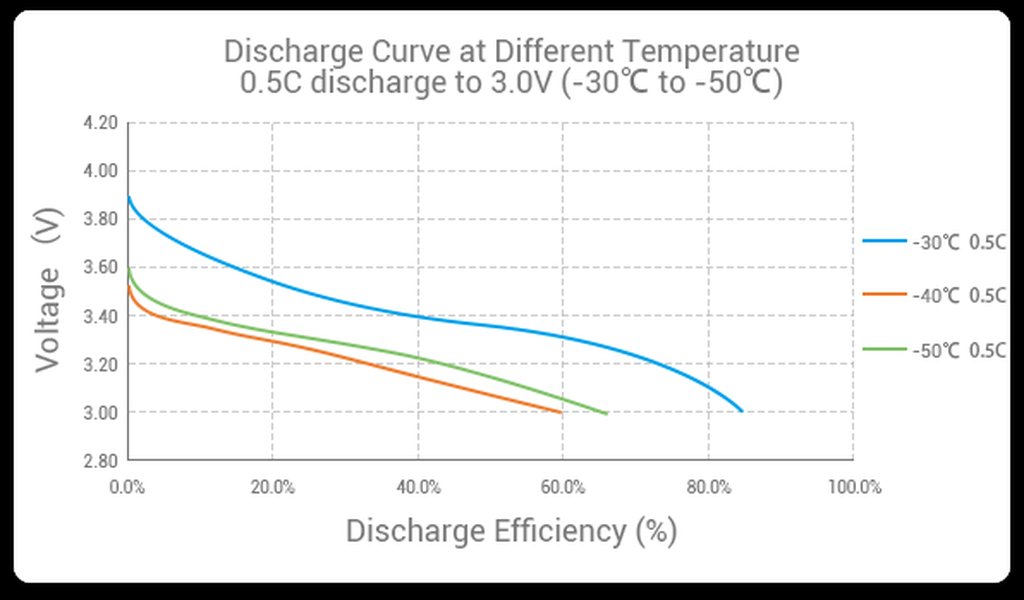
Illustration of lithium-ion battery components and how low temperatures affect ion movement.
Increased Internal Resistance
As ion movement slows, the battery's internal resistance increases. This isn't just a minor inconvenience; it means the battery must exert more effort to deliver the same amount of power. A greater portion of the energy stored in the battery gets converted into heat within the battery itself, rather than being used to propel the vehicle or power accessories. This effectively reduces the usable capacity of the battery and its ability to discharge power quickly, leading to decreased performance and a lower displayed range.
Reduced Regenerative Braking Efficiency
One of the hallmarks of EVs is regenerative braking, which converts kinetic energy back into electrical energy to recharge the battery during deceleration. However, in cold conditions, the battery's ability to accept this incoming charge diminishes. A cold battery is less receptive to high current input, meaning a significant portion of the energy that would normally be recaptured is lost. This directly impacts overall efficiency and contributes to range loss, as the driver relies more on friction brakes.
Risk of Lithium Plating During Charging
Charging lithium-ion batteries at temperatures below freezing (0°C or 32°F) can be particularly detrimental. In very cold conditions, lithium ions can deposit as metallic lithium on the anode surface instead of intercalating into the graphite structure. This phenomenon, known as lithium plating, can lead to permanent damage, reduced battery capacity, and even safety risks. Most modern EVs incorporate sophisticated Battery Management Systems (BMS) to prevent this by limiting charging rates or initiating battery warming when temperatures are too low. This is a key reason why battery preconditioning is so vital.
The Energy Hunger: Heating the Cabin and Battery
Beyond the inherent electrochemical limitations, the biggest culprit for winter range reduction is the increased energy demand for heating.
Cabin Heating: A Major Power Drain
Unlike internal combustion engine (ICE) vehicles that generate abundant waste heat which can be repurposed to warm the cabin, EVs produce very little excess heat during operation. Therefore, to keep occupants comfortable, EVs must actively generate heat using electrical energy from the main battery. Resistive heaters, common in older or more budget-friendly EVs, are essentially large electric coils that generate heat directly. While effective, they are energy-intensive. Newer EVs increasingly feature heat pumps, which are much more efficient, essentially acting like a reverse refrigerator to extract heat from the outside air and transfer it into the cabin. However, even heat pumps see a reduction in efficiency as temperatures plummet towards 0°F, eventually reverting to resistive heating at extreme lows.
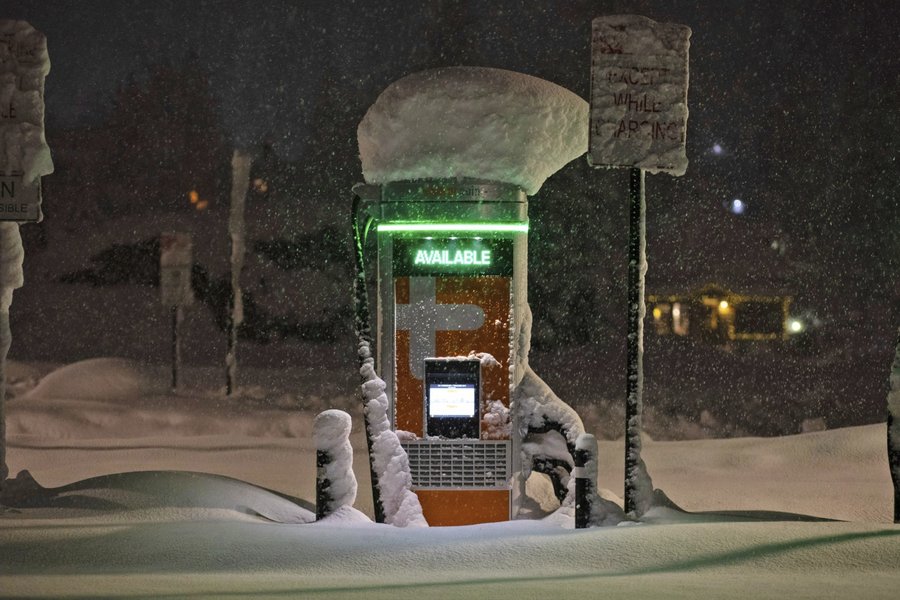
An EV charging in cold weather, highlighting the challenges of maintaining battery temperature.
Battery Thermal Management
For optimal performance, longevity, and safety, lithium-ion batteries need to operate within a specific temperature range, typically between 60°F and 80°F (15°C to 20°C). In cold weather, the vehicle's thermal management system actively warms the battery pack to bring it into this optimal window, especially before or during driving and charging. This process consumes energy directly from the battery, further contributing to range reduction. If the battery is too cold, the car's BMS might also limit power output and regenerative braking to protect the battery, impacting the driving experience.
"Cold weather depletes about 25% of EV driving range, Consumer Reports found when they tested popular EV models last winter. That number rings true for this reporter's compact Kia EV." - C&EN, December 2025
Quantifying the Impact: How Much Range Will You Really Lose?
The exact percentage of range loss varies significantly based on the specific EV model, ambient temperature, driving style, and whether the vehicle is equipped with a heat pump. However, real-world studies and consumer reports provide a general understanding.
Many sources indicate an average range reduction of 15-25% at freezing temperatures, with some vehicles experiencing drops of 30-40% or more in extremely cold conditions (below 20°F / -7°C). Vehicles equipped with heat pumps generally fare better, exhibiting 10-15% less range loss than those with traditional resistive heaters at temperatures above 20°F.
Your Secret Weapon: Mastering Preconditioning
Of all the strategies to combat winter range loss, preconditioning stands out as the most impactful. This intelligent feature directly addresses both the battery's cold-weather performance and the energy drain from cabin heating.
What is Preconditioning and How Does it Work?
Preconditioning is the process of warming your EV's battery and/or cabin to optimal temperatures before you start driving or charging. The key benefit is that when performed while the vehicle is still plugged into a charger, it uses electricity from the grid instead of drawing precious energy from your car's battery. This effectively "front-loads" the energy expenditure for heating, preserving your range for actual driving.
Benefits of Effective Preconditioning:
- Preserves Driving Range: By heating the battery and cabin using external power, you save your stored battery energy for the road. This can significantly reduce the initial range loss typically seen at the start of a cold journey, potentially adding 10-20 miles of effective range.
- Optimizes Battery Performance: A warm battery operates more efficiently. It allows for faster ion movement, lower internal resistance, and improved power delivery.
- Enhances Charging Speed: A preconditioned battery is much more receptive to fast charging. If you're heading to a DC fast charger, preconditioning ensures the battery is at its optimal temperature for maximum charging rates, preventing prolonged charging sessions. Many EVs automatically precondition the battery when a fast charger is set as a destination in the navigation system.
- Extends Battery Lifespan: By keeping the battery within its ideal operating temperature range, preconditioning reduces stress on the cells, mitigating the risk of lithium plating during cold charging and promoting better long-term battery health.
- Instant Comfort: You step into a warm, defrosted car, ready to drive without needing to blast the cabin heater, which is a major energy drain.
"Preconditioning warms the battery using grid electricity instead of your vehicle's stored battery charge. This ensures your battery is at an efficient operating temperature from the moment you unplug and start driving, preventing range loss from self-heating." - Electric Vehicle Insiders
Watch this video to understand the importance of battery preconditioning for optimal EV range in cold weather.
This video demonstrates how battery pre-conditioning can significantly reduce EV range loss in cold weather. It highlights the mechanism by which pre-warming the battery, especially while still plugged into a charging station, helps maintain the battery's optimal operating temperature. This prevents the chemical sluggishness that occurs in cold lithium-ion batteries and reduces the energy drain that would otherwise be needed to warm the battery from its own stored energy. The video visually explains the practical steps and benefits, making it an excellent resource for EV owners looking to maximize their range during winter.
Practical Steps to Precondition Your EV
Most modern EVs offer convenient ways to schedule and activate preconditioning, often through smartphone apps or the in-car infotainment system. Here’s how to make the most of it:
- Schedule Departure Times: Utilize your EV's mobile app or in-car settings to schedule your daily departure times. The vehicle will automatically begin warming the battery and cabin using grid power so it’s ready when you need it.
- Pre-heat Before Fast Charging: If you plan to use a DC fast charger, enter the charging station as your destination in your car’s navigation system. Many EVs will then intelligently begin preconditioning the battery en route to ensure it's at the ideal temperature for the fastest possible charging speed.
- Manual Activation: For impromptu trips, manually activate preconditioning via your smartphone app or the car's touchscreen 20-30 minutes before you plan to depart.
- Always Plugged In: The golden rule of preconditioning: always do it while your EV is plugged into a charger (preferably Level 2 or higher). This ensures you draw power from the electrical grid, not your battery.
Beyond Preconditioning: Maximizing Winter EV Range with Smart Habits
While preconditioning is a powerful tool, it's just one part of a comprehensive strategy. Several other tips, focusing on driving habits, vehicle maintenance, and charging practices, can further help you maintain your EV's range during colder months.
Optimize Cabin Heating and Interior Comfort
Since cabin heating is a major energy consumer, managing it wisely can yield significant range benefits.
- Prioritize Heated Seats and Steering Wheel: These features directly warm the occupants, consuming far less energy than heating the entire cabin volume. Use them as your primary source of warmth and keep the overall cabin temperature setting lower.
- Pre-heat While Plugged In: As mentioned, always warm your cabin while still connected to power. This allows you to start your journey in comfort without immediately draining the battery.
- Dress Warmly: Simple as it sounds, wearing appropriate winter clothing can allow you to set the cabin thermostat a few degrees lower, saving considerable energy.
- Use Eco Mode: Many EVs offer an "Eco" or "Range" driving mode. Activating this often optimizes climate control settings (and other vehicle functions like acceleration) to prioritize energy efficiency.
Smart Driving Techniques for Colder Climates
Your driving style plays a significant role in energy consumption, especially in winter.
- Gentle Acceleration and Braking: Aggressive driving demands more power, reducing efficiency. Smooth acceleration and maximizing the use of regenerative braking (where effective) can help conserve energy.
- Reduce Speed: Aerodynamic drag increases exponentially with speed. Colder, denser air amplifies this effect. Reducing highway speeds, even by a small margin, can lead to noticeable range improvements.
- Plan Routes Wisely: Combine errands to minimize "cold starts" – situations where the battery and cabin need to be reheated from scratch. Plan charging stops, especially for longer journeys, factoring in potential range reductions.
- Park Indoors: If possible, park your EV in a garage or covered area. This shields the battery from extreme cold, helping to maintain a warmer starting temperature and reducing the energy needed for preconditioning.
Charging Strategies for Cold Weather
Charging habits need slight adjustments when temperatures drop.
- Charge Immediately After Driving: Your battery is already warm after a drive, making it more receptive to charging. If you can, plug in shortly after arriving home.
- Maintain a Moderate Charge Level: While lithium-ion batteries are robust, some experts recommend keeping your battery charge between 20-80% for optimal performance and longevity, especially in very cold conditions. Avoid letting it drop too low.
- Avoid Charging Below Freezing Without Pre-warming: As discussed, charging a cold battery (below 32°F/0°C) without proper preconditioning can cause permanent damage due to lithium plating. Modern EVs usually have safeguards, but being aware is crucial.
The Future of EV Winter Performance
Automakers and battery researchers are continuously innovating to improve EV performance in cold weather:
- Advanced Heat Pumps: Manufacturers are developing next-generation heat pump systems that maintain high efficiency at even lower temperatures, reducing the reliance on resistive heaters.
- Improved Battery Chemistry: Research into new electrolyte formulations and solid-state batteries aims to create cells that perform optimally across a wider temperature range, with less sensitivity to cold.
- Smarter Thermal Management: More sophisticated Battery Management Systems (BMS) are being developed to intelligently optimize battery temperature, predict range more accurately in cold conditions, and manage energy flow for maximum efficiency.
- Integrated Solutions: Features like solar roof panels (already seen in some concepts or niche vehicles) could one day contribute to maintaining battery temperature even when parked.
These ongoing advancements promise an even more seamless and efficient EV driving experience in winter in the years to come.
Embracing Winter EV Driving with Confidence
While the physics of cold weather present unique challenges for electric vehicles, these are not insurmountable obstacles. By understanding how low temperatures affect lithium-ion battery chemistry and appreciating the energy demands of heating, EV owners can adopt smart, proactive strategies.
Mastering preconditioning, optimizing cabin heating, practicing efficient driving techniques, and adjusting charging habits are all vital steps. These practices not only minimize winter range loss but also contribute to the long-term health and efficiency of your EV battery.
Remember that all vehicles, including gasoline cars, experience reduced efficiency in cold weather. With the right knowledge and a few adjustments to your routine, your electric vehicle can remain a highly practical, comfortable, and environmentally friendly mode of transport, even when the snow falls and the mercury drops. Drive informed, drive smart, and enjoy your EV all year round!
