

Learn what the code means, how a coil swap can narrow the diagnosis, and when to ask a mechanic for help.
P0302 means your vehicle’s computer has detected a misfire attributed to cylinder 2. It points you toward a cylinder, not a confirmed bad part. A careful diagnosis may include checking the spark plug, swapping an individual ignition coil where the engine design allows it, and testing fuel delivery or compression. Frequent misfires can damage the catalytic converter, so do not ignore an active problem.
What Does P0302 Mean?
- P0302 identifies a misfire attributed to cylinder 2. It does not identify the failed component.
- A coil swap can provide a useful clue: if the misfire moves with the coil, the coil becomes a strong suspect.
- Frequent misfires risk catalytic converter damage. Take an active misfire seriously rather than continuing to drive as normal.
An engine needs its cylinders to contribute power consistently. When cylinder 2 does not fire properly, the engine computer can record P0302. In the Mitsubishi service information, the control module looks for brief changes in engine speed that occur during a misfire. The code describes what the system detected; it does not say whether the spark plug, coil, fuel system, or another part caused it.
Treat the cylinder number as a starting point, not an unquestionable verdict. ALLDATA’s diagnostic team notes that a computer can sometimes flag multiple cylinders when it is uncertain which one is misfiring. That makes it important to confirm the problem before buying parts, especially when several codes appear together.
P0302 vs. P0300 and P0301
These codes all relate to misfires, but they do not point you in exactly the same direction. P0302 names cylinder 2, while P0300 describes a random or multiple-cylinder misfire. P0301 points to cylinder 1. You may see more than one code, so record the complete list rather than focusing on only the first result.
For example, if a misfire remains on cylinder 2 during a coil-swap test, the next step is not automatically to replace the coil. If the misfire instead moves to the cylinder that received that coil, the result gives you a more useful reason to investigate the coil itself. Either way, the codes help guide the diagnosis; they do not replace it.[
| Code | Meaning | Where to begin |
|---|---|---|
| P0300 | Random or multiple-cylinder misfire | Record all codes and confirm which cylinders are misfiring. |
| P0301 | Misfire attributed to cylinder 1 | Investigate cylinder 1 and any related codes. |
| P0302 | Misfire attributed to cylinder 2 | Investigate cylinder 2 without assuming a particular part has failed. |
How to Find Cylinder 2
Check the service information for your exact vehicle before moving anything. Look for a cylinder-numbering diagram that matches the year, make, model, and engine. The number in a trouble code refers to the manufacturer’s cylinder designation, so identifying the correct cylinder matters before you compare parts or interpret a swap test.
For an inline engine, use the applicable diagram to identify cylinder 2 along the row of cylinders. For a V-type engine, use the diagram to identify both the correct bank and the cylinder’s position on that bank. Do not assume that a generic picture, firing order, or another vehicle’s engine shows the right location for yours.
If you cannot confidently identify the cylinder or access its coil, ask a technician to perform the test. A swap only helps if you know where each component started and where you moved it.
How to Diagnose P0302 at Home
Start with a code reader and a record of what it reports. Note P0302 and any other stored codes before clearing anything. If the problem comes and goes, an initial scan may not tell the whole story: Mitsubishi’s diagnostic information recognizes that some misfire faults can be intermittent. A technician may need to reproduce the conditions under which the fault appears.
Next, locate cylinder 2 using the correct engine diagram. With the engine switched off, make a visual check of the accessible ignition components and connectors. Do not disconnect parts while the engine is running. Follow the vehicle’s service instructions, and leave the job to a professional if access or the procedure is unclear.
A spark plug inspection is another diagnostic path. Mitsubishi’s P0302 procedure includes checking the cylinder 2 spark plug. If you remove it, follow the vehicle-specific instructions for removal, inspection, and installation. A code alone does not prove that the plug needs replacement, so use the inspection result and the vehicle’s service requirements rather than guessing.
Important: Do not erase the codes simply to make the warning disappear. Record them first, and use clearing and retesting as part of a diagnosis. If the misfire is intermittent, a code that does not return immediately does not prove the problem is fixed.
The Ignition Coil Swap Test
On an engine with individually interchangeable ignition coils, swapping the cylinder 2 coil with another cylinder’s coil can help separate a suspected coil problem from a problem that stays at cylinder 2. YourMechanic describes this as a commonly used diagnostic approach. The key is to move one suspect part at a time and record both positions.
First, confirm the cylinder numbers and check the service instructions for your engine. With the engine off, move the cylinder 2 coil to a suitable comparison cylinder and place that cylinder’s coil in the cylinder 2 position. Keep the spark plugs in their original positions for this test. Reinstall the components and connectors according to the vehicle’s instructions.
Next, clear the recorded codes as appropriate for the test and see whether the misfire returns. For example, if you moved the cylinder 2 coil to cylinder 1 and the misfire is then reported as P0301, the result points toward the moved coil. Confirm the diagnosis before buying the replacement, particularly if the symptoms or codes do not fit the swap result.
If P0302 returns instead, the swap has not demonstrated that the coil caused the fault. Continue with the plug, fuel, and mechanical checks appropriate to the vehicle. If no code returns, the result can also be inconclusive; an intermittent fault may need further diagnosis. Avoid moving both the plug and coil at once if you want the swap to distinguish between them.
Safety note: Do not keep driving a noticeably misfiring vehicle just to make a code return. Frequent misfires can damage the catalytic converter. If a safe retest is not practical, let a repair shop reproduce and diagnose the fault.
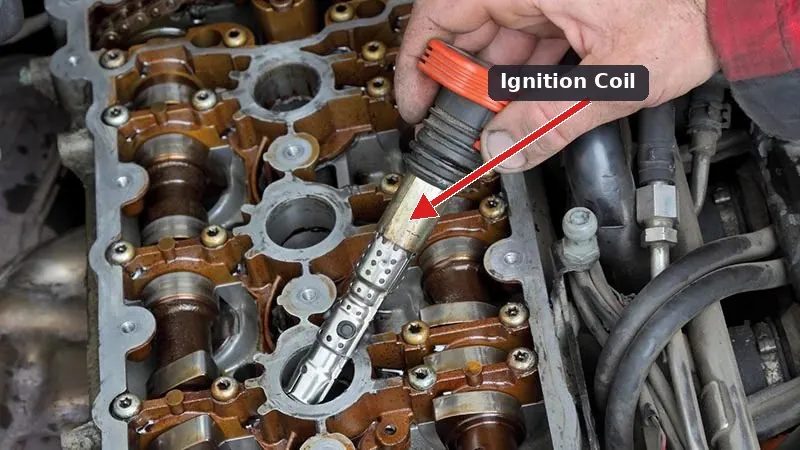 Image unavailable. Open the source below.
OBD-II Code P0302: Cylinder 2 Misfire Detected | Go-Parts.com · www.go-parts.com
Other Causes and Tests a Mechanic May Check
A misfire diagnosis can move beyond the ignition system. ALLDATA recommends checking injector pulse and injector flow when investigating fuel delivery. A restricted injector is one possible issue to investigate, but P0302 alone does not establish an injector fault. The test result should guide the repair rather than an assumption that every injector needs replacement.
Fuel pressure by itself may not answer every question. ALLDATA notes that aerated fuel can appear to show correct pressure on a gauge while not delivering enough fuel to prevent misfires. Its guidance also describes using a test light at injector connectors and checking injector flow. Those tests require suitable equipment and an understanding of the vehicle’s system.
Mechanical condition matters too. Mitsubishi’s P0302 procedure includes a compression check, while ALLDATA describes a running compression test as a way to examine cylinder sealing and how the cylinder breathes. Depending on the result, a technician may investigate mechanical components rather than continue replacing ignition parts.
A useful conversation with a shop starts with the evidence: which cylinder was confirmed to misfire, what happened during any coil swap, and which fuel or compression tests were performed. Ask how the proposed repair connects to those results. That question can help you understand the estimate before authorizing parts or labor.
Driving Risk and Repair Costs
P0302 can range in seriousness according to how often the cylinder misfires. Frequent misfires risk catalytic converter damage, so arrange diagnosis promptly. If the engine is running badly or the warning light is flashing, stop driving when it is safe to do so and seek help rather than treating the car as safe for a normal trip. There is no reliable universal distance you can assume is safe.
The repair bill depends on what testing finds and what the vehicle needs. A diagnostic charge is not the same as a completed repair. For one concrete example, YourMechanic lists a $154.99 charge for its check-engine-light diagnostic service; that is one provider’s listed service price, not a general P0302 repair estimate or a guarantee of what you will pay.
Before approving work, ask for an itemized written estimate that separates diagnosis, parts, and labor. Also ask whether any diagnostic fee is credited toward the repair, what additional testing may cost, and what result would justify replacing the proposed part. Compare quotes only when they cover the same work.
Conclusion
P0302 gives you a place to start: a misfire attributed to cylinder 2. Confirm the cylinder, record all codes, and use evidence from a coil swap or further testing before replacing parts. If the misfire continues, fuel-delivery and compression checks can help a technician find the cause. Address an active misfire promptly to reduce the risk of further damage.
