

Learn how to narrow down the fault, test an ignition coil, and avoid replacing parts you don’t need.
P0301 Code: Cylinder 1 Misfire Detected — Causes and FixP0301 means your car’s engine computer has detected a misfire on cylinder 1. The code tells you where to start looking, not which part to replace. A spark plug, ignition coil, fuel system problem, wiring fault, or mechanical issue may be involved. A careful diagnosis can help you find the cause before you spend money on parts.
P0301 at a Glance: What You Need to Know
P0301 points to cylinder 1, not a particular failed part. Start your diagnosis at that cylinder, but don’t assume the code alone tells you what to replace.
P0300 is different. It describes a random or multiple-cylinder misfire, while P0301 identifies cylinder 1.
Take an active misfire seriously. Some misfire conditions can damage the catalytic converter, so don’t ignore a flashing warning light or a badly running engine.
Think of the code as an address, not a shopping list. It directs your attention to cylinder 1, but it doesn’t tell you whether the spark plug, coil, wiring, fuel supply, or an internal engine component caused the trouble. A manufacturer’s diagnostic procedure includes checking the cylinder 1 spark plug and compression, which shows why there’s more than one possible path to a fix.
Your first job is to note how the car behaves. Does it run roughly at idle, lose performance, or act up only under certain conditions? Write down when you notice the problem and any other codes your scanner finds. Those details give you or your mechanic a better starting point than the code alone.
What Does P0301 Mean, and How Is It Different From P0300?
Your engine computer monitors signals that help it identify misfires. In one Mitsubishi diagnostic description, the computer looks for brief changes in engine speed while the engine runs. When it detects the relevant pattern for cylinder 1, it can store P0301. The exact detection conditions depend on the vehicle, so don’t assume every make uses the same threshold.
P0300 and P0301 can both send you toward misfire diagnosis, but they don’t narrow the search in the same way. P0301 gives you a specific cylinder to investigate. P0300 describes a random or multiple-cylinder misfire. A scan can also show more than one code, so record the full list rather than focusing on the first result.
Note: Cylinder 1’s physical location depends on the engine. Check the owner’s manual or a vehicle-specific service guide before removing a coil or spark plug. Guessing the location can send your diagnosis in the wrong direction.
| Code | Meaning | Where to start |
|---|---|---|
| P0301 | Cylinder 1 misfire detected | Inspect and test the components associated with cylinder 1. |
| P0300 | Random or multiple-cylinder misfire detected | Review all stored codes and symptoms before narrowing the search. |
Possible Causes of a Cylinder 1 Misfire
Spark plug: The cylinder 1 plug is a sensible item to inspect. A worn or damaged plug is a possible cause, but the code doesn’t prove the plug has failed. Mitsubishi’s troubleshooting procedure specifically includes a cylinder 1 spark plug check. If you remove it, compare what you find with the vehicle maker’s service guidance instead of replacing it solely because P0301 appeared[
Ignition coil or electrical connection: A coil can be involved in a misfire, and loose or damaged connections can cause trouble too. On an engine with suitable individual coils, swapping the cylinder 1 coil with another compatible coil can help isolate the problem. A reported case describes a misfire following a swapped coil, but one result doesn’t make the test a guarantee.
Fuel delivery or injector circuit: A fuel issue can also enter the picture. Mitsubishi service information lists incorrect fuel pressure and an open or shorted injector circuit among diagnostic concerns. A shop may need to test the injector and its circuit rather than assuming that an injector is clogged. A P0301 code on its own can’t distinguish a fuel problem from an ignition or mechanical problem.
Compression or valve trouble: If ignition and fuel checks don’t explain the misfire, the engine itself needs attention. A compression check appears in Mitsubishi’s diagnostic procedure. A GM bulletin also describes sticking intake or exhaust valves associated with carbon buildup as a possible cause of misfire codes, including P0301, on the vehicles covered by that bulletin. That doesn’t mean carbon is the cause on every car.
Other clues matter too. A manufacturer’s misfire diagnostic aid lists loose or damaged electrical connections, circuit grounds, and poor fuel quality among conditions linked to misfires. Start with the specific evidence you find on your vehicle rather than treating every possible cause as a reason to buy another part.
How to Diagnose P0301 at Home
1. Read and record the codes. Use an OBD-II scanner and write down every code before clearing anything. If your scanner displays the conditions recorded with a code, save those details too. Note whether the problem appears on a cold start, during acceleration, or in another repeatable situation. A technician can use that information if you need professional help later.
2. Find cylinder 1 and inspect what you can safely see. Use the correct service information for your engine. With the engine off and cool, look for an obviously loose or damaged connector around the cylinder 1 ignition components. Don’t pull on wiring or force a connector. A visible problem deserves attention, but a connector that looks fine doesn’t rule out an electrical fault.
3. Check the spark plug if you have the right tools and instructions. Mitsubishi includes the cylinder 1 plug in its diagnostic sequence. If access is difficult or you’re not comfortable removing it, let a shop perform the check. The goal is to gather evidence about the plug, not to turn a simple inspection into a larger repair.
4. Consider a coil swap. If your engine uses individual, interchangeable coils and the service procedure permits it, you can move the cylinder 1 coil to another cylinder. The next section explains how to interpret the result. This comparison can be useful, but it won’t identify every electrical, fuel, or mechanical fault.
Stop the home diagnosis if the car runs badly, the warning light flashes, or the test requires equipment or skills you don’t have. Arrange a professional diagnosis instead of continuing to drive it just to make a code return. There’s no need to risk further damage to finish a driveway test.
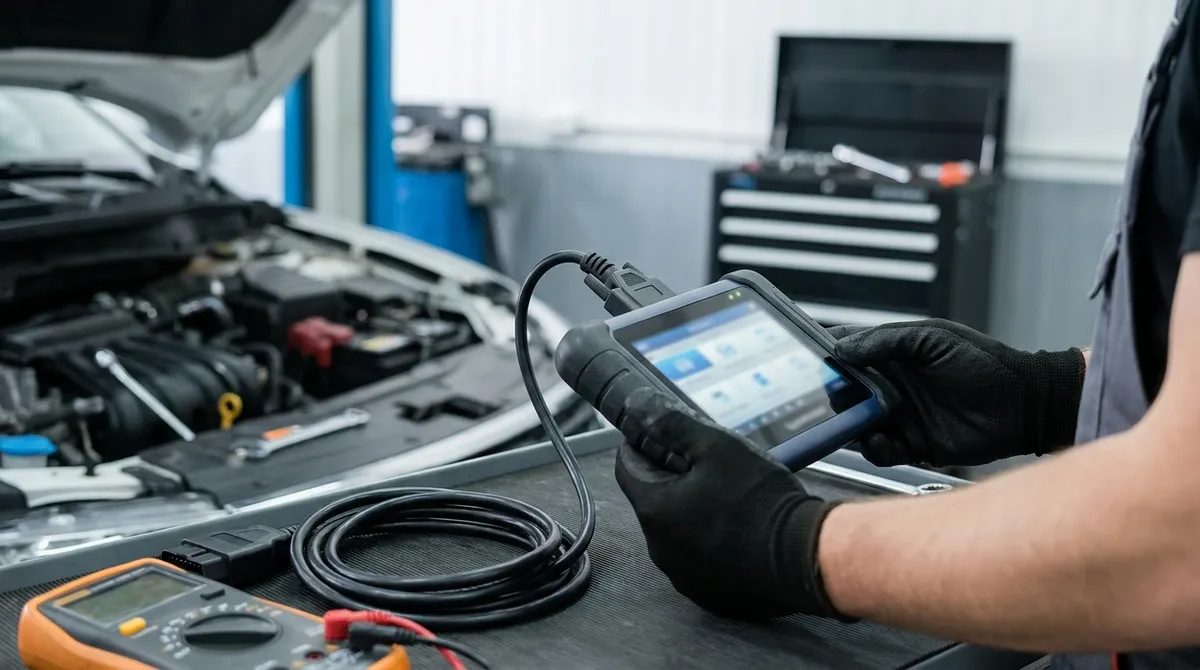 Image unavailable. Open the source below.
P0301 Code: Cylinder 1 Misfire Causes & Fixes · mechai.app
How to Swap an Ignition Coil and Read the Result
First, confirm which cylinder is number 1 and choose a second cylinder with a compatible, individually removable coil. Record the destination cylinder. Turn the engine off, let it cool, and follow the vehicle-specific instructions to exchange the two coils and reconnect them. Don’t try this on a system that doesn’t use interchangeable individual coils, and don’t force parts that don’t fit.
After recording the original codes, clear them with your scanner and check whether a misfire code returns under safe conditions. If the new code identifies the cylinder that received the original cylinder 1 coil, the result points toward that coil. It’s still wise to check the connections you disturbed and confirm the diagnosis before buying a replacement. One reported example describes a misfire following a coil after a swap.
If P0301 returns and the misfire stays on cylinder 1, the swap gives you a reason to look beyond the moved coil. The plug, wiring, fuel system, and compression remain worth investigating. If no code returns, the result is inconclusive: an intermittent problem may not show up during a short check. Don’t keep driving a severely misfiring car to force a result.
Before you clear codes: Save the original information. Clearing can remove useful diagnostic clues, so make a note or take a photo of the scan results first. If you’re unsure about the test or the car feels unsafe, leave the coils in place and take your notes to a mechanic.
Can You Drive With a P0301 Code?
Don’t treat a misfire as something to put off indefinitely. Mitsubishi’s diagnostic information distinguishes some misfire conditions that can damage the three-way catalytic converter from less severe conditions that affect emissions. The code alone doesn’t tell you how much risk remains on your particular car or give you a reliable number of miles you can safely drive.
If the check-engine light flashes, the engine shakes badly, or the car has a significant loss of performance, stop driving when it’s safe and arrange help or a tow. A service bulletin notes that a misfire may come with a flashing or illuminated warning light and reduced performance. A tow may cost money, but it can be a sensible choice when continuing the trip risks further damage.
Even if the light stays on steadily and the car seems drivable, arrange a diagnosis promptly. Some symptoms are intermittent, and a problem that doesn’t feel dramatic on one trip still needs investigation. Tell the shop exactly when the rough running or loss of performance occurred.
Repair Choices and How to Avoid Wasting Money
The right fix depends on the test result. A confirmed faulty coil calls for a different repair from an injector circuit problem or low compression. Ask the shop what it tested, what the result showed, and how that result supports its recommended repair. If it suggests replacing several parts at once, ask why each part needs replacement.
One manufacturer diagnostic aid puts the point plainly: “Multiple components SHOULD NOT be replaced for 1 misfiring cylinder.” That doesn’t mean a car can never have more than one fault. It means a single misfire code is not, by itself, a good reason to replace a collection of parts without identifying the cause.
For a useful estimate, give the shop your vehicle’s year, make, model, and engine, along with the codes and symptoms you recorded. Ask it to separate the diagnostic charge from the proposed parts and labor, and confirm whether further testing may be needed before it can quote the final repair. Compare written estimates on the same work, not just the final totals.
After the repair, ask how the shop will verify it. A diagnostic procedure can include checking whether the trouble code returns, while service guidance stresses proper diagnosis and repair verification. If the misfire was intermittent, explain the original conditions so the technician knows what to check.
Conclusion
P0301 gives you a starting point: cylinder 1. Record the codes and symptoms, inspect what you can safely reach, and use a coil swap only if it suits your engine. If the evidence points elsewhere—or the car runs badly—bring your findings to a mechanic. A diagnosis-first approach gives you a better chance of fixing the misfire without paying for parts you don’t need.
P0401 Code: EGR Insufficient Flow – Diagnosis & Repair : www.agrcars.com
