

Decode the "Engine Coolant Temperature Sensor High Input" issue and safeguard your vehicle from hidden dangers.
Key Insights into the P0118 Code
- Immediate Attention is Crucial: A P0118 code signals that your engine's computer believes the coolant is abnormally cold, leading to significant fuel mixture and cooling system control issues.
- Common Culprits: The most frequent causes are a faulty Engine Coolant Temperature (ECT) sensor itself, an open circuit in its wiring, or poor electrical connections.
- Diagnosis and Repair: A systematic approach involving visual inspection, scan tool data analysis, and multimeter testing can accurately pinpoint the problem, often leading to a straightforward sensor replacement.
The P0118 trouble code, signifying "Engine Coolant Temperature Sensor Circuit High Input," is a diagnostic alert from your vehicle's Engine Control Module (ECM) or Powertrain Control Module (PCM). It indicates that the computer is receiving an abnormally high voltage signal from the Engine Coolant Temperature (ECT) sensor. This high voltage falsely suggests that the engine's coolant is extremely cold—often an implausible reading like -40°F—even when the engine is at operating temperature. This misinterpretation can severely impact engine performance and lead to critical issues, including poor fuel economy, increased emissions, and a heightened risk of engine overheating if not addressed promptly.
Understanding the P0118 code, its symptoms, and effective repair strategies is vital for maintaining your vehicle's health and preventing more severe, costly damage. This comprehensive guide will walk you through everything you need to know to diagnose and fix this common automotive problem, focusing on vehicles popular in the US market like Toyota, Ford, Honda, Chevrolet, Nissan, Dodge, and Jeep.

Typical location of an Engine Coolant Temperature (ECT) sensor.
Understanding the P0118 Code Meaning
When the P0118 code appears, your vehicle's computer has detected a voltage signal from the ECT sensor that exceeds its normal operating parameters. The ECT sensor is essentially a thermistor, a type of resistor whose electrical resistance changes significantly with temperature. As the coolant temperature increases, the sensor's resistance decreases, and conversely, as temperature drops, its resistance rises. The ECM supplies a 5-volt reference voltage to the sensor and monitors the return voltage. A high return voltage indicates high resistance, which the ECM interprets as extremely low coolant temperatures.
This false "cold engine" signal tricks the ECM into enriching the fuel mixture, similar to how a choke works in older carbureted engines. This rich mixture is intended for actual cold starts, but when applied to a warm engine, it leads to inefficient combustion and a host of problems. The ECM also uses ECT sensor data to control ignition timing and, critically, the cooling fans. Incorrect data can disrupt these vital functions, potentially leading to engine damage.
Why P0118 Matters for Engine Health
Driving with a P0118 code unaddressed can have serious repercussions. The engine's computer, receiving inaccurate temperature data, cannot make the precise adjustments needed for optimal operation. This can lead to:
- Reduced Fuel Economy: An overly rich fuel mixture means more gasoline is consumed than necessary.
- Increased Emissions: The rich mixture produces higher levels of harmful pollutants, potentially causing your vehicle to fail emissions testing.
- Catalytic Converter Damage: Prolonged rich operation can send unburned fuel into the exhaust, overheating and severely damaging the expensive catalytic converter.
- Potential Overheating: If the cooling fans are not activated at the proper temperature due to incorrect sensor readings, the engine can overheat, leading to severe damage like warped cylinder heads or a blown head gasket.
- Poor Drivability: Symptoms like rough idling, hesitation, or difficulty starting can make driving unpleasant and potentially unsafe.
Recognizing P0118 Symptoms and Causes
Identifying the signs that accompany a P0118 code is the first step toward effective diagnosis and repair.
Common Driver Symptoms
When your vehicle triggers a P0118 code, you might experience several noticeable symptoms:
- Check Engine Light Illumination: This is almost always the primary indicator.
- Poor Fuel Economy: Due to the enriched fuel mixture.
- Erratic Temperature Gauge Behavior: The dashboard gauge may show abnormally low readings, or not move at all, often sticking at the lowest mark.
- Cooling Fans Running Constantly: The ECM might activate the cooling fans as a failsafe, believing the engine is overheating or operating outside expected parameters.
- Black Exhaust Smoke: A result of unburned fuel in an excessively rich mixture.
- Rough Idle or Hesitation: Especially during cold starts when the engine requires precise temperature data.
- Difficulty Starting: The engine may struggle to start, particularly in colder weather, due to incorrect fuel calculations.
- Strong Fuel Smell: Indicating an overly rich condition.
Most Likely Causes of P0118 (from most to least common)
The P0118 code typically points to an issue within the ECT sensor circuit. Causes are often ranked as follows:
- Faulty Engine Coolant Temperature (ECT) Sensor: This is the most common culprit. The sensor itself can fail internally, leading to a consistently high resistance reading and thus a high voltage signal to the ECM.
- Open Circuit in ECT Sensor Wiring: A broken, corroded, or damaged wire in the ECT sensor circuit can create an open circuit, leading to an infinite resistance reading. The ECM interprets this as extremely cold temperatures and high voltage. This could be due to physical damage, frayed wires, or even rodent damage.
- Damaged or Corroded Connector Pins: The electrical connector leading to the ECT sensor can suffer from corrosion, bent pins, or become loose. This disrupts the signal and can create an open circuit.
- Low Coolant Levels: While less direct, extremely low engine coolant levels can prevent the sensor from accurately reading the actual coolant temperature, potentially leading to incorrect high voltage signals if the sensor is exposed to air rather than coolant.
- Shared 5-Volt Reference Wiring Fault: In some cases, a problem with the shared 5-volt reference circuit (which many sensors use) can cause a fault that the ECM interprets as high voltage from the ECT sensor. This is less common.
- Problem with the Engine Control Module (ECM/PCM): Though rare, a malfunctioning ECM/PCM could misinterpret the ECT sensor's signal or have an internal fault in the reference voltage circuit, leading to a false P0118 code. This should only be considered after all other possibilities have been thoroughly ruled out.

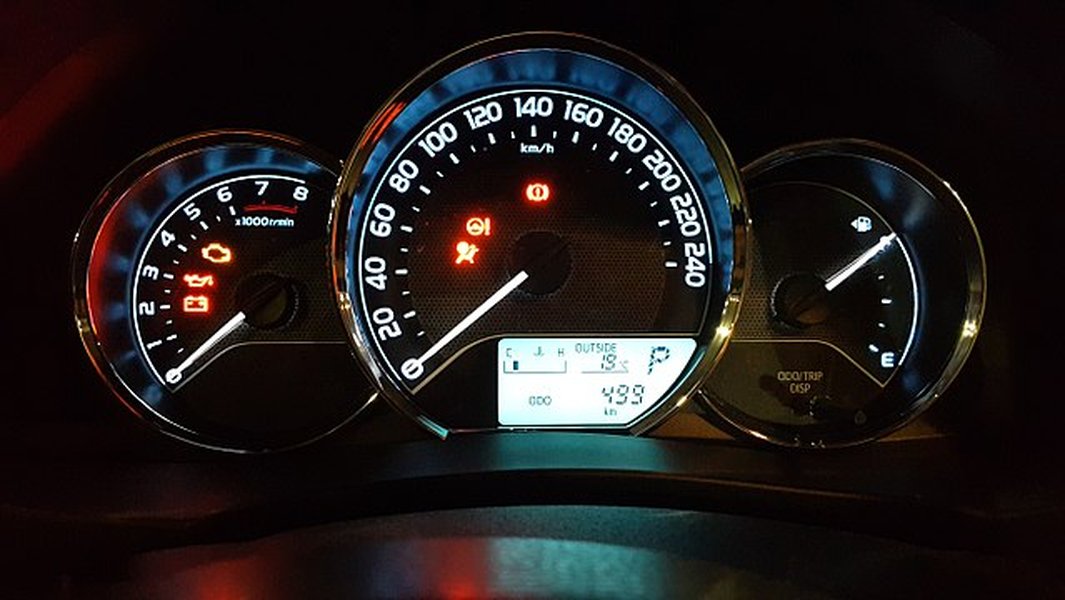
An illuminated Check Engine Light is a common symptom of the P0118 code.
How to Fix P0118 Code: A Comprehensive Diagnosis Guide
Accurately diagnosing the P0118 code requires a systematic approach to pinpoint the exact cause and avoid unnecessary parts replacement. Remember to always work on a cool engine and wear appropriate safety gear.
Step 1: Confirm the Code and Check Related DTCs
Begin by connecting an OBD-II scanner to your vehicle's diagnostic port. Confirm that the P0118 code is present. Also, check for any related codes such as P0115 (ECT Circuit Malfunction), P0116 (ECT Range/Performance), P0117 (ECT Circuit Low Input), or P0128 (Coolant Thermostat - Coolant Temperature Below Thermostat Regulating Temperature). Review the "freeze frame data" from when the code was set, as this provides valuable information about engine conditions at the time of the fault. Many AutoZone locations in the US offer free diagnostic scans if you don't own a scanner.
An OBD-II scanner can read diagnostic trouble codes like P0118.
Step 2: Visual Inspection of the ECT Sensor and Wiring
Perform a thorough visual inspection of the ECT sensor, its wiring harness, and connectors. The ECT sensor is typically found in the engine's coolant passage, often in the cylinder head or near the thermostat housing. Its exact location can vary by vehicle make and model (e.g., Toyota Camry, Ford Focus, Honda CR-V, Chevrolet Silverado, Nissan Altima, Dodge Ram, Jeep Grand Cherokee). Look for:
- Obvious damage, such as frayed, cut, or pinched wires.
- Corrosion or dirt on the sensor connector.
- Loose connections, bent pins, or signs of coolant contamination within the connector.
- Signs of recent work around the sensor area that might have dislodged wiring.
A "wiggle test" on the connector, where you gently move the wiring while monitoring scan tool data, can sometimes reveal intermittent connection issues.
Step 3: Check Coolant Levels and Condition
Ensure the engine coolant reservoir is filled to the appropriate level and that the coolant appears clean, free of debris, oil, or rust. Extremely low coolant levels can prevent the sensor from getting an accurate temperature reading.
Step 4: Test the ECT Sensor Resistance with a Multimeter
This is a critical diagnostic step. The ECT sensor's resistance changes predictably with temperature. You will need a digital multimeter and, ideally, a reference chart for your specific vehicle's ECT sensor resistance values at different temperatures (often found in service manuals or online forums). Always disconnect the battery before performing resistance tests.
- Disconnect the ECT Sensor: Turn off the ignition and disconnect the electrical connector from the ECT sensor itself.
- Measure Sensor Resistance (Cold Engine): Set your multimeter to measure resistance (Ohms, indicated by the Ω symbol). Connect the multimeter probes to the two terminals of the ECT sensor. Record the reading. This reading should be high (typically several thousand ohms) at ambient temperature.
- Measure Sensor Resistance (Warm Engine - if safe): If possible and safe, carefully warm up the engine slightly, then turn it off and quickly re-measure the resistance. A properly functioning ECT sensor will show a significantly lower resistance as the temperature increases.
If the sensor shows extremely high resistance (often an open circuit or infinite resistance), or if the resistance values do not change with temperature as expected, the sensor is likely faulty. A fixed reading of -40°F/-40°C on your scan tool strongly indicates an open circuit in the sensor or its wiring.

Testing the resistance of an ECT sensor with a multimeter.
Step 5: Check for Reference Voltage and Ground
With the ignition key ON and the engine OFF, use your multimeter to check the wiring harness connector that plugs into the ECT sensor. Backprobe the connector pins:
- 5-Volt Reference: There should be a steady 5-volt reference signal from the ECM to one of the connector pins.
- Ground: The other pin should show a good ground connection.
If either the reference voltage or ground is missing or inconsistent, the issue lies in the vehicle's wiring harness or potentially the ECM itself.
Step 6: Monitor Live Data with a Scan Tool
If you have an advanced OBD-II scanner capable of live data streaming, monitor the ECT sensor reading as the engine warms up. Compare it to the Intake Air Temperature (IAT) sensor reading; they should generally move in tandem, especially when the engine is cold. A significantly different or static reading from the ECT sensor (e.g., stuck at -40°F) confirms a problem with the sensor or its circuit.
Step 7: Circuit Testing (Continuity)
If the sensor tests good, but the issue persists, you may need to test the continuity of the wiring. With the battery disconnected and both ends of the circuit (sensor and ECM connector) unplugged, use your multimeter to check for continuity in the signal and ground wires. Look for any open circuits or shorts to power or ground. Repair any damaged wiring as necessary.
Can I Drive With a P0118 Code?
While your vehicle may technically be drivable with a P0118 code, it is generally not recommended to drive for prolonged periods. The ECM often enters a "failsafe" or "limp home" mode, substituting a predetermined cold temperature reading (e.g., 176°F or 80°C) for the missing or inaccurate sensor data. This can lead to:
- Significantly Reduced Fuel Economy: The engine runs a rich fuel mixture, wasting gasoline.
- Increased Emissions: The rich mixture produces higher levels of unburned hydrocarbons and carbon monoxide.
- Premature Catalytic Converter Wear: Excessive unburned fuel entering the exhaust can damage this expensive component.
- Potential Engine Overheating: If the ECM doesn't receive accurate temperature data, it might not activate the cooling fans properly, leading to overheating and severe engine damage.
For short trips to a nearby repair shop, driving might be acceptable. For longer distances, consider having your vehicle towed to prevent potential damage that could far outweigh the towing cost.
Locating and Replacing the ECT Sensor on Common Vehicles
Replacing an Engine Coolant Temperature sensor is often a straightforward DIY task, but exact procedures and locations vary. Always consult your vehicle's service manual for precise instructions.
General Replacement Steps:
- Safety First: Ensure the engine is cool, disconnect the negative battery terminal, and wear appropriate safety gear (gloves, eye protection).
- Locate the Sensor: The ECT sensor is typically threaded into a coolant passage in the cylinder head, engine block, or near the thermostat housing. On many popular US models like the Toyota Corolla/Camry, Ford Focus/Escape, Honda Civic/Accord, Chevrolet Cruze/Malibu/Silverado, Nissan Sentra/Altima, and Dodge/Jeep models, it's often found near the upper radiator hose connection to the engine or on a plastic coolant outlet.
- Drain Some Coolant (if necessary): Depending on the sensor's location, you may need to partially drain the cooling system to prevent excessive coolant spillage when removing the sensor. Have a drain pan ready.
- Disconnect Electrical Connector: Carefully unclip or twist to remove the wiring harness connector from the sensor.
- Remove the Old Sensor: Use an appropriately sized wrench or deep socket to unscrew the old sensor. Be prepared for a small amount of coolant to leak out.
- Install the New Sensor: Apply thread sealant or thread tape if recommended by the manufacturer and if it's not pre-applied to the new sensor. Thread the new sensor in by hand to avoid cross-threading, then tighten it to the manufacturer's specified torque. Do not overtighten.
- Reconnect: Plug the electrical connector back onto the new sensor.
- Refill and Bleed Coolant: If coolant was drained, refill the system with the correct type and amount of coolant. Bleed any air from the cooling system according to your vehicle's specific procedure (often involves running the engine with the heater on high and the radiator cap off, topping off as needed).
- Clear the Code: Use your OBD-II scanner to clear the P0118 code. The ECM will relearn new sensor values once the engine warms up.

A mechanic preparing to work on an engine coolant temperature sensor.
Related Diagnostic Trouble Codes to Check
When diagnosing a P0118 code, it's beneficial to be aware of other related codes that might appear or provide additional clues about your cooling system's health. These often point to similar issues within the engine's temperature monitoring circuit:
- P0115: Engine Coolant Temperature Sensor Circuit Malfunction
- P0116: Engine Coolant Temperature Sensor Circuit Range/Performance Problem
- P0117: Engine Coolant Temperature Sensor Circuit Low Input
- P0119: Engine Coolant Temperature Sensor Circuit Intermittent
- P0128: Coolant Thermostat (Coolant Temperature Below Thermostat Regulating Temperature) - This code indicates low coolant temperature, often due to a faulty thermostat stuck open, which is different from P0118's high input circuit issue but still related to engine temperature.
Frequently Asked Questions (FAQ) about P0118 ECT Sensor
Conclusion
The P0118 code, while indicating a seemingly simple issue with the Engine Coolant Temperature sensor, can have significant consequences for your vehicle's performance, fuel economy, emissions, and long-term engine health. Prompt diagnosis and repair are essential to prevent potential engine overheating, catalytic converter damage, and costly future repairs. By following the detailed diagnostic steps and understanding the common causes, you can confidently address this issue, whether you choose to tackle it yourself or seek professional assistance. Maintaining a functional ECT sensor ensures your engine's computer receives accurate temperature data, allowing it to precisely control critical engine functions and keep your vehicle running efficiently and reliably.
Recommended Further Reading
- Cracking the P0520 Oil Pressure Code: Your Engine's Silent Warning
- Unveiling the P0AA6 Isolation Fault: Your EV's Critical Safety Signal
- P0606: ECM/PCM Processor Fault – Is Your Car Computer Fried?
- P0101: Decode and Fix Your Mass Air Flow (MAF) Sensor Circuit Range Issue
