

Don't let a "Check Engine" light intimidate you – a P0455 code is often a simple fix!
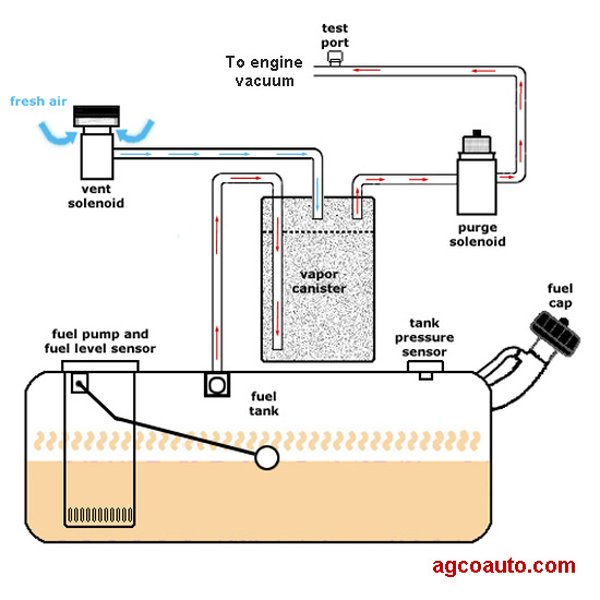
Understanding your vehicle's EVAP system is key to diagnosing the P0455 code.
Has your "Check Engine" light recently illuminated, leading to a scan that revealed the P0455 code? Don't panic! While seeing a trouble code can be concerning, the P0455 code, which signals an "Evaporative Emission System Large Leak Detected," is often one of the simpler and more affordable issues to resolve on your vehicle. This comprehensive guide will equip you with the knowledge to understand, diagnose, and potentially fix this common automotive problem, saving you time and money.
What Exactly is the P0455 Code?
The P0455 code is a generic OBD-II (On-Board Diagnostics II) powertrain diagnostic trouble code. It means your car's Engine Control Module (ECM) or Powertrain Control Module (PCM) has detected a significant leak in the Evaporative Emission Control (EVAP) system. This isn't just any leak; the system has identified an opening large enough that it cannot maintain the necessary pressure or vacuum during its self-tests. This "large leak" typically corresponds to a hole equivalent to 0.080 inches (about 2 mm) or larger in diameter.
“A P0455 code signifies a notable breach in your EVAP system, distinct from smaller leaks that trigger codes like P0442 or P0456.”
Unlike some engine codes that immediately impact drivability, the P0455 usually doesn't cause noticeable performance issues. However, it's crucial to address it promptly for several reasons: it will cause your vehicle to fail emissions tests, can lead to reduced fuel efficiency over time, and contributes to environmental pollution by releasing harmful gasoline vapors into the atmosphere.
Understanding Your Vehicle's EVAP System
The Critical Role of Vapor Control
The EVAP system is an environmental safeguard designed to capture and store fuel vapors from your gas tank, preventing them from escaping into the atmosphere. Gasoline naturally evaporates, especially when the fuel is warm or during refueling. Without a functioning EVAP system, these vapors would simply vent into the air, contributing to smog and air pollution.

The EVAP system captures harmful gasoline vapors, routing them to the engine for combustion.
Here’s a breakdown of how the system typically operates:
- Vapor Storage: Fuel vapors from the gas tank are routed to a charcoal canister, which is filled with activated charcoal designed to absorb and store these hydrocarbon vapors.
- Purging: When your engine is operating under specific conditions (e.g., warmed up and cruising), a purge valve opens. This valve allows the stored vapors from the charcoal canister to be drawn into the engine's intake manifold and burned as part of the normal combustion process. This not only prevents pollution but also slightly boosts fuel economy.
- Ventilation: A vent valve allows fresh air into the system during purging and opens to release pressure or vacuum when the tank is being refilled. It seals the system during diagnostic tests.
- Sealing: When the system is not actively purging or venting, it remains sealed to prevent any vapors from escaping.
How the ECM Detects a Leak
Your vehicle's computer continuously monitors the EVAP system. During scheduled self-tests, the ECM seals the system by closing both the purge and vent valves. It then creates either a vacuum or pressure within the system and monitors the fuel tank pressure sensor for changes. If the pressure drops too rapidly, or a vacuum cannot be maintained, the ECM interprets this as a "large leak" and triggers the P0455 code, illuminating your check engine light.
Important Note: While a P0455 code might not cause immediate drivability issues, ignoring it can lead to failed emissions tests, a noticeable smell of gasoline, and reduced fuel efficiency. Address it promptly.
Most Common Culprits Behind a P0455 Code
Based on extensive repair data, the P0455 code often stems from a surprisingly simple issue. Here are the most frequent causes, ranked by commonality:
1. Loose, Damaged, or Missing Gas Cap (The #1 Offender)
This is by far the most common cause, accounting for a significant percentage of P0455 codes—often 40% to 60%. The gas cap provides the primary seal for your fuel tank and, consequently, a critical part of the EVAP system. If it's not tightened properly, if its rubber seal is cracked, worn, or missing, or if the cap itself is damaged, it creates a direct and large opening for fuel vapors to escape, triggering the code.
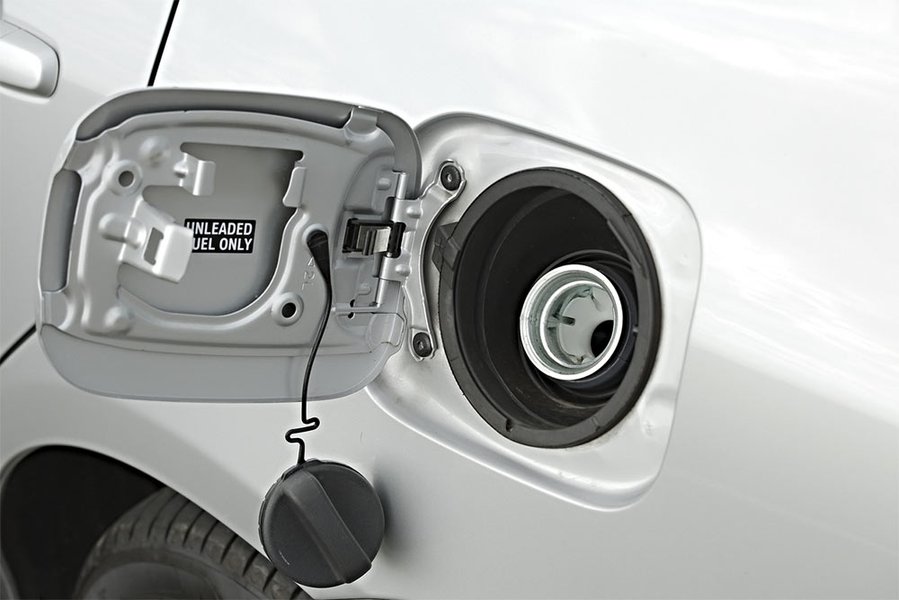
A loose or damaged gas cap is the most frequent cause of a P0455 code.
2. Cracked or Disconnected EVAP Hoses
Over time, the rubber and plastic hoses that connect various EVAP components can degrade. Exposure to heat, chemicals, and vibration can cause them to become brittle, crack, split, or even disconnect from their fittings. A disconnected or significantly cracked hose creates a substantial leak path for vapors.
3. Faulty Purge Valve (Purge Solenoid)
Located in the engine bay, the purge valve controls the flow of vapors from the charcoal canister to the engine. If this valve gets stuck in an open position, it creates a constant leak path from the atmosphere into the intake manifold or vice-versa, preventing the EVAP system from sealing during its diagnostic tests.
4. Faulty Vent Valve (Vent Solenoid)
Often found near the charcoal canister, the vent valve controls the flow of fresh air into and out of the EVAP system. If this valve fails and remains stuck open, the system cannot be properly sealed for diagnostic testing, leading to a P0455 code.
5. Damaged Charcoal Canister
The charcoal canister itself can be a source of a large leak. Physical damage from road debris, impacts, or even overfilling your fuel tank (which can saturate the charcoal with liquid fuel, causing it to swell and crack the canister) can compromise its integrity.
6. Damaged Fuel Filler Neck
The pipe connecting your gas cap to the fuel tank can rust, corrode, or crack, especially in older vehicles or those in regions that use road salt. This damage creates an opening that mimics a loose gas cap, causing a large leak.
7. Faulty Fuel Tank Pressure Sensor
While less common as a direct cause of a "large leak," a malfunctioning fuel tank pressure sensor can send incorrect readings to the ECM, making the computer believe there's a leak when the system is actually sealed. This is particularly noted in some Honda models.
8. Natural Vacuum Leak Detection (NVLD) System Failure
Certain vehicle manufacturers, notably Chrysler, Dodge, and Jeep, utilize an NVLD module. If this module itself fails, it can incorrectly trigger a P0455 code, even if no actual physical leak exists in the EVAP system.
Recognizing the Symptoms of a P0455 Code
While the P0455 code rarely presents with dramatic driving symptoms, there are a few tell-tale signs to look for:
- Check Engine Light: This is the most definite and primary indicator.
- Fuel Odor: You might notice a distinct smell of gasoline, especially near the rear of your vehicle, after refueling, or when the car is parked. This is because vapors are directly escaping into the atmosphere.
- Failed Emissions Test: As mentioned, any active check engine light, including P0455, will result in an automatic failure of emissions testing in most jurisdictions.
- Slightly Reduced Fuel Economy: While not always immediately noticeable, if your EVAP system isn't capturing and burning fuel vapors, that energy is lost, potentially leading to a subtle decrease in fuel efficiency over time.
Safety Warning: If you experience a strong, persistent gasoline odor or observe liquid fuel leaking from your vehicle, have it inspected by a professional immediately. These situations can pose a fire hazard.
DIY Diagnostic Steps: Finding the Leak at Home
Many P0455 codes can be diagnosed and resolved with basic tools and a methodical approach. Start with the simplest and most common culprits first.
Step 1: The Gas Cap Inspection (Always Start Here!)
Given that the gas cap is the leading cause, this should be your first point of investigation.
- Remove and Inspect: Take off your gas cap. Carefully examine the rubber gasket or seal for any signs of cracks, tears, flattening, or unusual wear. Also, check the cap itself for any damage.
- Clean: Wipe away any dirt, debris, or fuel residue from both the gas cap and the fuel filler neck opening. Ensure the sealing surfaces are clean.
- Re-tighten: Screw the gas cap back on until it clicks firmly at least three times. This ensures a proper seal.
- Clear the Code: Use an OBD-II scanner to clear the P0455 code. If you don't own one, many auto parts stores offer free code scanning and clearing services.
- Drive and Observe: Drive your vehicle for several "drive cycles." A drive cycle typically involves starting the car when cold, driving for a period (including highway and city speeds), and turning it off. This allows the ECM to re-run its EVAP system tests. If the check engine light stays off, your gas cap was likely the issue! If the seal looks worn, consider replacing the gas cap entirely.

Ensuring your gas cap is in good condition and tightened correctly is the easiest and most common fix.
Step 2: Thorough Visual Inspection of EVAP Components
If the gas cap wasn't the fix, proceed with a visual inspection of the EVAP system components. Ensure the engine is cool before starting.
- Locate Components: The EVAP system spans from your fuel tank to the engine bay. Identify the charcoal canister (often located under the vehicle near the fuel tank), the purge valve (usually in the engine compartment, connected to the intake manifold), and the vent valve (typically near the charcoal canister).
- Inspect Hoses and Lines: Carefully trace all visible EVAP hoses and lines. Look for obvious signs of damage:
- Cracks or Splits: Particularly in older rubber hoses that can become brittle.
- Disconnections: Hoses can pop off their fittings due to vibration or age.
- Rub Marks: Areas where hoses might have rubbed against other components, wearing a hole.
- Loose Clamps: Ensure all hose clamps are secure.
- Examine Fuel Filler Neck: Inspect the entire fuel filler neck for rust, corrosion, dents, or cracks. On vehicles with capless fuel systems (like some Fords), inspect the internal flap mechanisms for debris or damage that prevents a proper seal.
- Check Canister: Visually inspect the charcoal canister for any physical cracks, holes, or signs of impact damage.
- Electrical Connections: Ensure all electrical connectors to the purge and vent valves are secure and free from corrosion.
Step 3: Basic Component Testing (If Comfortable)
For those comfortable with basic automotive checks, you can further investigate specific components:
- Purge Valve Check: With the engine idling, you can often feel or hear a rhythmic clicking from the purge valve if it's functioning. You can also use a vacuum gauge or, with an OBD-II scanner capable of bidirectional control, command the valve open and closed to see if it responds. A stuck-open purge valve will often create a vacuum leak sound.
- Listen for Hissing: With the engine off and the area quiet, listen carefully for any hissing sounds around the fuel tank, charcoal canister, or engine bay. A continuous hiss indicates an active leak.
Safety Note: Always work in a well-ventilated area when dealing with fuel system components. Never smoke or work near open flames. If working under the vehicle, always use jack stands on a level surface.
Why P0455 is Often an Easy and Cheap Fix
Compared to many other diagnostic trouble codes that might indicate severe engine or transmission problems, the P0455 code stands out as often being a relatively easy and inexpensive repair. There are several reasons for this:
- Simplicity of the Most Common Cause: The sheer frequency of a loose or faulty gas cap being the culprit means a free (tightening) or very cheap (new cap) fix is often all that's needed.
- Accessibility of Components: Many of the EVAP components prone to failure (hoses, purge valve) are often accessible without extensive disassembly of the vehicle, making diagnosis and replacement less labor-intensive.
- Clear Diagnostics with Specialized Tools: While a visual inspection covers many common issues, for more elusive leaks, professional smoke testing is highly effective and relatively affordable. This method quickly pinpoints the exact leak location, preventing costly guesswork.
In many cases, an accurate diagnosis can lead to a repair completed in under an hour, keeping total costs significantly lower than more complex automotive issues.
Realistic Repair Costs for P0455 Code
The cost to fix a P0455 code can vary widely depending on what's causing the leak and whether you do it yourself or hire a professional. Below is a table outlining typical repair cost ranges, including parts and estimated labor time.
| Repair Item | Parts Cost | Labor Time (Estimated) | Total Estimate (DIY to Shop) |
|---|---|---|---|
| Gas cap replacement | $10 – $35 | 5 – 10 minutes | $20 – $60 |
| EVAP hose replacement | $5 – $30 | 0.5 – 1 hour | $75 – $180 |
| Purge valve replacement | $40 – $120 | 1 – 1.5 hours | $140 – $300 |
| Vent valve replacement | $40 – $150 | 0.75 – 1.5 hours | $160 – $350 |
| Charcoal canister replacement | $120 – $350 | 0.75 – 1.5 hours | $250 – $600 |
| Fuel filler neck replacement | $80 – $250 | 1 – 2 hours | $200 – $500 |
| Fuel tank pressure sensor | $50 – $150 | 1 – 2 hours | $180 – $400 |
| NVLD module (Chrysler/Dodge/Jeep) | $100 – $200 | Varies (often 1-2 hours) | $200 – $400+ |
| Professional smoke test diagnostic | N/A | 0.5 – 1 hour | $60 – $150 |
Cost Saving Tip: Since the gas cap is the most common and least expensive fix, always start there before considering more complex or costly repairs. A diagnostic smoke test, if needed, can prevent unnecessary part replacements.
When to Seek Professional Help
While many P0455 issues are DIY-friendly, there are situations where professional assistance is recommended:
- You've performed the basic checks, replaced the gas cap, and visually inspected hoses, but the code keeps returning.
- You're uncomfortable working on fuel system components due to safety concerns or lack of experience.
- You lack the necessary tools (like an OBD-II scanner or specialized EVAP testing equipment).
- The leak is not visible, suggesting a hidden issue that requires advanced diagnostics.
A professional mechanic will likely employ a smoke machine. This device injects a non-flammable smoke into the sealed EVAP system. The smoke then escapes from the leak point, making it visible and easy to pinpoint, even for tiny or hard-to-reach leaks.
Vehicle-Specific Considerations for P0455
While P0455 is a generic code, certain vehicle manufacturers have common specific issues:
- Ford/Lincoln: Many models with capless fuel filler systems (Easy Fuel) can experience issues if the internal seal gets clogged with debris or if the filler neck corrodes.
- Chrysler/Dodge/Jeep: These vehicles frequently encounter problems with their unique Natural Vacuum Leak Detection (NVLD) module, which can trigger the code even without a physical leak.
- Honda/Acura: Common issues include failures of the fuel tank pressure sensor or two-way valve problems.
- GM (Chevrolet/GMC/Buick/Cadillac): Stuck vent valves or clogged vent filters near the charcoal canister are often observed.
- European Vehicles (VW/Audi/BMW): May have more complex vacuum systems prone to purge valve diaphragm failures or loose connections in less accessible areas.
Prevention Tips for Avoiding P0455
A few simple practices can significantly reduce your chances of encountering a P0455 code:
- Always Tighten Your Gas Cap: After every refueling, ensure your gas cap clicks at least three times to create a secure seal. For capless systems, ensure the filler area is clean and free of debris.
- Avoid "Topping Off": When the fuel pump clicks off, resist the urge to add more fuel. Overfilling can push liquid fuel into the charcoal canister, damaging it and leading to leaks or blockages.
- Replace Your Gas Cap Periodically: The rubber seal on gas caps can harden and crack over time. Consider replacing your gas cap every 4-5 years as a preventive measure.
- Regular Visual Inspections: During routine oil changes or maintenance, quickly inspect visible EVAP hoses for any signs of cracking, brittleness, or disconnections.
- Address Smaller EVAP Codes: If you receive a P0442 (small leak) or P0456 (very small leak) code, address it promptly. Small leaks can often worsen and eventually trigger a P0455 code if ignored.
Frequently Asked Questions
Conclusion: Empowering You to Tackle the P0455 Code
The P0455 code, signaling a large leak in your EVAP system, might initially seem daunting. However, armed with the knowledge from this guide, you now understand that it's often one of the simplest and most cost-effective automotive issues to resolve. By methodically checking your gas cap, visually inspecting hoses, and understanding the core components of your EVAP system, you can frequently diagnose and fix the problem yourself.
Remember that addressing this code is not just about turning off a light on your dashboard; it's about maintaining your vehicle's fuel efficiency, protecting the environment from harmful emissions, and ensuring it passes necessary inspections. Don't let a P0455 code linger – take the steps to resolve it and keep your vehicle running cleanly and efficiently.
