

Fix Hesitating Acceleration and Limp Mode with this Complete Diagnostic and Repair Guide for Your Vehicle's Throttle Position Sensor.

Key Insights into the P0121 Code
- P0121 indicates a problem with the Throttle Position Sensor (TPS) circuit, signaling incorrect voltage readings from your vehicle's throttle, leading to issues like hesitant acceleration or unexpected limp mode.
- Common causes range from easily fixable dirty throttle bodies to faulty TPS sensors or wiring issues, making proper diagnosis crucial before attempting repairs to avoid unnecessary part replacements.
- Resolving a P0121 code often requires cleaning the throttle body, replacing the TPS, or repairing wiring, and typically involves a throttle relearn procedure to restore your engine's optimal performance and ensure safe driving.
The P0121 code points to a specific issue within your vehicle's engine management system: a "Throttle/Pedal Position Sensor 'A' Circuit Range/Performance Problem." This diagnostic trouble code (DTC) means your car's computer has detected an irregular voltage signal from the Throttle Position Sensor (TPS), which is responsible for monitoring the throttle plate's position. This often manifests as noticeable hesitation during acceleration, erratic idling, or the activation of your vehicle's reduced power or "limp" mode, significantly impacting drivability.
Understanding and addressing the P0121 TPS sensor code promptly is essential not only for restoring your vehicle's performance but also for ensuring safe operation. This comprehensive guide will delve into what the P0121 code means, its common symptoms, underlying causes, step-by-step diagnostic procedures, potential repair costs, and crucial post-repair steps like throttle relearn procedures, all tailored for drivers in the US.
Understanding Your Throttle Position Sensor and the P0121 Code
What Does the P0121 Code Truly Signify?
The P0121 code specifically refers to a condition where the Powertrain Control Module (PCM) or Engine Control Module (ECM) — your car's brain — identifies that the electrical signal from "Throttle Position Sensor 'A'" is either outside its expected voltage range or is not performing as anticipated relative to other engine parameters. This sensor is fundamental to how your vehicle meters air into the engine.
How the Throttle Position Sensor Operates
The Throttle Position Sensor (TPS) is a small but vital component, typically mounted directly on the throttle body. Its primary function is to continuously monitor the precise angle of the throttle plate. When you press the accelerator pedal, the throttle plate opens, allowing more air into the engine. The TPS translates this physical movement into an electrical voltage signal, which it sends to the ECM.
In most vehicles, this voltage signal typically ranges from approximately 0.5 volts at a closed throttle (idle) to about 4.5 volts at a wide-open throttle. The ECM uses this crucial information, along with data from other sensors like the Mass Air Flow (MAF) and Manifold Absolute Pressure (MAP) sensors, to calculate the optimal air-fuel mixture and ignition timing. This precise calibration ensures your engine runs efficiently and responds accurately to your input.
The Throttle Position Sensor is a key component for engine performance.
Recognizing the Red Flags: Common P0121 Symptoms
What Your Vehicle is Telling You When the P0121 Code Appears
When your vehicle's Throttle Position Sensor begins to malfunction or reports erratic data, you'll likely experience a range of noticeable symptoms that directly impact driveability. Recognizing these signs early can help you diagnose the problem before it escalates.
Hesitating or Sluggish Acceleration
One of the most frequently reported symptoms is a noticeable delay or "stumbling" when you press the accelerator pedal. Your car might feel sluggish, failing to respond immediately or surge forward unexpectedly. This occurs because the ECM isn't receiving accurate throttle position data, leading to incorrect fuel delivery and timing adjustments. This can be particularly alarming when merging onto busy US highways or attempting to pass other vehicles.
Limp Mode Activation
To protect your engine from potential damage when critical sensor data is unreliable, the ECM may activate "limp mode" (also known as "fail-safe mode" or "reduced power mode"). In this state, your vehicle's engine power and speed are severely limited, often capping acceleration at around 25-35 mph. You might find it difficult to maintain speed or even keep up with city traffic, making driving both frustrating and potentially hazardous.
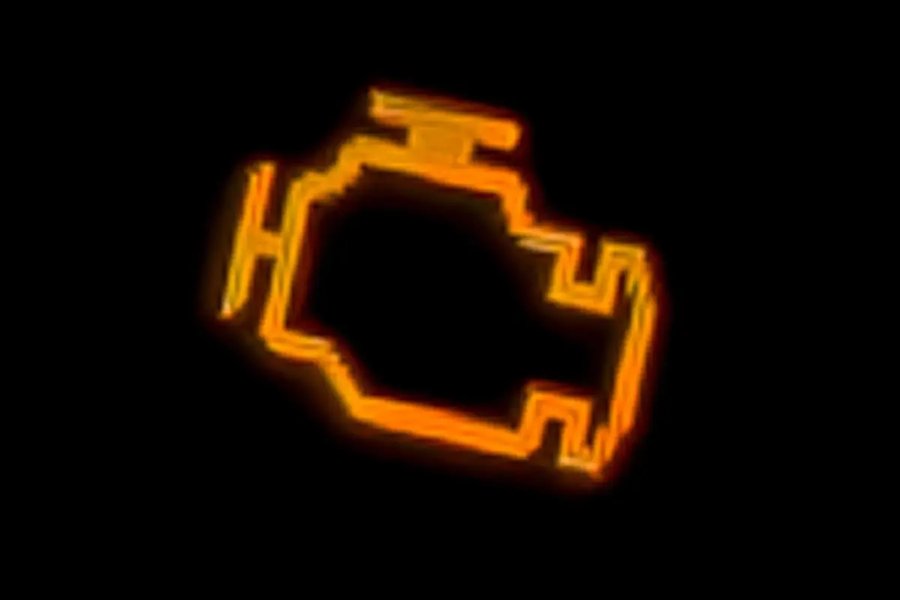
A check engine light on your dashboard is a common indicator of the P0121 code, often preceding limp mode.
Irregular Idling and Stalling
A faulty TPS can also cause your engine to idle roughly, with RPMs fluctuating up and down erratically. The engine might even stall, particularly when coming to a stop or at low speeds. Without accurate throttle position information, the ECM struggles to maintain proper idle air control, leading to an unstable engine state.
Other Common Symptoms You Might Encounter:
- Illuminated Check Engine Light: This is almost always the first and most obvious indicator.
- Poor Fuel Economy: An incorrect air-fuel mixture due to bad TPS data can lead to inefficient fuel consumption.
- Black Smoke from Exhaust: If the mixture is too rich, you might observe black smoke, especially during acceleration.
- Sudden Surges or Loss of Power: Inconsistent signals can cause unpredictable throttle responses.
- Transmission Shifting Issues: In automatic vehicles, the transmission relies on engine load data from the ECM, which is influenced by the TPS. Incorrect data can lead to harsh or delayed shifts.
- Difficulty Starting: Though less common, a severely malfunctioning TPS can sometimes affect engine startup.
"Driving with a P0121 code, especially if your vehicle is in limp mode or exhibiting erratic throttle behavior, is not recommended. It can compromise vehicle safety and potentially lead to further engine damage."
Pinpointing the Problem: Common Causes of the P0121 Code
Why is Your Throttle Position Sensor Acting Up?
The P0121 code primarily indicates an issue with the TPS or its circuit. While the sensor itself is a frequent culprit, several other factors can trigger this code. Here are the most common causes, generally listed from most to least likely:
Dirty or Carbon-Clogged Throttle Body
This is often the first place to look. Over time, carbon deposits and grime can build up on the throttle plate and inside the throttle body bore. This buildup can prevent the throttle plate from closing or opening smoothly and completely, creating an incorrect actual throttle position versus what the TPS is reporting. The ECM then detects this discrepancy, triggering the P0121 code. This issue is especially prevalent in vehicles with higher mileage or those that operate in dusty environments, like many trucks in rural US areas.
Carbon buildup on the throttle body can directly interfere with TPS readings.
Faulty Throttle Position Sensor (TPS)
Like any electronic component, the TPS can wear out or fail over time. The internal resistive track of the sensor can degrade, leading to intermittent or inaccurate voltage readings. A worn TPS might develop "dead spots" where the voltage signal abruptly drops or spikes as the throttle plate moves, confusing the ECM. TPS sensors typically have a lifespan of 100,000 to 150,000 miles, but premature failure can occur due to manufacturing defects or harsh operating conditions.
Wiring and Connector Issues
Problems with the electrical circuit connecting the TPS to the ECM are a significant cause of P0121. These can include:
- Frayed or Damaged Wires: Wires can become exposed, cut, or frayed due to heat, vibration, or rodent damage, leading to an open circuit or a short.
- Corroded Connectors: Moisture, dirt, and road salt (common in many US regions during winter) can cause corrosion on the TPS connector pins, disrupting the delicate electrical signal.
- Loose Connections: Vibrations or improper seating can cause the connector to become loose, leading to intermittent signal loss.
- High Resistance in Ground Wire: A poor ground connection can lead to incorrect voltage readings being sent to the ECM.
Accelerator Pedal Position Sensor (APPS) Issues
In modern vehicles with electronic throttle control (often referred to as "drive-by-wire" systems), the accelerator pedal is not mechanically linked to the throttle body. Instead, an Accelerator Pedal Position Sensor (APPS) translates your pedal input into an electrical signal for the ECM. If the APPS sends a signal that contradicts the TPS signal, the ECM may interpret this as a TPS range/performance problem and set the P0121 code. This is particularly relevant for popular US models from manufacturers like Toyota, Honda, and Ford that widely adopt ETC systems.
Throttle Body Mechanical Problems
Beyond simple carbon buildup, mechanical issues within the throttle body itself can cause P0121. This could include a sticking throttle plate, a worn throttle body shaft, or internal damage that prevents smooth and consistent operation. If the throttle body can't move freely, the TPS will report inconsistent positions.
Faulty Powertrain Control Module (PCM) / Engine Control Module (ECM)
While rare, a malfunctioning ECM or PCM can misinterpret signals from the TPS or fail to process them correctly, leading to a false P0121 code. This is typically considered a last resort diagnosis after ruling out all other more common causes.
Diagnosing the P0121 Code: A Step-by-Step Approach
Uncovering the Root Cause with Precision
Accurately diagnosing the P0121 code is crucial to avoid unnecessary repairs and expense. This systematic approach, suitable for both experienced DIYers and professional mechanics, will help you pinpoint the exact source of the problem.
1. Scan for Codes and Review Freeze Frame Data
Begin by connecting an OBD-II scanner to your vehicle's diagnostic port. Confirm the presence of the P0121 code. More importantly, check for any other related codes that might indicate a broader issue with the throttle system. These could include P0120 (TPS Circuit Malfunction), P0122 (TPS Circuit Low Input), P0123 (TPS Circuit High Input), P0220 (Throttle/Pedal Position Sensor "B" Circuit), or P2135 (Throttle/Pedal Position Sensor "A"/"B" Voltage Correlation). Also, review the "freeze frame data" – this snapshot of engine conditions (RPM, speed, engine load, coolant temperature) at the moment the code was set can provide invaluable clues about when and how the fault occurred.
2. Conduct a Thorough Visual Inspection
A careful visual check can often reveal obvious problems without needing specialized tools:
- Inspect the Throttle Body: Remove the air intake hose leading to the throttle body. Visually inspect the throttle plate and the inner bore for excessive carbon buildup. If it's dirty, cleaning might resolve the issue.
- Examine the TPS Sensor: Look for any visible damage, cracks, or signs of water intrusion on the TPS itself.
- Check Wiring and Connectors: Carefully trace the wiring harness leading to the TPS. Look for frayed wires, cuts, exposed conductors, or signs of heat damage. Examine the connector for loose pins, corrosion, or signs of melting. Ensure the connector is securely seated.
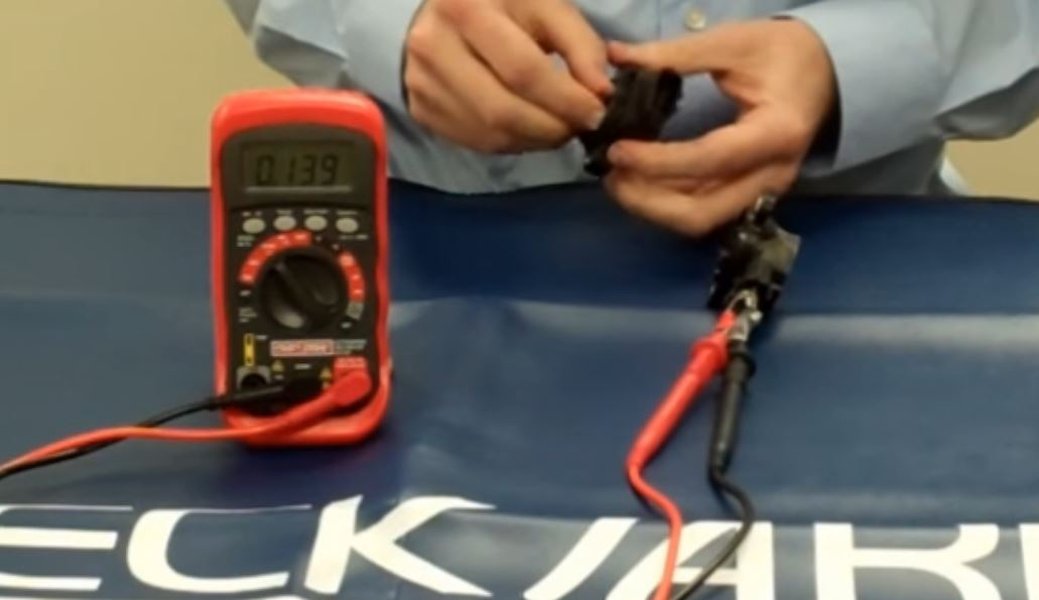
3. Test TPS Voltage with a Multimeter
This is a critical diagnostic step that directly assesses the TPS's electrical output. You will need a digital multimeter (DMM).
- Locate the TPS: It's usually bolted directly onto the throttle body. Identify the three wires: a 5-volt reference, a ground, and the signal wire (consult your vehicle's service manual for the exact pinout).
- Check Reference Voltage: With the ignition ON (engine OFF), back-probe the 5-volt reference wire at the TPS connector. You should measure close to 5 volts.
- Check Ground: Verify a good ground connection at the TPS connector.
- Test Signal Voltage: Back-probe the signal wire. At idle (throttle closed), the voltage should typically be around 0.5 volts. As you slowly open the throttle by hand (or have an assistant slowly press the accelerator pedal), the voltage should smoothly increase to approximately 4.5 volts at wide-open throttle (WOT).
- Look for Dropouts or Spikes: Pay very close attention to the multimeter reading as you slowly sweep the throttle from closed to open. Any sudden drops, spikes, erratic readings, or flat spots in the voltage sweep indicate a faulty TPS. The voltage should change smoothly and linearly.
Testing the TPS with a multimeter helps identify irregular voltage outputs.
4. Inspect Accelerator Pedal Position (APP) Sensor
If your vehicle uses an electronic throttle control system, the APP sensor is also crucial. A faulty APP sensor sending conflicting signals can lead to a P0121. Testing involves similar multimeter checks, though access to the APP sensor (usually near the pedal assembly) might be more challenging.
5. Check for Technical Service Bulletins (TSBs)
For specific makes and models, manufacturers sometimes issue TSBs related to common issues like the P0121 code. These bulletins outline known problems and recommended repair procedures, which can save considerable diagnostic time. You can often find TSBs through dealership service departments or online automotive repair databases.
Fixing the P0121 Code: Repair Strategies and Costs
Restoring Your Vehicle's Performance
Once you've accurately diagnosed the root cause of the P0121 code, the next step is to implement the correct repair. The fix can range from a simple cleaning to component replacement, with varying costs depending on parts and labor.
1. Clean the Throttle Body
If carbon buildup is identified as the culprit, a thorough cleaning of the throttle body can often resolve the P0121 code. You can often do this yourself with basic tools. Use a dedicated throttle body cleaner and a soft brush or lint-free cloth to remove deposits from the throttle plate and bore. Be careful not to damage any delicate sensors mounted on the throttle body itself. After cleaning, some vehicles may require a throttle relearn procedure.
Cleaning a dirty throttle body can often resolve P0121 issues without parts replacement.
2. Replace the Throttle Position Sensor (TPS)
If multimeter testing confirms a faulty standalone TPS sensor, replacement is necessary. The TPS is usually bolted directly onto the throttle body and is often a relatively straightforward component to replace for most DIYers. Ensure you purchase the correct part for your specific vehicle make and model. After replacement, an idle or throttle relearn procedure is almost always required to calibrate the new sensor with the ECM.
Important Note: In many modern vehicles, particularly those with electronic throttle control, the TPS is integrated into the throttle body assembly and cannot be replaced separately. In such cases, you will need to replace the entire throttle body assembly.
3. Repair Damaged Wiring or Connectors
If your visual inspection and electrical testing revealed damaged wiring or corroded connectors in the TPS circuit, these need to be repaired or replaced. This might involve splicing in new sections of wire, replacing the connector housing, or cleaning corroded pins. Ensure all repairs create strong, reliable electrical connections to prevent future issues.
4. Address Other Sensor or Module Issues
If diagnostic steps point to a problem with another related sensor (like the APP sensor) or, in rare instances, the ECM/PCM itself, those components will require repair or replacement. ECM/PCM replacement typically requires professional reprogramming by a dealership or specialized automotive shop.
TPS Sensor Replacement Cost Estimates for US Drivers
The cost to fix a P0121 code can vary significantly based on the underlying cause, whether you perform a DIY repair, and the specific make and model of your vehicle. Labor rates at American repair shops typically range from $75 to $125 per hour.
| Repair Type | Part Cost (Estimated USD) | Labor Cost (Estimated USD) | Total Cost (Estimated USD) | Notes |
|---|---|---|---|---|
| Throttle Body Cleaning (DIY) | $10 - $25 (cleaner) | $0 | $10 - $25 | Requires basic tools and mechanical aptitude. |
| Throttle Body Cleaning (Professional) | $10 - $25 (cleaner) | $75 - $150 (0.5-1 hr) | $85 - $175 | Often included as part of diagnostic fee. |
| TPS Sensor Replacement (Standalone) | $40 - $200 | $70 - $150 (0.5-1 hr) | $110 - $350 | Cost varies by vehicle; luxury brands may be higher. |
| Throttle Body Assembly Replacement (Integrated TPS) | $150 - $650 | $100 - $200 (1-1.5 hrs) | $250 - $850 | Necessary if TPS is integrated or throttle body is damaged. |
| Wiring/Connector Repair | $20 - $100 | $100 - $200 (1-1.5 hrs) | $120 - $300 | Depends on severity and location of damage. |
| PCM/ECM Replacement (Rare) | $250 - $1000+ | $150 - $400+ | $400 - $1400+ | Requires reprogramming, which adds to labor. |
These are average estimates for the US market. Actual costs may vary based on your specific vehicle, parts availability (OEM vs. aftermarket), and regional labor rates.
P0121 Code in Popular US Vehicles: Toyota, Honda, Ford, and More
While the P0121 code can appear in any OBD-II compliant vehicle, certain models from popular US brands tend to report this issue more frequently due to design specifics or common wear patterns:
- Toyota: Models like the Toyota Camry, Corolla, and Prius have occasionally seen P0121 codes, often related to TPS or throttle body issues.
- Honda: Honda Civic and Accord owners sometimes encounter P0121, frequently linked to the TPS or electronic throttle control system.
- Ford: Ford F-150 trucks and Fusion sedans can experience P0121, particularly with wear on the TPS or in vehicles used in dusty conditions.
- Chevrolet: Vehicles such as the Chevrolet Silverado and Malibu have been known to set this code.
- Dodge/Jeep: Dodge Durango, Ram trucks, and certain Jeep models (like the Liberty and Cherokee) have reported P0121, sometimes involving discrepancies between the TPS and MAP sensor readings, or due to exposure to rugged driving conditions.
- Nissan: Models like the Nissan Altima may also encounter this code due to their electronic throttle systems.
Crucial Post-Repair Step: The Throttle Body Relearn Procedure
Calibrating Your Engine for Optimal Performance
After replacing a TPS or cleaning the throttle body, it is almost always essential to perform a "throttle body relearn" or "idle relearn" procedure. This process allows the ECM to re-adapt its understanding of the throttle's new idle position and overall range. Without this, your vehicle might still experience erratic idling, stalling, or poor throttle response, even with a new or cleaned component.
Basic Throttle Relearn Procedure (General Steps)
While the exact procedure varies significantly by manufacturer and model, a common manual process often involves these steps:
- Ensure the engine is at normal operating temperature.
- Turn the ignition to the "ON" position (do not start the engine) and wait for a specific duration (e.g., 10-15 seconds).
- Turn the ignition to the "OFF" position and wait for another specific duration (e.g., 10-15 seconds).
- Repeat steps 2 and 3 a couple of times.
- Start the engine and let it idle without touching the accelerator pedal until it reaches normal operating temperature and the idle stabilizes (this can take 10-15 minutes).
- Turn off the engine and let it sit for a few minutes.
- Start the engine again and take it for a short test drive, observing for smooth acceleration and deceleration.
Can I Drive with a P0121 Code?
Assessing the Risks of Ignoring a Throttle Position Sensor Issue
While your vehicle might still be able to move with a P0121 code, driving with this issue, especially if symptoms like limp mode or erratic throttle response are present, is generally not recommended. It presents several significant risks:
- Safety Hazard: Erratic acceleration, sudden power loss, or unexpected stalling can significantly increase the risk of an accident, particularly in busy US traffic or on highways where quick response is critical.
- Limp Mode Limitations: If your vehicle enters limp mode, your speed and power will be severely limited, making it unsafe to keep up with traffic and potentially stranding you far from home.
- Potential for Further Damage: Continuous operation with an incorrect air-fuel mixture due to a faulty TPS can lead to long-term engine damage, such as premature wear on internal components or catalytic converter failure.
- Increased Emissions: A malfunctioning TPS can cause your vehicle to run inefficiently, leading to higher emissions and potentially failing state-mandated emissions tests.
Related Codes to Consider
Other Diagnostic Trouble Codes That May Point to Throttle System Issues
When dealing with a P0121 code, it's beneficial to be aware of other related diagnostic trouble codes (DTCs) that often indicate similar or interconnected issues within the throttle system. These codes can sometimes appear alongside P0121 or offer additional context during diagnosis:
- P0120: Throttle/Pedal Position Sensor/Switch "A" Circuit Malfunction
- P0122: Throttle/Pedal Position Sensor/Switch "A" Circuit Low Input
- P0123: Throttle/Pedal Position Sensor/Switch "A" Circuit High Input
- P0220: Throttle/Pedal Position Sensor/Switch "B" Circuit Malfunction
- P2135: Throttle/Pedal Position Sensor "A"/"B" Voltage Correlation
These codes frequently indicate problems with the TPS circuit itself, ranging from open circuits, short circuits, or discrepancies between multiple throttle position sensors (common in drive-by-wire systems). If any of these codes appear with P0121, it emphasizes a thorough electrical system check and potentially a faulty TPS.
Frequently Asked Questions About the P0121 Code
Conclusion: Regain Control of Your Ride
The P0121 TPS sensor code, while seemingly complex, points to a clear issue that can be diagnosed and resolved with the right information and approach. By understanding its symptoms, identifying the root cause, and following the appropriate diagnostic and repair steps, you can effectively fix hesitating acceleration, eliminate limp mode, and restore your vehicle's smooth, reliable performance. Whether you opt for a DIY solution or professional assistance, addressing this code promptly is key to ensuring your safety and the longevity of your engine. Armed with this guide, you are well-equipped to tackle the P0121 code and get back to enjoying your driving experience.
