

Deciphering your options to secure optimal financial protection on the road.
Choosing the right car insurance can feel like navigating a maze, especially with the ever-evolving landscape of options and regulations. The fundamental decision often boils down to full coverage vs liability insurance. This guide aims to demystify these core concepts, providing you with a comprehensive understanding of what each entails, their cost implications, and how to assess your personal needs for 2026. By the end, you'll be equipped to make an informed decision that safeguards your vehicle, your finances, and your peace of mind.

Understanding the landscape of car insurance options for optimal protection.
Essential Insights for Your Insurance Journey
- Liability First: Almost universally required, liability insurance is your foundational protection, covering damages you cause to others, but not your own vehicle or injuries.
- "Full Coverage" Explained: This popular term refers to a combination of liability, collision, and comprehensive coverage, offering robust protection for your own vehicle against accidents, theft, and other non-collision events.
- Personalized Protection: Your ideal insurance plan depends heavily on your vehicle's value, financial situation, driving habits, and state-specific legal requirements.
Demystifying Liability Insurance Coverage: Your Foundational Protection
Liability insurance coverage is the bedrock of nearly every auto insurance policy and is legally mandated in almost all U.S. states. Its primary purpose is to protect you financially if you are found at fault in an accident, covering the costs of damages or injuries sustained by other parties. It's crucial to understand that while it protects your assets from claims made by others, it does not cover your own vehicle's damage or your medical expenses.
What Liability Coverage Encompasses
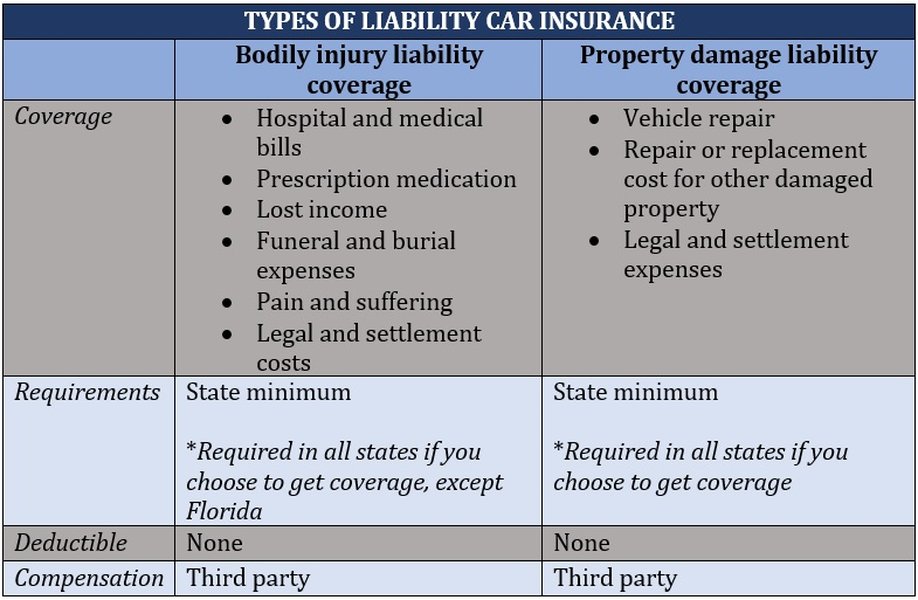
- Bodily Injury Liability (BI): This coverage pays for the medical expenses, lost wages, and pain and suffering of individuals you injure in an accident where you are at fault. It also covers legal defense costs if you are sued.
- Property Damage Liability (PD): This aspect covers the cost of repairing or replacing property you damage in an at-fault accident, such as other vehicles, fences, buildings, or utility poles.
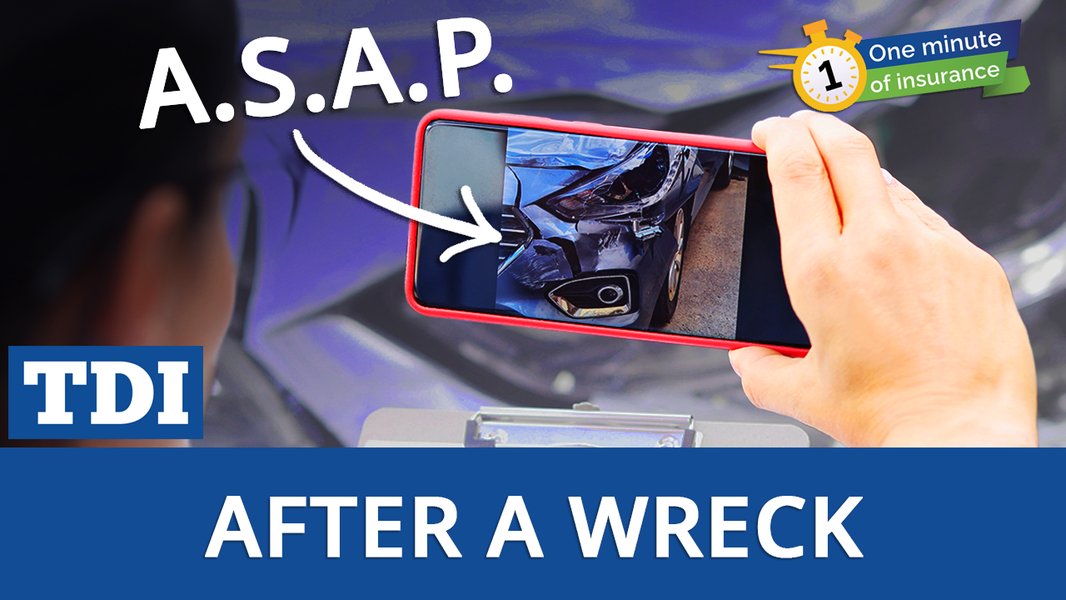
Liability insurance covers damages to others' property and injuries if you are at fault.
What Liability Coverage Does Not Cover
- Your own medical bills after an accident you cause.
- Damage to your own vehicle, regardless of fault (unless the other driver's liability covers it).
- Theft of your vehicle or damage from non-collision events like hail, fire, or vandalism.
- Rental car expenses while your vehicle is being repaired.
State minimums for liability insurance are often insufficient to cover the full costs of a serious accident. For instance, an accident resulting in multiple injuries or significant property damage can easily exceed typical state minimums, leaving you personally responsible for the remaining balance. Many insurance experts recommend significantly higher limits than the state minimums to adequately protect your assets.
Full Coverage Insurance Explained: Comprehensive Protection for Your Vehicle
When people talk about "full coverage insurance explained," they're not referring to a single, stand-alone policy. Instead, it's a common term for an auto insurance policy that bundles several types of coverage, most notably liability, collision, and comprehensive insurance. This combination provides a much broader safety net, protecting not only others but also your own vehicle from a wide range of perils.
The Pillars of Full Coverage
- Liability Insurance: As discussed, this covers damages and injuries you cause to other parties. It's the mandatory foundation.
- Collision Coverage: This pays for damage to your own vehicle resulting from collisions with other vehicles, objects (like trees or guardrails), or rollovers, regardless of who is at fault.
- Comprehensive Coverage: Often called "other than collision," this protects your vehicle from non-collision incidents such as theft, vandalism, fire, natural disasters (hail, floods, falling objects), and animal collisions.
Full coverage insurance combines multiple coverages for extensive vehicle protection.
Many drivers also opt to include additional insurance coverage types within their full coverage policy to enhance protection. These can include uninsured/underinsured motorist coverage, medical payments (MedPay) or personal injury protection (PIP), rental car reimbursement, and roadside assistance. For financed or leased vehicles, lenders almost always require full coverage to protect their investment, typically mandating both comprehensive and collision insurance until the loan is fully repaid.
Comprehensive vs Collision: Understanding the Key Differences
A crucial part of understanding full coverage insurance explained is distinguishing between comprehensive and collision coverage, as they address different types of damage to your vehicle. While both are designed to protect your car, they apply to distinct scenarios.
Collision Coverage: For When You Hit Something
- Covers damage to your vehicle from an accident involving another car or object (e.g., a pole, guardrail).
- Applies even if you are at fault for the accident.
- Also covers damage if your car rolls over.
- Typically comes with a deductible, which is the amount you pay out of pocket before your insurance coverage kicks in.
- Protects against damage to your vehicle from incidents *other than* collisions.
- Examples include theft, vandalism, fire, natural disasters (like hail, floods, hurricanes), falling objects (tree branches), and animal collisions (e.g., hitting a deer).
- Also typically includes a deductible, which can sometimes be lower than the collision deductible.
Beyond the Basics: Essential Insurance Coverage Types
While liability, collision, and comprehensive form the core of most auto insurance policies, numerous other insurance coverage types are available to provide more tailored protection. Understanding these can help you build a policy that truly meets your specific needs and risks.
Protection Against Others' Lack of Coverage
- Uninsured/Underinsured Motorist (UM/UIM) Coverage: This is vital coverage that protects you and your passengers if you're involved in an accident with a driver who has no insurance (uninsured) or insufficient insurance (underinsured) to cover your damages and medical expenses. Many states either require or strongly recommend this coverage.
Medical Protections for You and Your Passengers
- Medical Payments (MedPay): Covers medical expenses for you and your passengers incurred as a result of a car accident, regardless of who was at fault. This acts as primary or secondary coverage to health insurance.
- Personal Injury Protection (PIP): Required in "no-fault" states, PIP is broader than MedPay. It covers medical expenses, lost wages, and rehabilitation costs for you and your passengers, regardless of fault.
Convenience and Financial Safeguards
- Rental Car Reimbursement: If your vehicle is in the shop for repairs following a covered accident, this coverage helps pay for a rental car, minimizing disruption to your daily life.
- Roadside Assistance: Provides coverage for services like towing, flat tire changes, battery jump-starts, and lockout services, offering peace of mind on the road.
- Gap Insurance: Particularly important for new or leased vehicles, gap insurance covers the "gap" between what you owe on your car loan or lease and the car's actual cash value if it's totaled or stolen. Without it, you could be left paying for a car you no longer have.
Exploring various insurance coverage types can enhance your overall protection.
Full vs Basic Coverage: Cost and Risk Trade-offs
The choice between full vs basic coverage (liability-only) is often a balancing act between premium costs and potential financial risks. While liability-only policies are generally cheaper, they expose you to significant out-of-pocket expenses for your own vehicle and medical care if you're involved in an accident. Full coverage, while more expensive upfront, provides a much greater degree of financial protection.
Understanding the Cost Dynamics
- Liability-Only:
- Lowest premiums, making it attractive for budget-conscious drivers.
- Highest out-of-pocket risk for damage to your own car and your own medical bills.
- Most suitable for older, low-value vehicles that you could easily afford to replace or repair yourself.
- Full Coverage:
- Higher premiums due to expanded protection for your own vehicle.
- Significantly lower risk of large out-of-pocket expenses after an accident or other covered event.
- Ideal for newer, financed, or high-value cars, or if you don't have substantial savings to cover potential repair or replacement costs.
Deductibles and Their Impact
Both comprehensive and collision coverages come with deductibles. Choosing a higher deductible typically lowers your premium, but means you'll pay more out-of-pocket if you file a claim. Conversely, a lower deductible means higher premiums but less out-of-pocket expense at the time of a claim. Selecting a deductible you can comfortably afford is a crucial part of managing your car insurance protection levels.
What Insurance Do I Need? A Decision-Making Framework
Answering "what insurance do I need?" requires a thoughtful assessment of your personal circumstances. This decision-making framework, tailored for insurance coverage guide 2026 insights, helps you weigh various factors to arrive at the most appropriate coverage level.
Key Factors to Consider
- Vehicle Value:
- New or High-Value Vehicles ($10,000+): A strong candidate for full coverage, especially collision and comprehensive, to protect your investment.
- Mid-Value Vehicles ($5,000 - $10,000): Evaluate the annual cost of comprehensive and collision versus your car's actual cash value. If the annual premium plus your deductible exceeds 10% of the car's value, it might be time to reconsider these coverages.
- Low-Value Vehicles (Under $5,000): Liability-only may be sufficient if you can comfortably afford to replace the vehicle out of pocket. Comprehensive-only might be a cost-effective option for protection against theft or natural disasters.
- Financial Situation & Assets:
- Limited Savings/Assets: Higher liability limits and full coverage can protect you from financial ruin after a severe accident. Consider an umbrella policy if you have significant assets to protect.
- Substantial Savings/Assets: While you might be able to self-insure for minor vehicle damage, higher liability limits are still critical to protect your wealth in the event of an at-fault accident.
- Driving Habits & Risk Profile:
- High Mileage Commuter: Increased time on the road means higher accident exposure, suggesting more comprehensive coverage.
- Teen Drivers in Household: Higher risk of accidents typically warrants full coverage and higher liability limits. Look into accident forgiveness programs.
- Urban vs. Rural Driving: Urban areas may have higher risks of theft and vandalism (favoring comprehensive), while rural areas might have increased risks of animal collisions (also covered by comprehensive).
- Loan or Lease Requirements:
- If your vehicle is financed or leased, full coverage (including comprehensive and collision) is almost always required by the lender to protect their interest in the vehicle.
- Specialized Usage:
- Rideshare Drivers: Personal policies usually exclude commercial activity. You'll need a rideshare endorsement or a specialized commercial policy.
- Business Use: Using your personal vehicle for business purposes may require a commercial auto policy or specific endorsements to ensure coverage.
| Factors to Consider | Recommended Coverage Level | Rationale | |
|---|---|---|---|
| Vehicle Value | New/Financed/High-Value | Full Coverage (Liability + Comprehensive + Collision + Gap) | Protects significant investment, meets lender requirements, prevents owing after total loss. |
| Mid-Value ($5,000-$10,000) | Higher Liability Limits + Comprehensive (consider collision based on premium vs. ACV) | Balances protection and cost; comprehensive is often cost-effective for non-collision perils. | |
| Older/Low-Value (Under $5,000) | Liability-Only (possibly add Comprehensive for specific risks) | Cost-effective if you can replace out-of-pocket; Comprehensive is valuable in high-theft/hail areas. | |
| Financial Situation | Limited Savings/Assets | Higher Liability Limits + Full Coverage | Protects against financial catastrophe and large unexpected expenses. |
| Substantial Assets | Very High Liability Limits (consider Umbrella Policy) + Full Coverage | Shields accumulated wealth from potential lawsuits; comprehensive protection for vehicles. | |
| Driving Habits/Risk | Frequent Commuter/High Mileage | Full Coverage + UM/UIM | Increased exposure warrants robust protection against various risks and other drivers. |
| Teen Drivers in Household | Full Coverage + Higher Liability Limits + UM/UIM + Accident Forgiveness | Addresses higher accident frequency/severity associated with inexperienced drivers. | |
| Low Mileage/Occasional Driver | Adequate Liability + Comprehensive (if ACV justifies) | Balances lower exposure with essential protection; explore low-mileage discounts. | |
| Special Usage | Rideshare/Delivery Driver | Personal Policy with Rideshare Endorsement or Commercial Auto Policy | Closes coverage gaps during "app-on" periods not covered by standard personal policies. |
| Business Use (e.g., sales, tools) | Commercial Auto Policy | Provides appropriate liability limits and coverage for business-related risks. | |
State-by-State Minimum Coverage Requirements for 2026
Your geographical location significantly influences your insurance obligations, as each state sets its own minimum car insurance requirements. It's crucial to be aware of these, not only to stay compliant with the law but also to understand where the minimums might fall short in offering adequate protection. This insurance coverage guide 2026 provides a snapshot of some state requirements, but always verify with your state's DMV or insurance department for the most current information.
Key Requirements Across States
- Liability is Universal: Almost every state mandates some form of bodily injury and property damage liability coverage.
- UM/UIM and PIP Requirements: Many states also require or offer mandatory Uninsured/Underinsured Motorist (UM/UIM) coverage and/or Personal Injury Protection (PIP), especially in "no-fault" states.
- No-Fault States: In these states (e.g., Florida, New York, Michigan), PIP is often a primary form of coverage for medical expenses, regardless of fault.
Below are examples of some state minimum requirements. Please note these are subject to change and vary widely:
- California: Typically 15/30/5 ($15,000 BI per person, $30,000 BI per accident, $5,000 PD). UM/UIM is optional but highly recommended.
- Florida: A no-fault state, requiring $10,000 PIP and $10,000 Property Damage Liability. No bodily injury liability is legally mandated for your own injuries, but it's strongly advised.
- Illinois: Requires 25/50/20 liability and Uninsured Motorist Bodily Injury (UMBI) at 25/50.
- New York: A no-fault state requiring 25/50/10 liability, $50,000 PIP, and 25/50 UMBI.
- Texas: Requires 30/60/25 liability. PIP and UM/UIM are optional but must be offered.
- Virginia: Requires 30/60/20 liability, with UM/UIM included unless rejected. Virginia historically had an "uninsured motorist fee" option, but carrying no insurance provides no protection.
- New Hampshire: Unique in not universally requiring insurance, but drivers must prove financial responsibility if involved in an accident. If insurance is purchased, minimum liability limits apply.
While meeting state minimums ensures legal compliance, they often provide minimal financial protection. For comprehensive security, consider exceeding these limits, especially for liability coverage.
Cost Impact Analysis by Coverage Level
The financial implications of your coverage choices are significant. A clear cost impact analysis can help you understand where your money goes and the value you receive for different car insurance protection levels. In 2026, various factors continue to influence premiums, making comparison shopping essential.
Average Annual Premiums (Illustrative 2026 Estimates)
The following table provides general average annual costs. Actual premiums vary greatly based on location, driving record, vehicle type, age, credit score (where allowed), and chosen deductibles.
| Coverage Type | National Average Cost (Illustrative) | Potential Benefits | Potential Risks Without |
|---|---|---|---|
| Liability Only | $700 - $1,200 | Meets legal minimums, lowest upfront cost. | No coverage for your own vehicle damage or medical bills; high out-of-pocket risk. |
| Liability + Comprehensive | $1,300 - $1,800 | Protects your car from non-collision events (theft, hail, animals) in addition to liability. | Still no coverage for accident damage to your own vehicle. |
| Full Coverage (Liability + Comp + Collision) | $1,800 - $3,000+ | Extensive protection for your vehicle against nearly all perils; protects your assets. | Highest premium. |
Factors Influencing Your Premium
- Driving Record: Accidents and traffic violations increase rates.
- Location: Urban areas with higher traffic density, theft rates, or extreme weather typically have higher premiums.
- Vehicle Type: More expensive, high-performance, or frequently stolen cars cost more to insure.
- Age & Experience: Young, inexperienced drivers generally face higher rates.
- Credit-Based Insurance Score: In most states, insurers use this to predict risk, impacting your rates.
- Deductibles: Higher deductibles mean lower premiums and vice versa.
While full coverage costs more upfront, it can provide significant financial relief after an accident. For example, replacing a stolen car or repairing extensive hail damage without comprehensive coverage could cost thousands of dollars out of pocket, far exceeding the annual premium difference.
Real-World Scenarios: Personalized Recommendations for Your Life
Understanding your insurance needs becomes clearer when applied to specific life situations. This section provides personalized recommendations to help you determine "what insurance do I need" based on various real-world scenarios, considering the latest insurance coverage guide 2026 insights.
New Car Owner or Financed Vehicle
- Scenario: You just bought a brand-new car or are financing/leasing a vehicle.
- Recommendation: Opt for full coverage with higher liability limits, comprehensive, and collision. Strongly consider adding Gap Insurance.
- Why: Lenders require comprehensive and collision. Gap insurance protects you if your car is totaled and you owe more than its actual cash value. High liability limits protect your financial future against potential lawsuits from a severe accident.
Budget-Conscious Driver with an Older, Paid-Off Vehicle
- Scenario: You drive a reliable, older car that is paid off and has a low market value (e.g., under $5,000).
- Recommendation:Liability-only insurance might be sufficient. Consider keeping comprehensive coverage if you live in an area prone to theft, vandalism, or severe weather.
- Why: The cost of comprehensive and collision coverage may exceed the car's value or the benefit gained. If you can afford to replace the car out of pocket, liability covers your legal obligations. Keeping comprehensive offers protection against non-collision risks without the higher cost of collision.
Household with a Teen Driver
- Scenario: A new, inexperienced teen driver joins your household.
- Recommendation: Increase liability limits significantly and maintain full coverage on all household vehicles, especially newer ones. Add UM/UIM. Explore accident forgiveness programs.
- Why: Teen drivers statistically have higher accident rates. Increased liability protects against the potentially severe financial consequences of an at-fault accident. Full coverage ensures repairs for your vehicles. UM/UIM protects against other uninsured drivers.
- Scenario: You drive for Uber, Lyft, DoorDash, or similar services.
- Recommendation: A standard personal auto policy with a rideshare endorsement or a specialized commercial auto policy. Maintain full coverage if your vehicle is valuable.
- Why: Personal policies typically exclude commercial use. A rideshare endorsement closes the coverage gaps that exist during the "app-on" phases, protecting you when you're available for or actively engaged in a commercial ride/delivery.
Elderly Driver with Low Mileage
- Scenario: You're retired, drive infrequently, and primarily use your vehicle for local errands.
- Recommendation: Adequate liability limits to protect assets. Consider comprehensive coverage if the vehicle is valuable. Look for low-mileage or usage-based insurance discounts. Add Medical Payments or PIP.
- Why: While driving less reduces collision risk, liability remains critical for asset protection. Medical Payments/PIP ensures medical coverage regardless of fault, which can be particularly important for seniors.
FAQ: Your Common Questions on Coverage Selection Answered
Conclusion: Making the Optimal Coverage Choice
The decision between full coverage vs liability insurance is a deeply personal one, influenced by a myriad of factors unique to your situation. As this insurance coverage guide 2026 highlights, while liability insurance is the legal minimum, it offers only basic protection, leaving your own vehicle and potential medical expenses uninsured. "Full coverage," a powerful combination of liability, comprehensive, and collision, provides significantly broader financial security.
Ultimately, the "best" insurance policy is one that strikes a balance between adequate protection and affordability, aligning with your vehicle's value, your financial resilience, and your personal risk tolerance. Don't simply opt for state minimums; carefully consider the potential costs of an accident and choose car insurance protection levels that genuinely safeguard your assets. Regularly review your policy, especially after significant life events like purchasing a new vehicle, moving, or adding a new driver to your household. By actively engaging with your insurance choices, you empower yourself to navigate the roads with confidence and financial peace of mind.
