

Navigate the complexities of auto insurance with our expert guide, offering clarity on comprehensive and collision coverage to safeguard your vehicle and finances in 2026.
Essential Insights for Your Auto Insurance Choices
- Comprehensive Coverage: Safeguards your vehicle against "other-than-collision" incidents like theft, vandalism, weather damage, and animal strikes.
- Collision Coverage: Protects your car from damage resulting from impacts with other vehicles or objects, regardless of who is at fault.
- Strategic Decision-Making: The best coverage combination depends on your vehicle's value, your financial situation, driving habits, and regional risks.
Navigating the world of car insurance can often feel like deciphering a complex code, especially when confronted with terms like "comprehensive vs. collision insurance." While both are crucial components of a robust auto insurance policy, they serve distinctly different purposes. Understanding these differences is not just about fulfilling requirements; it's about making informed decisions that protect your vehicle and your wallet from a myriad of unpredictable events.
As we move through 2026, the automotive landscape and insurance requirements continue to evolve. This guide is designed to be your authoritative resource, breaking down each coverage type with clear explanations, real-world scenarios, and a comprehensive comparison to help you secure optimal protection.
Comprehensive Coverage Explained: Shielding Your Vehicle from the Unforeseen
Think of comprehensive insurance as your vehicle's guardian against events beyond your control and separate from a typical road accident. This coverage steps in for damages that aren't the result of a collision with another car or object. It's an invaluable layer of protection, particularly for those facing non-driving-related risks.

Understanding the protective scope of comprehensive insurance.
What Does Comprehensive Insurance Typically Cover?
The scope of comprehensive insurance benefits is broad, covering a range of incidents that can damage your vehicle when it's parked or involved in an "act of God." This includes:
- Theft or Vandalism: If your car is stolen, or if it suffers from malicious acts like keying, broken windows, or graffiti. This extends to stolen parts of your vehicle.
- Weather-Related Damage: Protection against natural disasters such as hail, floods, hurricanes, tornadoes, and wildfires. Given recent climate patterns, this aspect is increasingly vital in many regions.
- Falling Objects: Damage caused by trees, branches, rocks, or other debris falling onto your vehicle.
- Fire: Covers damage to your vehicle resulting from fire, regardless of the cause.
- Animal Collisions: Impact with animals like deer, elk, or moose. This is a common claim, especially in rural or suburban areas.
- Civil Disturbances: Damage incurred during riots or other civil commotions.
- Glass Breakage: Many comprehensive policies include coverage for cracked or shattered windshields, windows, and sunroofs.
Real-World Comprehensive Claim Scenarios
To illustrate the practical value of comprehensive coverage, consider these situations:
Scenario 1: Hailstorm Havoc
While your car was parked at a shopping mall, an unexpected hailstorm pounded your vehicle, leaving numerous dents across its body and cracking your windshield. Your comprehensive insurance would cover the repair costs, minus your deductible, restoring your car's appearance and structural integrity.
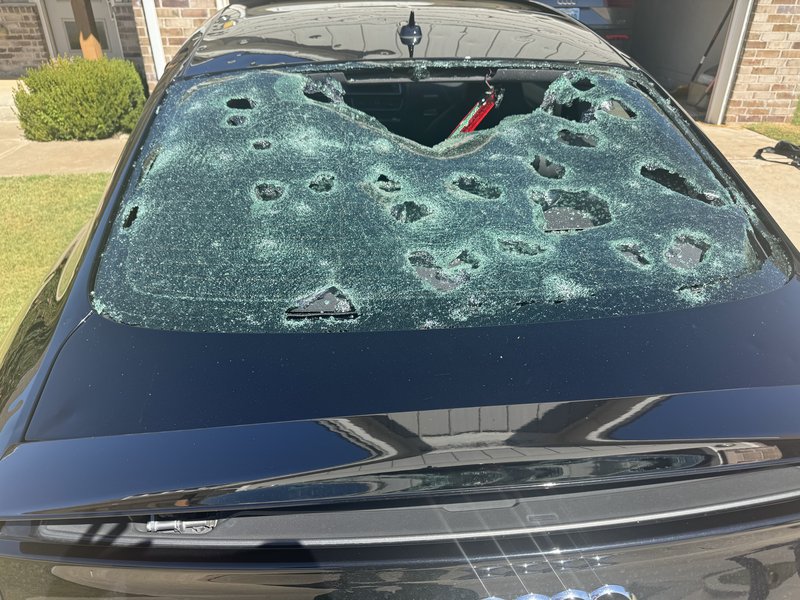
Vehicle damage from a severe hailstorm.
Scenario 2: The Unseen Deer
Driving home through a wooded area at dusk, a deer suddenly jumps out onto the road, resulting in an unavoidable collision. Your comprehensive policy would cover the damage to your vehicle, recognizing this as an animal strike rather than a typical collision with another object or vehicle.
Scenario 3: Theft from Your Driveway
You wake up one morning to find your car missing from your driveway. After reporting it to the police, your comprehensive insurance would initiate a claim to help cover the actual cash value of your vehicle if it's not recovered, providing crucial financial relief during a stressful time.

Understanding the process for a stolen vehicle claim.
Scenario 4: Flood Damage from a Flash Storm
A sudden and intense flash flood inundates your street while your car is parked, leading to significant water damage to the engine and interior. Comprehensive insurance would cover the necessary repairs or the vehicle's actual cash value if deemed a total loss.
Collision Coverage Guide: Protecting Against Road Impacts
Collision insurance coverage is specifically designed to protect your vehicle from damage resulting from an impact with another vehicle, a stationary object (like a tree, pole, or guardrail), or even from overturning. Crucially, this coverage applies regardless of who is determined to be at fault for the accident.
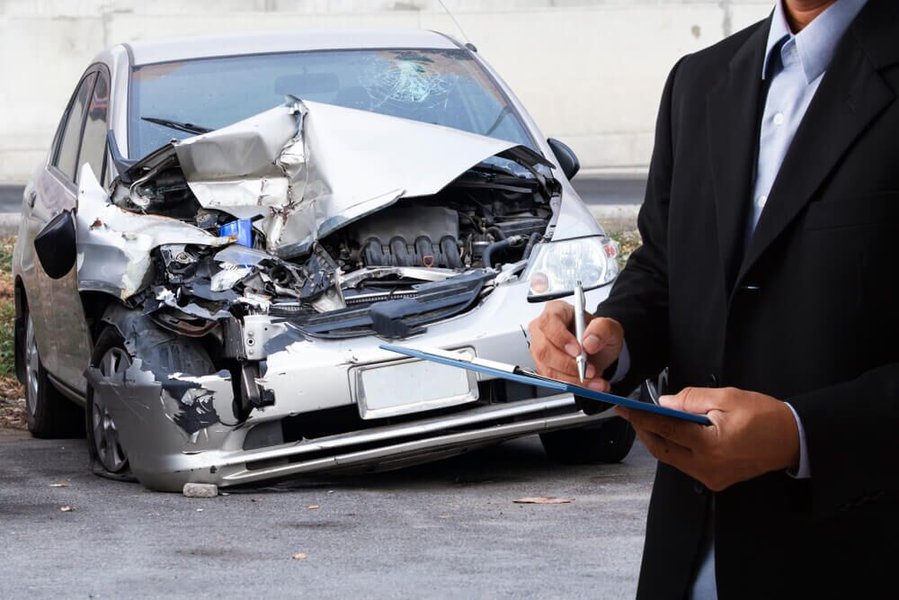
Visualizing the aftermath of a car accident, typically covered by collision insurance.
What Does Collision Insurance Typically Cover?
Collision insurance addresses a more straightforward set of circumstances related to impacts:
- Accidents with Other Vehicles: Whether you rear-end someone, are involved in a side-swipe, or a head-on collision, collision coverage pays for your vehicle's repairs, even if you are found at fault.
- Single-Vehicle Accidents: Damage incurred when your vehicle hits an inanimate object like a fence, guardrail, mailbox, or tree.
- Rollovers: If your vehicle overturns due to an accident, collision insurance covers the resulting damage.
- Pothole Damage: Damage to your vehicle caused by hitting a significant pothole or other road hazards.
- Hit-and-Run Incidents: In cases where another driver causes damage to your vehicle and leaves the scene without providing information, your collision coverage can step in to cover the repairs.
Real-World Collision Claim Scenarios
Here are practical examples demonstrating when collision insurance would be essential:
Scenario 1: The Parking Lot Mishap
While backing out of a parking space, you misjudge the distance and scrape the side of a concrete pillar, damaging your car's rear bumper and fender. Collision insurance would cover the cost of these repairs, allowing you to get your car fixed quickly.
Scenario 2: Rear-End Collision
You're driving in heavy traffic and momentarily distracted, leading you to accidentally rear-end the car in front of you. Even though you are at fault, your collision insurance would cover the damage to your vehicle, while your liability insurance would cover the damage to the other car.

Depiction of a car crash, highlighting the need for collision coverage.
Scenario 3: Swerving to Avoid Debris
You're on the highway, and suddenly, a large piece of debris appears in your lane. To avoid it, you swerve sharply and hit the guardrail, causing damage to your front end. Collision insurance would cover these repairs, as it's an impact with an object.
Comprehensive vs. Collision Comparison: A Side-by-Side Breakdown
To truly grasp the distinction and appreciate how comprehensive and collision coverages complement each other, a direct comparison is incredibly helpful. This table outlines the key differences, helping you understand their respective roles in protecting your vehicle.
| Coverage Aspect | Comprehensive Insurance | Collision Insurance |
|---|---|---|
| Primary Purpose | Covers non-collision damages to your vehicle. | Covers damages from impacts with other vehicles or objects. |
| Typical Scenarios Covered | Theft, vandalism, fire, hail, flood, falling objects, animal strikes. | Accidents with other cars, single-vehicle accidents (e.g., hitting a tree), rollovers, pothole damage. |
| Vehicle Movement | Often covers incidents when the vehicle is parked or not in motion (e.g., theft, weather). | Applies when the vehicle is in motion and impacts something. |
| Fault Consideration | Not applicable; covers "acts of God" or events outside driver control. | Covers damage to your vehicle regardless of who is at fault for the accident. |
| Average Annual Cost (2026 Estimate) | Typically lower, ranging from $134-$421. | Generally higher, ranging from $290-$743. |
| Legal Requirement | Never legally required by states for privately owned vehicles. | Never legally required by states for privately owned vehicles. |
| Lender Requirement | Often required by lenders for financed or leased vehicles. | Almost always required by lenders for financed or leased vehicles. |
| Impact on Premiums Post-Claim | Less likely to significantly increase premiums as incidents are often not fault-based. | More likely to increase premiums, especially if you are at fault, as it indicates higher risk. |
This comprehensive vs collision comparison clearly illustrates that these are distinct, yet complementary, forms of protection. Together with liability insurance, they form the foundation of what many refer to as full coverage insurance types.
Cost-Benefit Analysis: Weighing Your Coverage Options
Understanding the costs associated with comprehensive and collision coverage is crucial for making an informed decision. While neither is mandated by state law for owned vehicles, the financial protection they offer can far outweigh their premiums, especially in certain scenarios. Your specific premiums will be influenced by factors such as your vehicle's value, your deductible choice, your location, and your driving history.
Average Costs and Influencing Factors (2026 Data)
- Comprehensive Insurance: As of 2026, average annual premiums for comprehensive coverage range from approximately $134 to $421. This typically accounts for about 15-20% of a full coverage policy. Claims made under comprehensive insurance are often seen as less indicative of driver risk, so they tend to have a lesser impact on future premiums compared to collision claims.
- Collision Insurance: Average annual premiums for collision coverage are generally higher, estimated between $290 and $743 in 2026. This can make up 30-40% of a full coverage policy. Given that collision claims are more frequent and often involve more extensive repairs, they carry a higher premium.
Key Factors Influencing Your Premiums:
- Vehicle's Actual Cash Value (ACV): More expensive and newer vehicles generally cost more to insure under both coverages, as repairs or replacement will be pricier.
- Deductible Amount: A higher deductible (the amount you pay out-of-pocket before insurance kicks in) will lower your premium, and vice-versa.
- Geographic Location: Areas with higher rates of theft, vandalism, natural disasters, or traffic accidents often lead to higher premiums for the relevant coverage.
- Driving Record: While comprehensive claims are less affected, a history of at-fault accidents will significantly increase your collision premiums.
- Vehicle Type: Certain vehicle types, such as sports cars or luxury models, may have higher repair costs, impacting premiums.
When to Get Comprehensive Insurance
Deciding when to get comprehensive insurance involves evaluating your personal circumstances and risk exposure:
- Financed or Leased Vehicles: Lenders almost universally require comprehensive coverage to protect their investment.
- Newer or High-Value Vehicles: If your car is relatively new, expensive, or still holds significant value, comprehensive coverage protects you from substantial financial loss due to non-collision damage or theft.
- High-Risk Areas: If you live in or frequently travel through areas prone to high rates of vehicle theft, vandalism, or severe weather (like hailstorms, floods, or wildfires), comprehensive coverage is highly advisable.
- Outdoor Parking: Vehicles regularly parked outdoors are more exposed to elements, falling objects, and vandalism, making comprehensive coverage a smart choice.
- Wildlife Zones: If your commute involves areas with high deer populations, comprehensive insurance offers peace of mind against costly animal collisions.

Deer collision graphic, illustrating a common comprehensive claim.
When to Consider Dropping Coverage
Conversely, there are times when it might be more economical to forgo one or both coverages:
- Older, Low-Value Vehicles: For cars where the annual premium for comprehensive collision coverage approaches or exceeds 10% of the vehicle's actual cash value, it might be more cost-effective to drop the coverage and self-insure for potential damages.
- Financial Flexibility: If you have sufficient savings to comfortably cover the full cost of repairing or replacing your vehicle out-of-pocket, you might opt out of these coverages to reduce premiums.
- Minimal Risk Exposure: If you live in a very low-crime area with mild weather and rarely drive, the perceived need for extensive physical damage coverage might decrease.
State-Specific Coverage Requirements and 2026 Updates
While neither comprehensive nor collision insurance is legally mandated by any state, liability insurance remains a universal requirement (with a few unique exceptions). It's crucial to be aware of your state's minimum liability requirements, as these can influence your overall insurance strategy.
- New Hampshire: Remains the only state without mandatory liability insurance, though drivers must prove financial responsibility if they opt out.
- Virginia: Offers an option to pay an uninsured motor vehicle fee instead of carrying traditional insurance.
- 2026 Updates: Several states have seen adjustments to their minimum liability limits. For example, Hawaii increased its minimum liability limits to 40/80/20 in 2026, while Utah raised theirs to 30/65/25 starting January 2025. These changes, while not directly affecting comprehensive or collision, underscore the dynamic nature of insurance regulations.
If you have a financed or leased vehicle, your lender will almost certainly require you to carry both comprehensive and collision insurance, regardless of state mandates. This protects their asset against a wider range of damages.
Making the Right Choice: A Decision Framework
Choosing the right combination of coverage is a personal decision, best made by systematically evaluating your needs and circumstances. Use this framework to guide your choice:
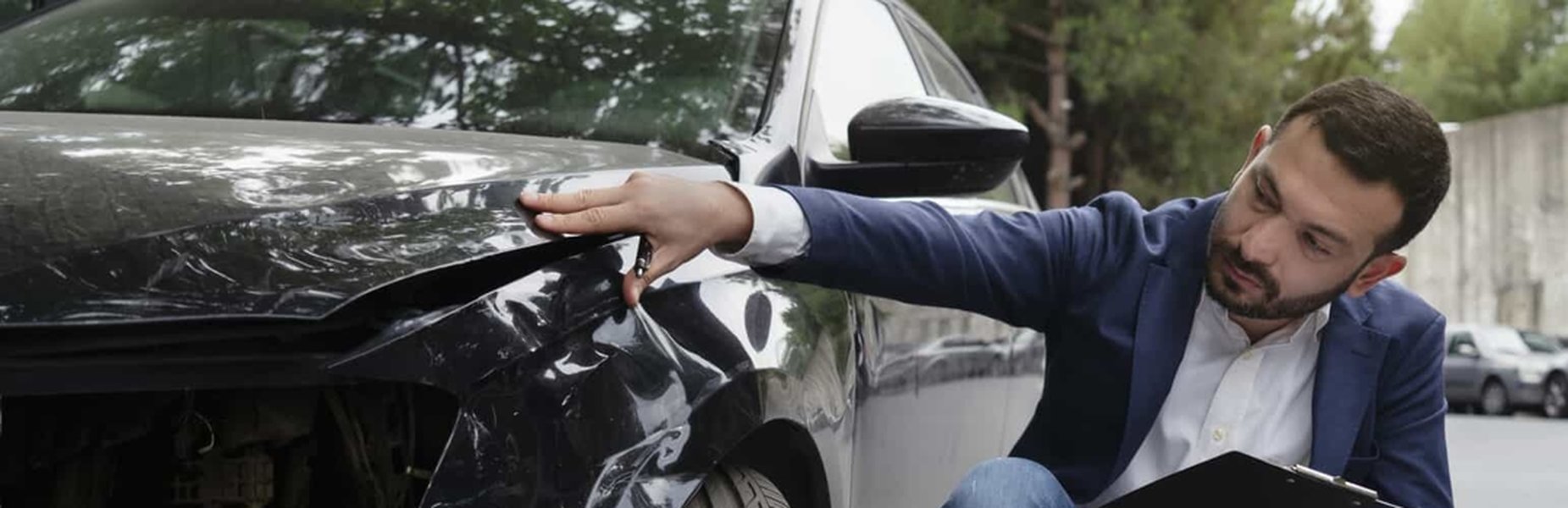
A visual representation of assessing vehicle damage for insurance claims.
1. Assess Your Vehicle's Value and Age
- Newer/High-Value Vehicles: For cars less than 5-7 years old or with a high market value, both comprehensive and collision are highly recommended. The cost of repairs or replacement could be substantial.
- Older/Low-Value Vehicles: If your car's market value is low (e.g., under $3,000-$5,000), consider if the annual premiums for these coverages, combined with your deductible, are economically justifiable. It might be cheaper to put the premium money aside for potential repairs.
2. Evaluate Your Financial Situation
- Emergency Fund: Do you have an emergency fund sufficient to cover the full cost of repairing or replacing your vehicle if it's damaged or totaled? If not, these coverages provide a critical financial safety net.
- Risk Tolerance: Are you comfortable taking on the financial risk of potential vehicle damage yourself, or do you prefer the peace of mind that insurance provides?
3. Consider Your Driving Habits and Environment
- Commute & Mileage: Frequent driving, especially in heavy traffic, increases your exposure to collision risks.
- Parking Conditions: Where do you park your car daily and overnight? Street parking in an urban area increases theft, vandalism, and even weather exposure compared to a secure garage.
- Local Risks: Are you in an area known for severe weather (hail, floods), high crime rates (theft, vandalism), or abundant wildlife? These factors favor comprehensive coverage.
4. Review Lender Requirements
- If your car is financed or leased, consult your loan or lease agreement. It will specify the exact insurance coverages required, which almost always include both comprehensive and collision.
5. Understand Your Deductibles
- You can often choose different deductibles for comprehensive and collision. A higher deductible means lower premiums but more out-of-pocket costs at the time of a claim. Select deductibles that you can realistically afford.
Optional Endorsements and Full Coverage Insurance Types
Full coverage insurance types is not a specific type of policy, but rather a common term for a policy that bundles liability with comprehensive and collision insurance. Beyond these core coverages, various endorsements can further tailor your policy to your specific needs:
- Gap Insurance: Crucial for newer, financed vehicles. It covers the difference between your car's actual cash value and the amount you still owe on your loan if your vehicle is totaled or stolen.
- Rental Car Reimbursement: Pays for a rental car while your vehicle is being repaired after a covered claim.
- Roadside Assistance: Covers services like towing, flat tire changes, battery jump-starts, and fuel delivery.
- New Car Replacement: For new vehicles, this endorsement ensures that if your car is totaled, you receive funds for a brand-new car of the same make and model, rather than just its depreciated value.
- Custom Parts and Equipment Coverage: If you have aftermarket modifications or expensive upgrades, standard policies may not cover them. This endorsement provides protection for these additions.
FAQ: Your Top Questions About Comprehensive vs. Collision Insurance
Conclusion: Securing Your Vehicle's Future
The distinction between comprehensive vs collision insurance is fundamental to building an effective auto insurance policy. While comprehensive protects against the unpredictable and uncontrollable events, collision shields your vehicle from the immediate impact of accidents, regardless of fault. Together, these two types of coverage provide robust protection for your vehicle, forming the core of what is widely known as "full coverage."
Making the right choice involves a careful assessment of your vehicle's value, your financial readiness, your driving environment, and your personal risk tolerance. Regularly reviewing your policy, especially as your vehicle ages or your circumstances change, ensures you maintain optimal protection without overpaying for unnecessary coverage. By understanding these critical differences, you empower yourself to make informed decisions that safeguard your investment and provide lasting peace of mind on the road.
