

Unlock the secrets to dramatically lowering insurance premiums for teens and first-time drivers in electric vehicles.
To significantly lower insurance costs for young drivers operating electric vehicles (EVs), prioritize selecting models known for lower repair expenses and robust safety ratings, such as the Chevrolet Bolt or Nissan Leaf. Maximize available discounts like good student and defensive driving courses, often offered by major US insurers like GEICO and State Farm. Additionally, adding a teen to a parent's existing policy usually provides substantial savings, while young adults should actively engage with telematics programs that reward safe driving habits. These combined approaches can reduce Young Driver EV Insurance premiums by 20-40%, depending on the state and individual driving record.
Why Young Driver EV Insurance Commands Higher Premiums
Understanding the Dual Challenge: Inexperience Meets Advanced Technology
Insuring young drivers, especially those behind the wheel of an electric vehicle, presents a unique financial challenge. Several factors converge to push premiums significantly higher than for experienced drivers in conventional gasoline-powered cars. Understanding these underlying reasons is crucial for effectively implementing cost-reduction strategies.
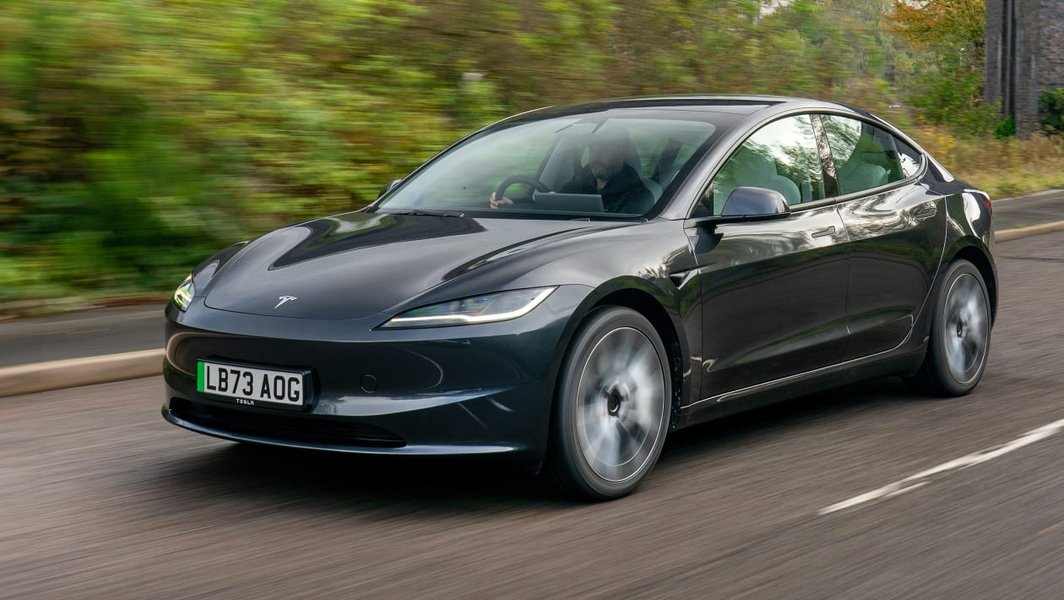
The sleek design of modern EVs like the Tesla Model 3 often belies their higher repair costs.
The Inexperience Factor: Statistical Realities of Young Drivers
Young drivers, particularly those under 25, are statistically considered "high-risk" by insurance companies across the United States. This designation stems from a combination of factors:
- Limited Driving Experience: Inexperienced drivers are more prone to errors, misjudgments, and delayed reactions, leading to a higher frequency of accidents. The fatal crash rate per mile driven for 16-17 year olds is nearly three times higher than for drivers aged 20 and older.
- Higher Accident Frequency and Severity: Studies from the National Household Travel Survey indicate that the crash rate for 16-year-olds is 1.5 times greater than for 18-19 year-olds. Insurers often find themselves paying out significantly more in claims for teen drivers than they collect in premiums.
- Risk-Taking Behavior: Young drivers, especially males, may exhibit more impulsive or aggressive driving behaviors, such as speeding or distracted driving, further elevating their risk profile.
The EV Factor: Specialized Costs and Complexities
When an inexperienced driver is paired with an electric vehicle, the cost of insurance can skyrocket. EVs introduce several additional cost considerations:
- Higher Purchase Price: Electric vehicles often have a greater upfront cost compared to their gasoline counterparts. Since insurance is designed to cover potential damage or replacement costs, a higher vehicle value directly translates to higher premiums.
- Expensive and Specialized Repairs: EVs contain advanced, often proprietary, components like large battery packs, complex thermal management systems, and sophisticated electronics. Repairing or replacing these specialized parts after a collision can be significantly more expensive and requires technicians with specific training and certifications. Industry data suggests that EV insurance can cost approximately 49% more than coverage for gas-powered vehicles, largely due to these repair complexities.
- Battery Replacement Costs: The battery pack is the most expensive component of an EV. While insurance typically covers battery damage from a covered event, the potential cost of replacement significantly impacts actuarial risk assessments.
- Parts Availability and Infrastructure: While improving, the repair infrastructure and parts supply chain for EVs are still evolving. Limited availability of specialized parts and EV-trained mechanics can lead to longer repair times and higher labor costs, all of which contribute to elevated insurance rates.
Harnessing Savings: Top Discounts for Young EV Drivers
Maximizing Every Opportunity to Reduce Premiums
Despite the inherent challenges, numerous discounts can significantly lower electric car insurance discount young driver premiums. Strategic application of these savings opportunities is key for families and young adults alike.
The Good Student Discount: Rewarding Academic Excellence
This is one of the most effective discounts for young drivers. Most major US insurers, including State Farm, GEICO, and Allstate, offer substantial savings for students who maintain strong academic performance.
- Requirements: Typically, a student must maintain a "B" average or higher (often a 3.0 GPA). Savings can range from 10-25% and may be available until the driver turns 25.
- How it Helps: Insurers view academically responsible students as less prone to risky behavior on the road. Proof of good grades, such as recent report cards or transcripts, is usually required.
Defensive Driving Course Discount: Proactive Safety Training
Completing an approved defensive driving course not only enhances a young driver's skills but also signals a commitment to safe driving practices to insurers.
- Benefits: These courses teach advanced techniques for accident avoidance and hazard perception. Discounts of 5-15% are common from providers like State Farm and Allstate. Look for programs approved by organizations like the National Safety Council or AAA.
- US Context: Many US states have Graduated Driver Licensing (GDL) programs that encourage or require such training, making it a double benefit.
Telematics Programs (Usage-Based Insurance): Driving Behavior as Your Advocate
Telematics programs are a game-changer for first time driver EV insurance guide users, offering a direct link between safe driving and lower premiums.
- How it Works: These programs use a small plug-in device or a smartphone app to monitor actual driving habits, such as speed, braking, acceleration, and mileage. Insurers like State Farm (Drive Safe & Save), GEICO (DriveEasy), and Progressive (Snapshot) offer these.
- Potential Savings: Drivers often receive an initial discount just for enrolling (e.g., 5-10%) and can earn further discounts of up to 30% or more based on consistently safe driving. This is particularly beneficial for young drivers eager to prove their responsibility.
Multi-Policy & Multi-Car Discounts: Bundling for Bigger Savings
Bundling various insurance policies or insuring multiple vehicles with the same provider can lead to significant savings for families.
- Multi-Policy: Combining auto insurance with homeowners, renters, or even life insurance policies can yield discounts of 10-25%. Allstate, for example, offers up to 25% for bundling home and EV insurance.
- Multi-Car: Insuring two or more cars on a single policy, such as a parent's vehicle and the young driver's EV, often results in a multi-car discount.
- Benefit for Young Drivers: Adding a young driver to an existing family policy leverages these established discounts, making it almost always more affordable than a separate policy.
EV-Specific Discounts: Green Incentives
As EVs become more mainstream, some insurers are beginning to offer discounts specifically for electric and hybrid vehicles.
- Examples: Travelers offers up to 10% off for hybrid or EV owners. Companies like USAA, Nationwide, and State Farm may provide "green vehicle" discounts. Allstate even offers discounts for home EV charger installation.
- Important Note: Always ask your insurance agent about any potential EV-specific discounts, as they can vary by state and may not be widely advertised.
The EV Factor: Choosing the Right Model for Lower Premiums
The Impact of Vehicle Choice on Your Insurance Bill
The specific electric vehicle model chosen plays a significant role in determining insurance costs. When looking to reduce insurance cost young driver EV, opting for models with moderate power, strong safety ratings, and more affordable repair costs is paramount.
Cheapest EVs to Insure for Young Drivers (US, 2026 Estimates)
While exact rates vary based on location, driver profile, and insurer, certain EV models consistently prove more affordable to insure for young drivers. Avoid high-performance vehicles like the Tesla Model S Plaid or Porsche Taycan, as their power and high repair costs will result in prohibitive premiums.
*These are estimated ranges. Actual premiums depend on individual driver factors, location, coverage limits, and chosen insurer. Data compiled from multiple insurance industry sources 2026.

Choosing EVs with predictable handling can be beneficial for new drivers.
Policy Structure: Parent's Policy vs. Separate Coverage
The Most Impactful Decision for Young Driver EV Insurance
One of the most critical decisions affecting how to lower insurance for teen EV drivers is whether to add them to an existing family policy or obtain a separate policy. For most families, the answer is clear: adding a young driver to a parent's policy is almost always the more economical choice.
Advantages of Staying on a Parent's Policy
- Leveraging Established History: The young driver benefits from the parent's established driving record, potentially higher credit score (which insurers use in many states), and long-standing customer loyalty discounts.
- Multi-Vehicle and Bundling Discounts: The family can continue to utilize multi-vehicle and multi-policy bundling discounts, which are typically much larger than any single discount available for a young, inexperienced driver.
- Lower Overall Cost: The average cost to add a teen to a parent's policy ranges from approximately $1,500-$3,000 annually. This is significantly less than the $5,000-$8,000+ per year a separate policy for a young driver could cost.
- Continuous Coverage: Maintains continuous insurance history, which helps reduce premiums over time.
Considerations for a Separate Policy
While generally more expensive, there are scenarios where a separate policy might be necessary, such as when a young adult moves out and establishes their own household.
- Higher Premiums: A standalone policy for a young driver lacks the benefits of an established record and bundled discounts, resulting in significantly higher rates.
- Building Individual Credit: It allows the young driver to build their own insurance and credit history, which can eventually lead to lower rates in the long term.
- Maintaining Coverage: Crucially, young drivers should maintain continuous coverage to avoid gaps that could result in higher premiums later.
Strategic Maneuvers: Comprehensive Strategies to Slash EV Premiums
Beyond Discounts: Proactive Steps for Sustainable Savings
Beyond leveraging discounts, several proactive strategies can significantly help reduce insurance cost young driver EV premiums over time.
1. Adjust Deductibles Wisely
Increasing your deductible (the amount you pay out-of-pocket before insurance covers the rest) can lower your monthly or annual premium. For example, moving from a $500 deductible to a $1,000 deductible could reduce premiums by 10-15%. However, ensure the young driver (or family) can comfortably afford the higher out-of-pocket expense in case of an accident.
2. Optimize Coverage Levels
While adequate liability coverage is non-negotiable, you might adjust comprehensive and collision coverage as the EV's value depreciates. For older EVs worth less than $5,000, consider if the cost of collision coverage outweighs the potential payout after a deductible. Always maintain sufficient liability limits to protect against costly lawsuits.
3. Maintain a Pristine Driving Record
This is arguably the most impactful long-term strategy for any driver. A single speeding ticket or at-fault accident can increase young driver premiums by 25-50% for several years. Emphasize defensive driving and consider restricting driving during high-risk times (e.g., late nights, adverse weather) until more experience is gained.

Consistent, safe driving is the best way to build a clean record and lower premiums.
4. Shop Around Annually
Insurance rates are not static and can vary significantly between companies. Obtain quotes from at least three different insurers annually, even if you're satisfied with your current provider. Companies update their algorithms and risk assessments, meaning a competitor might offer a better rate for your specific profile, especially as the young driver gains experience.
5. Build a Strong Credit Score (where applicable)
In most US states, insurers use credit-based insurance scores to help determine premiums. Encouraging young adults to establish and maintain a good credit score (e.g., through responsible use of a secured credit card) can lead to lower rates later on. Note that some states like California and Massachusetts prohibit the use of credit scores in insurance pricing.
EV Safety Features: Accident Prevention as a Premium Reducer
How Advanced Technology Can Make Young Drivers Safer (and Cheaper to Insure)
Modern electric vehicles are often equipped with a suite of Advanced Driver-Assistance Systems (ADAS) that can actively prevent accidents or mitigate their severity. These EV safety features are increasingly recognized by insurers and can lead to discounts. When considering the best insurance for young drivers electric car 2026, prioritize models with comprehensive safety packages.
Key Safety Features That Lower Costs:
- Automatic Emergency Braking (AEB): This system detects impending collisions and can apply the brakes if the driver doesn't react in time. It significantly reduces the frequency and severity of common rear-end collisions.
- Lane Keeping Assist (LKA) / Lane Departure Warning (LDW): These systems alert or gently steer the vehicle back into its lane if unintentional drifting occurs, preventing side-swipe accidents and run-off-road incidents.
- Adaptive Cruise Control (ACC): By automatically adjusting vehicle speed to maintain a safe following distance from the car ahead, ACC helps prevent front-end collisions and reduces driver fatigue.
- Blind Spot Monitoring (BSM): Alerts the driver to vehicles in their blind spots, preventing dangerous lane change maneuvers. This is particularly helpful for less experienced drivers still developing spatial awareness.
- Parking Assist Features: Technologies like rear cross-traffic alert and 360-degree cameras can reduce minor parking lot incidents, which are common for new drivers.
Many insurers offer specific discounts (typically 5-15%) for vehicles equipped with these advanced safety features. When test driving an EV, ask about its ADAS suite and confirm which features are recognized for discounts by potential insurers.
Telematics Programs: Your Driving Coach for Lower Premiums
Empowering Young Drivers with Usage-Based Insurance
Telematics programs, also known as usage-based insurance (UBI), are particularly valuable tools for young drivers and a key component of any effective first time driver EV insurance guide. They shift the focus from broad statistical risk to individual driving behavior.
How Telematics Works:
These programs use either a plug-in device (OBD-II port) or a smartphone app to collect data on various driving parameters, including:
- Speed and Acceleration: Monitoring for excessive speeding or aggressive acceleration.
- Braking Patterns: Detecting hard braking, which can indicate sudden stops or tailgating.
- Time of Day Driven: Recognizing that nighttime driving carries higher risks.
- Mileage: Lower mileage often correlates with lower risk.
- Phone Use While Driving: Some advanced programs can even detect distracted driving.
Benefits for Young EV Drivers:
- Direct Feedback: Most programs provide a dashboard or app where drivers can review their scores and identify areas for improvement, fostering safer habits.
- Accountability: The financial incentive of discounts (often up to 30%) encourages young drivers to be more conscientious behind the wheel.
- Personalized Rates: Instead of being penalized by broad actuarial tables, safe young drivers can demonstrate their low-risk behavior and earn personalized, lower rates.
- Initial Discount: Many insurers offer an immediate small discount simply for enrolling in the program.
Leading US insurers offering telematics include State Farm (Drive Safe & Save), GEICO (DriveEasy), Progressive (Snapshot), Allstate (Drivewise), and Nationwide (SmartRide).
Top US Insurance Companies for Young EV Drivers (2026)
Finding Your Best Match for Affordable EV Coverage
Not all insurance companies rate young drivers or electric vehicles the same way. When seeking the best insurance for young drivers electric car 2026, it's essential to compare providers based on their specific offerings and rating methodologies.
*Discount availability varies by state and individual circumstances. USAA membership is restricted to military personnel, veterans, and their families.
Building a Clean Driving Record: The Gold Standard for Savings
How Young Drivers Can Quickly Establish a Favorable Insurance History
For any young driver, but especially those navigating the complexities of young driver EV insurance, establishing and maintaining a clean driving record is the single most effective long-term strategy for reducing premiums.
Practical Steps for a Flawless Record:
- Master Graduated Driver Licensing (GDL) Laws: Adhere strictly to your state's GDL program rules, which often restrict nighttime driving, passenger limits, and require extensive supervised driving hours. This demonstrates responsibility and avoids early violations.
- Practice Defensive Driving: Go beyond the basics. Enroll in advanced driving courses (e.g., from AAA or local driving schools) that teach accident avoidance, skid control, and heightened hazard perception.
- Avoid High-Risk Conditions: Voluntarily limit driving during adverse weather conditions or late at night until significant experience is gained. These are statistically the riskiest times for accidents.
- Stay Ticket-Free: Even minor traffic violations can significantly increase premiums for several years. Focus on obeying speed limits and traffic laws.
- Utilize Telematics: As discussed, UBI programs provide real-time feedback and direct financial incentives for safe driving, actively helping to cultivate good habits.
- Maintain Continuous Coverage: Avoid any gaps in insurance, as these can flag you as a higher risk and lead to increased premiums when you re-apply for coverage.
Premiums for young drivers typically decrease most significantly around age 25, or after a few years of incident-free driving. Every year without claims or violations builds a more favorable profile.
FAQ: Your Top Questions About Young Driver EV Insurance Answered
Conclusion
While the prospect of insuring a young driver in an electric vehicle can seem daunting due to higher premiums, a strategic approach combining smart vehicle choices, proactive discount seeking, and diligent driving habits can significantly mitigate costs. By understanding why premiums are high, leveraging every available discount—from good student to telematics programs—and selecting EVs known for affordability and safety, families can make young driver EV insurance manageable. Remember to shop around annually among top US insurers like State Farm, GEICO, and Progressive to ensure you're always getting the best possible rates for your specific situation. Empowering young drivers to build a clean driving record from day one is the most effective long-term investment in affordable insurance.
