

Navigate the critical world of EV high-voltage safety with precise location guides for every major brand and essential shutdown procedures.
Key Insights for High-Voltage EV Safety
- Critical Safety First: Always assume high voltage is present and never attempt work without proper training, PPE, and adherence to OEM procedures.
- Location Varies: EV service plugs, or manual service disconnects (MSDs), are typically found under rear seats, in the trunk/frunk, or behind trim panels, but vary significantly by manufacturer and model.
- Tesla's Unique Approach: Unlike many EVs, most Tesla models do not feature a traditional removable service plug, relying instead on 12V system disablement and specific emergency responder protocols.
Critical Safety Warning: Understanding Lethal High Voltage in EVs
Before any discussion about locating and manipulating an EV service plug or high-voltage battery disconnect switch, it is paramount to understand the inherent dangers. Electric vehicle high-voltage systems typically operate at voltages between 400 and 800 volts, with some reaching even higher, carrying potentially lethal current levels. Direct contact or an arc flash can result in severe injury, electrocution, or death. Therefore, you must never attempt to access or disconnect any high-voltage components without proper training, certification, and personal protective equipment (PPE), including Class 0 insulated gloves (rated for 1000V), safety glasses, and non-conductive footwear. This guide is for informational purposes only. Always follow manufacturer-specific procedures and the National Fire Protection Association (NFPA) 70E electrical safety standards when working with EV systems. For first responders, adherence to US NHTSA emergency response guides is non-negotiable.
A universal visual cue for high-voltage systems is the use of bright orange cables and connectors. These components should never be cut, pried, or pierced. Always assume high voltage is energized until you have properly verified a zero-energy state with appropriate testing equipment and training.
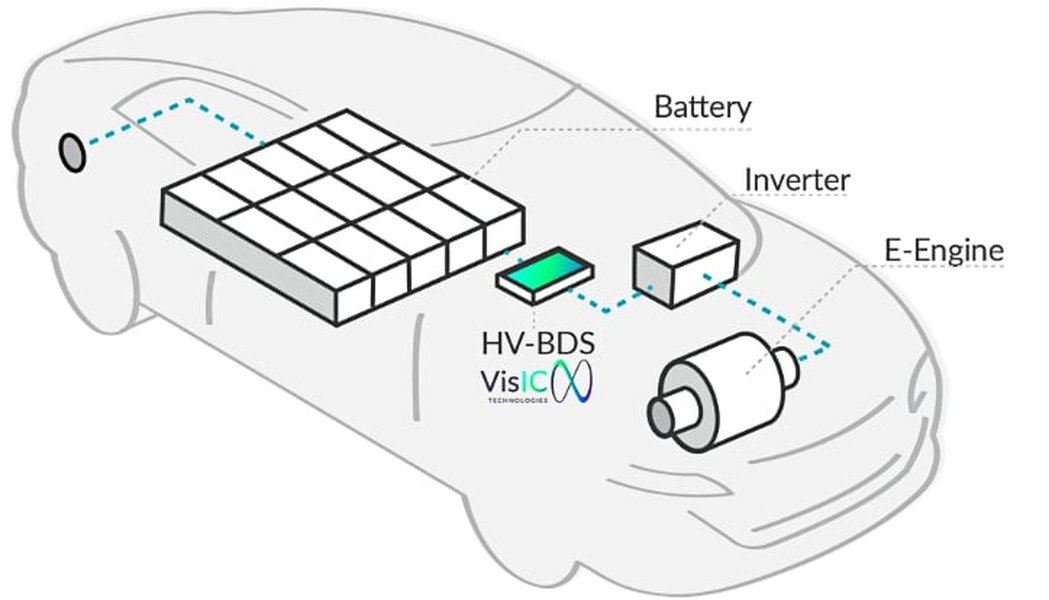
Understanding the critical components of a high-voltage battery disconnect system.
What is an EV Service Plug (Manual Service Disconnect) and Its Crucial Role?
The EV service plug, also known as a manual service disconnect (MSD) or high-voltage battery disconnect, is a fundamental safety device in electric vehicles. Its primary function is to physically break the electrical circuit between the high-voltage battery pack and the rest of the vehicle's high-voltage electrical components. This isolation makes the vehicle significantly safer for technicians performing maintenance or repairs, and for first responders during emergency situations such as accidents or vehicle fires.
This critical component is integrated into the vehicle's high-voltage interlock loop (HVIL) system. The HVIL continuously monitors the integrity of the high-voltage circuit. When the service plug is properly removed, the HVIL circuit is interrupted, signaling the vehicle's control systems to immediately disable high-voltage power distribution. This action prevents the propulsion system from energizing and safeguards anyone interacting with the vehicle. The existence of the MSD reflects manufacturers' commitment to safety, providing a reliable method to render a potentially dangerous system safe for human interaction.
Brand-by-Brand Guide: Where is the EV Service Plug Located?
The exact EV service plug location varies widely between manufacturers and even models within the same brand. However, general principles often dictate their placement: they are usually near the high-voltage battery for shorter, more protected busbar paths, and are designed for relatively straightforward access, though often requiring the removal of a trim panel or seat cushion.
Tesla: A Unique Approach to High-Voltage Disconnection
For most Tesla models (e.g., Model 3, Model Y, Model S, Model X), a traditional, user-removable EV service plug is not present. Instead, Tesla employs automated shutdown mechanisms in the event of a significant impact. For manual high-voltage disablement, Tesla vehicles typically require specific procedures that involve de-energizing the 12-volt system, which in turn commands the high-voltage contactors to open. First responders often utilize designated 'first responder loops' or specific cutting points clearly marked in the vehicle's emergency response guides. Always consult Tesla's official first responder information for the precise, model-specific procedure.

Tesla's internal high-voltage system requires specific procedures for safe disablement.
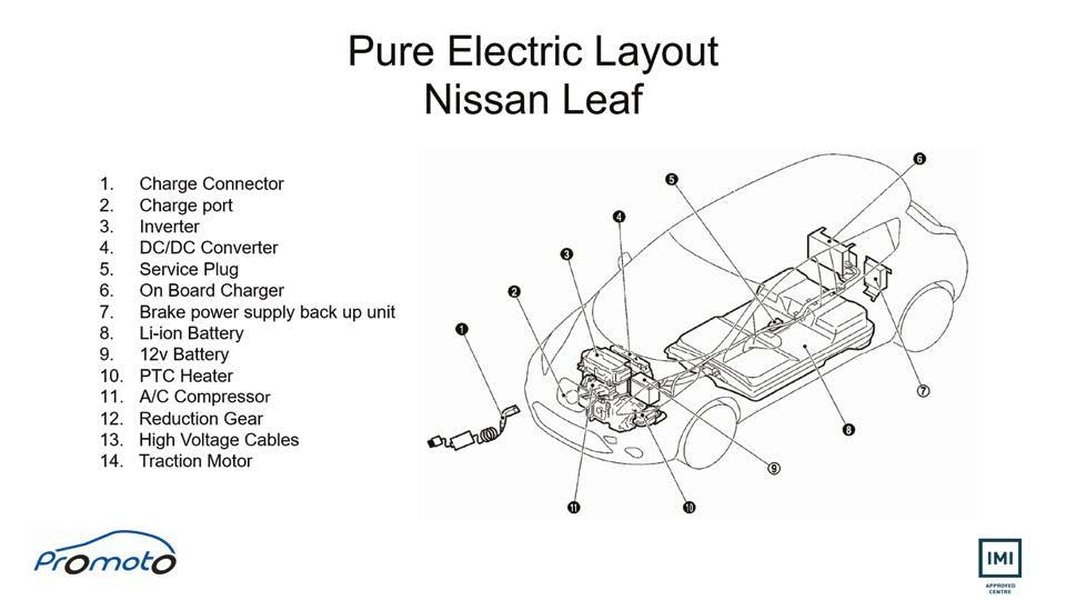
Nissan Leaf: Accessible Service Plug in the Cargo Area
The Nissan Leaf, a popular choice in the US market, typically features its EV service plug in a readily accessible location. You will often find the bright orange high-voltage disconnect switch in the rear cargo area, usually behind a trim panel on the right side. Removal involves unlocking a safety latch and carefully pulling the unit straight out to break the high-voltage connection. This design prioritizes ease of access for both maintenance and emergency scenarios.
Chevrolet Bolt EV/EUV: Frunk or Under Rear Seat Access
Chevrolet Bolt EV and Bolt EUV models commonly place their manual service disconnect either in the vehicle's front trunk (frunk) compartment or under the rear seat. If in the frunk, accessing it may require removing a storage tray to reveal an access panel beneath which the orange service plug assembly is secured. If under the rear seat, lifting the seat cushion would reveal the disconnect. Proper procedure typically involves disconnecting the 12-volt battery first to ensure a complete and safe shutdown.
Ford Mustang Mach-E: High-Voltage Disconnect in the Frunk
The Ford Mustang Mach-E's electric car high voltage cutoff switch is generally located in the front trunk area. To access it, removal of the frunk tub and possibly several other trim pieces might be necessary to expose the bright orange disconnect module. Ford's design incorporates safety interlocks to prevent accidental removal while the vehicle is powered on, reinforcing the importance of following specific manufacturer guidelines.
Hyundai Ioniq Series (Ioniq 5, Ioniq 6): Under the Rear Seat
Hyundai Ioniq models, including the Ioniq 5 and Ioniq 6, typically position their EV service plug under the rear seat bench. After safely removing the seat cushion, technicians or first responders will find the high-voltage disconnect switch protected by a cover and secured with safety fasteners. Access and removal require appropriate HV gloves and tools, and adherence to Hyundai's specific procedures to ensure complete high-voltage system isolation.
Toyota Prius Prime and bZ4X: Trunk or Under Rear Seat Locations
Toyota's approach to the high voltage battery disconnect switch guide varies by model. The Prius Prime, a popular Plug-in Hybrid Electric Vehicle (PHEV), often locates its service plug in the trunk area, concealed behind interior trim panels. For the fully electric bZ4X SUV, the disconnect is usually found under the rear seat. Both models feature the characteristic bright orange coloring and are secured with multiple safety latches, underscoring the universal safety indicators for high-voltage components.
Rivian R1T and R1S: Frunk Access for Safety Disconnect
Rivian vehicles, such as the R1T pickup and R1S SUV, incorporate their high-voltage safety disconnect in the front trunk space. Access generally requires the removal of the frunk storage bin and several protective covers to reach the disconnect. Rivian's systems often include both a physical disconnect and clearly labeled emergency cut loops specifically designed for first responder use, emphasizing comprehensive safety protocols.
Master Reference: EV Emergency Disconnect Location Overview
For quick reference, here's a summary of where to find EV service plug locations on popular US-market electric vehicles, along with key characteristics. Remember, always consult the vehicle's specific emergency response guide or service manual for the most accurate and up-to-date information.
- Tesla Model 3/Y/S/X: No traditional user-accessible service plug. Disable via 12V system shutdown or first responder loops as per Tesla's specific procedures.
- Nissan Leaf: Rear cargo area, behind a right-side trim panel. Bright orange service plug with a safety latch.
- Chevrolet Bolt EV/EUV: Often in the frunk under a storage tray and access panel, or under the rear seat. Orange assembly with a locking mechanism.
- Ford Mustang Mach-E: Front trunk (frunk) area, requires removal of frunk tub and trim. Bright orange module.
- Hyundai Ioniq (all models): Under the rear seat bench, protected by a cover and fasteners. Bright orange switch.
- Toyota Prius Prime: Trunk area behind interior trim panels. Bright orange "service plug grip."
- Toyota bZ4X: Under the rear seat. Bright orange disconnect with safety latches.
- Rivian R1T/R1S: Front trunk (frunk) space, requires removal of storage bin and covers. Includes physical disconnect and emergency cut loops.
The consistent use of orange coloring for high-voltage components, including the service plug, is a critical visual indicator that signals potential danger and the need for extreme caution and proper training.
How to Safely Disconnect an EV High-Voltage Battery: The Removal Procedure
Safely removing an EV service plug requires strict adherence to a multi-step protocol to prevent injury. This procedure should only be performed by trained and properly equipped individuals. While specific steps may vary by manufacturer, the general process for how to find EV service plug and safely remove it is as follows:
Step-by-Step Guide for High-Voltage Disconnection:
- Power Down the Vehicle: Ensure the vehicle is completely turned off and the key fob is moved at least 16 feet away to prevent accidental re-energization.
- Disconnect 12-Volt Battery (if required): For many EVs, especially those without a traditional service plug or as part of the procedure, disconnecting the 12-volt auxiliary battery is a crucial first step to de-energize the high-voltage system.
- Don Proper PPE: Always wear appropriate Personal Protective Equipment, including Class 0 insulated gloves (rated for 1000V), safety glasses, and non-conductive footwear. Arc-flash resistant garments are recommended for certain tasks.
- Locate Service Plug: Using the vehicle's service information or emergency responder guide, accurately identify the EV service plug location.
- Unlock and Remove Disconnect: Carefully release any locking tabs or levers. Using both hands, pull the service plug straight out from its housing. Avoid twisting or forcing it.
- Isolate the Removed Plug: Place the removed service plug in a secure, non-conductive location away from the vehicle to prevent accidental reinsertion. Implement lockout/tagout procedures if applicable.
- Wait for System Discharge: Allow at least 5-15 minutes (manufacturer-specific) for high-voltage capacitors to discharge through their built-in bleed resistors. Never assume immediate de-energization.
- Verify Zero Energy State: Using a properly rated digital multimeter with insulated leads, confirm the absence of voltage across all high-voltage terminals before proceeding with any work. Only qualified personnel should perform this step.
A trained technician safely removing a high-voltage battery disconnect plug.
EV Battery Disconnect for First Responders: Crucial Emergency Procedures
For first responders arriving at an electric vehicle incident, such as a collision or fire, rapid and safe de-energization of the high-voltage system is paramount. The EV battery disconnect for first responders is a critical step in ensuring scene safety and protecting personnel. The National Highway Traffic Safety Administration (NHTSA) provides specific guidance for emergency response to electric vehicle incidents, and these guidelines form the backbone of American first responder EV training programs.
Key Steps for First Responders at an EV Incident:
- Establish a Safety Zone: Immediately establish a safety perimeter of at least 50 feet around the vehicle, especially if there's smoke, fire, or visible battery damage.
- Identify the Vehicle: Confirm the vehicle is electric or hybrid using badging, charging ports, or other visual cues (e.g., green/blue license plates in some states).
- Consult Emergency Response Guide (ERG): Access the vehicle-specific ERG (often available via apps or QR codes on the vehicle) for precise disablement procedures.
- Don Appropriate PPE: All personnel approaching the vehicle must wear insulated tools and appropriate PPE, including high-voltage rated gloves.
- Disable High-Voltage System:
- If a traditional EV service plug is present and safely accessible, follow the manufacturer's procedure for removal.
- If the vehicle uses alternative methods (like Teslas), perform the 12-volt battery disconnect and/or utilize identified first responder cut loops.
- Deploy Lockout/Tagout: Once the system is de-energized, implement lockout/tagout procedures to prevent accidental re-energization.
- Wait for Discharge: Always allow the recommended waiting period (typically 5-15 minutes) for residual energy to dissipate from capacitors.
- Monitor for Re-ignition: For battery fires, apply large, sustained volumes of water and be aware of thermal runaway and re-ignition potential. Never breach the battery pack.
The U.S. Department of Homeland Security's Science and Technology Directorate's National Urban Security Technology Laboratory (NUSTL) and the Big City Fire Working Group (BCF) have been instrumental in advocating for and introducing EV-related safety improvements to the NFPA 70 National Electrical Code, further enhancing safety protocols.

First responders receive specialized training for EV emergency scenarios.
DIY Safety Rules for High-Voltage EV Systems: What You MUST Know
While this guide provides information on EV service plug location, it is critical to reiterate that working on or even near high-voltage EV systems without specialized training, appropriate tools, and certified PPE is extremely hazardous and potentially lethal. For automotive DIYers, it is strongly recommended to leave any work involving the high-voltage system to qualified, certified high-voltage vehicle technicians. However, if you possess the necessary qualifications and understand the profound risks, adhering to these strict safety rules is paramount:
- Never Work Without Training: Do not attempt any high-voltage work unless you have completed certified EV technician training programs.
- Always Assume Energized: Treat all high-voltage components as energized until you have positively confirmed a zero-energy state using a properly rated multimeter after following all disconnection and waiting procedures.
- Use Insulated Tools ONLY: Employ only tools rated for the specific voltage levels present in EV systems.
- Wear Full PPE: This includes Class 0 insulated gloves, safety glasses, non-conductive footwear, and potentially arc-flash resistant clothing.
- Implement Lockout/Tagout: Use lockout/tagout devices to prevent accidental re-energization of the system during work.
- Work in a Dry Environment: Never work on high-voltage EV systems in wet or damp conditions.
- Remove All Jewelry: Metallic jewelry can conduct electricity and cause severe burns.
- Keep Emergency Protocols Handy: Know the first aid procedures for electrical shock and have emergency contact numbers readily available.
- Consult Service Manuals: Always refer to the vehicle's specific service manual for precise, model-specific instructions for high-voltage system disablement.
- Do Not Modify HV Systems: Unauthorized modifications can void warranties and compromise vehicle safety certifications.
What Happens to Vehicle Systems After the EV Service Plug Is Removed?
Once the high-voltage service disconnect (MSD) is properly removed, a series of critical safety mechanisms are activated within the electric vehicle:
- HVIL Circuit Break: The high-voltage interlock loop (HVIL) circuit is immediately broken, signaling all relevant control modules that the high-voltage system has been intentionally opened.
- Power Termination: Power distribution from the main high-voltage battery pack to the rest of the vehicle's high-voltage components (e.g., electric motors, inverter, DC-DC converter, onboard charger) is immediately terminated. The vehicle will not be able to enter a "READY" state or propel itself.
- Capacitor Discharge: High-voltage capacitors within various modules begin to discharge through integrated bleed resistors. This process requires a specific waiting period (typically 5-15 minutes) to ensure all residual high voltage dissipates before it's safe to touch the components.
- Diagnostic Trouble Codes (DTCs): The vehicle's onboard diagnostics system will record specific Diagnostic Trouble Codes (DTCs) indicating the high-voltage system has been disconnected. These codes typically need to be cleared by a qualified technician after the service plug is reinstalled and the system is safely re-energized.
- 12-Volt System Status: While the high-voltage system is disabled, the 12-volt auxiliary battery system may remain active for a period, powering low-voltage accessories like interior lights, radio, or power windows, until it is also disconnected or times out.
- Charging Disabled: The vehicle's ability to charge its high-voltage battery is completely disabled until the service plug is reinstalled and the HVIL circuit is restored.
This comprehensive shutdown ensures that the vehicle is in its safest possible state for repair, maintenance, or emergency handling.
Important Warnings: EV Brands Without a Traditional Service Plug
It is crucial to be aware that not all electric vehicle manufacturers utilize a traditional, removable EV service plug for high-voltage system isolation. As mentioned, Tesla is a prominent example, and some newer models from various brands are adopting alternative safety systems:
- Integrated Disconnect Systems: These systems may require specialized diagnostic tools to activate a safe shutdown sequence, rather than a physical pull-out plug.
- Emergency Responder Loops: Some vehicles include dedicated low-voltage loops that can be cut by first responders to trigger a high-voltage shutdown, often in locations specifically designed for emergency access.
- Distributed Disconnects: Rather than a single central service plug, some vehicles might employ multiple, distributed disconnect points that interact with the HVIL system.
- Software-Controlled Disablement: High-voltage systems might be primarily controlled through software, relying on specific sequences (like 12V battery disconnection) to command contactors to open.
For these vehicles, attempting to locate a non-existent traditional service plug can waste critical time in an emergency or lead to unsafe practices during maintenance. Always defer to the manufacturer's official emergency response guides or technical documentation for the most accurate and up-to-date procedures for safe system disablement.
Frequently Asked Questions (FAQ) about EV High-Voltage Disconnects
Conclusion: Prioritizing Safety in the Electric Vehicle Era
Understanding the EV service plug location and the proper procedures for high-voltage battery disconnection is not merely technical knowledge; it is a critical safety imperative for anyone interacting with electric vehicles. From professional technicians performing routine maintenance to first responders managing emergency situations, the ability to safely isolate an EV's high-voltage system is paramount. While locations and methods vary by manufacturer, the universal principles of identifying orange high-voltage components, adhering to strict safety protocols like NFPA 70E and US NHTSA guidelines, and respecting the immense power of EV batteries remain constant. As the electric vehicle landscape continues to evolve, ongoing training and a steadfast commitment to safety will be the cornerstones of responsible engagement with this transformative technology.
Recommended Further Reading
- Unlocking the Truth: Tesla Model 3 Battery Replacement Cost in 2026
- Unlocking the Secret to High-Mileage EVs: Is Your Next Used Electric Car a Smart Buy?
