

Navigate the fine print of electric car battery warranties and empower yourself with crucial knowledge.
- Federal Mandate: All new EVs in the US must include a battery warranty of at least 8 years or 100,000 miles.
- The 70% Rule: Most warranties guarantee your battery will retain at least 70% of its original capacity.
- Claiming Your Warranty: A precise process of diagnostics and documentation is required, often handled through authorized dealerships.
In the United States, your electric vehicle's (EV) traction battery is typically protected by a warranty covering at least 8 years or 100,000 miles, whichever comes first. This crucial EV Battery Warranty Coverage generally ensures that the battery will retain approximately 70% of its original usable capacity throughout this period. If the battery's State of Health (SOH) falls below this specified threshold due to manufacturing defects or premature degradation, you become eligible to file a warranty claim for repair or, in some cases, a full battery replacement. While manufacturers establish these baseline protections, the specifics of how degradation is measured, what truly voids a warranty, and the detailed process for claiming a replacement are often not explicitly clear to buyers.
Understanding the Federal Mandate for EV Battery Warranties
The Baseline Protection for Your Electric Vehicle
The U.S. government has established a foundational level of protection for electric vehicle owners, mandating minimum warranty requirements for emissions control components, which inherently includes high-voltage batteries in EVs and PHEVs. While not a standalone "EV battery warranty" law, these regulations effectively require manufacturers to provide substantial coverage. Specifically, most EV batteries must be covered for a minimum of 8 years or 100,000 miles. Many automakers, recognizing the importance of battery longevity to consumer confidence, often surpass these minimums, offering more comprehensive packages.
For example, upcoming regulations, such as California's Advanced Clean Cars II, will further strengthen these requirements for 2026 model year vehicles and beyond, emphasizing even longer coverage periods and specific capacity retention standards. This regulatory landscape ensures that significant battery degradation, beyond what is considered normal wear and tear, is addressed by the manufacturer, protecting your investment and promoting wider EV adoption.
Decoding the EV Battery Warranty 70 Percent Rule
Your Assurance Against Premature Capacity Loss
One of the most critical, yet often misunderstood, aspects of electric car battery warranty explained in detail is the "70 percent rule." This rule is a common clause across most EV manufacturers, guaranteeing that your vehicle's high-voltage battery will maintain at least 70% of its original usable capacity within the warranty period. If the battery's SOH drops below this threshold, it triggers the warranty, making you eligible for a repair or replacement. It’s vital to understand that this isn't about your battery becoming completely unusable; it's about defining the point at which degradation is considered significant enough to warrant manufacturer intervention.
What the 70% Threshold Truly Means
When your EV battery is new, it has 100% of its rated capacity. Over time, all lithium-ion batteries experience some degree of degradation, meaning they can hold slightly less charge. This is a natural process. The 70% threshold is the manufacturer's benchmark for unacceptable degradation. If your battery's capacity is at 71%, it's still performing within expected parameters for warranty purposes, even if its range has noticeably decreased from new. This distinction is crucial for setting realistic expectations about long-term battery performance.
How Manufacturers Assess Battery Capacity Degradation
Automakers employ sophisticated Battery Management Systems (BMS) to meticulously track the SOH of your EV's battery. These systems monitor various parameters, including voltage patterns across cell groups, charge acceptance rates, temperature variations during charging and discharging, and historical capacity measurements. When you bring your vehicle in for a potential warranty claim, dealership technicians utilize specialized diagnostic tools to verify the BMS readings and confirm capacity loss. This process typically involves a series of controlled tests:
- A full charge cycle, often followed by a controlled discharge.
- Measurement of actual energy output compared to original specifications.
- Analyzing voltage and resistance across individual battery modules.
It's important to note that a single low reading might not be sufficient for a claim; manufacturers often require multiple verified measurements showing consistent capacity below the threshold before approving a repair or replacement.
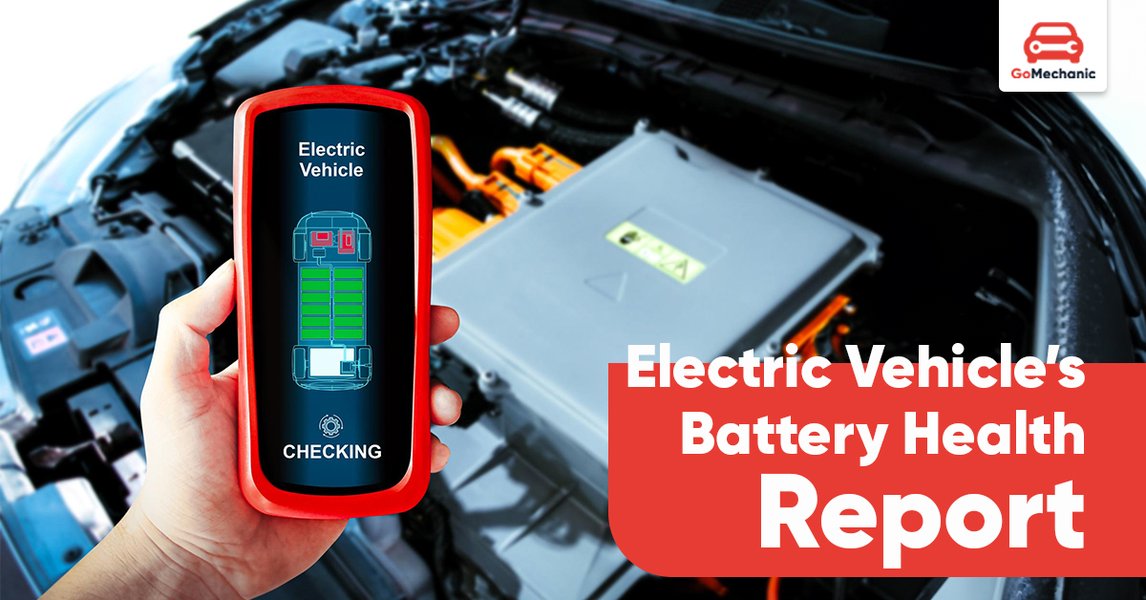
Advanced diagnostic tools are used to precisely measure an EV battery's State of Health.
EV Battery Warranty by Brand 2026: A Comparative Look
Variations in Coverage Among Popular US Models
While the federal minimum sets a baseline, the specifics of EV battery warranty coverage can vary significantly between manufacturers and even models. It's essential to consult the official warranty documentation for your specific vehicle, as terms can be updated. Here’s a general overview of battery warranty terms for some popular EV brands in the U.S. market, projected for 2026 model years:
| Brand / Popular U.S. Models | Warranty Term (Years) | Mileage Limit (Miles) | Capacity Guarantee | Key Notes for US Buyers |
|---|---|---|---|---|
| Tesla (Model 3/Y/S/X) | 8 years | 100,000-150,000 (model dependent) | 70% minimum | Mileage varies by model (e.g., Model S/X at 150k, Model 3/Y SR at 100k). Advanced remote diagnostics used. |
| Chevrolet (Bolt EV/EUV, Blazer EV) | 8 years | 100,000 | 60-70% minimum | GM often provides strong warranties; degradation threshold can sometimes vary by model or year. |
| Nissan (Leaf, Ariya) | 8 years | 100,000 | 66-70% minimum | Leaf historically uses a "bar" system; modern Nissan EVs have improved thermal management. |
| Ford (Mustang Mach-E, F-150 Lightning) | 8 years | 100,000 | 70% minimum | Comprehensive coverage for defects and capacity loss. Ford emphasizes compliance with maintenance. |
| Hyundai (IONIQ 5/6, Kona Electric) | 10 years | 100,000 | 70% minimum | One of the most generous warranties, often transferable. |
| Rivian (R1T, R1S) | 8 years | 175,000 | 70% minimum | Stands out with a high mileage limit, reflecting confidence in its rugged application. |
Important Note: This table offers general guidance. Always refer to your vehicle's specific warranty booklet or the manufacturer's official website for the most accurate and up-to-date details tailored to your model year and region.
Tesla Battery Warranty Coverage: Unique Aspects
Tesla's warranty coverage often garners attention due to its high mileage limits on certain models and its integrated software diagnostics. For instance, a Tesla Model S/X might offer 8 years or 150,000 miles with a 70% capacity retention guarantee, while a Model 3/Y Standard Range might be 8 years/100,000 miles. Tesla's reliance on remote diagnostics allows for continuous monitoring of battery health, which can be advantageous during warranty claims. However, their repair and replacement processes are specific to their service centers, differing from traditional dealership models.
What Voids EV Battery Warranty? Common Pitfalls to Avoid
Protecting Your Investment from Unintended Exclusions
While EV battery warranties provide crucial protection, certain actions or conditions can lead to a voided warranty, leaving you responsible for potentially costly repairs. Manufacturers are typically transparent about these exclusions in their warranty booklets, but the details can sometimes be overlooked by owners. Understanding what voids EV battery warranty is paramount for maintaining your coverage.
Unauthorized Modifications and Repairs
- Any non-OEM alterations to your EV's high-voltage electrical system, battery pack, or associated cooling systems can invalidate the warranty. This includes aftermarket battery upgrades, unapproved performance modifications, or third-party battery management systems.
- Unauthorized software modifications ("jailbreaking") that alter the battery's operating parameters can also lead to denial of a warranty claim.
- Repairs performed by non-certified technicians or facilities that involve the high-voltage components, without manufacturer approval, are generally not covered.
Improper Charging Practices
While using public charging stations is standard, certain egregious charging habits can be problematic:
- Consistent use of damaged or non-compliant charging equipment that could harm the battery.
- Willful disregard of manufacturer charging recommendations, such as regularly leaving the battery at 0% or 100% for extended periods in extreme temperatures (though some LFP batteries may recommend periodic 100% charges for calibration).
It's important to differentiate between typical use of Level 1, Level 2, and DC fast charging, which are generally covered, versus practices that actively damage the battery.
Accident Damage and Neglect
- Damage resulting from accidents or collisions, even if the vehicle is subsequently repaired, is typically excluded.
- Environmental damage, such as flood or severe water intrusion beyond the vehicle's specifications, is not covered.
- Failure to perform basic, required maintenance, particularly for the battery's thermal management system (if applicable, such as coolant service intervals), could be cited in a warranty denial.
- Using the vehicle for commercial purposes without an appropriate commercial warranty or if the personal warranty explicitly excludes such use.
Battery health issues can arise from various factors, some of which may void your warranty.
How to Claim EV Battery Warranty: A Step-by-Step Guide
From Suspicion to Resolution, a Clear Path
If you suspect your EV battery is underperforming or has degraded beyond the warranty threshold, knowing how to claim EV battery warranty effectively is crucial. The process requires documentation, communication, and patience, but it's designed to protect you against unexpected costs.
Step 1: Verify Your Battery's State of Health (SOH)
Before contacting the dealership, try to assess your battery's current condition. Many modern EVs offer some form of battery health information:
- Onboard Diagnostics: Check your vehicle's infotainment system or mobile app for SOH readings or estimated range.
- Third-Party Tools: While not always definitive for warranty claims, some apps can provide estimated battery health.
- Document Symptoms: Keep a log of reduced range, unusual charging behavior, or any battery-related warning messages. Photos or videos of dashboard alerts can be helpful.
Step 2: Contact Your Authorized Dealership
Your dealership is the first point of contact for a warranty claim. Schedule a diagnostic appointment, clearly explaining your concerns. Be prepared to:
- Provide your vehicle's VIN and current mileage.
- Describe any symptoms and share your documentation.
- Request a full battery health report from the dealership's specialized tools.
Step 3: The Diagnostic Process at the Dealership
Dealership technicians will perform comprehensive tests using OEM-specific equipment. This often involves connecting to the battery management system (BMS) to retrieve detailed data on individual cell performance, temperature history, and charge cycles. They will compare these findings against manufacturer specifications and the 70% capacity degradation threshold. This process might take a day or two, and you may need to leave your vehicle at a specific state of charge.
Step 4: Manufacturer Approval and Resolution
If the diagnostic tests confirm that your battery's capacity has fallen below the warranty threshold due to a defect, the dealership will submit a claim to the manufacturer. The manufacturer will then review the data and authorize a remedy. This could be:
- Repair of specific faulty modules within the battery pack.
- Replacement of the entire battery pack with a new or remanufactured unit.
Be aware that there might be a waiting period for parts, and the dealership should provide updates on the timeline and offer any available loaner vehicles.
What to Do If Your EV Battery Warranty Claim Is Denied
Navigating Challenges for a Fair Resolution
A denied warranty claim can be frustrating, but it doesn't always mean the end of the road. You have several avenues to pursue if you believe your claim was unjustly denied.
- Request a Detailed Explanation: Demand a written explanation from the dealership or manufacturer outlining the specific reasons for denial. This document should cite relevant sections of your warranty agreement and provide diagnostic data.
- Review Your Warranty Documentation: Carefully re-read your vehicle's warranty booklet to ensure the denial aligns with the stated terms and exclusions. Look for any discrepancies.
- Gather All Records: Compile all service records, charging histories (if available through your car's app), and any communication related to your battery issues. This comprehensive documentation strengthens your case.
- Seek a Second Opinion: If possible, consider taking your EV to another authorized dealership for a fresh diagnostic assessment. An independent EV specialist might also offer valuable insights, though their report may not be accepted directly by the manufacturer for a warranty claim.
- Escalate to Manufacturer Customer Service: If the dealership cannot resolve the issue, escalate your claim to the manufacturer's corporate customer service department. Clearly articulate your case, provide all relevant documentation, and reference your previous attempts at resolution.
- Consumer Protection Agencies: In the U.S., you can contact state-level consumer protection agencies or the Federal Trade Commission (FTC). They may offer mediation services or guidance on your rights under laws like the Magnuson-Moss Warranty Act.
- Legal Counsel: As a final resort, if you believe your consumer rights have been violated, consulting with an attorney specializing in consumer law or automotive disputes might be necessary.
Maintaining Battery Health to Preserve Warranty Validity
Best Practices for Longevity and Coverage
Proactive battery management not only extends your EV's lifespan but also helps ensure your warranty remains valid should an issue arise. Following manufacturer recommendations and general best practices can significantly reduce the likelihood of premature degradation and potential warranty disputes.
Optimal Charging Habits
- The 20-80% Rule: For daily driving, aim to keep your battery's charge level between 20% and 80%. This range is generally considered optimal for most lithium-ion batteries (especially NMC chemistry), minimizing stress on the cells. Many EVs allow you to set a charge limit in their settings or mobile apps.
- Avoid Prolonged Full or Empty States: While charging to 100% for long trips is fine, avoid leaving your EV at 100% charge for extended periods, especially in hot weather. Similarly, don't leave your battery at a very low state of charge (e.g., below 20%) for long durations. (Note: Some LFP batteries, found in certain Tesla models, may recommend periodic 100% charges for calibration – always consult your owner's manual).
- Prioritize Level 2 Charging: For routine charging, Level 2 (240V home charger) or even Level 1 (standard outlet) is preferred over frequent DC fast charging. While convenient, excessive DC fast charging can generate more heat and contribute to long-term wear.
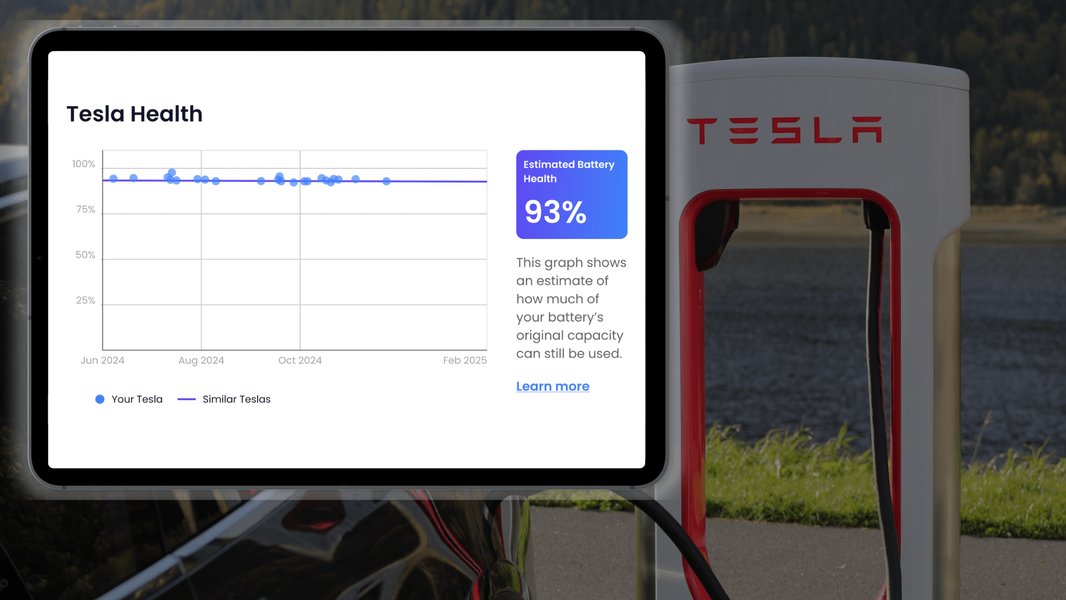
Monitoring your EV's battery health through its app or diagnostic tools can help prevent issues.
Temperature Management
- Park Wisely: In hot climates, park in shaded areas or garages to prevent excessive heat exposure, especially with a highly charged battery. In extreme cold, parking in a garage can help maintain optimal battery temperature.
- Preconditioning: Utilize your EV's preconditioning features, especially before DC fast charging in cold weather. This brings the battery to an optimal temperature for efficient and less stressful charging.
Regular Maintenance and Software Updates
- Follow Service Schedules: Adhere to your manufacturer's recommended service intervals, particularly for any battery cooling system checks or fluid changes.
- Keep Software Current: Ensure your vehicle's software is always up to date. Manufacturers often release updates that optimize battery management algorithms and charging efficiency, which can contribute to battery longevity.
Advice for New EV Buyers and Existing Owners
Empowering Your EV Ownership Journey
Whether you're new to the electric vehicle world or an experienced driver, understanding the nuances of EV battery warranties is crucial. For new EV buyers, it's highly recommended to:
- Read the Fine Print: Before purchasing, thoroughly review the specific battery warranty terms for the model you are considering. Pay attention to years, mileage, and the capacity retention guarantee.
- Inquire About Extended Warranties: Ask about available extended warranty options, especially if you anticipate driving high mileage or plan to keep the vehicle for an extended period beyond the standard coverage.
- Understand Transferability: Confirm if the battery warranty transfers to subsequent owners, as this can significantly impact the vehicle's resale value. Most do, but specific steps might be required.
For existing EV owners, especially those nearing the end of their warranty period:
- Perform a Pre-Warranty Check: Consider having a comprehensive battery health check performed by an authorized dealership before your warranty expires. This can help identify any potential issues that may still be covered.
- Stay Informed: Keep abreast of any software updates or service bulletins related to your vehicle's battery, as these can affect performance and warranty coverage.
- Maintain Records: Keep meticulous records of all service, software updates, and any unusual battery behavior you've observed, as this documentation will be vital if you need to file a claim.
By staying informed and practicing diligent battery care, both new and seasoned EV owners can maximize their battery's lifespan and ensure their valuable warranty coverage remains intact.
FAQ: Your Common Questions About EV Battery Warranty Coverage Answered
What is the 70 percent battery warranty rule?
The 70 percent rule specifies that your EV battery must maintain at least 70% of its original usable capacity within the warranty period. If its State of Health (SOH) falls below this due to defects, the manufacturer will repair or replace it.
How do I know if my battery qualifies for a warranty claim?
You typically qualify if diagnostic tests at an authorized dealership confirm your battery's usable capacity is below the manufacturer's guaranteed threshold (often 70%) within your warranty's time and mileage limits. Look for noticeable, consistent range loss or warning lights.
What voids an EV battery warranty?
Physical damage, unauthorized aftermarket modifications to the electrical system, neglect of required maintenance, or improper storage conditions (like leaving the battery at 0% in extreme heat) can void your warranty.
Does Tesla battery warranty coverage include capacity loss?
Yes, Tesla's battery warranty guarantees at least 70% capacity retention for 8 years, with mileage limits varying by model (e.g., 100,000 to 150,000 miles). It covers manufacturing defects leading to capacity loss, not just complete failure.
How long is the federal minimum EV battery warranty in the US?
The federal minimum requirement in the US is 8 years or 100,000 miles for an EV's high-voltage traction battery. Many manufacturers exceed this minimum, offering longer terms or higher mileage limits.
Is EV battery range loss the same as capacity degradation?
Not exactly. While capacity degradation contributes to range loss, reported range can also be affected by driving style, temperature, terrain, and tire pressure. Warranties focus on measurable usable capacity, not the estimated range.
What happens during the warranty claim process at a dealership?
Dealerships conduct diagnostic tests to assess battery SOH. If the capacity is below the warranty threshold, they submit a claim to the manufacturer for approval. This can lead to module repair or full battery replacement.
Conclusion
Navigating the world of EV battery warranties can seem complex, but understanding the key details empowers you as an electric vehicle owner. The federal mandate of at least 8 years or 100,000 miles, coupled with the crucial "70 percent rule" for capacity retention, provides a robust safety net for your investment. By being aware of what voids your warranty, meticulously maintaining your battery health, and following the proper steps to claim EV battery warranty if needed, you can enjoy years of worry-free electric driving. Stay informed, read your vehicle's specific documentation, and don't hesitate to seek clarification from authorized service centers to ensure you receive the full benefits of your EV Battery Warranty Coverage.
