

Save money and time by mastering key fob reprogramming for popular US brands without a dealer.
A non-responsive car key fob can be incredibly frustrating, leaving you stranded or unable to access your vehicle. The good news is that for many models, especially those from popular US brands, you can perform car key fob programming yourself, saving you hundreds of dollars in dealership fees. This comprehensive DIY guide will walk you through the process of how to program a car key fob at home, addressing common issues, providing brand-specific instructions, and offering troubleshooting tips to ensure you get back on the road swiftly and affordably.
The Essentials: Understanding Key Fob Types and Programming Methods
Before attempting any programming, it's crucial to understand the type of key fob your vehicle uses. This knowledge dictates whether a simple DIY method is feasible or if professional assistance, involving more advanced tools like OBD2 key programming devices, will be necessary.
Basic Remote Fobs vs. Transponder/Smart Keys: What's the Difference?
Car key fobs have evolved significantly, offering various levels of security and functionality. Generally, they fall into two main categories:
- Basic Keyless Entry Fobs: These are typically found in older vehicles (roughly 1990s to mid-2000s). They primarily control basic functions such as locking, unlocking, and sometimes the trunk release or panic alarm. These fobs communicate with your car's body control module (BCM) via radio frequency (RF) signals and do not contain a chip required for engine ignition. This makes them significantly easier to program at home using simple ignition sequences and button presses.
- Transponder Chip Keys (Immobilizer Keys) and Smart Keys: Dominant in mid-2000s models and onwards, these fobs incorporate an immobilizer transponder chip. This chip communicates with your car's immobilizer system, a critical anti-theft feature that prevents the engine from starting unless the correct, coded chip is detected. Smart keys, often associated with push-button start vehicles, also fall into this category, using proximity sensors to allow keyless entry and ignition. While the remote functions (locking/unlocking) of some transponder fobs might be DIY-programmable, the transponder chip itself often requires specialized diagnostic equipment for synchronization with the vehicle's Engine Control Unit (ECU).
It's important to recognize that many modern vehicles use a combination: a remote for convenience and a transponder chip for security. You might be able to perform a DIY remote programming, but still require professional help for the chip if it’s a new key that needs to start the car.
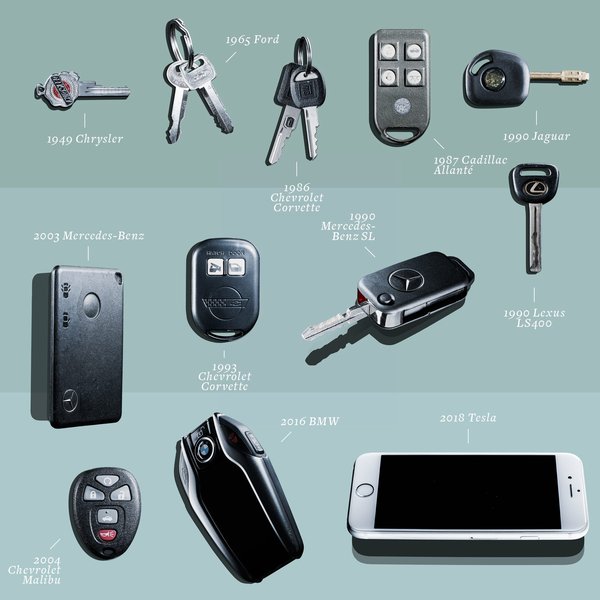
The evolution of car keys highlights the complexity of modern fob programming.
Why Your Car Key Fob Might Not Be Working
A non-functional car key fob doesn't always mean it needs reprogramming. Here are the most common reasons:
- Dead or Weak Battery: This is the most frequent culprit. Most fobs use small coin-cell batteries (e.g., CR2032, CR2025) that typically last 3-5 years. A weak battery can result in intermittent functionality or reduced range.
- Needs Reprogramming/Resyncing: The communication link between the fob and the car can sometimes be disrupted. This can happen after a battery replacement (in the fob or the car), after the vehicle's battery is disconnected, or even due to software glitches.
- Physical Damage: Dropping the fob, exposure to water, or general wear and tear can damage internal components or buttons.
- Signal Interference: Radio interference from other electronic devices, cellular towers, or even dense urban environments can temporarily block the fob's signal.
- Vehicle's Receiver Issues: Less common, but a fault in your car's keyless entry receiver or a severely discharged car battery can prevent the fob from being detected.
DIY Key Fob Programming: Saving You Time and Money
The primary goal of this guide is to empower you to save significant money. Dealerships often charge a premium for key fob programming, ranging from $150 to $600 USD, depending on the vehicle and key type. Automotive locksmiths typically offer more competitive rates, usually $100 to $350. By learning how to program a car key fob at home, your only cost might be a new fob and battery.
Can I Program a Key Fob Myself?
Yes, many car key fobs can be programmed at home! The feasibility of DIY key fob programming largely depends on your vehicle's make, model, and year. Older vehicles (generally pre-mid-2000s) frequently support onboard programming, which involves specific ignition key turns and button presses. For newer vehicles, particularly those with push-button starts and advanced immobilizer systems, specialized diagnostic tools or professional programming are often required.
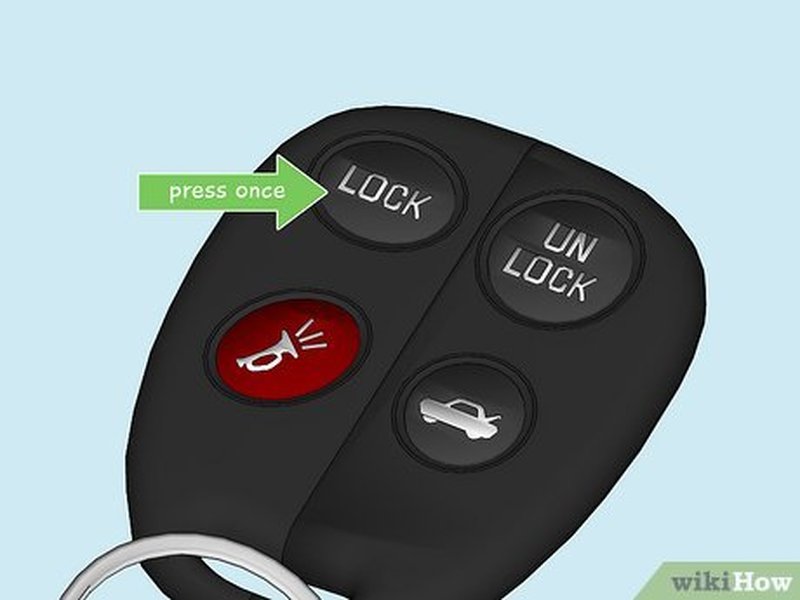
Initiating the programming sequence often involves specific ignition turns.
Tools Needed for Car Key Fob Programming
The tools required vary based on your vehicle's age and security system:
- Basic DIY: For simpler systems, you primarily need the new or replacement key fob(s), your existing physical car key (if applicable), and your vehicle's owner's manual. Fresh batteries for the fobs are essential.
- Advanced DIY (OBD2 Programmers): For vehicles with transponder chips or more complex systems that still allow DIY, an OBD2 scanner with key programming features might be necessary. These tools connect to your car's On-Board Diagnostics II (OBD2) port, usually located under the dashboard, and allow you to access the vehicle's computer to program new keys. Brands like Autel or Xtool offer such devices, and affordable options can be found online.
- Professional Tools: Dealerships and specialized locksmiths utilize advanced diagnostic tools and software that can communicate with all aspects of your car's immobilizer system, especially for high-security vehicles or when all keys are lost.
DIY Key Fob Programming Guide 2026: Step-by-Step for Popular US Brands
While specific programming procedures vary by manufacturer, model year, and security design, here are general DIY car key fob programming steps for some popular US car brands. Always consult your vehicle's owner's manual for the most accurate instructions for your specific vehicle.
How to Program a Toyota Key Fob
Many Toyota models, especially from 2005-2015, allow self-programming for basic remotes:
- Sit in the driver's seat with all doors closed.
- Insert the key into the ignition and remove it twice within 5 seconds.
- Close and open the driver's door twice.
- Insert the key and remove it again.
- Close and open the driver's door two more times.
- Insert the key into the ignition (do not turn).
- Close the driver's door.
- Turn the ignition to the ON position and then OFF (once).
- Remove the key from the ignition. The door locks should cycle to confirm programming mode.
- Press the LOCK and UNLOCK buttons simultaneously on the new fob for 1-2 seconds.
- Immediately press the LOCK button while holding UNLOCK.
- The doors should cycle again to confirm successful programming. Repeat for additional fobs within 40 seconds.
How to Program a Ford Key Fob
For many Ford vehicles (typically 2008-2018), follow this ignition sequence:
- Ensure all doors are closed.
- Open the driver's door and leave it open.
- Insert the key into the ignition.
- Turn the key from OFF to ON 8 times within 10 seconds, ending with the key in the ON position on the 8th turn.
- The door locks will lock/unlock to confirm entry into programming mode.
- Within 20 seconds, press any button on the first key fob you wish to program. The doors will cycle again to confirm programming.
- Repeat for additional fobs (up to 4 total) within 20 seconds of each other.
- Turn the ignition to OFF to exit programming mode. Test all remotes.
How to Program a Honda Key Fob
Honda vehicles with onboard remote programming often use this method:
- Sit in the driver's seat with the key and fob ready; all doors should be closed and unlocked.
- Insert the key into the ignition but don't turn it.
- Press and hold the LOCK button on the remote.
- While holding LOCK, turn the key to the ON position (dash lights on, engine off). Hold for 5 seconds until the doors lock/unlock.
- Release the LOCK button.
- Press the LOCK button again to confirm. The doors should cycle.
- Repeat steps 3-6 for any additional fobs you want to program within 10 seconds of each other.
- Turn the ignition OFF and remove the key. Test all remotes.
How to Program a Chevrolet Key Fob
Many GM vehicles (roughly 2000-2015) can be programmed as follows:
- Manually unlock the driver's side door using the physical key (not the remote). Ensure all vehicle doors are completely closed.
- Insert the key into the ignition but do not start the vehicle.
- Press and hold the UNLOCK button on the driver's door panel.
- While holding the UNLOCK button, turn your key to the ON position, then OFF, then ON, then OFF again (ON-OFF-ON-OFF cycle).
- Release the door panel UNLOCK button. You should hear the door locks engage and disengage, signaling programming mode.
- On your Chevy key fob, press and hold the LOCK and UNLOCK buttons simultaneously until you hear the door locks engage and disengage again.
- If programming additional fobs, repeat step 6 for each fob immediately.
- Put the newly programmed key back into the ignition in the ON position to end the programming sequence. Test the fob.
How to Program a Nissan Key Fob
For Nissans with intelligent keys, a common method is:
- Ensure all doors are closed and locked.
- Insert the key into the ignition (if equipped with a traditional ignition) and remove it six times within 10 seconds. The hazard lights will flash twice. (If not, repeat until they do).
- Insert the key into the ignition and turn it to the ACC (Accessory) position.
- Press any button on the remote once.
- The hazard lights will flash twice to confirm programming.
- Turn the ignition OFF, remove the key, and test the remote. Repeat for additional fobs.
How to Program a Hyundai Key Fob
Many Hyundai and Kia models can follow this procedure:
- Ensure all doors and trunk are closed.
- Open the driver's door and sit in the seat.
- Insert the key into the ignition.
- Cycle the key from OFF to ON 3 times within 5 seconds, ending with the key in the ON position.
- Press the LOCK button on the remote.
- The doors will lock/unlock to confirm programming.
- Turn the ignition OFF and test the remote. Repeat for additional remotes.
How to Program a Jeep Key Fob
Jeep vehicles often require a master key for programming additional fobs (this method requires two already programmed keys to add a third):
- Insert your first valid (master) key into the ignition and turn it to the ON position for five seconds, then turn it OFF and remove it.
- Within 10 seconds, insert the second valid (master) key into the ignition and turn it to the ON position. Leave it ON for five seconds, then turn it OFF and remove it.
- Within 10 seconds, insert the new (unprogrammed) key into the ignition and turn it to the ON position. Leave it ON for five seconds.
- The vehicle's security light should illuminate for three seconds and then extinguish, indicating the key has been programmed.
- Turn the ignition OFF and remove the key. Test the new key.
DIY vs. Professional: Which Car Brands Allow DIY Key Fob Programming?
Not all vehicles are created equal when it comes to key fob programming. The level of complexity, especially concerning immobilizer transponder chips, varies greatly. Here's a general overview:
| Brand (U.S.) | DIY Remote Sync | DIY Transponder/Start | Often Requires Pro Tools |
|---|---|---|---|
| Toyota | Many older H-key remotes | Limited | Smart Key immobilizer, newer models |
| Ford | Yes (many models) | Sometimes (needs 2 working keys) | Late-model proximity keys |
| Honda | Yes (older models) | Limited | Most push-button start |
| Chevrolet (GM) | Some models | Limited | Newer smart keys via scan tool |
| Nissan | Yes (older remotes) | Limited | Intelligent Key immobilizer, newer models |
| Hyundai | Some models | Limited | Proximity keys |
| Jeep (Stellantis) | Some remotes | Limited (often needs 2 existing keys) | RF Hub pairing via scan tool, all keys lost |
| Mercedes-Benz | No | No | Always requires dealer/specialized locksmith |
| BMW | No | No | Always requires dealer/specialized locksmith |
| Volkswagen (Post-2012 MQB) | No | No | Advanced immobilizer systems require specialized tools |
Cost Comparison: DIY vs. Locksmith vs. Dealership Fees
Understanding the financial implications of each option can help you make an informed decision when your car key fob is not working.
| Method | Typical Cost (USD) | Time Required | Pros | Cons |
|---|---|---|---|---|
| DIY Programming | $10-$100 (cost of fob + battery) | 15-30 minutes | Lowest cost, immediate solution, sense of accomplishment. | Not possible for all vehicles, risk of error if instructions aren't followed precisely. |
| Auto Locksmith | $100-$300 (fob + programming) | 30-60 minutes | More affordable than dealerships, specialized expertise, often mobile service. | Still a cost, quality can vary, may not have latest dealer-level tools for all brands. |
| Dealership | $200-$600+ (fob + programming) | 1-2 hours (plus waiting time) | Guaranteed compatibility, factory-level equipment, warranty coverage. | Highest cost, inconvenient, often requires appointments. |
Many US auto parts stores like AutoZone and O'Reilly Auto Parts offer free key fob battery replacement and can often assist with basic programming questions or provide access to compatible replacement fobs.
"Before paying a dealership to program a key fob for your car, check online for a guide. It may be less than $20 and a simple tutorial."
How to Test If Key Fob Programming Was Successful
After completing the key fob programming steps by brand, it's crucial to thoroughly test your key fob to ensure all functions are working correctly:
- Remote Functions Test: Stand 10-15 feet from your vehicle. Press the LOCK button – the doors should lock with a confirmation flash. Press the UNLOCK button – the doors should unlock. Test the PANIC button (alarm should sound) and trunk release if equipped.
- Ignition Test (for transponder keys): If your fob includes a transponder chip, insert the key into the ignition. Turn it to the ON position – the security light on your dash should turn off. Attempt to start the engine – it should crank normally. If the security light stays on or the engine starts and immediately dies, the transponder chip may not be programmed correctly.
- Range Test: Walk away from your vehicle while testing buttons periodically. Most fobs should work from at least 30-50 feet away. Reduced range may indicate a weak battery in the fob or a lingering programming issue.
%20(1)_1750059307.jpg "Always test all remote functions and ignition after programming.")
Always test all remote functions and ignition after programming.
Troubleshooting Tips: When Car Key Fob Programming Fails
If your car key fob not working fix didn't go as planned, don't despair. Here are some troubleshooting steps:
- Check the Battery (Again): Even new batteries can be faulty or have low voltage. Ensure it's a fresh, high-quality battery and installed correctly with the correct polarity.
- Verify Instructions and Timing: Double-check your owner's manual or a reliable online source for the exact programming sequence for your specific year, make, and model. Timing is often critical in these sequences.
- Repeat the Process: Sometimes, it takes several attempts to get the programming to work. Be precise with your timing and button presses.
- Program All Fobs Simultaneously: Most vehicles require all existing and new fobs to be programmed in the same session. If you missed one, it might no longer work or prevent the new one from working.
- Check for Interference: Try programming the fob in a different location, away from potential sources of radio interference like power lines, radio towers, or other electronic devices.
- Disconnect Car Battery: For some older vehicles, disconnecting the car's main 12V battery for a few minutes (e.g., 2-3 minutes) and then reconnecting it can reset the system, allowing for a fresh programming attempt. Ensure to follow safety precautions when disconnecting your car battery.
- Inspect for Damage: Look for any visible damage to the circuit board or buttons inside the fob.
- Address "Key Not Detected" Error: If you encounter a "key not detected" error, it often points to an issue with the transponder chip or the car's immobilizer system. You may need to reset your car's anti-theft system before programming will work.
- Consider Professional Help: If DIY attempts consistently fail, it might be time to contact an automotive locksmith or a dealership. They have specialized tools to diagnose and resolve more complex issues, including problems with the vehicle's receiver system.
Important Warning: Transponder Chip Keys and Professional Programming
Reprogram Key Fob Without Dealer: Tips for Buying Compatible Replacements
To maximize your savings, purchasing a replacement key fob online can be significantly cheaper than buying directly from a dealership. However, ensuring compatibility is paramount:
- Match Model Numbers & FCC ID: Look for the FCC ID or part number printed on your existing fob and match it precisely with the replacement. This ensures the correct frequency and internal components.
- Verify Frequency: Key fobs operate on specific radio frequencies (e.g., 315MHz, 433MHz). Using a fob with the wrong frequency will never work, regardless of programming attempts.
- Consider Transponder Chips: If your car uses a transponder chip key, ensure the replacement fob includes a compatible, unprogrammed chip that can be coded to your vehicle. Some cheaper online fobs might lack this critical component.
- Read Reviews: Check user reviews for programming success rates and overall quality. Look for feedback from owners of your exact make, model, and year.
- Research Return Policy: Always confirm the return policy of online sellers in case the fob is incompatible or faulty.
Popular US sources for replacement fobs include online retailers like Amazon and eBay, as well as specialty key sites. Many local AutoZone or O'Reilly Auto Parts locations also sell compatible fobs and can sometimes offer guidance.
Conclusion
Car key fob programming doesn't have to be a costly or intimidating endeavor. For many US car owners, especially those with older or mid-range models from brands like Toyota, Ford, Honda, Chevrolet, Nissan, Hyundai, and Jeep, performing a DIY key fob sync at home is a realistic and cost-effective solution. By understanding the type of fob you have, carefully following the brand-specific instructions, and having the right tools (or knowing when to call a professional), you can save a significant amount of money compared to dealership fees. Remember to always consult your owner's manual, test thoroughly after programming, and don't hesitate to seek expert help for complex immobilizer transponder chip systems or when dealing with an advanced key not detected error. With a bit of patience and this guide, you can confidently manage your car's key fob needs.
While saving money on key programming is great, don't forget that modern key security features can also impact your
