

Ensuring Your Vehicle's Advanced Safety Features Remain Precisely Aligned for Optimal Performance and Driver Confidence
After a windshield replacement, your car's forward-facing camera and other related sensors absolutely must undergo a specialized software re-alignment, known as the ADAS calibration process. This critical procedure ensures that advanced driver assistance systems (ADAS) like lane-keep assist and automatic emergency braking "see" the road accurately and function as intended. Most U.S. automakers mandate this calibration after any glass replacement, and reputable American auto glass shops are equipped to perform it the same day a new windshield is installed, guaranteeing your vehicle's safety features are perfectly restored.
Key Insights into ADAS Calibration
- Mandatory Safety Procedure: ADAS calibration is not optional after a windshield replacement; it's a non-negotiable safety requirement to prevent malfunctions in critical systems like automatic emergency braking and lane-keeping assist.
- Precision is Paramount: Even a minuscule shift in a windshield-mounted camera's position can lead to significant aiming errors for ADAS features, compromising their effectiveness and potentially creating dangerous driving conditions.
- Cost and Coverage: While ADAS calibration costs typically range from $300-$600 for most vehicles, often covered by comprehensive auto insurance, selecting a qualified shop with OEM-approved equipment and certified technicians is crucial.
Understanding ADAS: Why Your Windshield is Key to Advanced Safety
The Foundation of Modern Vehicle Safety
Advanced Driver Assistance Systems (ADAS) represent a suite of technologies designed to augment driver safety and minimize accident risks. These sophisticated systems rely on a complex network of cameras, radar, and other sensors strategically positioned around your vehicle. A significant number of these crucial components, particularly those responsible for monitoring the road ahead, are either mounted directly on or in close proximity to the windshield.
Consider the forward-facing camera, often situated behind the rearview mirror. This camera acts as the vehicle's "eye," constantly scanning for lane markings, traffic signs, pedestrians, and other vehicles. For instance, your lane-keep assist system utilizes this camera to precisely identify lane boundaries, while forward collision warning systems depend on its input (frequently in conjunction with radar) to detect obstacles and calculate safe following distances. If this camera's angle is even slightly off, its perception of the road can become significantly skewed, rendering these vital safety features unreliable or even dangerous.
Beyond cameras, some vehicles integrate rain or light sensors into the windshield area, which also contribute to ADAS functionalities. Any disturbance to these components during a windshield replacement necessitates accurate recalibration to restore their intended operation and prevent safety compromises.
Why Does ADAS Calibration After Windshield Replacement Matter So Much?
The operational precision required for ADAS systems is extraordinarily high. Research by organizations like AAA and IIHS consistently highlights the severe consequences of even minor misalignments. For example, a misalignment of a forward-facing camera by as little as 0.6 degrees can reduce the reaction time of an automatic emergency braking system by half. To put it simply, an error of just a tiny fraction of an inch at the camera can translate into the sensor aiming significantly off its intended target just 50 feet down the road.
When a windshield is replaced, the original camera or sensor might be temporarily removed and then reinstalled, or in some cases, a new camera might be fitted. Even with the most meticulous technicians, the exact orientation and position of these components relative to the vehicle's chassis can change. Since ADAS cameras cannot self-recalibrate after being moved, professional recalibration is absolutely essential. This process ensures they are perfectly aimed and communicate harmoniously with the vehicle's onboard computer, thereby maintaining the integrity and reliability of the entire safety system.
"A misaligned ADAS camera is like driving with blurry glasses—everything looks off, and safety suffers," states auto tech expert John Ramirez from a California repair shop, emphasizing the critical nature of proper calibration.
Which ADAS Features Rely on Windshield-Mounted Sensors?
A broad array of crucial ADAS features in popular US car brands depend heavily on windshield-mounted cameras and sensors. These include:
- Forward Collision Warning (FCW) & Automatic Emergency Braking (AEB): These systems use the camera to detect potential frontal collisions and either warn the driver or apply the brakes automatically.
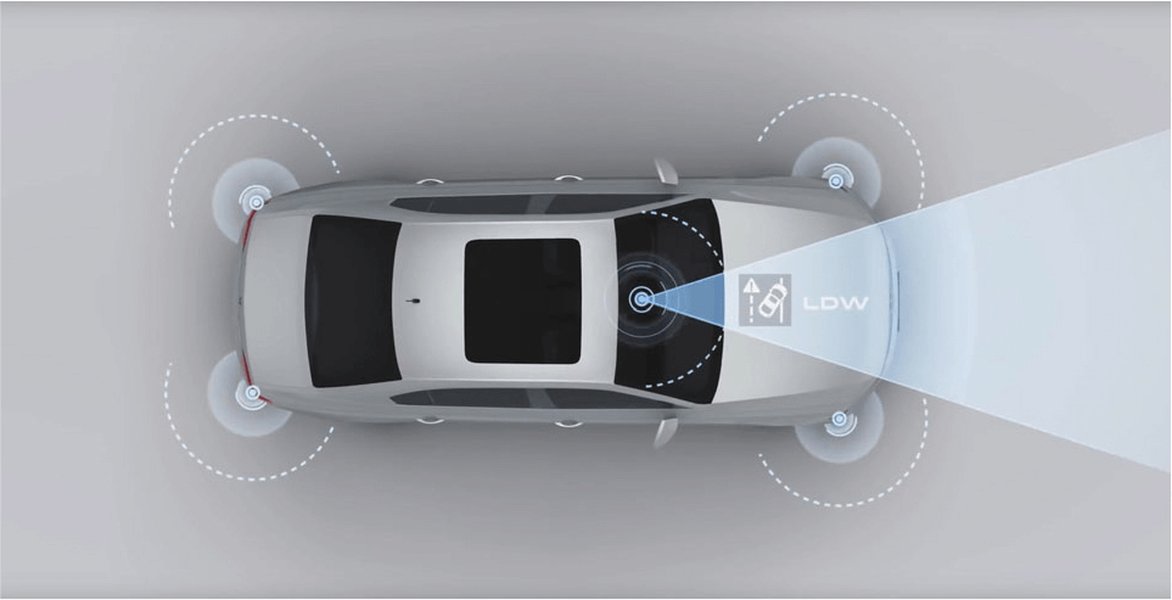
- Lane Keep Assist (LKA) & Lane Departure Warning (LDW): The camera identifies lane markings to help keep the vehicle centered or alert the driver if drifting occurs.
- Adaptive Cruise Control (ACC): Often working with radar, the camera helps maintain a safe following distance by identifying vehicles ahead.
- Traffic Sign Recognition (TSR): The camera reads speed limits and other traffic signs, displaying them to the driver.
- Automatic High Beams: This feature uses the camera to detect oncoming headlights or taillights and automatically switch between high and low beams.
- Pedestrian and Cyclist Detection: Advanced cameras can identify vulnerable road users, contributing to accident prevention.
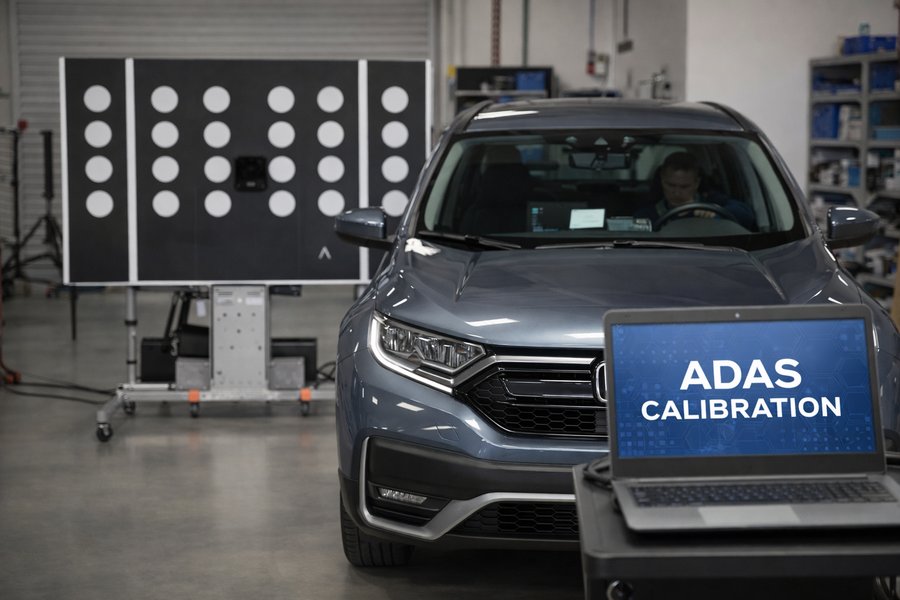
Illustration of a windshield-mounted ADAS camera and its role in various safety functions.
The ADAS Calibration Process: Static vs. Dynamic Explained
Understanding the Two Primary Methods of Re-alignment
When it comes to the ADAS calibration process after a windshield replacement, there are two primary methods: static and dynamic. Many vehicles, particularly those from leading US brands like Toyota, Ford, Honda, Chevrolet, Tesla, Subaru, and Hyundai, may even require a combination of both to ensure comprehensive accuracy.
Static ADAS Calibration: Precision in a Controlled Environment
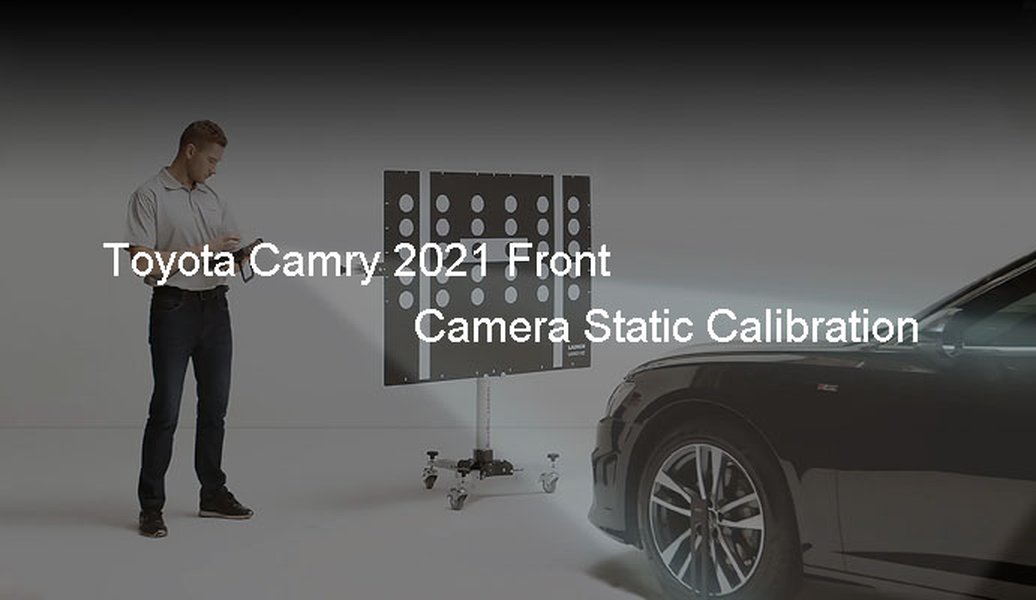
Static calibration is performed indoors within a highly controlled workshop environment. This method is critical for systems that require absolute precision against fixed reference points.
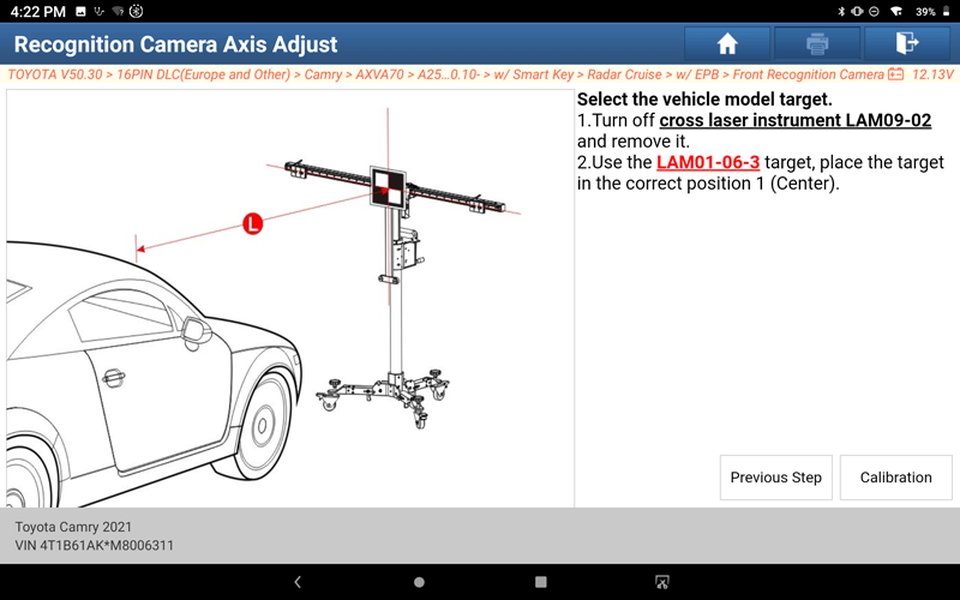
- How it Works: The vehicle is positioned on a perfectly level surface, often with specific lighting conditions and without reflective surfaces. Specialized calibration targets—patterned boards or reflective panels—are then placed at exact distances and angles relative to the vehicle's centerline, precisely according to the manufacturer's specifications.
- Equipment: Technicians use specialized diagnostic equipment and scan tools connected to the vehicle's OBD-II port. This equipment communicates with the ADAS computers, guiding the cameras and sensors to recognize and align with these fixed targets.
- When Used: This method is frequently the primary calibration for many forward-facing cameras and radar sensors. It typically takes 1 to 2 hours, depending on the vehicle's complexity.
Static calibration in progress, showing precise target placement for a forward-facing camera.
Dynamic ADAS Calibration: Real-World Learning on the Road
Dynamic calibration involves driving the vehicle on actual roads under specific conditions, allowing the ADAS systems to fine-tune themselves using real-world data.
- How it Works: A technician drives the vehicle at specified speeds (typically between 30-60 mph) on clearly marked roads. The vehicle's onboard computer then learns and adjusts sensor parameters by interpreting live data from lane markings, traffic, and road signs.
- Equipment: A diagnostic scan tool remains connected during the drive, monitoring the calibration process and ensuring the system learns within acceptable parameters.
- When Used: Some systems exclusively use dynamic calibration, while for others, it serves as a crucial final verification step after a static calibration. This process can take 30-60 minutes of driving, and its effectiveness can be influenced by weather conditions and road visibility.
Dynamic calibration in action, where the vehicle's systems learn from real-world driving conditions.
Hybrid Calibration: Combining Both Approaches
For many modern vehicles, a hybrid or "dual" procedure is required, combining both static and dynamic calibration steps. This comprehensive approach ensures that all safety systems are accurately aligned and fully functional. Your vehicle's specific make, model, and year dictate which method(s) are mandatory, making it essential to consult manufacturer guidelines or a certified technician.
The Meticulous ADAS Recalibration Steps: A 2026-Ready Guide
What Happens During a Professional Calibration Service
The ADAS calibration process is a highly specialized procedure that demands specific equipment, extensively trained technicians, and strict adherence to manufacturer guidelines. While the exact steps can vary slightly by vehicle make and model, a typical process for a forward-facing camera calibration includes these key stages:
- Pre-Calibration Diagnostics and Inspection: The technician begins by connecting a diagnostic tool to your vehicle's OBD-II port. This initial scan checks for any existing ADAS-related fault codes, confirms tire pressures are correct, verifies the windshield is properly seated, and inspects the condition of the camera and its mounting bracket. This establishes a critical baseline for comparison and ensures the system is ready for calibration.
- Review Manufacturer Specifications: Before any physical adjustments are made, the technician thoroughly reviews the vehicle manufacturer's (OEM) guidelines. These instructions detail the specific types of ADAS sensors and cameras, their precise placement, and the exact calibration requirements, including target distances, heights, and environmental conditions.
- Vehicle Preparation: The vehicle is carefully placed in a specialized setting. For static calibration, this means a perfectly level floor, uniform lighting conditions, and an absence of reflective surfaces that could interfere with sensor readings. The fuel tank level and overall vehicle weight may also need to be within specified ranges to ensure accurate ride height.
- Target Setup (for Static Calibration): If static calibration is required, specialized physical targets (patterned boards) are meticulously positioned at exact distances and heights from the vehicle's centerline, precisely as per OEM specifications. Laser alignment tools are often employed to guarantee this precise placement.
- Calibration Execution: Using the diagnostic scan tool, the technician initiates the calibration sequence. The tool communicates directly with the vehicle's onboard computer, guiding the sensors to align correctly with the reference targets. The system makes internal adjustments to correct the camera's perception.
- Dynamic Calibration (if required): For many vehicles, or as a final step to ensure real-world accuracy, dynamic calibration is performed. This involves driving the vehicle on the road under specific conditions, such as maintaining certain speeds, driving on clearly marked roads, and sometimes following other vehicles for a defined distance. The ADAS system uses this real-world data to fine-tune its parameters.
- Post-Calibration Verification: Once the calibration is complete, another comprehensive diagnostic scan is performed to verify that all fault codes are cleared and the ADAS systems are functioning within manufacturer specifications. A test drive may also be conducted to confirm real-world performance of features like adaptive cruise control or lane-keeping assist.
- Documentation: A detailed report is generated, documenting the successful calibration process. This typically includes a calibration certificate, which is essential for your records, potential warranty claims, and insurance purposes.
Important Note: A well-trained technician, specialized equipment, and strict adherence to OEM procedures are non-negotiable for a successful ADAS calibration. Always inquire about the shop's certifications and equipment before proceeding.
How Much Does ADAS Calibration Cost in the US?
Understanding the Investment in Your Vehicle's Safety
The cost of an ADAS calibration can fluctuate significantly based on several factors, including your vehicle's make and model, the number and type of systems requiring calibration, and whether static, dynamic, or both methods are necessary. As of early 2026, typical ADAS calibration costs generally range from $300 to $600 for most everyday vehicles in the US. However, this can escalate to $1,200 or even more, particularly for luxury brands or vehicles equipped with highly complex, multi-system calibration requirements.
Here’s a breakdown of what you can expect for different vehicle types and scenarios:
- Standard Cars (e.g., Honda Civic, Toyota Corolla): Often $250 - $400.
- SUVs (e.g., Ford Explorer, Chevrolet Tahoe): Typically $300 - $500.
- Trucks (e.g., Ford F-150, RAM 1500): Generally $350 - $600.
- Luxury Vehicles (e.g., Tesla, BMW, Mercedes): Can range from $500 - $1,200+, due to more advanced and interconnected systems.
Factors Influencing ADAS Calibration Costs:
- Vehicle Make and Model: Newer and more technologically advanced vehicles often have more complex ADAS, leading to higher calibration costs.
- Number of Sensors: The more ADAS sensors and cameras your vehicle has (e.g., multiple radar units, surround-view cameras), the more extensive the calibration process becomes.
- Calibration Method: Dynamic-only calibrations might be on the lower end, while static or combined static and dynamic procedures typically cost more due to specialized equipment and controlled environment requirements.
- Service Provider: Independent auto glass shops and dedicated calibration centers often provide competitive pricing, usually between $300-$600. Dealerships, on the other hand, may charge higher rates, sometimes ranging from $500-$1,200.
- Location: Labor rates and market conditions can vary by region within the US.
Comparison Table: Typical US ADAS Calibration Cost Ranges (2026 Estimates)
| Brand (examples) | Static Calibration (Windshield Camera) | Dynamic Calibration (Windshield Camera) | Total Average Cost Range |
|---|---|---|---|
| Toyota, Subaru, Honda, Hyundai | $300 – $600 | $250 – $600 (if required) | $300 – $650 |
| Ford, Chevrolet, GM Vehicles | $300 – $600 | $250 – $600 | $350 – $700 |
| Tesla | $400 – $700+ | $300 – $600 | $500 – $1,200+ |
| Luxury/Advanced Suites (BMW, Mercedes) | $500 – $1,200+ | $400 – $800+ | $700 – $1,500+ |
This table provides a general estimate. Always get a precise quote for your specific vehicle from a certified shop.
Does US Insurance Cover ADAS Calibration Costs?
Navigating Coverage After Windshield Replacement
In many cases, yes, your comprehensive auto insurance policy will cover the cost of ADAS calibration, especially when it's directly linked to a covered windshield replacement claim. Since ADAS calibration is deemed a critical safety requirement after such repairs, insurance providers like State Farm, Geico, and Progressive generally include it under comprehensive glass coverage.
However, coverage can vary depending on several factors:
- Your Specific Policy Details: Always review your insurance policy or contact your provider directly to confirm your coverage for glass repair and associated calibration services.
- State Regulations: Some US states, such as Florida, Kentucky, and Arizona, have specific zero-deductible glass laws. In these states, your windshield replacement, and often the necessary ADAS calibration, may be covered without requiring you to pay a deductible if you have comprehensive coverage.
- Insurance Provider: While many major providers offer coverage, policies and interpretations can differ. It's crucial to get confirmation in writing or via a recorded call.
- Shop Credentials: Insurers often require that the calibration be performed by a certified shop that follows OEM procedures and can provide proper documentation.
Tip: It is highly recommended to call your insurance provider before scheduling any windshield replacement and calibration services. Ask specific questions about ADAS calibration coverage, any potential deductibles, and required documentation.
Many comprehensive auto insurance policies cover ADAS calibration costs when tied to a windshield replacement.
What Happens If You Skip ADAS Calibration After Windshield Replacement?
The High Stakes of Neglecting This Vital Procedure
Skipping the ADAS calibration after a windshield replacement might seem like a way to save money in the short term, but it introduces significant and potentially dangerous risks. Even if your vehicle doesn't immediately display a warning light, the ADAS systems may be operating with compromised accuracy, putting you and other road users at severe risk.
- Reduced Safety System Effectiveness: Features designed to prevent accidents can become unreliable. Automatic emergency braking might fail to detect obstacles or could brake unnecessarily. Lane-keeping assist might pull the vehicle incorrectly or provide false warnings, causing driver confusion. Adaptive cruise control could misjudge distances, leading to dangerous following gaps or unexpected braking.
- False Alerts or Malfunctions: Misaligned sensors can send incorrect data to the vehicle's computer, leading to constant false warnings, system malfunctions, or complete failure of certain ADAS features.
- Increased Accident Risk: The primary purpose of ADAS is to enhance safety and prevent collisions. If these systems are not precisely calibrated, their ability to accurately detect hazards and assist the driver is severely hindered, dramatically increasing the likelihood of an accident.
- No Dashboard Warning: Critically, many vehicles will not immediately alert you if the ADAS camera is simply mis-aimed rather than completely disconnected or broken. The system might appear "fine" but be significantly off by degrees, giving drivers a false sense of security.
- Legal and Liability Issues: In the unfortunate event of an accident, if it is determined that improperly calibrated ADAS features contributed to the incident, you could face increased legal liability. Many insurance companies and accident reconstruction specialists now scrutinize whether required calibrations were performed.
- Voided Warranty Concerns: Vehicle manufacturers generally specify that required ADAS calibrations must be performed after repairs like windshield replacement. Skipping this step could potentially void warranty coverage on your safety systems.
"Failing to calibrate ADAS systems after windshield replacement is like driving with misaligned headlights – you might think you can see, but your visibility is compromised and you're endangering everyone on the road," warns a Certified Calibration Technician.
Important Note: Your vehicle will not necessarily alert you to a faulty ADAS system immediately after a windshield replacement. The system does not "know" if the windshield has been replaced or if the camera has moved. The only way to ensure correctness is through proper recalibration. "The cost of missing an ADAS calibration far outweighs the investment in doing it right the first time."
Choosing a Qualified ADAS Calibration Shop in the US
Ensuring Professional and Reliable Service
Given the intricate nature and critical safety implications of ADAS calibration, selecting the right service provider is paramount. Not all auto glass shops or repair facilities are adequately equipped or trained for proper ADAS calibration. Here are essential tips for drivers in the US to choose a qualified shop:
- OEM Compliance and Equipment: Ensure the shop strictly follows Original Equipment Manufacturer (OEM) procedures and utilizes OEM-approved calibration tools and targets. This is non-negotiable for accurate calibration.
- Certified Technicians: Look for shops that employ I-CAR Gold Certified technicians or specialists who have specific, advanced training and certifications in ADAS calibration. Major players like Safelite and Caliber Collision often highlight their certified specialists.
- Proper Facility Requirements: A reputable shop will have a dedicated, controlled calibration bay. This means a perfectly level floor, uniform lighting, and an environment free from reflections or obstructions that could interfere with sensor readings.
- Documentation: A trustworthy shop will provide comprehensive documentation of the calibration, including pre- and post-scan reports and a printed calibration certificate tied to your VIN. This documentation is crucial for your records, insurance claims, and potential warranty purposes.
- Experience with Your Brand: Confirm the technicians have experience calibrating ADAS systems for your specific vehicle brand (e.g., Toyota, Ford, Honda, Chevrolet, Tesla, Subaru, Hyundai).
- Insurance Coordination: A good shop will assist in coordinating with your insurance carrier to confirm coverage for calibration costs and handle the necessary paperwork efficiently.
- Reputation and Reviews: Check online reviews and ask for recommendations. Shops that understand the importance of ADAS recalibration will emphasize its necessity and demonstrate transparency in their process.
- One-Stop Service: Ideally, choose a shop that can perform both the windshield replacement and the ADAS calibration in a single visit, minimizing inconvenience and ensuring continuity of service.
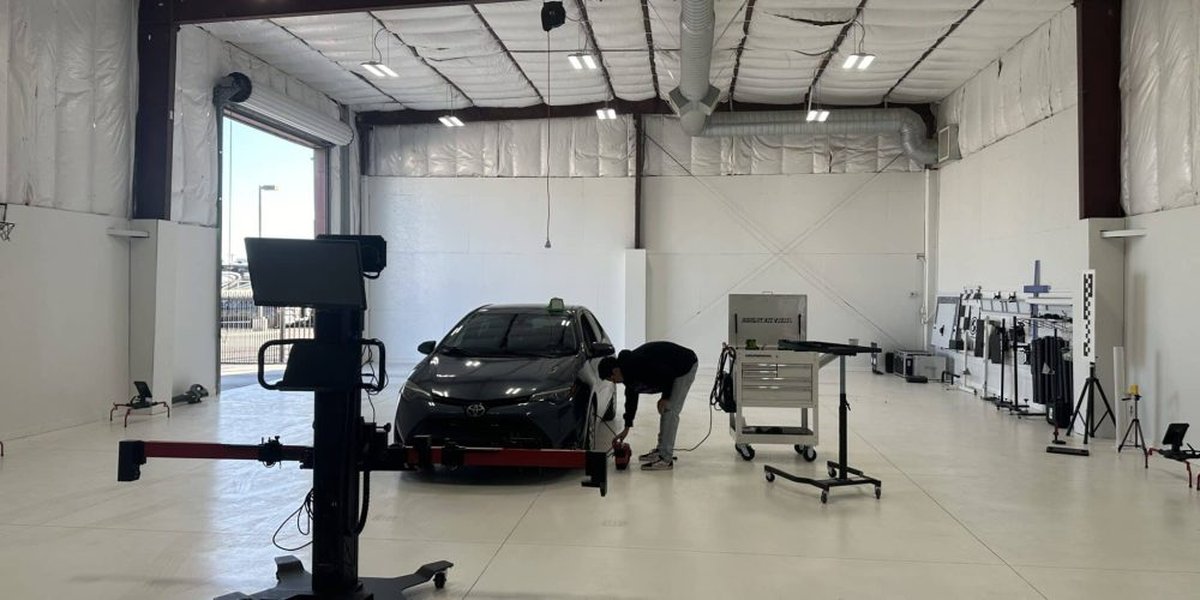
A professional ADAS calibration bay equipped with the necessary tools and controlled environment.
Which Vehicles Require Mandatory ADAS Recalibration After Windshield Replacement?
A Universal Need for Modern Cars
The vast majority of late-model vehicles sold in the US market that are equipped with a windshield-mounted forward camera absolutely require recalibration after glass replacement. This includes a broad spectrum of mainstream trims from popular American car brands like Toyota, Ford, Honda, Chevrolet, Subaru, and Hyundai, as well as many electric vehicles such as Tesla models.
Essentially, if your vehicle features any of the ADAS capabilities mentioned earlier—such as lane-keeping assist, forward collision warning, or adaptive cruise control—and these systems rely on a camera or sensor housed on or near the windshield, then recalibration is mandatory. Your vehicle's owner's manual or a certified repair facility's OEM procedure lookup will confirm the exact method and necessity for your specific year and model.
Frequently Asked Questions About ADAS Calibration
Conclusion: Prioritizing Precision for Your Safety
The ADAS calibration process after a windshield replacement is far more than an optional add-on; it is an indispensable safety procedure that directly impacts the functionality and reliability of your vehicle's most advanced protective systems. From ensuring your automatic emergency braking system can accurately detect hazards to guaranteeing your lane-keeping assist keeps you safely within your lane, precise sensor alignment is paramount. Investing in professional, OEM-compliant calibration safeguards not only your own well-being but also that of your passengers and everyone else on the road. By understanding why it's needed, what the process entails, and how to choose a qualified service provider, you can confidently maintain the integrity of your vehicle's cutting-edge safety features.
