

Protecting Your Rides on Turo, Zipcar, and Beyond in 2026
Essential Insights for EV Sharing Insurance
- Non-Owner Car Insurance is Crucial: It provides personal liability coverage, acting as a vital safety net that supplements the limited policies offered by car-sharing platforms like Turo and Zipcar.
- EVs Have Unique Insurance Needs: Due to higher repair costs, specialized components (especially batteries), and specific charging risks, electric vehicles demand careful consideration for adequate coverage.
- Compare Providers for Best Rates: Companies like GEICO, State Farm, and Progressive offer competitive non-owner policies, with average annual costs ranging from $200-$600 depending on location and driving history.
For those embracing the flexibility of electric vehicle (EV) sharing services like Turo, Zipcar, Getaround, and HyreCar in the United States, understanding your insurance coverage is paramount. While these platforms offer their own protection plans, non-owner car insurance provides an essential layer of personal liability coverage, safeguarding you against potential financial fallout from accidents. This guide explores the best non-owner car insurance options for EV sharing services in 2026, offering detailed insights into how these policies work, what they cover, and how they complement existing platform insurance, ensuring frequent and occasional EV renters in cities like New York, Los Angeles, Chicago, and San Francisco are adequately protected.
What is Non-Owner Car Insurance?
Non-owner car insurance is a specialized auto insurance policy designed for individuals who drive vehicles they do not own. Unlike a standard auto insurance policy that attaches to a specific vehicle, non-owner insurance follows the driver, providing liability coverage whenever they are operating a borrowed or rented car. This policy primarily covers bodily injury and property damage you might cause to others in an at-fault accident. It's a fundamental piece of protection for anyone who regularly drives but doesn't have a personal vehicle.
Who Benefits from Non-Owner Coverage?
- Frequent Car Sharers: Individuals who regularly use services like Turo, Zipcar, or Getaround for their transportation needs.
- Temporary Drivers: People who frequently borrow cars from friends or family members not residing in their household.
- Drivers Between Vehicles: Those who have sold their car but still need to drive, or are in the process of purchasing a new one and want to maintain continuous insurance coverage.
- Individuals Requiring SR-22/FR-44: In certain states, a non-owner policy can fulfill court-mandated financial responsibility requirements without requiring vehicle ownership.
It is important to note that a non-owner policy is primarily liability-focused. It typically does not cover physical damage to the vehicle you are driving, theft of the vehicle, or your own medical expenses unless optional coverages like Medical Payments (MedPay) or Uninsured/Underinsured Motorist (UM/UIM) are added.
Non-Owner Car Insurance for EVs: Unique Considerations
The growing popularity of electric vehicles in car-sharing fleets introduces unique insurance considerations. While the core function of non-owner insurance remains the same, the characteristics of EVs themselves make this coverage particularly valuable.
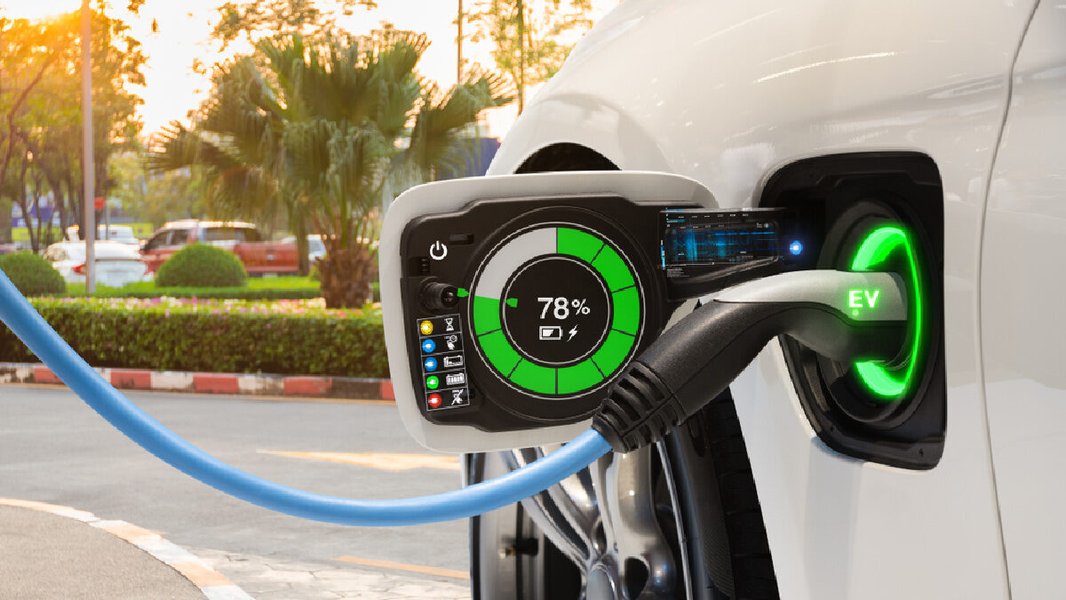
An electric vehicle charging at a public station, highlighting the growing presence of EVs in daily life.
Are EVs More Expensive to Insure?
In 2026, electric vehicles continue to present higher insurance costs compared to their gasoline counterparts. Industry data suggests electric car insurance can be 7-11% higher, and some reports indicate a 15-25% premium increase over petrol equivalents, with average annual costs for personal EV insurance reaching £1,200-£1,400 in certain markets, versus £900-£1,100 for petrol cars. This higher cost is largely attributed to:
- High Repair Costs: EVs often have more expensive components, especially their battery packs and advanced electronics. Repairing these can be significantly pricier than conventional vehicle repairs.
- Specialized Repair Requirements: Many EVs require manufacturer-certified technicians and specialized equipment for repairs, increasing labor costs and potentially repair times.
- Limited Parts Availability: For newer EV models, specific parts might be less readily available, leading to higher costs and longer waiting periods for repairs.
While your non-owner policy doesn't cover physical damage to the EV itself, the higher potential costs associated with EV repairs mean that having robust liability coverage is even more critical. If you are found at fault in an accident involving an EV, the financial liability for damages to other vehicles or property could be substantial.
EV-Specific Risks and Liability
- Battery Damage Liability: The most expensive component of an EV is its battery. While car-sharing platforms offer some damage protection, there can be exclusions or high deductibles for battery-related incidents. Your non-owner policy provides crucial liability protection if you're deemed responsible for an accident that damages an EV's battery.
- Charging Equipment Protection: Accidents can happen even at charging stations. If you damage public charging infrastructure or cause an incident involving charging equipment, you could be held liable. Non-owner insurance can cover these types of liabilities.
- Range-Related Issues: Although less common, running out of charge in an unsafe location or causing a traffic hazard due to range miscalculation could lead to negligence claims. Your non-owner policy can offer protection in such unique EV operational scenarios.
Non-Owner vs. Rental/Platform Insurance: Key Differences
It is crucial to understand how non-owner car insurance interacts with the coverage provided by car-sharing platforms and traditional rental car companies. Your non-owner policy serves a distinct purpose and often fills critical gaps.
A modern electric vehicle, symbolizing the type of car often rented through sharing services.
Understanding Platform-Provided Coverage
Car-sharing platforms like Turo, Zipcar, Getaround, and HyreCar all offer some form of insurance or protection plans. However, these typically have limitations:
- Turo Car Insurance Coverage: Turo offers various protection plans for guests, ranging from basic liability to comprehensive options with varying deductibles. These plans primarily cover physical damage to the host's vehicle and offer some liability protection. However, Turo's liability limits can vary by plan and state, and electing to decline their coverage means you rely on your personal insurance, which may not cover peer-to-peer rentals without an endorsement.
- Zipcar Insurance Policy: Zipcar includes basic liability coverage (often up to $300,000 per incident) and damage protection with a deductible in its membership fees. While comprehensive, these limits might still be insufficient for severe accidents, especially with high-value EVs.
- Getaround and HyreCar: These platforms also provide coverage, with HyreCar specifically catering to rideshare and delivery drivers, offering commercial coverage while on-app. However, off-app activities or specific state exclusions might create coverage gaps.
Where Non-Owner Insurance Fits In
Your non-owner car insurance acts as a secondary layer of protection, complementing the primary coverage from the car-sharing platform.
| Coverage Aspect | Non-Owner Car Insurance | Platform/Host Policy (Turo/Zipcar/etc.) |
|---|---|---|
| Liability to Others | Yes (primary or secondary, state-dependent, follows the driver) | Yes (limits vary by plan/membership, follows the vehicle) |
| Damage to the EV You're Driving | No (this is a liability-only policy) | Often yes via protection plan; deductibles apply |
| Comprehensive (theft, vandalism) | No | Usually included in selected tier for the vehicle |
| Collision (crash damage) | No | Usually included in selected tier for the vehicle |
| Uninsured/Underinsured Motorist (UM/UIM) | Often available as an add-on (state-dependent) | Varies by platform plan and state |
| Medical Payments (MedPay) / Personal Injury Protection (PIP) | Available as an add-on in many states | Varies by plan/state rules |
| EV Battery/Charging Gear Specifics | No (as it doesn't cover vehicle damage) | May be covered; read platform plan details carefully |
This table clearly illustrates that non-owner car insurance focuses on your personal liability to third parties, regardless of the vehicle you're driving. It does not cover the physical damage to the rented EV itself. For that, you would rely on the platform's protection plan, a damage waiver, or potentially credit card rental benefits (with careful verification, especially for EVs).
Best Non-Owner Auto Insurance Providers in 2026 for EV Sharing
Several major U.S. insurance carriers offer competitive non-owner car insurance policies that are well-suited for EV sharing users. Rates and availability can vary significantly based on your state, driving history, and chosen coverage limits. It's always recommended to obtain quotes from multiple providers to find the best fit.
Top Providers and Their Offerings
- GEICO: Consistently recognized for competitive rates, GEICO offers non-owner policies that typically start around $468 annually. Their widespread availability and understanding of modern driving habits, including EV risks, make them a popular choice for budget-conscious renters.
- State Farm: State Farm's Personal Mobility Insurance provides robust liability coverage, with average annual rates around $525. Their extensive network of agents allows for personalized policy customization, which can be beneficial for understanding nuanced EV-specific situations.
- Progressive: Progressive offers non-owner policies in most states, with options to add enhancements like rental vehicle coverage. Their flexible payment options and potential usage-based insurance programs might appeal to occasional EV renters.
- Nationwide: Known for competitive non-owner rates in various states, Nationwide offers policies with high coverage limits, providing ample protection for higher-value EV incidents.
- Allstate: Provides non-owner liability coverage for those who frequently drive borrowed or rented vehicles.
- USAA: An excellent choice for eligible military members and their families, USAA offers some of the most competitive rates for non-owner insurance.
- Travelers: Often an affordable option for non-owner insurance, particularly in specific regions like the East Coast.
- National General Insurance: Specializes in non-standard auto insurance, offering non-owner policies for drivers who might have a less-than-perfect driving record or require SR-22 filings. While often pricier, they provide options when other insurers might decline coverage.
Cost Comparison: Average Annual Non-Owner Insurance Premiums (2026 Estimates)
While exact rates are personalized, here's a general overview of average annual premiums for liability-only non-owner policies from various providers and in key U.S. markets for 2026.
| Insurance Company | Average Annual Premium (Estimate) | Best For | Availability |
|---|---|---|---|
| GEICO | $468 | Budget-conscious renters & broad availability | Nationwide |
| State Farm | $525 | Comprehensive coverage & agent support | Nationwide |
| Progressive | $545 | Flexible options & digital tools | Nationwide |
| Nationwide | $550 | High coverage limits | Nationwide |
| Travelers | $511 | Specific regional competitiveness (e.g., East Coast) | Limited states |
| USAA | ~$220 | Military members & families | Nationwide (for eligible members) |
*Note: These are estimated average annual rates for 2026 and are subject to change based on individual driving record, location (e.g., urban vs. suburban), coverage limits, and other factors. Always obtain personalized quotes.
Car Insurance Without Owning a Car: Practical Tips for EV Sharing Users
Securing the best non-owner car insurance for EVs requires a proactive approach. Here are practical tips to ensure you get adequate coverage at the most affordable rates for your EV sharing habits.
Choosing the Right Coverage Limits
State minimum liability requirements in the U.S. are often insufficient to cover the costs of a serious accident, especially when considering the higher repair costs of EVs. For drivers in major metropolitan areas like New York, Los Angeles, Chicago, or San Francisco, insurance experts recommend carrying significantly higher liability limits, such as 100/300/100 ($100,000 bodily injury per person, $300,000 bodily injury per accident, and $100,000 property damage) or a $300,000 single-limit policy. This protects your personal assets in the event of a costly claim.
Shopping for the Best Rates
Comparison graphic illustrating the differences in insurance for electric vs. gas-powered vehicles.
- Compare Multiple Providers: Rates vary widely. Obtain quotes from at least three to five different insurers (GEICO, State Farm, Progressive, Nationwide, Travelers, Allstate, USAA if eligible).
- Be Transparent About Driving Habits: Clearly explain that you do not own a vehicle but frequently use car-sharing services. This ensures the policy is tailored correctly.
- Inquire About Discounts: Ask about safe driver, multi-policy (if you bundle with renters or homeowners insurance), pay-in-full, or telematics discounts.
- Maintain Continuous Coverage: Avoid gaps in your insurance history. Insurers reward drivers with continuous coverage, which can lead to better rates in the long run.
- Consider Usage-Based Options: If you only occasionally use car-sharing, some insurers offer pay-per-mile or usage-based policies that might be more cost-effective.
Integrating with Car-Sharing Platforms
- Understand Platform Tiers: Familiarize yourself with the specific protection plans offered by Turo, Zipcar, Getaround, or HyreCar. Your non-owner policy is designed to supplement, not replace, their coverage for physical damage to the vehicle.
- Check Credit Card Benefits (Carefully for EVs): While some credit cards offer rental car insurance, their coverage for EVs can be limited, often excluding high-value models or specific EV components like batteries. Always verify with your credit card provider.
- Confirm EV-Specific Exclusions: Before each rental, especially for high-value EVs, confirm if the platform's policy or any optional damage waivers explicitly cover potential battery damage or issues with charging equipment.
Navigating State Minimum Liability Requirements
In the United States, each state mandates minimum liability insurance coverage. Your non-owner policy must meet these requirements for the state where you primarily reside. Here are examples from key car-sharing markets:
- California: 15/30/5 ($15,000 bodily injury per person, $30,000 bodily injury per accident, $5,000 property damage).
- New York: 25/50/10 ($25,000 bodily injury per person, $50,000 bodily injury per accident, $10,000 property damage).
- Texas: 30/60/25 ($30,000 bodily injury per person, $60,000 bodily injury per accident, $25,000 property damage).
- Illinois: 25/50/20 ($25,000 bodily injury per person, $50,000 bodily injury per accident, $20,000 property damage).
As previously mentioned, these state minimums are often too low to cover significant damages, especially in accidents involving more expensive EVs or serious bodily injuries. Opting for higher limits is a sound financial decision.
Common Pitfalls and How to Avoid Them
- Assuming Non-Owner Covers EV Damage: This is a common misconception. Remember, non-owner car insurance is for your liability to others, not for damage to the vehicle you are driving. Always rely on the car-sharing platform's protection plan or an appropriate damage waiver for the EV itself.
- Skipping UM/UIM Coverage: Many drivers overlook Uninsured/Underinsured Motorist coverage. This is vital protection that covers your medical expenses and property damage if you're hit by a driver who has no insurance or insufficient insurance.
- Not Reading Deductibles: Platform protection plans almost always have deductibles for physical damage. Be aware of these amounts, as you would be responsible for them in case of an incident.
- Over-reliance on Credit Card Rental Benefits for EVs: High-value EVs are often excluded from standard credit card rental insurance. Always contact your credit card company directly to confirm coverage specifics for the particular EV you plan to rent.
Frequently Asked Questions About Non-Owner Car Insurance
Conclusion
For the growing number of individuals who leverage EV sharing services across the U.S., investing in non-owner car insurance is a smart and responsible decision. It provides invaluable personal liability protection, acting as a crucial safeguard that complements the often-limited coverage offered by platforms like Turo and Zipcar. By understanding the unique insurance considerations of electric vehicles, comparing quotes from leading providers, and opting for robust liability limits, you can ensure a worry-free and financially secure experience while enjoying the convenience of EV car sharing in 2026 and beyond. This essential policy offers peace of mind, allowing you to focus on the road ahead, not the potential costs of an unexpected accident.
