

Don't get stranded! Learn the foolproof method for a safe and effective car battery jump start.
Key Highlights for a Safe Jump Start
- Prioritize Safety: Always wear protective gear and understand the risks of battery acid and explosive gases.
- Correct Connection Sequence: Follow the specific red-to-dead, red-to-donor, black-to-donor, black-to-ground order meticulously to prevent damage or injury.
- Post-Jump Recharge: Drive for at least 20-30 minutes after a successful jump start to allow your alternator to adequately recharge the battery.
The dreaded click or silence when turning your car key often signals a dead car battery. Whether you're in a bustling city center or a quiet countryside, knowing the correct jump start procedure is a crucial skill. This guide, drawing on extensive automotive expertise, provides a comprehensive, safety-first approach to jump starting a car safely, ensuring you can confidently handle this common roadside emergency. We'll cover everything from essential equipment and step-by-step instructions to troubleshooting and preventative measures.
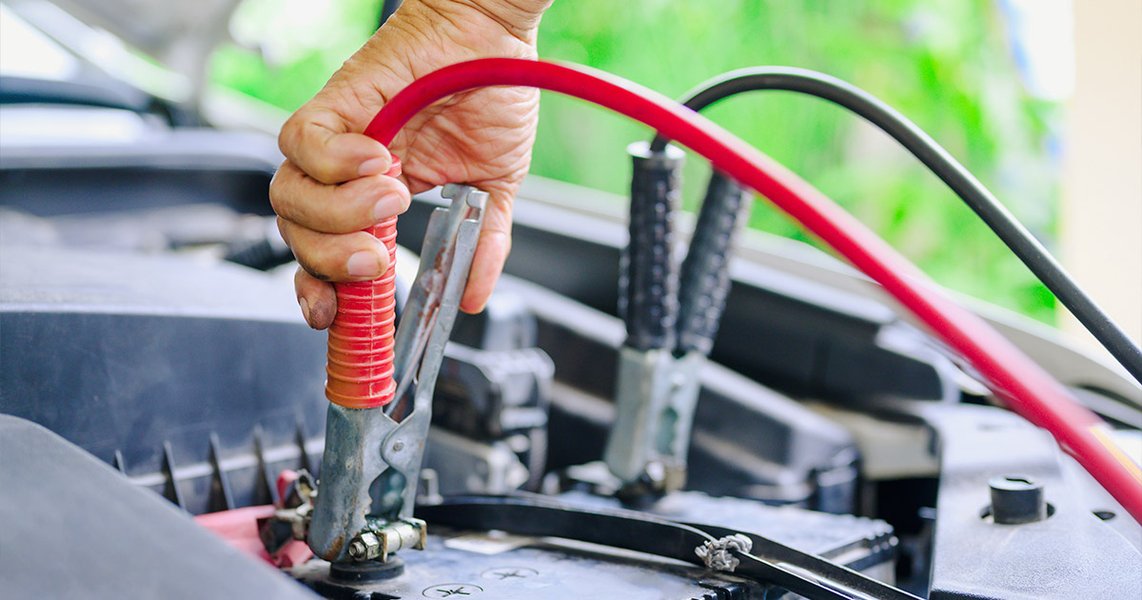
Proper vehicle positioning is the first step to a safe jump start.
Unmasking the Culprit: Recognizing Battery Dead Symptoms
Is Your Battery Truly Dead? Here's How to Tell.
Before you even think about jumper cables, it's vital to confirm that your battery is indeed the problem. Recognizing battery dead symptoms can save you unnecessary effort and help you diagnose the issue accurately.
Signs Your Battery Might Be Drained
- Slow Engine Crank: The engine struggles to turn over, sounding sluggish and weak when you try to start it.
- Rapid Clicking Sounds: Instead of a steady engine turn, you hear a rapid clicking noise when you attempt to start the car.
- Dim or Non-Functioning Lights: Headlights, interior lights, or dashboard lights appear unusually dim or don't illuminate at all.
- Electrical Component Failure: Accessories like the radio, power windows, or windshield wipers may not work or operate very slowly.
- Complete Silence: You turn the key, and absolutely nothing happens—no sounds, no lights. This often indicates a completely dead battery.
- Warning Lights: The battery warning light or check engine light might illuminate on your dashboard.
If you experience one or more of these symptoms, an emergency jump start is likely what you need. However, always double-check for other potential issues like a faulty starter motor or alternator if a jump start doesn't resolve the problem.
The Essential Toolkit for a Safe Jump Start
Gathering Your Gear: What You Need for a Successful Jump
Having the right equipment is paramount for performing a car battery jump start safely and effectively. Don't compromise on quality, especially when it comes to safety gear.
Must-Have Equipment
- High-Quality Jumper Cables: These are the lifeline for your dead battery. Opt for heavy-duty cables, ideally 4-gauge thickness with a length of 10 to 20 feet. Thicker cables (lower gauge numbers) allow for more efficient current transfer and are less likely to overheat. Insulated clamps are also crucial for safety.
- Safety Glasses or Goggles: Protect your eyes from potential sparks, battery acid, or debris. Polycarbonate lenses with a Z87 safety rating are recommended.
- Insulated Gloves: Provide protection against electrical shock and corrosive battery acid.
- Wire Brush: Useful for cleaning corroded battery terminals to ensure a solid connection for the jumper cables.
- Owner's Manual: Always consult your vehicle's owner's manual for specific instructions, especially for modern vehicles, hybrids, or electric cars, as battery locations and jump-start procedures can vary significantly.
- Portable Jump Starter (Optional but Recommended): A portable battery pack can be an excellent investment, allowing you to jump-start your car without the need for a donor vehicle.
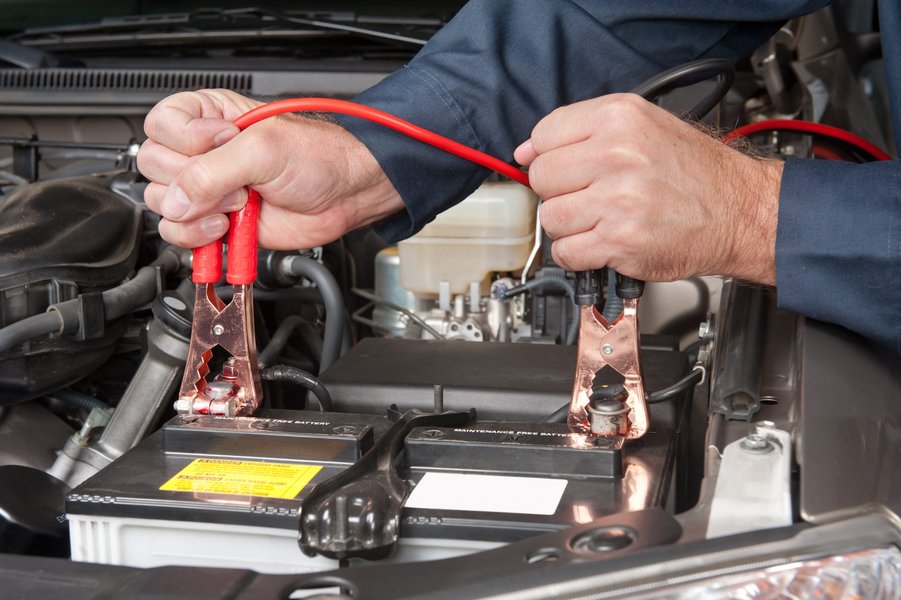
High-quality jumper cables are essential for a safe and effective jump start.
Critical Safety Warnings: Read Before You Start!
Your Safety Comes First: Avoid These Hazards
Before connecting any jumper cables guide to your vehicle, it's imperative to understand and adhere to critical safety precautions. Batteries contain sulfuric acid and produce explosive hydrogen gas, making improper handling extremely dangerous.
Absolute Safety Imperatives
- Never Smoke or Use Open Flames: Hydrogen gas emitted by batteries is highly flammable. Any spark or flame can cause a battery explosion.
- Wear Protective Gear: Always wear safety glasses and insulated gloves to protect your eyes and hands from acid splashes and electrical hazards.
- Inspect the Battery: Do NOT attempt to jump start a battery that is cracked, leaking, swollen, or frozen. These conditions indicate severe damage and attempting a jump start can lead to an explosion. Call a professional instead.
- Avoid Touching Metal: Ensure the clamps of the jumper cables do not touch each other or any metal parts of the car other than the designated battery terminals and ground point.
- Keep Clear: Ensure no one is leaning over the battery during the process. Keep children and pets away from the area.
- Consult Owner's Manual: For modern vehicles, especially hybrids and electric cars, standard jump-starting procedures may not apply or could damage sensitive electronics. Always check your owner's manual for specific instructions or call for professional assistance.
The Definitive Step-by-Step Car Battery Jump Start Procedure
Follow These Exact Steps for a Flawless Jump Start
This detailed car battery jump start steps guide outlines the precise sequence for a safe and effective jump start. Follow each step meticulously.
Step 1: Prepare the Vehicles and Ensure Safety
Park the donor vehicle (with the charged battery) close to the vehicle with the dead battery, ensuring they are not touching. Both vehicles should be on a flat, stable surface. Turn off both engines and engage the parking brakes on both cars. Remove keys from the ignition of the dead vehicle if possible. Switch off all lights, radios, air conditioning, and other electrical accessories in both vehicles to prevent power surges. Open both hoods and locate the batteries. Identify the positive (+) and negative (-) terminals on both. The positive terminal usually has a red cover or a "+" sign, and the negative terminal a "-" sign. Clean any corrosion from the terminals with a wire brush for optimal connection.
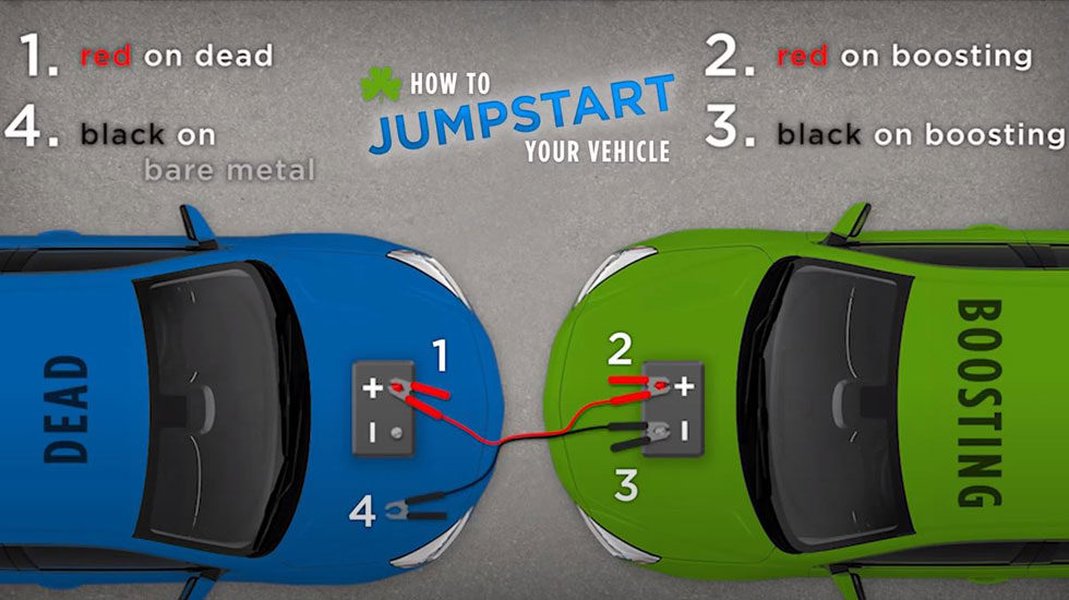
A visual guide to correctly connecting jumper cables between two vehicles.
Step 2: Connect the Jumper Cables in the Correct Order
This is the most critical part of the jump start procedure. Always connect in this specific order:
- Red to Dead (+): Attach one red (positive) clamp to the positive (+) terminal of the dead battery. Ensure a firm, secure connection.
- Red to Donor (+): Attach the other red (positive) clamp to the positive (+) terminal of the donor vehicle's charged battery. Again, ensure a secure connection.
- Black to Donor (-): Attach one black (negative) clamp to the negative (-) terminal of the donor vehicle's charged battery.
- Black to Ground (Dead Vehicle): Attach the final black (negative) clamp to an unpainted, solid metal surface on the engine block or frame of the dead vehicle. This should be away from the dead battery and any moving parts. NEVER connect this black clamp directly to the negative terminal of the dead battery, as this can create a spark that could ignite hydrogen gas near the battery.
Once all cables are connected, ensure they are not dangling into the engine compartment where they could get caught in moving parts.
Step 3: Initiate the Starting Sequence
Once the cables are securely connected:
- Start the donor vehicle's engine and let it run for 2-5 minutes. This allows the donor battery to transfer some charge to the dead battery.
- After a few minutes, attempt to start the dead vehicle.
- If it starts, congratulations! Keep both vehicles running for another 15-20 minutes to allow the alternator of the now-running vehicle to further recharge its battery.
- If the dead vehicle does not start, wait another 2-3 minutes, then try again. Do not crank the starter for more than 10-15 seconds at a time, as this can damage the starter motor. If it still doesn't start after a few attempts, there might be another issue, or the battery is too deeply discharged.
Step 4: Disconnect the Jumper Cables in Reverse Order
Once the dead vehicle is running, disconnect the cables in the exact reverse order of connection to minimize the risk of sparks:
- Remove the black clamp from the unpainted metal surface (ground point) on the previously dead vehicle.
- Remove the black clamp from the negative (-) terminal of the donor vehicle.
- Remove the red clamp from the positive (+) terminal of the donor vehicle.
- Remove the red clamp from the positive (+) terminal of the previously dead battery.
Ensure the clamps do not touch each other or any metal parts of the vehicle while disconnecting.
Step 5: Post-Jump Start Procedures
After a successful jump start, do not turn off your car immediately. Drive the vehicle for at least 20-30 minutes, preferably at highway speeds, to allow your alternator sufficient time to recharge the battery. If your car dies shortly after the jump or the battery continues to show weakness, it indicates that the battery may be at the end of its life, or there's an issue with your charging system (alternator).
Seasonal Considerations: Battling the Elements
How Weather Affects Your Battery and Jump Starts
Extreme temperatures significantly impact battery performance and longevity. Understanding these effects can help prevent unexpected dead battery situations.
Winter Challenges
Cold weather drastically reduces a battery's capacity and makes it harder for the engine to turn over due to increased oil viscosity. In regions like Scandinavia or the American Midwest, where temperatures frequently drop below freezing, a battery can lose up to 50-60% of its cranking power. Ensure your battery is fully charged before winter, and consider using a battery blanket or trickle charger if your vehicle sits for extended periods in extreme cold.
Summer Stresses
While cold can prevent a battery from starting, high heat actually accelerates battery degradation and internal corrosion, shortening its overall lifespan. Parking in the shade and ensuring your cooling system is in good order can help mitigate heat stress on your battery in hot climates such as those found in Southern Europe or the American Southwest.
When to Call for Professional Help
Knowing Your Limits: When DIY Isn't the Answer
While knowing how to jump start dead battery is a valuable skill, there are situations where professional assistance is necessary and safer.
Situations Requiring Expert Intervention
- Repeated Failures: If your vehicle doesn't start after multiple, correct jump-start attempts, the problem might not be just the battery. It could indicate a faulty starter motor, alternator, or a more complex electrical issue.
- Damaged Battery: As stressed earlier, if the battery is leaking, swollen, or cracked, do not touch it. These are signs of a dangerous internal fault.
- Uncomfortable or Unsure: If you feel uneasy about the procedure, lack the necessary equipment, or are simply unsure about any step, it's always best to call for roadside assistance. Your safety is paramount.
- Hybrid and Electric Vehicles (EVs): These vehicles have complex high-voltage systems. Standard jump-starting procedures can cause severe damage or pose a risk of electrocution. Always refer to the owner's manual or call a specialist for assistance. Services like AAA often have specific protocols for such vehicles.
- Burning Smell or Smoke: Any unusual odors, smoke, or excessive heat during the process indicates a serious problem. Disconnect immediately and call for help.
Prevention is Key: Avoiding Future Dead Battery Situations
Proactive Steps to Keep Your Battery Healthy
The best emergency jump start is the one you never need. Regular maintenance and smart habits can significantly prolong your battery's life and prevent inconvenient breakdowns.
Tips for Battery Longevity
- Regular Battery Testing: Have your battery tested annually by a professional, especially after it's three years old. Many auto parts stores offer this service for free.
- Keep Terminals Clean: Inspect battery terminals periodically for corrosion. A mixture of baking soda and water can clean them effectively. Secure clean, tight connections.
- Drive Regularly: Short trips don't allow your alternator enough time to fully recharge the battery. Take longer drives (at least 20-30 minutes) regularly to keep the battery topped up.
- Turn Off Accessories: Always double-check that all lights (interior and exterior), radio, and other accessories are off when you leave your vehicle. Even a small "parasitic drain" can kill a battery over time.
- Address Electrical Issues: Faulty wiring or components can cause a constant drain on your battery. If you notice persistent electrical problems, have them diagnosed by a mechanic.
- Consider a Battery Tender: If you store your vehicle for extended periods or make frequent short trips, a trickle charger or battery tender can maintain optimal charge levels.
- Proper Replacement: When it's time for a new battery, ensure you replace it with one that meets or exceeds your vehicle manufacturer's specifications.
