

Highlights of the Affordable EV Battle
- Pricing Prowess: The Chevrolet Bolt typically offers a lower entry price, making it a frontrunner for the most budget-conscious buyers, while the Nissan Leaf counters with competitive pricing, especially for its higher-range trims.
- Range Realities: The 2026 Nissan Leaf, with its larger battery options, boasts superior maximum driving range, ideal for longer journeys, whereas the 2027 Chevrolet Bolt provides a strong, reliable range suitable for most daily driving needs.
- Charging & Tech Choices: Both vehicles embrace the NACS charging standard for widespread compatibility, but the Bolt offers quicker 10-80% DC fast charging due to its battery chemistry, while the Leaf excels with universal smartphone integration (Apple CarPlay/Android Auto).
For many drivers, 2026 marks a pivotal moment in the electric vehicle revolution. The perception that EVs are exclusively a luxury is rapidly shifting, largely due to compelling offerings from established automakers. Leading this charge into accessible electric mobility are two familiar names, the all-new 2026 Nissan Leaf and the returning 2027 Chevrolet Bolt. Both vehicles promise to deliver practical, everyday electric driving without demanding a premium price tag, making the decision between them a crucial one for first-time EV buyers and those looking for an affordable upgrade.
This comprehensive comparison will delve into what these two budget-friendly champions bring to the table. We’ll explore their nuances in pricing, range, charging capabilities, interior comfort, technology, and overall driving experience. Our goal is to equip you with all the necessary insights to determine which electric vehicle best aligns with your lifestyle, budget, and driving requirements.
Why This Comparison Matters in 2026
The automotive landscape is undergoing a dramatic transformation, with electric vehicles at its forefront. For years, the barrier to entry for EVs was often their higher initial cost. However, thanks to advancements in battery technology, manufacturing efficiencies, and increased competition, affordable EVs are not just a futuristic concept but a present reality. The 2026 Nissan Leaf, a pioneer in the electric vehicle space, arrives with a significant redesign and substantial upgrades. Simultaneously, Chevrolet reintroduces the Bolt for 2027, building on its reputation for delivering exceptional value and practicality in an electric package.
This head-to-head battle between the Leaf and the Bolt is excellent news for anyone contemplating the switch to electric without committing to a hefty investment. Both vehicles now feature the North American Charging Standard (NACS) port, providing seamless access to Tesla's extensive Supercharger network—a game-changing convenience that vastly expands public charging options. They represent a clear commitment from manufacturers to make EVs accessible to a broader audience, fostering a future where electric driving is a viable option for nearly everyone.
It's important to note that while the 2026 model year for the Leaf and 2027 for the Bolt might seem to indicate a year's difference, both are expected to be available for purchase and hit showrooms around the same period, predominantly in early to mid-2026. This timing makes a direct comparison highly relevant for buyers planning their EV purchase in the near future.
At a Glance: Nissan Leaf vs. Chevrolet Bolt
Before diving into the specifics, here's a quick overview of how these two leading affordable EVs stand against each other, highlighting their core strengths and characteristics.

A modern interpretation: The 2026 Nissan Leaf (pictured) exemplifies the evolution of affordable electric mobility.
| Feature | 2026 Nissan Leaf | 2027 Chevrolet Bolt |
|---|---|---|
| Starting Price (est.) | ~$31,485 (S+) | ~$28,995 |
| Max Range (EPA est.) | Up to 303 miles | 255 miles |
| Battery Size | 75 kWh (larger pack), 52 kWh (base) | 65 kWh LFP |
| Horsepower | 214 hp (75 kWh pack) | 210 hp |
| DC Fast Charging (10-80%) | ~35 minutes (for 75 kWh) | ~26 minutes |
| Charging Port | NACS (Tesla) | NACS (Tesla) |
| Key Strength | More range, modern interior, Apple CarPlay/Android Auto | Lower price, faster charging, Super Cruise availability |
Pricing and Value Proposition: Your Budget, Your EV
For many budget-conscious buyers, the initial purchase price is often the most significant factor. Both the 2026 Nissan Leaf and the 2027 Chevrolet Bolt are strategically priced to make electric vehicle ownership more attainable, but they approach this goal with slightly different strategies.
Chevrolet Bolt: The Price Leader
The 2027 Chevrolet Bolt is poised to reclaim its position as one of America's most affordable new EVs. With an estimated starting price of around $28,995, it presents a highly aggressive entry point into electric driving. Chevrolet's strategy with the revived Bolt is to offer a straightforward, value-driven EV that minimizes financial barriers. An even cheaper LT variant is anticipated to arrive later, potentially pushing the starting price even lower, solidifying its status as a budget champion.
Nissan Leaf: Content-Rich Affordability
The 2026 Nissan Leaf enters the market with a starting price for its S+ trim at approximately $31,485. While slightly higher than the Bolt's initial offering, Nissan has focused on providing a more comprehensive package of features and a complete redesign for this price. A lower-priced Leaf S trim, equipped with a smaller battery and fewer features, is expected to follow later in 2026. This forthcoming base model aims to narrow the price gap significantly, making the Leaf even more competitive on the affordability front.
Important Note for Buyers: Always factor in potential federal, state, and local EV incentives. These can substantially reduce the effective purchase price, making an already affordable vehicle even more so. Tax credits and rebates can vary based on your income, location, and the vehicle's manufacturing origin.
Performance and Driving Range: How Far Can You Go?
Range anxiety remains a top concern for many prospective EV owners. Both Nissan and Chevrolet have made considerable strides in maximizing the driving range of their latest affordable offerings, ensuring they meet the demands of most daily commutes and even longer excursions.
Nissan Leaf's Extended Horizons
The 2026 Nissan Leaf, particularly in its more efficient configurations, boasts an impressive EPA-estimated range of up to 303 miles on a single charge. This remarkable figure is achieved with a larger 75 kWh battery pack, representing a significant leap forward from previous Leaf models. This extended range directly addresses the primary concern of many potential EV buyers, providing ample capacity for typical daily driving and considerable flexibility for longer road trips with fewer charging stops. A smaller 52 kWh battery option will also be available for the base S trim, with an expected range around 259 miles.
Chevrolet Bolt's Reliable Journey
The 2027 Chevrolet Bolt utilizes a modern 65 kWh lithium iron phosphate (LFP) battery. While its GM-estimated range of 255 miles is slightly less than the Leaf's top-tier offering, it is more than sufficient for the vast majority of daily driving needs. LFP batteries are renowned for their robust longevity, thermal stability, and ability to be charged to 100% regularly without significant degradation, often supporting more charge cycles throughout the vehicle's lifespan.
"With an estimated 303 miles of range, the new Leaf is a serious contender for range-conscious buyers, while the Bolt's LFP battery offers excellent long-term durability and peace of mind."

The 2027 Chevrolet Bolt features a modern and ergonomic cockpit designed for intuitive use.
Charging and Battery Technology: Powering Your Adventures
The speed and convenience of charging are vital aspects of EV ownership. Both the 2026 Leaf and 2027 Bolt have made substantial advancements, most notably by adopting the North American Charging Standard (NACS), granting them access to a broader and more reliable charging infrastructure.
Universal Charging Access: The NACS Advantage
A significant upgrade for both models is the integration of the NACS (North American Charging Standard) port. This means both the Leaf and Bolt will enjoy direct access to Tesla’s vast Supercharger network without requiring adapters, eliminating a major pain point for previous-generation EV owners and greatly expanding their charging options across North America.
DC Fast Charging Performance
When it comes to DC fast charging, both vehicles can achieve peak rates of 150 kW. However, their 10% to 80% charge times differ due to battery size and chemistry:
- The 2027 Chevrolet Bolt shines here, boasting an impressive 26-minute charge time from 10% to 80%. Its smaller LFP battery allows it to replenish energy more quickly, minimizing downtime during longer journeys.
- The 2026 Nissan Leaf, with its larger 75 kWh battery, takes approximately 35 minutes for a 10% to 80% charge. While longer, it's important to remember that this adds more miles of range per minute due to the greater energy capacity being replenished.
Battery Thermal Management and Bidirectional Capabilities
- The Nissan Leaf features a liquid-cooled battery for optimal performance and longevity, especially during repeated fast charging or in extreme temperatures. It also includes bidirectional charging capability, allowing it to power external appliances, a useful feature for camping or emergencies.
- The Chevrolet Bolt's LFP battery chemistry is inherently more stable and less sensitive to temperature fluctuations, offering excellent long-term durability. It also comes standard with a heat pump, enhancing efficiency in colder climates. The Bolt can be configured for full Vehicle-to-Home (V2H) power backup, offering an advanced level of energy flexibility.
Interior Space and Comfort: Your Daily Sanctuary
The interior design, comfort, and cargo capacity are critical considerations for any daily driver. Both the Leaf and Bolt offer thoughtfully designed cabins, though with slightly different priorities.
Passenger Space: Room to Roam
- The 2027 Chevrolet Bolt generally offers a slight advantage in overall passenger cabin space, particularly noticeable in rear-seat legroom. This makes it a more comfortable option for individuals who frequently transport adult passengers in the back.
- The 2026 Nissan Leaf, while having a comfortable and airy cabin, offers adequate rather than exceptional rear legroom, a common characteristic of vehicles with a more pronounced cargo focus.
Cargo Space: Hauling Your Life
When it comes to carrying your belongings, the Leaf gains an edge:
- The 2026 Nissan Leaf, redesigned with a crossover-inspired body, offers a generous 20 cubic feet of cargo capacity with the rear seats upright. With the rear seats folded down, this expands to an estimated 55.5 cubic feet.
- The 2027 Chevrolet Bolt maintains dimensions similar to its previous generation, offering around 16.2 cubic feet behind the second row and expanding to approximately 56.3 cubic feet with the seats folded. While the Bolt's total cargo volume with seats folded is slightly larger, the Leaf provides more usable space with seats up.
Practical Tip: Consider your typical usage. If you frequently carpool or have taller passengers, the Bolt's rear seat comfort might be a priority. If you often haul groceries, luggage, or sports equipment without folding seats, the Leaf's larger trunk space could be more beneficial.
Technology and Infotainment: Staying Connected
In an age where seamless connectivity is expected, the technology and infotainment systems in these EVs play a crucial role. This is an area where the Leaf and Bolt adopt distinctly different philosophies.
Nissan Leaf: Smartphone-Centric Experience
The 2026 Nissan Leaf fully embraces smartphone integration. It offers wireless Apple CarPlay and Android Auto across all trim levels, allowing drivers to mirror their phone's interface directly onto the car's screen. The Leaf features a large infotainment display, with a 12.3-inch screen on lower trims and an even more expansive 14.3-inch screen on higher-end models. This system is designed to be user-friendly and familiar, leveraging the ecosystems many drivers already use daily.
Chevrolet Bolt: Google Built-in & Super Cruise
The 2027 Chevrolet Bolt takes an alternative approach, integrating Google Built-in directly into its 11.3-inch infotainment screen. This system provides native access to Google Maps, Google Assistant, and the Google Play Store for various apps. However, a notable aspect is GM's decision to omit Apple CarPlay and Android Auto support, which might be a deal-breaker for some buyers. On the other hand, the Bolt's ace in the hole is the availability of Super Cruise hands-free driving technology on certain trims, an advanced driver-assistance feature that the Leaf does not offer.
Driving Dynamics and Performance: The Electric Thrill
Both the Nissan Leaf and Chevrolet Bolt provide the characteristic smooth, quiet, and responsive driving experience inherent to electric vehicles, albeit with subtle differences in their character.
Power and Acceleration
- The 2026 Nissan Leaf, with its 75 kWh battery configuration, delivers a robust 214 horsepower and 261 lb-ft of torque. This provides brisk acceleration and confident merging capability. The upcoming 52 kWh base model will feature 174 hp and 254 lb-ft, still offering ample power for daily driving.
- The 2027 Chevrolet Bolt is powered by a 210-horsepower electric motor producing 169 lb-ft of torque. While its torque figure is lower than the Leaf's, the Bolt's slightly more compact and agile nature often translates to a zippier, more responsive feel, especially in urban environments.
Ride and Handling
- The Nissan Leaf emphasizes a comfortable and refined ride. Its suspension is tuned to absorb road imperfections, providing a smooth and stable driving experience, making it an excellent companion for longer commutes and highway cruising.
- The Chevrolet Bolt, known for its nimble chassis, offers a slightly sportier and more agile driving feel. Its compact dimensions make it particularly adept at navigating city streets and tight parking spaces, contributing to an energetic and engaging ride.
Safety and Driver-Assistance Features: Confidence on the Road
Safety is a paramount concern for any vehicle, and both the 2026 Leaf and 2027 Bolt come equipped with a comprehensive suite of advanced safety and driver-assistance technologies designed to protect occupants and prevent accidents.
Standard Safety Suites
Both models are expected to feature robust standard safety packages. Typically, these include:
- Automatic Emergency Braking (AEB) with Pedestrian Detection
- Lane Keep Assist (LKA) and Lane Departure Warning (LDW)
- Blind-Spot Monitoring (BSM) and Rear Cross-Traffic Alert (RCTA)
- Adaptive Cruise Control (ACC)
Advanced Driver Assistance Systems (ADAS)
- The Nissan Leaf offers its ProPILOT Assist system, which combines adaptive cruise control with steering assistance to help maintain lane centering and vehicle speed on highways.
- The Chevrolet Bolt stands out with available Super Cruise, GM's acclaimed hands-free driver-assistance system, capable of operating on compatible mapped highways across North America. This provides a significant convenience advantage for frequent highway drivers.
Exterior Design and Visual Appeal: Making a Statement
While performance and practicality are key, the aesthetic appeal of a vehicle often plays a significant role in purchasing decisions. Both the Leaf and Bolt have distinct design languages that cater to different preferences.
Nissan Leaf's Modern Transformation
The 2026 Nissan Leaf undergoes a dramatic transformation, shedding its traditional hatchback silhouette for a more contemporary, crossover-inspired fastback design. This fresh look aims to broaden its appeal, offering a sleek, modern, and universally attractive presence on the road. The redesign integrates Nissan's latest design language, including sharp lines, a bold front fascia, and dynamic lighting elements.
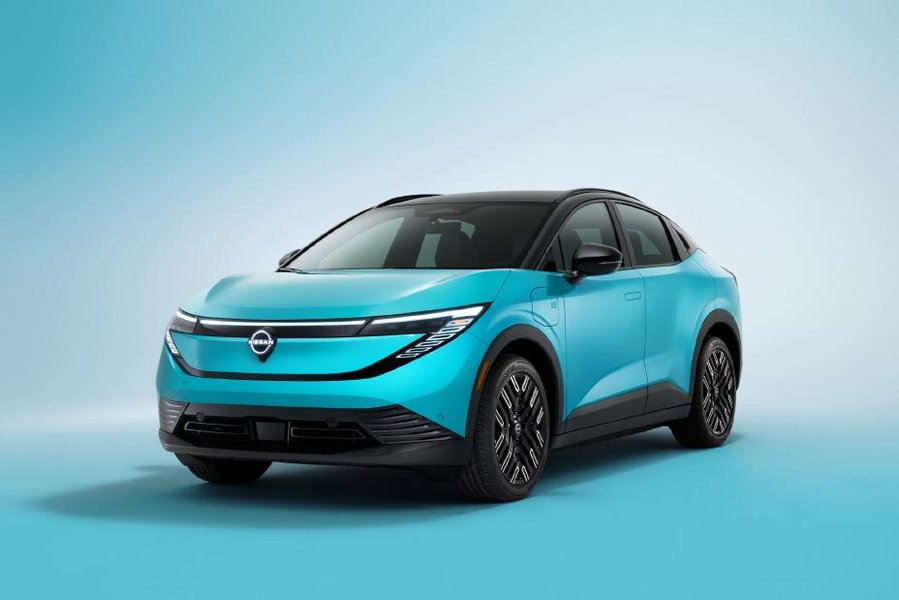
The all-new 2026 Nissan Leaf boasts a refreshed, modern aesthetic, moving towards a crossover-inspired design.
Chevrolet Bolt's Refined Practicality
The 2027 Chevrolet Bolt retains its familiar upright hatchback profile, known for its practical packaging and excellent visibility. However, it receives refined styling cues, including cleaner surfacing, updated front and rear fascias, and modern lighting signatures. The Bolt will also offer an available RS trim, featuring black accenting and sporty design elements, alongside a panoramic sunroof option to enhance its aesthetic appeal and driver experience.
Ownership Costs and Warranties: Long-Term Value
Beyond the initial purchase price, the long-term cost of ownership is a crucial aspect of affordability. Both EVs promise lower running costs compared to their gasoline counterparts, thanks to cheaper electricity per mile and reduced maintenance needs.
Reduced Running Costs
Electric vehicles generally incur lower operational costs. Benefits include:
- Fuel Savings: Electricity is typically cheaper per mile than gasoline, especially when charging at home during off-peak hours.
- Lower Maintenance: EVs have fewer moving parts than internal combustion engine vehicles, leading to fewer oil changes, spark plug replacements, and overall less wear and tear.
- Brake Longevity: Regenerative braking significantly reduces the workload on friction brakes, extending their lifespan.
Battery Warranties
Both manufacturers offer robust warranties for their EV components:
- Both the Nissan Leaf and Chevrolet Bolt are expected to come with standard EV battery warranties of 8 years or 100,000 miles, whichever comes first. This provides significant peace of mind regarding the most expensive component of the vehicle.
Considerations for Cold Climates
Cold weather can impact EV range and charging performance. Both vehicles offer solutions:
- The Chevrolet Bolt includes a standard heat pump, which is highly efficient for cabin heating in cold weather, minimizing its impact on range. Its LFP battery chemistry is also quite resilient, though preconditioning before fast charging is always beneficial.
- The Nissan Leaf offers a heat pump on select trims. Both vehicles benefit significantly from preconditioning their battery and cabin while plugged in during cold weather to maximize efficiency and charging speed.
Important Note: If you live in an apartment or cannot install home charging, investigate workplace charging options or nearby public Level 2 (240V) chargers before committing to an EV. Home Level 2 charging significantly enhances the convenience of EV ownership.
Which EV is Right For You? Tailoring Your Choice to Your Lifestyle
The "best" EV isn't a universal truth; it's the one that perfectly fits your individual needs and preferences. Here’s a breakdown to help you decide between the 2026 Nissan Leaf and the 2027 Chevrolet Bolt.
Choose the 2026 Nissan Leaf if:
- Your primary concern is achieving the maximum driving range possible in an affordable EV (up to 303 miles for the 75 kWh battery).
- You prioritize cargo space, especially with the rear seats up, for hauling groceries, luggage, or gear.
- You heavily rely on and prefer the familiar interface of wireless Apple CarPlay or Android Auto for your in-car infotainment.
- You appreciate a completely new model from the ground up with a modern, crossover-inspired design and a comfortable, refined ride.
- You plan for regular highway trips or varied weekend drives where longer range reduces charging stops.
Choose the 2027 Chevrolet Bolt if:
- Achieving the lowest possible purchase price is your top priority.
- You value faster DC fast charging times, allowing for quicker turnaround at public charging stations (26 minutes for 10-80%).
- You frequently transport rear-seat passengers and prioritize maximizing their legroom.
- You are intrigued by or desire the convenience of available hands-free Super Cruise technology for highway driving.
- You are comfortable with or prefer Google Built-in as your primary infotainment system and do not require Apple CarPlay or Android Auto.
- You mostly commute in town and can reliably charge at home, where 255 miles of range is more than sufficient.
"Match the car to your charging reality. With home Level 2 charging, either of these vehicles transforms into a stress-free daily driver, offering significant savings and environmental benefits."
Real-World Buying Checklist for Affordable EVs
- Test Drive Both: The only way to truly know which car feels right is to drive them. Pay attention to comfort, visibility, and how the controls feel.
- Assess Your Charging Situation: Can you install a Level 2 charger at home? Do you have access to reliable public charging near work or frequent destinations?
- Consider Your Passengers: If you often have rear-seat passengers, check the legroom and ease of entry/exit.
- Evaluate Your Tech Needs: Are Apple CarPlay/Android Auto essential, or does Google Built-in suffice (or even appeal more)?
- Budget for the Whole Picture: Don't just look at the MSRP. Factor in potential incentives, insurance, and the cost of installing a home charger.
Final Verdict: The Battle for the Budget EV Crown
There is no single "winner" in the compelling battle between the 2026 Nissan Leaf and the 2027 Chevrolet Bolt. Instead, there are two exceptionally strong contenders that unequivocally demonstrate that electric vehicles are no longer a niche luxury but a viable and affordable option for a wide array of consumers. Both models signify an exciting new era where mainstream electric mobility is truly within reach.
| Category | Winner | Why |
|---|---|---|
| Overall Value for Tight Budgets | Bolt | Lower entry price, aggressive pricing strategy, and faster 10-80% charging. |
| Maximum Range & Highway Usability | Leaf | Up to 303 miles on its larger battery trims reduces charging stops on longer journeys. |
| Infotainment & Smartphone Integration | Leaf | Offers wireless Apple CarPlay and Android Auto across all trims, catering to a broader audience. |
| Advanced Hands-Free Driver Assist | Bolt | Availability of GM's Super Cruise technology for hands-free highway driving. |
| Cargo Flexibility (Seats Up) | Leaf | More usable cargo volume with the rear seats in place. |
| Charging Speed (10-80% DC Fast) | Bolt | Quicker charging time due to its slightly smaller, LFP battery. |
| Newness of Design & Platform | Leaf | Complete ground-up redesign with a modern, crossover-inspired aesthetic. |
The 2026 Nissan Leaf delivers a strong proposition with its impressive range and refreshed design, making it a highly practical choice for those seeking fewer charging interruptions and seamless smartphone integration. The 2027 Chevrolet Bolt, on the other hand, counters effectively with a remarkably low price point, quicker charging capabilities, and advanced features like Super Cruise that belie its budget-friendly nature. The universal adoption of NACS charging ports by both models is a significant equalizer, ensuring excellent public charging access for either choice.
Ultimately, your decision will hinge on your personal priorities. Do you prioritize the absolute lowest entry price and advanced hands-free driving on highways? The Bolt might be your ideal match. Or do you value maximum range, ample cargo space, and familiar smartphone connectivity above all else? The Leaf could be the perfect fit. We strongly recommend assessing your daily needs, considering your long-term driving habits, and, if possible, test driving both vehicles to experience firsthand which affordable electric future feels right for you. Regardless of your choice, you'll be joining the EV revolution with a practical, efficient, and thoroughly modern vehicle.
This video offers a comprehensive breakdown of the key differences between the 2026 Nissan Leaf and the 2027 Chevrolet Bolt, helping potential buyers navigate their options in the affordable EV market.
Frequently Asked Questions (FAQ)
Conclusion
The arrival of the redesigned 2026 Nissan Leaf and the reintroduction of the 2027 Chevrolet Bolt mark a significant milestone in the journey toward widespread electric vehicle adoption. These two models are not just vehicles; they are statements that affordable, practical, and feature-rich EVs are here to stay. By offering compelling packages that prioritize value without sacrificing essential features or performance, both Nissan and Chevrolet are making it easier than ever for budget-conscious buyers to embrace electric mobility.
Whether your priority is the longest possible range, the lowest initial cost, advanced driving assistance, or seamless smartphone integration, one of these vehicles is likely to meet your needs. The shared adoption of the NACS charging standard simplifies the public charging experience for both, eliminating previous anxieties and opening up a vast network of fast chargers. As the EV market continues to mature, the choice between the Leaf and Bolt highlights a healthy competition that ultimately benefits consumers, proving that going electric doesn't have to break the bank. Your journey into the electric future starts here, with two excellent and accessible options.
