

Key Insights into Electrified Vehicle Technologies
- Hybrid Electric Vehicles (HEVs) offer enhanced fuel efficiency without requiring external charging, relying on regenerative braking and the gasoline engine to keep their smaller batteries charged.
- Plug-in Hybrid Electric Vehicles (PHEVs) feature larger batteries that can be charged externally, providing a significant electric-only driving range before switching to a hybrid gasoline-electric mode.
- Your daily commute, access to charging infrastructure, and budget are primary factors in deciding whether an HEV or PHEV is the right choice for you.
Decoding the Fundamentals: How They Power Your Drive
Both hybrid and plug-in hybrid vehicles utilize a combination of a gasoline engine and an electric motor to propel the car. This dual-power approach is designed to optimize fuel consumption and reduce emissions. However, the size of their electric components and how they are powered fundamentally differentiates them.
Hybrid Electric Vehicles (HEVs): The Self-Sustaining System
A traditional hybrid electric vehicle, often simply called a hybrid, integrates a gasoline internal combustion engine with an electric motor and a relatively small battery pack. The key characteristic of an HEV is its self-charging capability; you never need to plug it in.
How HEVs Operate
HEVs employ a clever system to keep their batteries charged. When you decelerate or brake, the electric motor acts as a generator, converting kinetic energy into electricity and storing it in the battery—a process known as regenerative braking. The gasoline engine also contributes to charging the battery when needed. This seamless interplay allows the vehicle to switch between electric power, gasoline power, or a combination of both, depending on driving conditions.
For instance, at low speeds or when idling, an HEV can often run on electric power alone for short distances (typically 1-2 miles). During acceleration or when more power is required, both the electric motor and the gasoline engine work together. On the highway, the gasoline engine usually takes the lead, with the electric motor providing assistance for improved efficiency.
"Hybrids cannot drive using just electric power for extended periods; instead, the hybrid system supports the vehicle's gas engine to ensure the car gets the best mileage possible." – U.S. News
Plug-in Hybrid Electric Vehicles (PHEVs): Extended Electric Freedom
Plug-in hybrid electric vehicles represent an evolution of hybrid technology. They combine a gasoline engine and an electric motor, but with a significantly larger battery pack than a standard hybrid. This larger battery is the game-changer, as it allows PHEVs to be charged externally, just like an all-electric vehicle.
How PHEVs Work
The primary advantage of a PHEV is its ability to operate on electric power alone for a substantial range—typically between 15 and 60+ miles in current models. This means many drivers can complete their daily commute and errands without using any gasoline, provided they charge the vehicle regularly. Once the electric-only range is depleted, the PHEV seamlessly transitions into a conventional hybrid, using its gasoline engine and regenerative braking to extend its range until it can be plugged in again.
Charging a PHEV is straightforward, requiring a standard 120V (Level 1) household outlet for overnight charging or a faster 240V (Level 2) charging station, which can be installed at home or found in public spaces. This flexibility makes PHEVs a compelling option for those who want to reduce their gasoline consumption significantly without committing to a purely electric vehicle.
"PHEVs generally have larger battery packs than hybrid electric vehicles. This makes it possible to drive moderate distances using just electricity (about 15 to 60-plus miles in current models)." – AFDC, Plug-In Hybrid Electric Vehicles
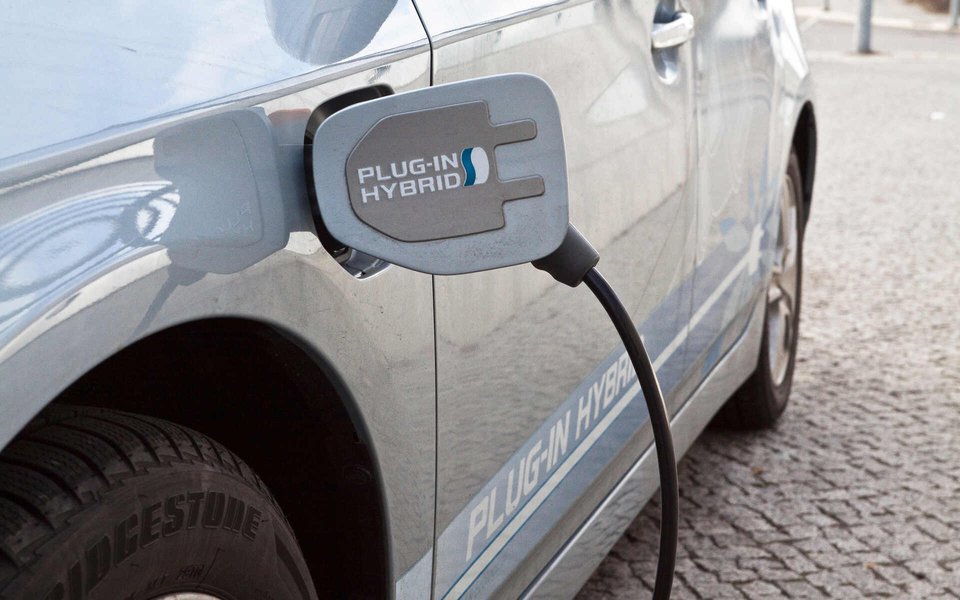
A plug-in hybrid being charged, illustrating its reliance on external power.
The Core Distinctions: A Head-to-Head Comparison
To truly understand the "real difference," let's delve into the key areas where HEVs and PHEVs diverge. These differences impact everything from initial cost and fuel savings to daily convenience and environmental footprint.
Battery Size and Electric-Only Range
The most significant distinction lies in the battery. HEVs have relatively small batteries, typically under 2 kWh, which are designed to provide electric assist and short bursts of electric-only driving. This limited electric range is primarily for low-speed maneuvers or to smooth out power delivery, not for sustained electric travel.
PHEVs, on the other hand, boast much larger battery packs, often ranging from 8 kWh to over 20 kWh. This substantial increase in battery capacity directly translates to a meaningful electric-only driving range, allowing drivers to cover daily distances without consuming any gasoline. This extended range is what truly sets PHEVs apart, offering a more significant reduction in fossil fuel reliance.
Charging Requirements and Infrastructure
This is where the "plug-in" in PHEV becomes critical. A standard hybrid never needs to be plugged in; its battery charges automatically through the vehicle's operation. This offers unparalleled convenience and eliminates any concerns about charging infrastructure or range anxiety.
PHEVs, by design, require external charging to utilize their full electric capabilities. While they can function as a regular hybrid when not charged, the economic and environmental benefits are maximized when they are regularly plugged in. This necessitates access to a charging point, whether at home, work, or public stations. For drivers with consistent charging access, this is a minor consideration, but for apartment dwellers or those without dedicated parking, it can be a significant hurdle.
Fuel Economy and Environmental Impact
Both vehicle types offer superior fuel economy compared to conventional gasoline cars. HEVs achieve this through their efficient power blending and regenerative braking, typically delivering impressive MPG figures. The U.S. Environmental Protection Agency (EPA) often rates hybrids with combined fuel economy in the 40-50 MPG range.
PHEVs have the potential for even greater fuel savings and a lower environmental impact, especially if driven predominantly on electric power. Their fuel economy is often expressed in MPGe (miles per gallon equivalent), reflecting their electric efficiency. When operating in electric-only mode, PHEVs produce zero tailpipe emissions, significantly reducing a driver's carbon footprint. Once the battery is depleted, their hybrid mode still offers excellent fuel efficiency.
"Plug-in hybrid vehicles (PHEVs) offer an extended electric-only range, leading to lower daily emissions." – Toyota
Cost Considerations: Upfront vs. Long-Term Savings
Generally, traditional hybrids have a lower upfront purchase price than their plug-in counterparts. The smaller battery and less complex charging system contribute to this difference, making HEVs a more accessible entry point into electrified driving.
PHEVs, with their larger batteries and advanced charging capabilities, typically command a higher initial cost. However, this higher price can often be offset by potential federal tax credits, state incentives, and substantial long-term fuel savings if the vehicle is charged and driven electrically for a significant portion of its mileage. The total cost of ownership over several years often favors PHEVs for drivers who maximize their electric range.
Which Electrified Vehicle is Right for Your Lifestyle?
The choice between a hybrid and a plug-in hybrid ultimately depends on your individual driving patterns, priorities, and access to charging.
Choose a Hybrid (HEV) If:
- You want immediate and straightforward improvements in fuel efficiency without any change to your driving or fueling habits.
- You primarily drive in urban environments where the electric motor can frequently assist the gasoline engine at lower speeds.
- You do not have convenient access to a charging point at home or work.
- You are looking for a lower upfront cost and a proven, reliable technology.
- You frequently take long road trips where the benefits of electric-only driving would be minimal.
Choose a Plug-in Hybrid (PHEV) If:
- You have a consistent daily commute that falls within the vehicle's electric-only range (e.g., under 30-50 miles).
- You have reliable access to charging at home or work and are committed to plugging in regularly.
- You want to significantly reduce or even eliminate your daily gasoline consumption.
- You desire the environmental benefits of zero-emission driving for local trips.
- You appreciate the flexibility of having a gasoline engine for longer journeys, eliminating range anxiety associated with pure EVs.
This video explains the pros and cons of plug-in hybrids, offering a deeper dive into their real-world implications for drivers.
Real-World Driving Patterns and Considerations
Understanding how these vehicles perform in various scenarios can help solidify your decision. It's not just about what they can do, but how well they fit into your routine.
The Daily Commute
For many drivers, the daily commute is the most significant factor. An HEV will offer consistent fuel savings, particularly in stop-and-go traffic, but will always rely on some gasoline consumption.
A PHEV, if charged nightly, can handle a typical 20-40 mile commute entirely on electric power, meaning zero gasoline used and zero tailpipe emissions for that journey. This can lead to substantial savings and a dramatically reduced environmental footprint over time.
Longer Journeys and Road Trips
When it comes to extended travel, both excel in different ways. An HEV will provide continuous good fuel economy without any need to plan for charging stops, functioning just like a highly efficient gasoline car.
A PHEV also offers excellent flexibility for long trips. After its electric range is depleted, it seamlessly operates as a traditional hybrid, providing efficient gasoline-electric power. This means you can enjoy the electric benefits for daily driving and still have the convenience of gasoline for cross-country adventures without worrying about charging infrastructure on the go.
Environmental Impact: A Deeper Look
While both reduce emissions compared to conventional cars, PHEVs offer the potential for ultra-low or even zero emissions for a significant portion of their operation. This depends heavily on how often the vehicle is charged and the source of electricity (renewable vs. fossil fuels). For environmentally conscious drivers who can consistently charge, a PHEV offers a closer step towards pure electric mobility without the full commitment.
Maintenance, Reliability, and Longevity
Both hybrids and plug-in hybrids are generally reliable vehicles, benefiting from mature technologies. The addition of electric components can introduce some differences in maintenance and long-term considerations.
Maintenance Similarities and Differences
Routine maintenance for both HEVs and PHEVs is largely similar to conventional gasoline cars, including oil changes, tire rotations, and brake inspections. However, their electric powertrains can lead to some advantages. For instance, regenerative braking reduces wear and tear on conventional brake pads, potentially extending their lifespan.
PHEVs, with their larger batteries and charging systems, may have a few additional components that could require attention over time, though modern electric components are designed for durability. Both types typically come with extensive warranties on their hybrid components and batteries, often for 8 years/100,000 miles or more, providing peace of mind.
Battery Degradation
Battery degradation is a common concern for all electrified vehicles. While batteries do lose some capacity over their lifespan, advancements in technology mean that this is often a slow process, and most drivers will not experience a significant drop in performance within the typical ownership period. Thermal management systems in both HEVs and PHEVs are designed to protect the battery and maximize its longevity.
Practical Tips for Prospective Buyers
Making an informed decision goes beyond understanding the technical specifications. Consider these practical tips:
- Estimate Your Daily Driving: Track your typical daily and weekly mileage to see if it aligns more with an HEV's consistent efficiency or a PHEV's electric range.
- Assess Charging Access: Honestly evaluate your ability to charge a PHEV regularly at home, work, or frequently used public locations. Without consistent charging, a PHEV largely functions as a less efficient traditional hybrid.
- Research Incentives: Check for federal, state, and local incentives, tax credits, or rebates for PHEVs, as these can significantly impact the effective purchase price.
- Test Drive Both: Experience is the best teacher. Drive both a hybrid and a plug-in hybrid on your usual routes to get a feel for their performance, comfort, and how their powertrains integrate into your driving style.
- Consider Total Cost of Ownership: Look beyond the sticker price. Factor in potential fuel savings, maintenance, insurance, and resale value to get a complete picture of the long-term costs.
Frequently Asked Questions (FAQ)
Conclusion
The choice between a hybrid and a plug-in hybrid is not about one being inherently "better" but about finding the perfect match for your individual needs. Traditional hybrids offer a seamless transition to more efficient driving, delivering consistent fuel savings without the need for external charging. They are an excellent choice for drivers seeking simplicity and improved MPG across all driving conditions.
Plug-in hybrids, conversely, provide a compelling bridge to fully electric driving. With their significant electric-only range and the flexibility of a gasoline engine for longer trips, they empower drivers to drastically reduce their fuel consumption and emissions, provided they have regular access to charging. If your daily commute falls within their electric range and you can plug in consistently, a PHEV offers a powerful combination of efficiency, environmental benefits, and convenience.
As you navigate the exciting landscape of electrified vehicles, carefully consider your driving habits, charging capabilities, and financial priorities. By understanding the real differences between hybrid and plug-in hybrid technologies, you can confidently choose the vehicle that best serves your journey towards a more sustainable and efficient future.
