

Unraveling Bank 1 Sensor 1 Heater Circuit Malfunctions for Optimal Performance and Emissions
Key Insights into the P0135 Code
- Critical Heater Function: The P0135 code points to a malfunction in the upstream oxygen sensor's heater circuit, which is essential for quickly bringing the sensor to its optimal operating temperature. This rapid warm-up enables accurate air-fuel ratio measurements from a cold start, crucial for reduced emissions and efficient combustion.
- Common Culprits & Diagnosis: The most frequent cause is a failed oxygen sensor heater element, followed by damaged wiring, corroded connectors, or a blown fuse. Diagnosis involves visual inspection, checking fuses, and using a multimeter to test heater resistance and power supply, ensuring a systematic approach to pinpoint the exact issue.
- Impact on Vehicle Performance & Environment: Ignoring a P0135 code can lead to reduced fuel economy, increased exhaust emissions, rough idling during warm-up, and potentially costly damage to the catalytic converter. Addressing this code promptly safeguards your vehicle's performance and ensures compliance with emissions standards.
The P0135 code signals a specific issue: a malfunction in the heater circuit of your vehicle's upstream oxygen sensor (Bank 1 Sensor 1). This sensor is critical for maintaining an ideal air-fuel mixture, especially during cold starts. To fix a P0135 code, you'll typically need to diagnose whether the fault lies with the sensor's internal heater, its wiring, or related electrical components, and then proceed with the necessary repair or replacement.
Deciphering the P0135 Code: What Does It Truly Mean?
Understanding Your Engine's Critical Emissions Component
The P0135 code is a generic OBD-II diagnostic trouble code (DTC) that specifically indicates "Oxygen O2 Sensor Heater Circuit Malfunction (Bank 1 Sensor 1)." This means the engine's computer, often referred to as the Engine Control Module (ECM) or Powertrain Control Module (PCM), has detected an electrical fault within the heating element of your primary oxygen sensor. This sensor is positioned before the catalytic converter on the engine bank that contains cylinder number one.
Modern vehicles, including popular US brands like Toyota, Ford, Honda, Chevrolet, Nissan, and Hyundai, rely on heated oxygen sensors. The heater circuit's purpose is to bring the oxygen sensor to its optimal operating temperature (around 600°F) quickly, typically within seconds of a cold start. At this temperature, the sensor can accurately measure the oxygen content in the exhaust gases, allowing the ECM/PCM to make precise adjustments to the air-fuel ratio. This rapid warm-up is crucial for minimizing harmful exhaust emissions and maximizing fuel efficiency from the moment the engine starts.
The Importance of Bank 1 Sensor 1
When we talk about "Bank 1 Sensor 1," it's essential to understand its location and function:
- Bank 1: Refers to the engine side containing cylinder #1. In inline engines, there's only one bank, which is always Bank 1. In V-type or Boxer engines, there are two banks, and Bank 1 is the one with the first cylinder in the firing order.
- Sensor 1: Denotes the upstream oxygen sensor, located before the catalytic converter. This sensor is the primary feedback mechanism for the ECM/PCM to manage the air-fuel mixture, directly influencing fuel trim adjustments.
A malfunction in this heater circuit delays the sensor's activation, forcing the engine to operate in an "open loop" mode for an extended period. In open loop, the ECM/PCM uses pre-programmed fuel maps rather than real-time sensor data, resulting in inefficient combustion, increased fuel consumption, and higher emissions. This condition can lead to your vehicle failing a smog check or emissions test, a common concern for drivers across the US.
Why is the O2 Sensor Heater Circuit Essential for Cold Starts?
The heater circuit within the oxygen sensor is a technological marvel designed to meet stringent emissions standards. Without it, the oxygen sensor would have to rely solely on the heat of the exhaust gases to reach its operating temperature. This process could take several minutes, especially in colder climates.
During this prolonged warm-up, the engine would run a richer fuel mixture to ensure smooth operation, leading to a significant increase in pollutants such as unburned hydrocarbons and carbon monoxide. By rapidly heating the sensor, the heater circuit allows the engine to transition into "closed loop" operation much faster. In closed loop, the ECM/PCM continuously adjusts the air-fuel ratio to the stoichiometric ideal (approximately 14.7 parts air to 1 part fuel), ensuring optimal combustion, reduced emissions, and better fuel economy. This mechanism is vital for any vehicle, from a family sedan to a heavy-duty pickup, to comply with federal emissions regulations and pass state-specific inspections.
P0135 Symptoms and What Drivers Should Notice First
Recognizing the Signs of a Heater Circuit Malfunction
While a P0135 code might not always present immediate and severe drivability issues, it's crucial to be aware of the common symptoms. Ignoring these signs can lead to more significant problems and costly repairs down the line:
- Check Engine Light: The most direct and often the only initial indicator. The Malfunction Indicator Lamp (MIL) on your dashboard will illuminate, signaling a powertrain issue.
- Reduced Fuel Economy: Without accurate data from a warmed-up oxygen sensor, your engine might run a rich fuel mixture longer than necessary. This can lead to a noticeable decrease in gas mileage, potentially dropping by 10-15%.
- Increased Exhaust Emissions: A less efficient combustion process due to incorrect air-fuel ratios results in higher levels of pollutants. This is a primary reason for failing emissions tests or smog checks in many US states.
- Rough Idling or Hesitation: Especially during cold starts or until the engine fully warms up, you might experience a slightly rough idle or a momentary hesitation during acceleration.
- Extended Warm-up Time: The vehicle might take longer than usual to reach its optimal operating temperature, particularly noticeable in colder environments.
- Potential Catalytic Converter Damage: Prolonged operation with an incorrect air-fuel mixture, particularly a rich one, can lead to the catalytic converter overheating. This can cause irreversible damage, requiring a repair that can cost upwards of $1,000-$2,000.
Even if you don't feel major changes in your vehicle's performance, the illuminated check engine light and potential environmental impact make addressing the P0135 code a priority.

An oxygen sensor, a vital component in your vehicle's exhaust system.
Common Causes of an O2 Sensor Heater Circuit Malfunction
Pinpointing the Root of the P0135 Code
From my experience as a professional mechanic, diagnosing the P0135 code requires a systematic approach, as several factors can contribute to an O2 sensor heater circuit malfunction. Here are the most common causes, listed from most to least likely:
- Faulty Oxygen Sensor: The internal heating element within the oxygen sensor itself is the most frequent point of failure. Constant thermal cycling (heating and cooling) can cause the element to burn out or develop an internal short circuit. This is particularly common in vehicles approaching or exceeding 60,000-100,000 miles, like older Toyota Camrys or Ford F-150s.
- Damaged Wiring or Corroded Connectors: The wiring harness leading to the oxygen sensor is exposed to harsh conditions, including high heat from the exhaust, engine vibrations, and environmental elements. This can lead to cracked, chafed, or burnt wires, especially where they route near hot exhaust components. Additionally, moisture intrusion can cause corrosion in the electrical connectors, resulting in poor electrical contact or an open circuit.
- Blown Fuse: The oxygen sensor heater circuit is typically protected by a dedicated fuse, often in the range of 10-20 amps. A blown fuse will cut off power to the heater element. While replacing a fuse is a simple fix, it's crucial to investigate why the fuse blew, as it could indicate a short elsewhere in the circuit.
- Faulty Relay: In some vehicle designs, a relay controls the power supply to the O2 sensor heater circuit. A malfunctioning relay can prevent the heater from receiving the necessary voltage.
- Powertrain Control Module (PCM) Issues: This is a rare but possible cause. An internal fault within the PCM's heater circuit driver can prevent it from properly controlling or supplying power to the oxygen sensor heater. This should only be considered after all other possibilities have been thoroughly ruled out.
It's important to note that while exhaust leaks can affect oxygen sensor readings and trigger other codes (like P0171 or P0174 for fuel trim issues), they don't directly cause a P0135 heater circuit malfunction.
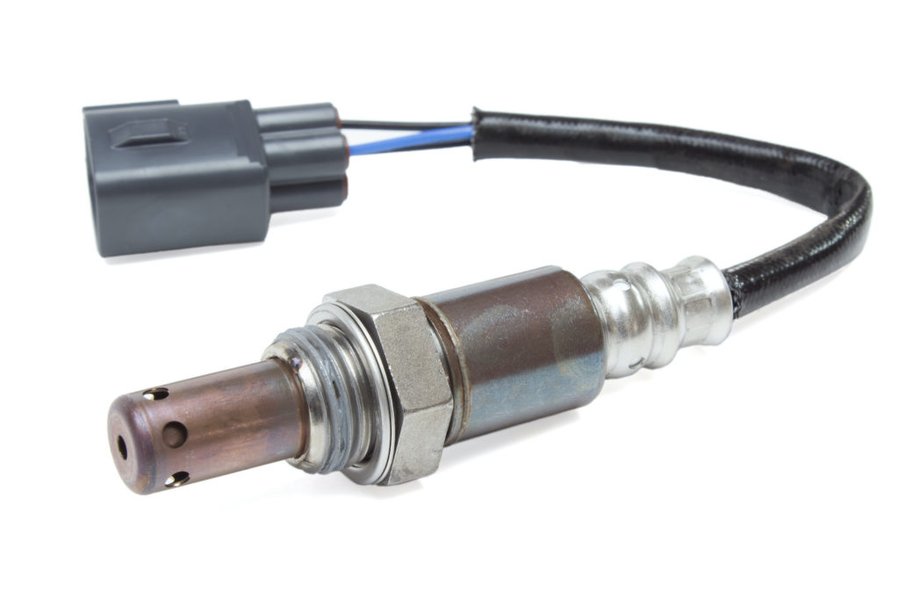
A typical oxygen sensor and its electrical connector, prone to damage or corrosion.
Diagnosing the P0135 Code: A Step-by-Step Approach
Your Guide to Pinpointing the Heater Circuit Fault
Accurately diagnosing the P0135 code requires a systematic approach using the right tools. Always ensure the vehicle is safely supported and the exhaust system is cool before starting. You'll typically need an OBD-II scanner and a digital multimeter.
Preliminary Checks
- Scan for Additional Codes and Freeze Frame Data: Connect your OBD-II scanner to the vehicle's diagnostic port. Confirm the P0135 code is present. Look for any related codes (e.g., P0141, P0030, P0031, P0032) as they might offer additional clues about the electrical system. Record any freeze frame data, which captures engine conditions when the code was set, providing valuable diagnostic context.
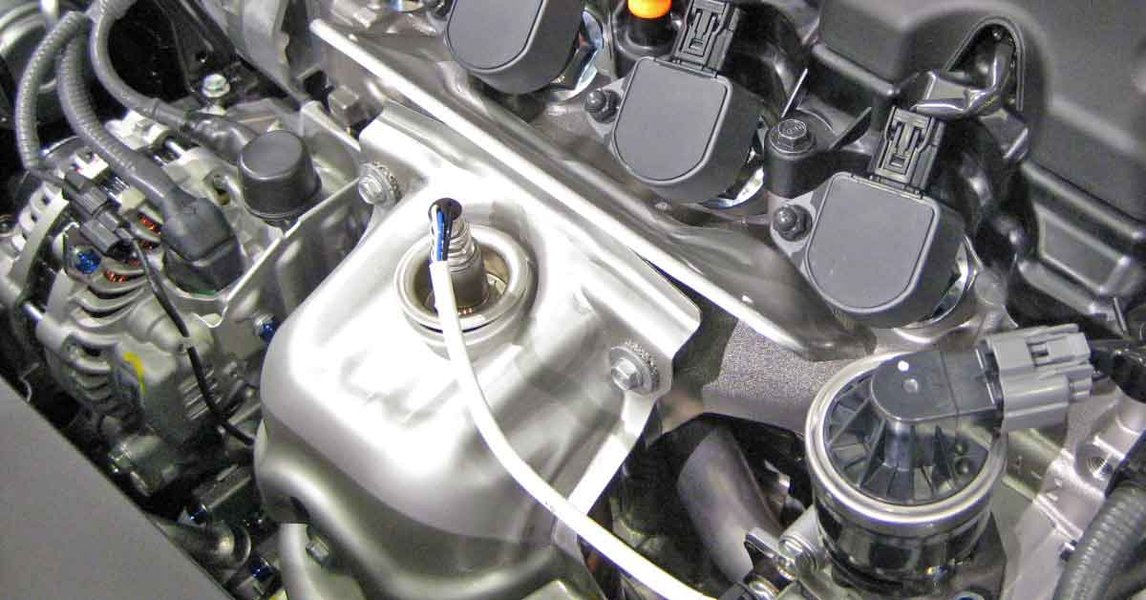
- Visual Inspection: Locate the Bank 1 Sensor 1 oxygen sensor. This is the upstream sensor, usually found in the exhaust manifold or pipe before the catalytic converter. Carefully inspect the sensor's wiring harness for any signs of damage—fraying, cuts, burns, or excessive wear. Check the electrical connector for loose pins, corrosion, or moisture intrusion.
- Check Fuses: Consult your vehicle's owner's manual or a wiring diagram to identify the fuse(s) responsible for the oxygen sensor heater circuit. Visually inspect the fuse for a broken filament. For a more reliable test, use a multimeter to check for continuity across the fuse. Replace any blown fuses, but remember that a persistently blowing fuse indicates a short circuit elsewhere.
Electrical Testing with a Multimeter
These tests should be performed with the oxygen sensor's electrical connector disconnected from the sensor itself, but connected to the vehicle harness side where applicable, or by back-probing connections.
- Test Heater Element Resistance (on the sensor side):
- Identify the two wires in the oxygen sensor connector that correspond to the heating element (they are often the same color).
- Set your multimeter to measure resistance (Ohms).
- Measure the resistance between these two heater pins on the sensor side of the connector.
- Expected Result: The resistance should be low, typically between 2 and 10 ohms. Consult your vehicle's service manual for exact specifications, as values can vary by make and model.
- Interpretation:
- Open Circuit (OL or infinite resistance): The heater element is broken internally. The oxygen sensor is faulty and requires replacement.
- Very Low Resistance (near 0 ohms) or Short to Ground: Indicates an internal short circuit within the heater element. The oxygen sensor is faulty and needs replacement.
- Test Power Supply to Heater Circuit (on the vehicle harness side):
- With the ignition "ON" (engine off), identify the power and ground wires for the heater circuit on the vehicle's wiring harness side of the connector.
- Set your multimeter to measure DC voltage.
- Measure the voltage between the power wire and a known good chassis ground. You should see approximately 12 volts (battery voltage).
- Also measure the voltage between the power wire and the ground wire of the heater circuit in the harness itself. This verifies the complete circuit.
- Interpretation:
- No Voltage: Indicates an open circuit in the power supply. This could be due to a blown fuse, a faulty relay, damaged wiring, or a problem with the ECM/PCM not providing power.
- Test Ground Circuit Continuity (on the vehicle harness side):
- With the ignition "OFF", set your multimeter to measure continuity or resistance.
- Measure the resistance between the ground wire of the heater circuit on the vehicle's harness side and a known good chassis ground.
- Expected Result: Should show very low resistance (near 0 ohms), indicating good continuity to ground.
- Interpretation:
- High Resistance or Open Circuit: Indicates a problem with the ground wire itself, or potentially the ECM/PCM's ground control circuit if it provides a switched ground.
Advanced Diagnostics (If Basic Tests Are Inconclusive)
- Voltage Drop Test: This test can identify excessive resistance in the power and ground circuits that might not be obvious with simple continuity checks.
- PWM Signal Check: Some systems use a pulse-width modulated (PWM) signal from the PCM to control the heater. An oscilloscope can be used to verify this signal.
- Current Draw Test: Measure the amperage flowing through the heater circuit. A reading outside the manufacturer's specifications (typically 0.5-2.0 amps) indicates an issue, even if voltage and resistance seem okay.
By following these diagnostic steps, you can accurately pinpoint the cause of the P0135 code, whether it's a faulty sensor, wiring damage, or another electrical issue.
How to Fix P0135 Code: Repair Options and Steps
Restoring Your O2 Sensor Heater Circuit
Once you've systematically diagnosed the root cause of the P0135 code, the repair steps are typically straightforward. Always prioritize safety: allow the exhaust system to cool completely, disconnect the negative battery terminal, and wear appropriate personal protective equipment.
1. Replacing a Faulty Oxygen Sensor
If your multimeter tests confirm that the internal heater element of the oxygen sensor (Bank 1 Sensor 1) is faulty, replacement is the most common P0135 oxygen sensor fix. It's crucial to purchase a high-quality, direct-fit replacement sensor specifically designed for your vehicle's make and model. OEM (Original Equipment Manufacturer) or reputable aftermarket brands like Bosch or Denso are recommended, especially for American vehicles like Chevrolet Silverados or Nissan Altimas, to ensure proper function and prevent recurring codes.
- Disconnect the Battery: Always start by disconnecting the negative battery cable to prevent any electrical mishaps.
- Locate and Disconnect: Identify the Bank 1 Sensor 1 oxygen sensor. Disconnect its electrical connector.
- Apply Penetrant: If the sensor appears seized or corroded, spray a generous amount of penetrating oil onto its threads and allow it to soak for a few minutes. This can significantly ease removal.
- Remove the Old Sensor: Use a specialized oxygen sensor socket (typically 22mm or 7/8 inch) designed to fit around the sensor's wiring. Carefully unscrew the old sensor from the exhaust manifold or pipe. In some cases, cutting the wires off the old sensor first can make it easier to use a standard deep socket.
- Install the New Sensor: Apply a small amount of anti-seize compound to the new sensor's threads (unless it comes pre-applied). Thread the new sensor into place by hand to avoid cross-threading, then tighten it to the manufacturer's specified torque (usually around 30-40 ft-lbs).
- Reconnect: Plug in the new electrical connector securely and reattach the negative battery cable.
For vehicles like some Ford F-150s or Honda Civics, accessing the sensor might require removing wheel well liners or other components. Always consult your vehicle's service manual for specific removal and installation procedures.
A mechanic utilizing a specialized oxygen sensor socket to replace an O2 sensor.
2. Repairing Damaged Wiring or Connectors
If your visual inspection or electrical tests identified damaged wiring or a faulty connector, you must repair or replace the affected section. Use high-quality, heat-resistant wiring that matches the original gauge. For repairs, proper soldering and heat-shrinking techniques are essential for a durable connection. If the connector itself is corroded or has loose pins, it's often best to replace the entire pigtail (the connector with a short section of wire) to ensure a reliable electrical connection.
3. Replacing a Blown Fuse or Faulty Relay
If a blown fuse was the culprit, replace it with a new fuse of the exact specified amperage. Remember, if a fuse blows immediately again, there's an underlying short circuit that needs to be located and fixed. Similarly, if tests indicate a faulty relay, replace it with a new one that matches the original specifications.
4. Addressing ECM/PCM Issues (Professional Help Recommended)
If all other components (sensor, wiring, fuses, relays) test good, but the P0135 code persists, it might indicate a rare internal fault within the ECM/PCM. Diagnosing and repairing ECM/PCM issues is complex, requires specialized tools and programming, and is almost always best left to a professional mechanic or dealership. Attempting to DIY these repairs without proper expertise can lead to further, more expensive damage.
5. Clearing Codes and Test Driving
After completing any repairs, use your OBD-II scanner to clear the P0135 code and any other related DTCs. Then, take your vehicle for a thorough test drive, ensuring it goes through a few drive cycles (periods of driving that include various speeds and engine temperatures). Finally, re-scan the system to confirm that the P0135 code does not return and that all emissions readiness monitors have completed.
P0135 Repair Cost: DIY vs. Professional Service
Understanding Your Investment in Emissions Compliance
The cost to resolve a P0135 code can vary significantly based on the diagnosed issue, your approach to the repair (DIY vs. professional), and your vehicle's specific make and model. Here's a breakdown of estimated costs:
| Repair Type | Parts Cost | Labor Cost (Estimate) | Total Estimated Cost |
|---|---|---|---|
| DIY Oxygen Sensor Replacement | $60 - $200 | $0 (your time) | $60 - $200 |
| Professional Oxygen Sensor Replacement | $80 - $250 | $100 - $200 | $180 - $450 |
| Wiring Repair / Connector Replacement | $5 - $50 | $75 - $250 | $80 - $300 |
| Blown Fuse Replacement | Less than $5 | $50 - $100 (for diagnosis & replacement) | $50 - $100 |
| Faulty Relay Replacement | $10 - $50 | $80 - $180 | $90 - $230 |
| PCM (ECM) Repair or Replacement | $400 - $800+ | $200 - $400+ | $600 - $1,200+ |
Note: These costs are estimates and can fluctuate based on your geographic location (e.g., labor rates in California vs. Texas), the specific vehicle, and the brand of replacement parts. Dealerships often charge more for both parts and labor compared to independent American repair shops.
Vehicles Most Affected by P0135 Codes
Common Suspects on US Roads
While any vehicle equipped with a heated oxygen sensor can potentially encounter a P0135 code, some popular models in the US market show a higher incidence rate, often due to design, environmental exposure, or typical lifespan of components:
- Toyota Camry/Corolla (2002-2012): Known for issues related to sensor connector corrosion, especially in areas with road salt.
- Ford F-150 (2004-2008): Often experiences wiring harness damage due to proximity to hot exhaust manifolds or exposure in rugged conditions.
- Honda Civic/Accord (2001-2010): Premature failure of the sensor's internal heater element is a common complaint.
- Chevrolet Silverado (1999-2006): Some models have documented issues with PCM ground circuits affecting sensor heaters.
- Nissan Altima (2002-2006): Oxygen sensors in these models sometimes have a shorter lifespan than average, leading to heater element failures.
- Hyundai Sonata (Various Years): Similar to other Asian imports, sensor longevity and wiring integrity can be factors.
These issues often surface as vehicles approach the 100,000-mile mark, indicating normal wear and tear on components subjected to extreme heat cycles.
When to Seek Professional Assistance for Your P0135 Code
Knowing When to Call a Certified Mechanic
While many P0135 fixes are within the realm of an experienced DIYer, there are specific scenarios where professional help from a certified American repair shop is highly recommended:
- Lack of Specialized Tools or Experience: If you don't possess the necessary tools (like an OBD-II scanner, multimeter, or oxygen sensor socket) or lack confidence in performing electrical diagnostics, a professional can accurately pinpoint and fix the issue.
- Persistent or Recurring Code: If the P0135 code returns shortly after your DIY repair, or if it appears intermittently, it suggests a deeper or more complex electrical problem that requires advanced diagnostic expertise.
- Suspected ECM/PCM Malfunction: As previously mentioned, issues with the engine's computer are intricate and require specialized diagnostic equipment and programming, best handled by a professional.
- Seized or Inaccessible Sensor: If the oxygen sensor is heavily corroded, seized in the exhaust, or located in a hard-to-reach area, attempting to force its removal can damage exhaust components (like threads in the manifold or pipe), leading to a significantly more expensive repair. Mechanics have specialized tools and techniques for these situations.
- Multiple Related Codes: If your scan reveals several related codes alongside P0135, it might indicate a broader electrical issue that requires comprehensive system analysis.
Important Warning: Driving with a persistent P0135 code for an extended period can lead to a consistently rich or lean fuel mixture. This can severely damage your catalytic converter, a component that can cost upwards of $1,000 to $2,000 to replace. Addressing this issue promptly can save you significant repair costs in the long run.
Related OBD-II Codes to Check Alongside P0135
A Broader Perspective for Comprehensive Diagnosis
When diagnosing a P0135 code, it's good practice to check for other related oxygen sensor codes. These can often provide additional context or indicate a broader issue within the emissions system. Understanding these codes ensures a more comprehensive and effective repair:
- P0141: Oxygen Sensor Heater Circuit Malfunction (Bank 1 Sensor 2): This code is identical to P0135 but refers to the downstream oxygen sensor (located after the catalytic converter) on Bank 1.
- P0030: HO2S Heater Control Circuit (Bank 1 Sensor 1): A more general code indicating a problem with the heater control circuit for the upstream O2 sensor on Bank 1.
- P0031: HO2S Heater Control Circuit Low (Bank 1 Sensor 1): Indicates that the heater circuit for Bank 1 Sensor 1 has excessively low voltage or resistance.
- P0032: HO2S Heater Control Circuit High (Bank 1 Sensor 1): Indicates that the heater circuit for Bank 1 Sensor 1 has excessively high voltage or resistance.
- P0130: O2 Sensor Circuit Malfunction (Bank 1 Sensor 1): This code indicates a general electrical fault within the sensor circuit, not necessarily just the heater.
- P0134: O2 Sensor Circuit No Activity Detected (Bank 1 Sensor 1): Suggests the sensor is not providing any voltage signals, often due to a completely dead sensor or open circuit.
- P0155: Oxygen Sensor Heater Circuit Malfunction (Bank 2 Sensor 1): This is the equivalent of P0135, but for the upstream oxygen sensor on the second bank of a V-type engine.
- P0171 / P0174: System Too Lean (Bank 1 / Bank 2): While not directly a heater circuit code, a malfunctioning oxygen sensor (due to a non-functional heater) can lead to inaccurate fuel trim readings, resulting in these codes.
Always address all present codes, starting with the most specific, as one underlying issue can sometimes trigger a cascade of related codes.
Frequently Asked Questions About P0135 Code
Conclusion: Prioritize Your P0135 Fix
The P0135 code, indicating an O2 sensor heater circuit malfunction in Bank 1 Sensor 1, is more than just an annoying check engine light. It's a clear signal that your vehicle's emissions control system is compromised, leading to reduced fuel efficiency, increased pollution, and the potential for severe damage to expensive components like the catalytic converter. By understanding the role of the oxygen sensor heater, systematically diagnosing the common causes—from a faulty sensor to wiring issues or blown fuses—and executing the correct repair, you can restore your vehicle's optimal performance and ensure compliance with environmental standards. Whether you tackle it yourself or seek professional assistance, prompt action on a P0135 code is key to safeguarding your vehicle and your wallet.
