

Unlock peak performance, save money, and enjoy cleaner air with this simple maintenance task.
Key Takeaways for a Cleaner Ride
- Significant Savings: Performing a DIY air filter change can save you $50-60 per filter annually compared to professional services, adding up to over $100 in yearly savings.
- Dual Impact: Understand the critical difference between the cabin air filter vs engine air filter; one protects your engine, the other ensures clean cabin air.
- Boosted Performance & Health: Regular replacement improves fuel efficiency, extends engine life, and significantly enhances the air quality inside your vehicle, benefiting both your car and your well-being.
Are you ready to take control of your car's maintenance and save a significant amount of money in the process? Learning how to replace air filter car components is one of the easiest, yet most impactful, DIY tasks any car owner can undertake. This comprehensive guide will walk you through every step, demystifying the process and empowering you to keep your vehicle running smoothly and efficiently. We'll cover everything from understanding the two types of filters in your car to a detailed car air filter guide for both replacement processes, cost comparisons, and essential troubleshooting.
In the world of car maintenance, air filter replacement often gets overlooked, but its importance cannot be overstated. A clean air filter is fundamental to your car's performance, fuel economy, and even your health. By the end of this article, you'll have the expertise and confidence to perform this crucial maintenance yourself, saving on air filter replacement cost and ensuring your car breathes clean, fresh air.
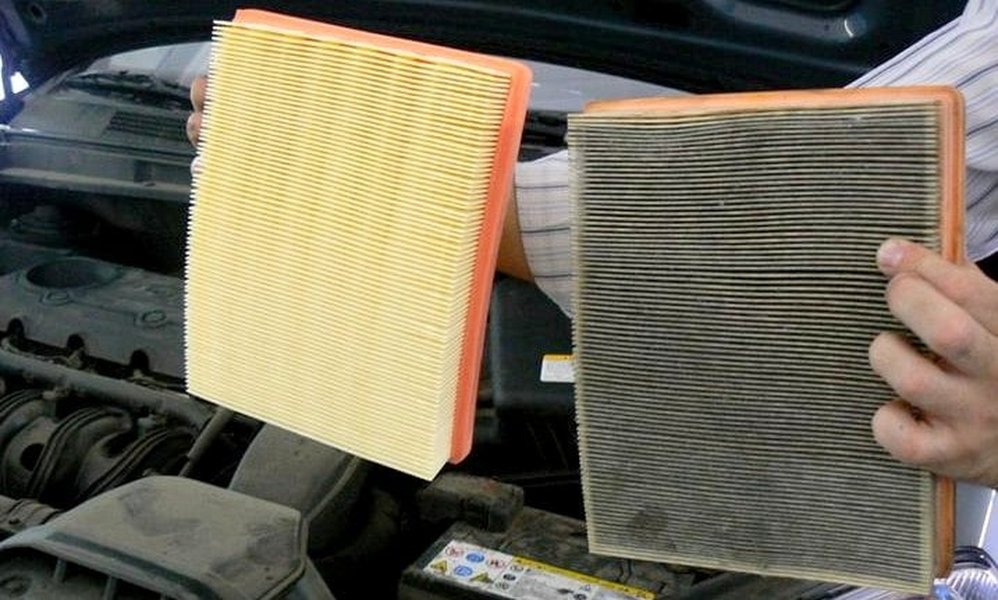
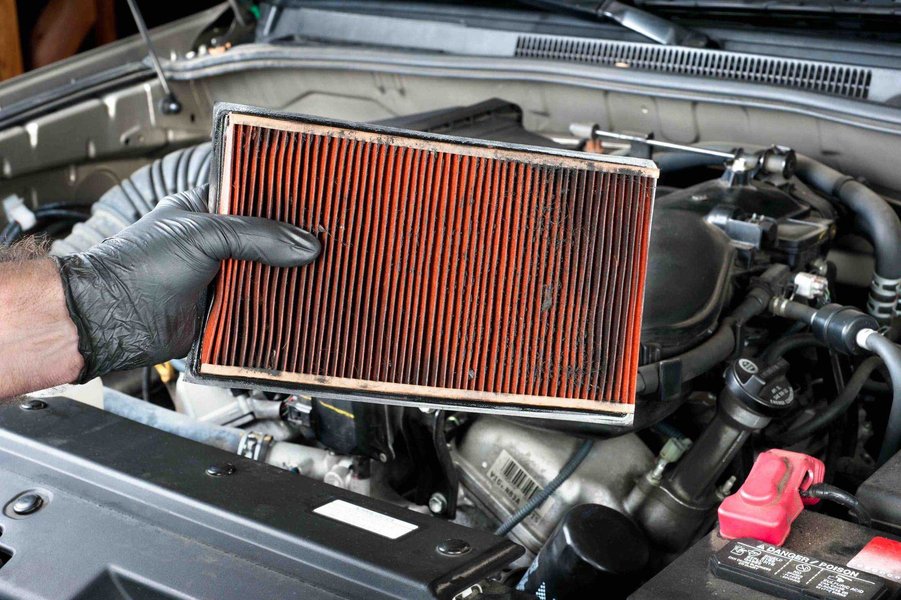
A visual testament: The stark difference between a new and a neglected engine air filter.
The Unsung Heroes: Understanding Your Car's Air Filters
Your vehicle actually relies on two primary air filters, each serving a vital, distinct purpose. Recognizing the role of each is the first step in mastering DIY air filter replacement.
The Engine Air Filter: Your Engine's Respiratory System
The engine air filter is crucial for the very heart of your car – its engine. It acts as a protective barrier, preventing airborne contaminants like dust, dirt, pollen, and debris from entering the engine's combustion chamber. Unfiltered air can lead to abrasive wear on internal engine components, reducing efficiency and potentially causing costly damage over time.
- Improved Engine Performance: Ensures optimal air-fuel mixture for efficient combustion.
- Enhanced Fuel Economy: A clean filter allows the engine to "breathe" easily, preventing it from working harder and consuming more fuel.
- Extended Engine Lifespan: Protects vital engine parts from premature wear caused by particulates.
- Reduced Emissions: Proper combustion helps maintain lower emissions, contributing to a cleaner environment.
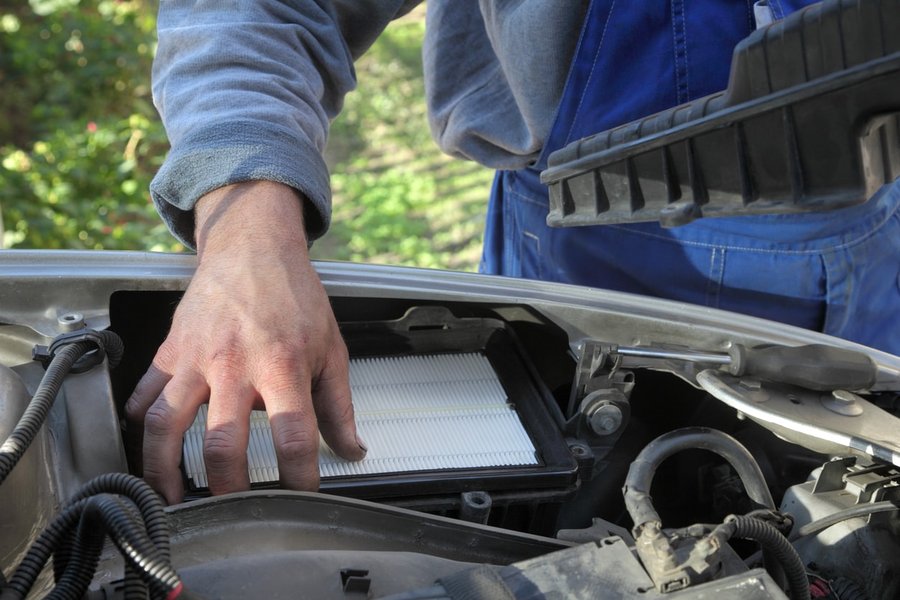
The engine air filter, typically housed in a black plastic box under the hood, is essential for engine health.
The Cabin Air Filter: Your Personal Air Purifier
Unlike the engine air filter, the cabin air filter is focused entirely on occupant comfort and health. It filters the air that circulates through your car's heating, ventilation, and air conditioning (HVAC) system, ensuring that you and your passengers breathe clean air. This filter is a shield against:
- Dust, pollen, and other allergens
- Road grime and industrial pollutants
- Unpleasant odors and exhaust fumes
- Leaves and other small debris
For anyone with allergies, asthma, or simply a desire for better air quality during their commute, a clean cabin air filter provides immediate and tangible air filter benefits. It also helps your HVAC system operate more efficiently, preventing dirt buildup on internal components.
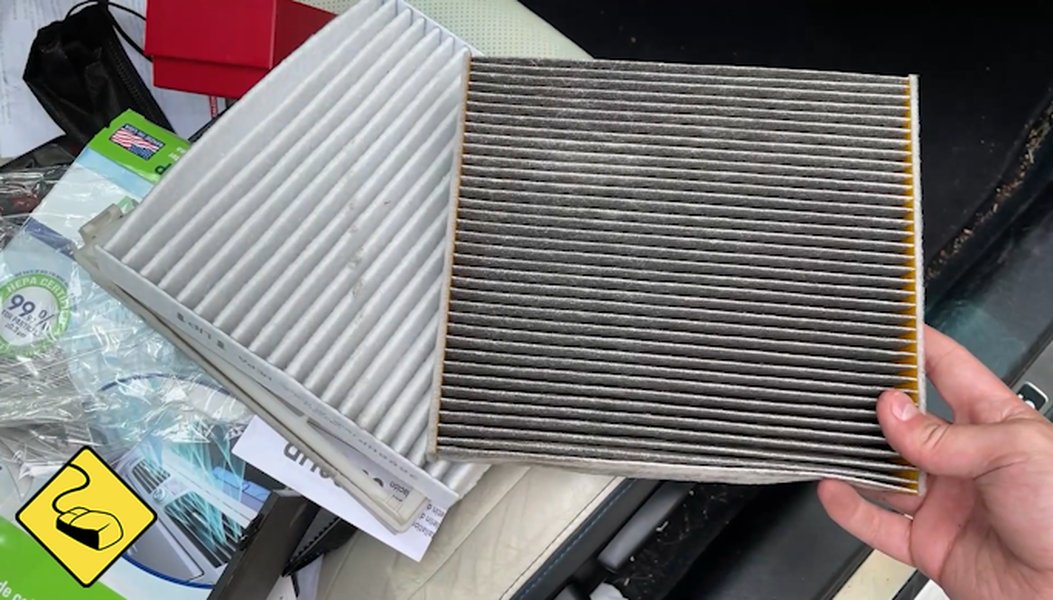
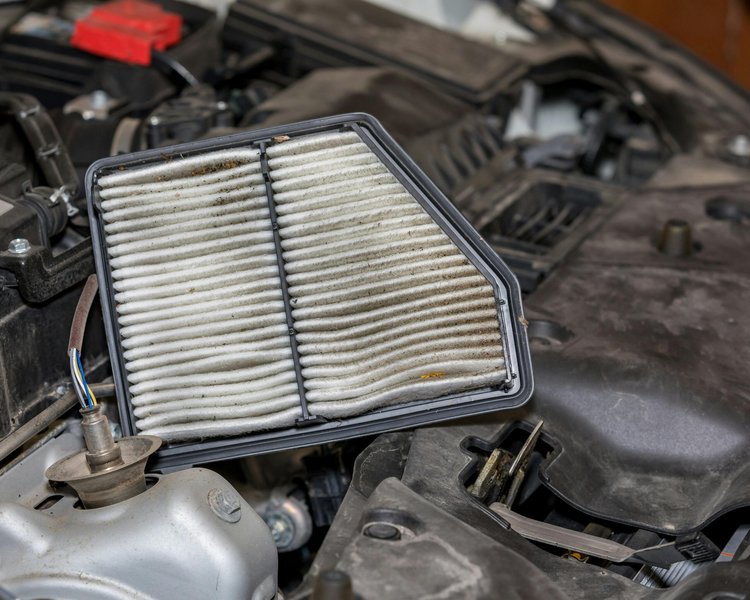
The dramatic visual of a dirty cabin air filter versus a clean one, highlighting its critical role in air quality.
Cabin Air Filter vs Engine Air Filter: A Clear Distinction
While both are "air filters," their functions, locations, and impact on your driving experience differ significantly. Understanding the cabin air filter vs engine air filter distinction is crucial for proper maintenance.
| Feature | Engine Air Filter | Cabin Air Filter |
|---|---|---|
| Purpose | Cleans air for engine combustion and protection | Cleans air for the vehicle's interior (passenger compartment) |
| Location | Typically under the hood, within a large plastic housing connected to the engine's air intake | Most often behind the glove box, sometimes under the dashboard, or near the windshield cowl under the hood |
| Impacts | Engine performance, fuel efficiency, engine longevity, emissions | Interior air quality, HVAC system efficiency, passenger health and comfort, odor reduction |
| Typical Replacement Interval | 12,000-30,000 miles or annually | 15,000-30,000 miles or annually |
How Often Replace Air Filter: Timing Is Everything
The question of "how often replace air filter" doesn't have a one-size-fits-all answer, as it depends heavily on your driving conditions and vehicle. However, general guidelines exist, and knowing the signs of a clogged filter can help you decide when it's time for a change.
General Replacement Guidelines
Most vehicle manufacturers and automotive experts recommend the following intervals for air filter replacement under normal driving conditions:
- Engine Air Filter: Every 15,000 to 30,000 miles, or at least once a year.
- Cabin Air Filter: Every 15,000 to 30,000 miles, or once a year.
Factors Influencing Replacement Frequency
Your driving environment significantly impacts how quickly your filters get dirty. Consider more frequent checks and replacements if you:
- Drive frequently on unpaved roads or in dusty areas (e.g., construction zones).
- Live in areas with high levels of pollution or pollen.
- Frequently drive in heavy stop-and-go traffic.
- Experience extreme weather conditions.
Expert Tip: A good rule of thumb is to visually inspect your air filters every few months. If they look visibly dirty, it's time for a replacement, regardless of mileage.
Telltale Signs Your Filters Need Changing
Beyond mileage, your car might exhibit symptoms indicating a clogged air filter:
For the Engine Air Filter:
- Reduced fuel efficiency (engine working harder)
- Sluggish acceleration or noticeable loss of engine power
- Unusual engine sounds, such as whistling or a rough idle
- Check Engine Light illumination (in severe cases)
- Visible dirt or debris when inspecting the filter
For the Cabin Air Filter:
- Decreased airflow from the vents, even on high fan settings
- Persistent unpleasant odors inside the cabin
- Increased allergy symptoms while driving
- Excessive dust accumulating on interior surfaces
Air Filter Replacement Cost: DIY vs. Professional Service
One of the most compelling reasons to learn how to replace air filter car components yourself is the significant savings. The air filter replacement cost can vary widely between a DIY approach and professional service, mainly due to labor charges.
Cost Comparison Table (Estimated for 2026)
| Service Type | Parts Cost (Estimated) | Labor Cost (Estimated) | Total Cost (Estimated) |
|---|---|---|---|
| DIY Engine Air Filter | $15 - $85 | $0 | $15 - $85 |
| Professional Engine Air Filter | $20 - $85 | $37 - $55 | $75 - $140 |
| DIY Cabin Air Filter | $10 - $30 | $0 | $10 - $30 |
| Professional Cabin Air Filter | $20 - $50 | $20 - $80 | $40 - $130 |
Tools and Materials: Gearing Up for Your DIY Air Filter Change
The beauty of this particular DIY project is its simplicity, requiring minimal tools that most car owners already possess. Before you begin, gather the following:
- New Engine Air Filter: Ensure it's the correct make, model, and year for your vehicle.
- New Cabin Air Filter: Again, verify compatibility for your specific car.
- Screwdriver Set: A basic set with Phillips and flathead screwdrivers will cover most fasteners. Some vehicles might use Torx bits.
- Socket/Ratchet Set: Occasionally needed for bolts securing the air filter housing.
- Clean Cloth or Shop Rag: For wiping down housings and compartments.
- Flashlight (Optional but Recommended): Helpful for illuminating tight spaces.
- Gloves (Optional but Recommended): Keeps your hands clean from dirt and grease.
- Shop Vacuum (Optional): Useful for removing loose debris from the filter housing.
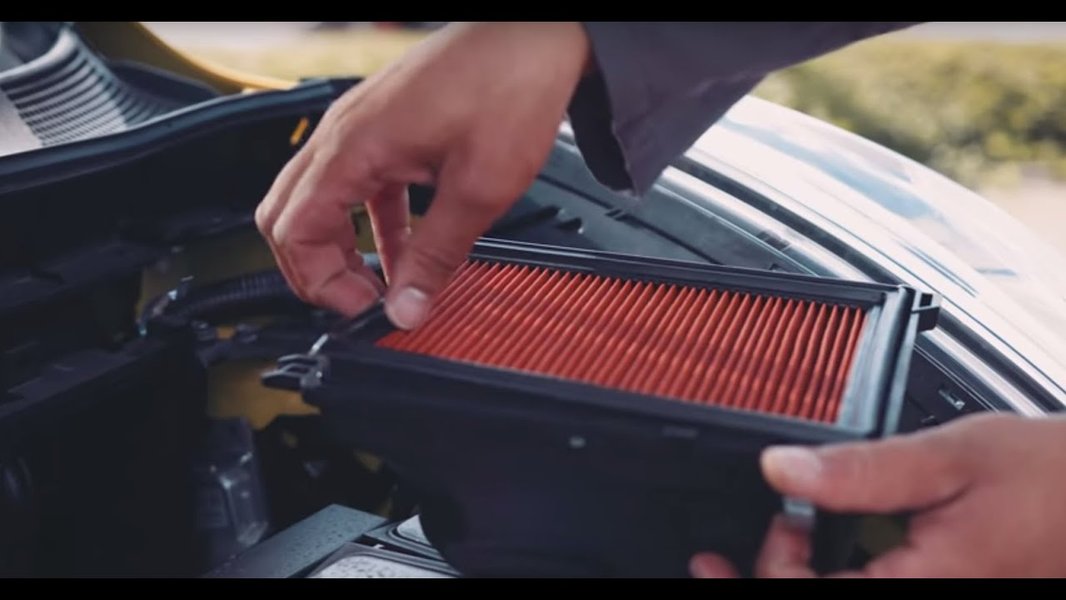
Basic tools like screwdrivers and a new filter are often all you need for this simple DIY task.
Step-by-Step Car Air Filter Guide: Engine Air Filter Replacement
Performing an engine air filter replacement is a straightforward process that typically takes 10-20 minutes. Follow these steps carefully:
Step 1: Safety First & Locate the Housing
- Park your vehicle on a level surface, engage the parking brake, and ensure the engine is completely cool to prevent burns.
- Open the hood and secure it with the prop rod.
- Locate the engine air filter housing. It's typically a large, black plastic box, usually rectangular or oval, situated near the front of the engine compartment and connected to a wide air intake hose. If unsure, consult your owner's manual for its exact location.
Step 2: Open the Housing
- Examine how the housing is secured. Most modern cars use a series of clips (2-4 around the perimeter) that you can unlatch by hand or with a flathead screwdriver.
- Some models may use screws or bolts, requiring a Phillips head screwdriver or a socket wrench. Carefully loosen or remove these fasteners, making a mental note of their position for reassembly.
- Gently lift the housing cover. It may pivot on a hinge or detach completely. Be careful not to stretch or disconnect any attached hoses or wires.
Identifying the clips or screws that secure the engine air filter housing.
Step 3: Remove the Old Filter and Clean
- Carefully lift the old engine air filter out of its compartment. Pay close attention to its orientation (which way it's facing or if there are any arrows) so you can install the new one correctly.
- Inspect the old filter – it will likely be visibly dirty, clogged with leaves, insects, dust, and other debris. This confirms the need for replacement.
- Use your clean cloth or shop vacuum to clear any dirt, dust, or debris from inside the air filter housing. It's crucial to prevent these particles from falling into the engine's air intake.
Step 4: Install the New Filter
- Take your new engine air filter and compare it to the old one to ensure it's the correct part.
- Insert the new filter into the housing, ensuring it sits flush and snugly within the compartment. The rubber edges of the filter should create a tight seal all around to prevent unfiltered air from bypassing it.
- If there's an airflow arrow on the new filter, make sure it points in the same direction as the old one (typically towards the engine).
Step 5: Reassemble and Final Check
- Close the air filter housing cover, aligning it properly.
- Fasten all clips, screws, or bolts that you removed earlier. Ensure everything is tight and secure to prevent air leaks.
- Double-check that no hoses are pinched or wires are disconnected.
- Start your engine briefly and listen for any unusual sounds. It should run smoothly.
Safety Warning: Never operate your engine for an extended period without an air filter, as this can allow damaging debris to enter the engine.
Step-by-Step Car Air Filter Guide: Cabin Air Filter Replacement
The cabin air filter is often even easier to replace than the engine air filter, frequently requiring no tools at all. This guide will help you refresh your interior air quality.
Step 1: Locate and Access the Cabin Air Filter
- The cabin air filter is most commonly located behind the glove box on the passenger side of the vehicle. However, it can sometimes be found under the dashboard (requiring removal of a panel) or under the hood near the windshield wipers. Consult your owner's manual or search online for your specific car model if you're unsure.
- If it's behind the glove box, empty its contents.
- To access the filter, you will typically need to release the glove box. This often involves:
- Squeezing the sides of the glove box inward to release stopper tabs.
- Unclipping small damper arms on one or both sides.
- Removing a few screws that secure the glove box.
- The goal is to allow the glove box to swing down or be removed entirely, revealing a plastic cover or door behind it.
Often, the cabin air filter resides behind the glove compartment.
Step 2: Remove the Old Cabin Air Filter
- Once the glove box is out of the way, you'll see a small rectangular plastic cover, often secured by clips or tabs. Unclip or unfasten this cover to expose the cabin air filter.
- Carefully pull the old cabin air filter straight out. Note the airflow direction arrow printed on its frame. This is critical for correct installation of the new filter.
- Observe how dirty the old filter is – it's often surprising to see the accumulation of leaves, dust, and debris.
- Wipe any loose dust or debris from the filter compartment with your rag.
Step 3: Install the New Cabin Air Filter and Reassemble
- Take your new cabin air filter and confirm it's the correct size and type for your vehicle.
- Insert the new filter into the compartment. Crucially, make sure the airflow arrow on the new filter points in the correct direction (usually towards the fan or engine, following the direction of air intake). Incorrect installation can reduce effectiveness.
- Push the filter in until it seats properly, without bending or forcing it.
- Replace the plastic cover, ensuring it clicks securely into place.
- Reinstall the glove box by reversing the removal steps (re-attaching damper arms, sliding it back into place, or securing screws).
- Test your HVAC system by turning on the fan and checking for proper airflow and no unusual noises.
Troubleshooting Common DIY Air Filter Issues
While replacing air filters is generally straightforward, sometimes minor issues can arise. Here's how to tackle them:
Filter Doesn't Fit
- Solution: Double-check that you purchased the correct filter for your exact vehicle year, make, model, and engine type. Filters are highly specific. Verify the part number against your owner's manual or an online parts finder. Auto parts stores can also verify compatibility if you provide your VIN.
Housing Won't Close Properly
- Solution: Ensure the new filter is seated perfectly flush within its compartment, with no edges bent or sticking out. Recheck all clips, screws, or bolts to ensure they are aligned and securely fastened. Sometimes, the gasket around the filter needs to be perfectly aligned for a tight seal.
Unusual Sounds After Replacement (Engine Air Filter)
- Solution: A whistling or sucking noise often indicates an air leak. This means the engine air filter housing isn't properly sealed, allowing unfiltered air to bypass the filter. Reopen the housing, carefully reseat the filter, and ensure all clips/screws are tightened evenly and securely. Also, check for any disconnected vacuum lines or hoses.
Reduced Airflow or Odors After Replacement (Cabin Air Filter)
- Solution: First, confirm the new cabin filter's airflow arrow is pointing in the correct direction. If reversed, it can restrict airflow. Also, ensure the filter is fully seated and not crumpled, and that the access panel is securely closed. If odors persist, consider a higher-quality filter with activated carbon, especially if you drive in polluted areas.
Maximizing Air Filter Lifespan and Efficiency
Beyond just knowing how to replace air filter car components, adopting smart habits can extend their life and maintain their effectiveness.
- Regular Visual Inspections: Inspect both filters more frequently than recommended intervals, especially if your driving conditions are severe (dusty, polluted).
- Clean Housing Regularly: Whenever you replace a filter, take a moment to wipe down the inside of the housing or compartment to remove any accumulated dirt and debris.
- Choose Quality Filters: While generic filters are often sufficient, investing in higher-quality filters (e.g., those with activated carbon for cabin air) can offer better filtration and odor control.
- Understand Filter Types: Standard paper filters are designed for single use and should not be cleaned and reused. Some performance filters are washable and reusable, but they require specific cleaning kits and re-oiling procedures. Do not attempt to clean and reuse a disposable paper filter.
Conclusion: Empower Yourself with DIY Air Filter Replacement
Mastering how to replace air filter car components yourself is a rewarding and practical skill for any car owner. Not only does a diy air filter change offer substantial savings on air filter replacement cost, but it also provides a deeper understanding of your vehicle's maintenance needs. By regularly performing this simple task for both your engine and cabin air filters, you directly contribute to:
- Optimal engine performance and increased fuel efficiency.
- Extended engine lifespan and reduced wear on critical components.
- Superior air quality within your car's cabin, protecting your health and comfort.
- A reduced environmental footprint through cleaner emissions.
This comprehensive car air filter guide equips you with the knowledge to make informed decisions about your vehicle's health. Remember, whether it's an engine air filter replacement or ensuring a fresh cabin environment, consistent attention to these small details leads to a smoother, healthier, and more enjoyable driving experience. So, grab your tools, get your replacement filters, and take pride in knowing you're keeping your ride in top shape. Happy driving!
