

Key Insights for First-Time Car Buyers
- Safety is paramount: Prioritize vehicles with top crash test ratings and advanced driver-assistance systems (ADAS) like Automatic Emergency Braking (AEB) and Lane Keeping Assist.
- Affordability and running costs: Look beyond the purchase price to consider fuel efficiency, insurance premiums, and long-term maintenance costs.
- Ease of driving and handling: Compact size, good visibility, and responsive controls contribute to a less stressful and more enjoyable learning experience.
Stepping into the driver's seat for the first time is a significant milestone, a true taste of freedom and responsibility. For new drivers, whether they're eager teens or adults embarking on a new journey, the choice of a first car is crucial. It’s not about flashy features or raw power; it's about finding a reliable companion that prioritizes safety, is gentle on the wallet, and inspires confidence behind the wheel. The automotive landscape for 2026 is brimming with options that perfectly balance these essential needs, blending innovative safety technologies with user-friendly designs.
This comprehensive guide is crafted to cut through the complexities of car shopping, offering a clear roadmap to the best vehicles for new drivers in 2026. We'll delve into what truly makes a car ideal for someone building their skills, from crucial safety features to manageable running costs, ensuring you make an informed decision that supports a safe and enjoyable driving life.
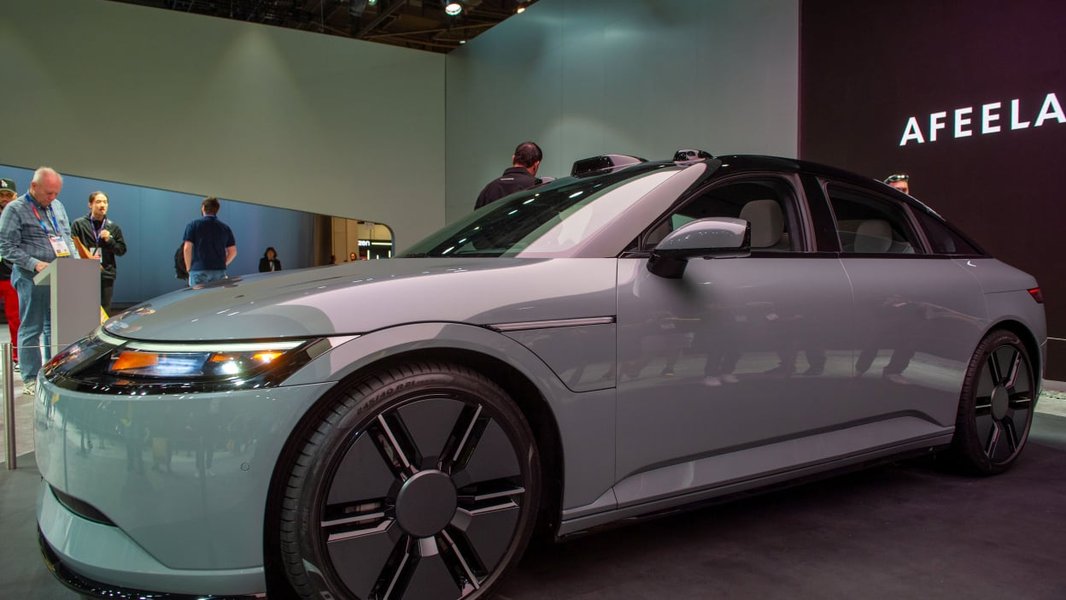
Understanding the latest automotive trends is key to choosing a modern, safe vehicle.
Decoding the Ideal First Car: What Every New Driver Needs
Before we explore specific models, let's establish the fundamental criteria that define an excellent first car. These aren't just preferences; they are non-negotiable attributes that provide peace of mind for both new drivers and their families.
Safety Above All: Your Guardian on the Road
For inexperienced drivers, a car's ability to prevent and mitigate accidents is paramount. Modern vehicles offer a suite of technologies designed to act as an extra set of eyes and an intelligent co-pilot.
Critical Safety Features to Look For:
- Automatic Emergency Braking (AEB): This system can detect impending collisions and automatically apply the brakes if the driver doesn't react in time, often preventing or reducing the severity of front-end crashes. Many systems also include pedestrian and cyclist detection.
- Lane Keeping Assist & Lane Departure Warning: These features help prevent unintentional lane departures by alerting the driver or even gently steering the vehicle back into its lane. This is invaluable for maintaining focus, especially on longer journeys.
- Blind-Spot Monitoring (BSM) & Rear Cross-Traffic Alert (RCTA): BSM warns drivers of vehicles in their blind spots, while RCTA alerts them to approaching traffic when backing out of a parking space or driveway. These systems significantly reduce the risk of common low-speed collisions.
- Electronic Stability Control (ESC): A standard feature in all modern cars, ESC helps prevent skids and loss of control by applying individual brakes and reducing engine power when necessary.
- Excellent Visibility: Large windows, thin roof pillars, and well-designed mirrors enhance the driver's ability to see their surroundings, reducing blind spots and improving situational awareness.
Beyond these active safety technologies, always check for top ratings from reputable organizations like the Insurance Institute for Highway Safety (IIHS) and the National Highway Traffic Safety Administration (NHTSA). Their crash test results offer an objective measure of a vehicle's protective capabilities.
Driving Confidence: Easy Handling and Control
A car that is easy to manage reduces stress and allows new drivers to focus on the road and traffic conditions, rather than struggling with the vehicle itself.
Key Aspects for Easy Handling:
- Compact Size: Smaller cars are generally easier to maneuver in tight city streets, navigate crowded parking lots, and fit into parallel parking spots.
- Light Steering: A lighter steering feel makes low-speed maneuvers, like parking, less physically demanding and more precise.
- Responsive Brakes and Acceleration: Predictable and smooth responses to pedal inputs are crucial. A car that accelerates too aggressively or brakes too sharply can be unsettling for a new driver.
- Intuitive Controls: Simple, physical buttons and knobs for essential functions (like climate control and audio) are less distracting than complex touchscreen-only interfaces.
Budgeting Brilliance: Affordability and Low Running Costs
The total cost of car ownership extends far beyond the purchase price. For new drivers, managing these ongoing expenses is vital.
Factors Influencing Overall Cost:
- Purchase Price: While new cars offer the latest tech and warranties, smart buyers often consider well-maintained used cars for significant savings.
- Insurance Costs: This is often the highest expense for young drivers. Vehicles with strong safety ratings, lower horsepower, and a less "sporty" image generally have lower premiums. Always get insurance quotes before committing to a purchase.
- Fuel Efficiency: Excellent MPG (miles per gallon) or efficient electric range can lead to substantial savings over time, especially for daily commutes.
- Maintenance and Reliability: Opt for brands with a reputation for reliability and readily available, affordable parts. A strong warranty, like Hyundai's, offers added peace of mind.
- Resale Value: Cars that hold their value well (e.g., Honda, Toyota) are a smart long-term investment, as they'll command a higher price when it's time to upgrade.
The 2026 Lineup: Top Picks for New Drivers
Based on these crucial criteria, here are our top recommendations for new drivers hitting the roads in 2026. These vehicles excel in safety, offer sensible ownership costs, and provide an easy, confident driving experience.
Compact Sedans: The Gold Standard for Beginners
Sedans remain a fantastic choice for new drivers, offering a balanced blend of efficiency, maneuverability, and often, lower insurance rates compared to SUVs.
1. 2026 Honda Civic
The Honda Civic has consistently been a top contender, and the 2026 model continues this legacy. It's renowned for its balanced performance, excellent safety scores, and a comfortable, user-friendly interior. The Civic's responsive handling and good outward visibility make it a joy to drive, even for novices.
- Why it's great: Consistently earns top IIHS safety awards, easy to drive with a refined feel, excellent fuel economy (especially the hybrid), and strong resale value.
- Key features: Standard Honda Sensing suite (including AEB, Lane Keeping Assist, Adaptive Cruise Control), comfortable ride, intuitive infotainment.
- Starting Price: Around $26,245 (LX trim).

The Honda Civic's sleek design and comprehensive safety suite make it a top pick.
2. 2026 Toyota Corolla
If bulletproof reliability and minimal running costs are your priority, the Toyota Corolla is hard to beat. It's the quintessential sensible first car, offering peace of mind and predictable performance.
- Why it's great: Legendary Toyota reliability, standard Toyota Safety Sense 3.0 suite, excellent hybrid option for fuel savings, and low insurance costs.
- Key features: User-friendly controls, comfortable seating, straightforward infotainment system.
- Starting Price: Approximately $22,000.
"The 2026 Toyota Corolla remains a benchmark for reliability and sensible design, making it an ideal choice for new drivers seeking a worry-free experience." — Automotive Reviewer
3. 2026 Hyundai Elantra
The Hyundai Elantra offers incredible value, packing a wealth of standard features and a strong warranty into an attractive, affordable package. It stands out with its modern styling and comprehensive tech offerings.
- Why it's great: Feature-rich even at base levels (8-inch touchscreen, advanced safety), Hyundai’s 10-year/100,000-mile powertrain warranty, comfortable ride, and distinctive design.
- Key features: Standard Automatic Emergency Braking, Lane Keeping Assist, available Blind-Spot Monitoring.
- Starting Price: Under $22,000.
4. 2026 Mazda3
For new drivers who appreciate a more engaging driving experience without sacrificing safety or quality, the Mazda3 is an excellent choice. Its upscale interior and refined handling set it apart.
- Why it's great: Sporty and engaging driving dynamics, premium-feeling interior, strong safety scores (often IIHS Top Safety Pick+), and available AWD.
- Key features: Intuitive infotainment controller, high-quality materials, smooth power delivery.
- Starting Price: Around $25,000.
Compact SUVs & Crossovers: Versatility Meets Confidence
For those needing a bit more cargo space, a higher driving position, or all-weather capability, these compact SUVs and crossovers offer a compelling package for new drivers.
1. 2026 Subaru Impreza
A standout for its standard Symmetrical All-Wheel Drive, the Impreza is ideal for drivers in regions with challenging weather. It offers robust safety and practical functionality.
- Why it's great: Standard AWD for superior traction, excellent visibility, practical hatchback option for cargo, and proven Subaru safety.
- Key features: Subaru EyeSight Driver Assist Technology, comfortable ride, straightforward controls.
- Starting Price: Around $23,000.
"Subaru's commitment to safety and all-weather capability makes the Impreza an undeniable choice for new drivers, particularly in colder climates." — Leading Automotive Analyst
2. 2026 Chevrolet Trax
The redesigned Chevrolet Trax offers surprising value and style in the subcompact SUV segment. It’s an affordable entry point for those wanting an SUV form factor.
- Why it's great: Very affordable, higher driving position (boosting confidence), spacious cabin for its class, and modern safety features.
- Key features: Standard automatic emergency braking, large infotainment screen, easy maneuverability.
- Starting Price: Under $22,000.

The 2026 Chevrolet Trax offers a modern design and practical features at an attractive price point.
3. 2026 Kia Soul
The Kia Soul combines distinctive styling with immense practicality. Its boxy shape translates to a surprisingly roomy interior and excellent visibility, making it easy to navigate.
- Why it's great: Exceptional interior space for its footprint, great visibility, strong value proposition with generous standard features, and low running costs.
- Key features: Intuitive infotainment, available advanced safety features, easy to park.
- Starting Price: Around $20,000.
Side-by-Side: A Quick Comparison of Top Contenders
To help you weigh your options, here's a table summarizing the key attributes of our recommended new vehicles for 2026:
| Model | Body Type | Key Strengths for New Drivers | Fuel Economy Outlook | Approx. Starting Price (MSRP) |
|---|---|---|---|---|
| Honda Civic | Compact Sedan/Hatch | Top safety, balanced handling, refined | Excellent (Hybrid outstanding) | $26,245 |
| Toyota Corolla | Compact Sedan/Hatch | Legendary reliability, safety tech, low cost | Excellent (Hybrid exceptional) | $22,000 |
| Hyundai Elantra | Compact Sedan | Value, warranty, standard tech, stylish | Excellent | $22,000 |
| Mazda3 | Compact Sedan/Hatch | Engaging drive, premium feel, strong safety | Good–Very good | $25,000 |
| Subaru Impreza | Compact Hatch | Standard AWD, visibility, all-weather confidence | Good | $23,000 |
| Chevrolet Trax | Subcompact SUV | Affordable, high seating, modern tech | Good | $22,000 |
| Kia Soul | Compact Crossover | Spacious, great visibility, value, easy to park | Good | $20,000 |
Important Note: Prices are estimated MSRP for base models and can vary significantly with trim levels, options, and local market conditions. Fuel economy figures are also estimates and depend on driving habits and specific powertrains.
Savvy Choices: Best Used Car Alternatives for 2026
For many new drivers, a used car presents an incredibly smart and budget-friendly option. You can often get more features, or simply save a significant amount of money, while still benefiting from modern safety and reliability. Focus on models from the last 3-5 years that have strong safety ratings and a proven track record.
Reliable Used Sedans:
- Honda Civic (2022-2024): These recent models still boast excellent safety features (often including Honda Sensing), strong reliability, and impressive fuel efficiency. A slightly used Civic offers a premium experience at a lower cost.
- Toyota Corolla (2020-2023): Known for longevity, a used Corolla from these years will likely have Toyota Safety Sense as standard, providing a great safety foundation. They are incredibly cheap to run and maintain.
- Honda Accord (2018-2020): A slightly larger sedan, the Accord from this generation offers a comfortable ride, spacious interior, and often comes with a full suite of driver-assist features. It's a great option if a compact car feels a bit too small.
Practical Used SUVs:
- Mazda CX-5 (2018-2021): This compact SUV offers a more upscale interior and engaging driving dynamics than many rivals. Its strong safety scores and reliability make it an excellent used choice.
- Subaru Crosstrek (2019-2022): With standard all-wheel drive and decent ground clearance, a used Crosstrek is perfect for active lifestyles or snowy climates. Its compact size makes it easy to handle.
- Honda CR-V (2017-2019): Praised for its practicality, spacious interior, and fuel efficiency, a used CR-V is a family-friendly option that still offers modern safety features, especially in EX trims and above.
"Choosing a certified pre-owned vehicle from a reputable brand can provide the best of both worlds: lower cost than new, but with the added security of an extended warranty and rigorous inspection." — Consumer Reports
The Electrified Future: Hybrids and EVs for Beginners
As technology advances, hybrid and electric vehicles (EVs) are becoming increasingly viable and smart choices for new drivers, offering significant savings on fuel and a smooth driving experience. However, there are unique considerations.
Hybrid Heroes for New Drivers:
Hybrids, such as the Toyota Corolla Hybrid and Honda Civic Hybrid, are often ideal. They seamlessly blend gasoline and electric power, delivering impressive fuel economy without requiring any changes to driving habits or concerns about charging infrastructure. Their quiet operation and smooth acceleration can also contribute to a less stressful experience for those learning to drive.
- Why they work: Exceptional fuel savings, smooth and quiet operation, familiar driving experience (no "range anxiety"), reduced emissions.
- Top picks: Toyota Corolla Hybrid, Honda Civic Hybrid, Hyundai Elantra Hybrid, Kia Niro Hybrid.
Considering a Pure EV?
Electric Vehicles like the 2026 Nissan Leaf or 2026 Kia Soul EV can be excellent choices, particularly for city dwellers or those with reliable access to home charging. They offer instant torque, quiet operation, and very low running costs.
- Why they work: Zero tailpipe emissions, very low "fuel" costs (electricity), minimal maintenance, quick acceleration.
- Considerations:
- Charging access: Do you have a reliable Level 2 charger at home or work? Public charging infrastructure is growing but can still be a hurdle.
- Range anxiety: Does the vehicle's range meet your typical daily driving needs with a comfortable buffer?
- Insurance costs: Some EV models can have higher insurance premiums.
Important Tip: If an EV is chosen for a new driver, utilize any available "teen driver" modes or settings that limit top speed or acceleration to help manage the instant torque that EVs provide. This helps ease them into the unique driving characteristics of electric vehicles.
This video highlights how organizations like IIHS and Consumer Reports assist in identifying safe and affordable vehicles for new and teen drivers, a critical resource in your search.
Smart Shopping: Essential Tips for Parents and New Drivers
Buying a car involves more than just picking a model. Here are crucial tips to ensure a smooth, informed purchase process.
Before You Buy: Research and Budgeting
- Get Insurance Quotes First: This cannot be stressed enough. Insurance costs for new drivers, especially young ones, can vary wildly between vehicles. Obtain quotes for your top choices before making a final decision to avoid sticker shock.
- Set a Realistic Budget: Factor in not just the purchase price or monthly payment, but also insurance, fuel, maintenance, and potential parking costs.
- Consider a Driving Monitor Program: Many insurance companies offer discounts for drivers who use telematics devices or apps that monitor driving habits (e.g., smooth braking, avoiding hard acceleration). This can be a win-win for both savings and safe driving habits.
- Avoid "Too Much Car": For new drivers, avoid overly powerful vehicles or very large trucks/SUVs. High horsepower can tempt reckless driving, while excessively large vehicles are harder to maneuver and park. The "Goldilocks principle" applies: not too small, not too big, and definitely not too fast.
The Test Drive: Your Practical Evaluation
A test drive is more than just a quick spin around the block; it's your opportunity to experience the car in various scenarios.
Test Drive Checklist:
- Adjustments: Ensure the seat, steering wheel, and mirrors adjust to provide comfortable seating and clear outward visibility from all angles.
- Controls: Operate all essential controls (climate, radio, turn signals) to ensure they are intuitive and don't require taking your eyes off the road for too long.
- Maneuverability: Perform common maneuvers like three-point turns, parallel parking (if possible), and reversing into a space. How does the car feel? Is visibility good?
- Braking and Acceleration: Pay attention to how smoothly the car accelerates and brakes. Avoid any jerky or overly sensitive responses.
- Visibility: Actively check for blind spots, especially when changing lanes or merging. Ensure you can see clearly out the rear window.
- Driver-Assist Features: If available, try out features like adaptive cruise control or lane-keeping assist in a safe environment to understand how they work.
- Listen and Feel: Pay attention to road noise, engine sounds, and how the suspension handles bumps. A calm, quiet ride is less fatiguing.
Expert Tip: Bring an experienced driver (parent, guardian) with you for the test drive. They can offer valuable insights and spot things a new driver might miss.
Frequently Asked Questions for First-Time Car Buyers
Conclusion: Driving Towards Independence with Confidence
Choosing the best car for a new driver in 2026 is a decision that impacts safety, budget, and confidence. By prioritizing vehicles that excel in crash protection, come equipped with advanced driver-assistance systems, offer manageable running costs, and provide an easy-to-drive experience, you're setting the stage for a positive and safe start to their driving journey.
Models like the Honda Civic, Toyota Corolla, Hyundai Elantra, Mazda3, Subaru Impreza, Chevrolet Trax, and Kia Soul consistently rise to the top for their ability to meet these crucial needs. Whether new or gently used, these vehicles offer the reliability and features essential for navigating the roads of today and tomorrow. Remember to involve the new driver in the selection process, conduct thorough test drives, and always factor in the total cost of ownership, especially insurance. With the right car, new drivers can confidently embrace the independence that comes with being behind the wheel.
