

Key Insights into P0335 and Your Engine's Performance
- P0335: Not Just a Code, But a Critical Communication Breakdown – This diagnostic trouble code signifies a malfunction in your engine's ability to track the crankshaft's position and speed, which is fundamental for engine operation.
- The Crankshaft Position Sensor: Your Engine's Conductor – This small but vital component precisely orchestrates fuel injection and ignition timing. When it falters, expect anything from rough idling to dangerous, sudden engine shutdowns.
- Safety First: Don't Drive with P0335 – Ignoring this code can lead to hazardous situations, including unexpected stalling at speed, loss of power steering and brakes, and potential long-term engine damage.
Imagine cruising down the highway, music playing, enjoying the drive, when suddenly, your engine cuts out. No warning, no sputtering, just an eerie silence and a dash full of warning lights. Or perhaps your car simply refuses to start, endlessly cranking without a hint of ignition. These alarming scenarios often point to a single, crucial component: the P0335 Crankshaft Position Sensor.
This code, P0335, isn't just a random error message on your dashboard; it's your vehicle's desperate plea for attention, indicating a profound disruption in the delicate dance of your engine's internal workings. The crankshaft position sensor is the unsung hero that monitors the heart of your engine, ensuring every piston fires and every drop of fuel injects at precisely the right moment. When this critical sensor falters, the consequences can range from frustrating minor glitches to outright dangerous breakdowns.
In this comprehensive guide, we'll delve deep into the world of the P0335 code. We'll explore the indispensable role of the crankshaft position sensor, unveil the common symptoms that betray its failure, and meticulously outline the diagnostic steps to identify the root cause. Furthermore, we'll equip you with practical solutions, ranging from straightforward replacements to more intricate electrical repairs, ensuring you understand how to get your vehicle back on the road safely and reliably. Prepare to turn uncertainty into clarity as we demystify this common yet critical automotive issue.
The Pivotal Role of the Crankshaft Position Sensor
What Exactly Does the Crankshaft Position Sensor Do?
At its core, your engine is a complex ballet of moving parts, meticulously timed to convert the explosive force of combustion into rotational energy that powers your wheels. The crankshaft position sensor (often abbreviated as CKP sensor) is the vigilant overseer of this process. Its primary function is to monitor the precise angular position and rotational speed (RPM) of the crankshaft.
This sensor typically works by detecting variations in a magnetic field created by a spinning reluctor ring (also known as a tone ring) attached to the crankshaft. As the crankshaft rotates, the teeth and gaps on this ring pass by the sensor, generating a series of electrical pulses. These pulses are then transmitted to the engine control module (ECM) or powertrain control module (PCM), your vehicle's central computer.
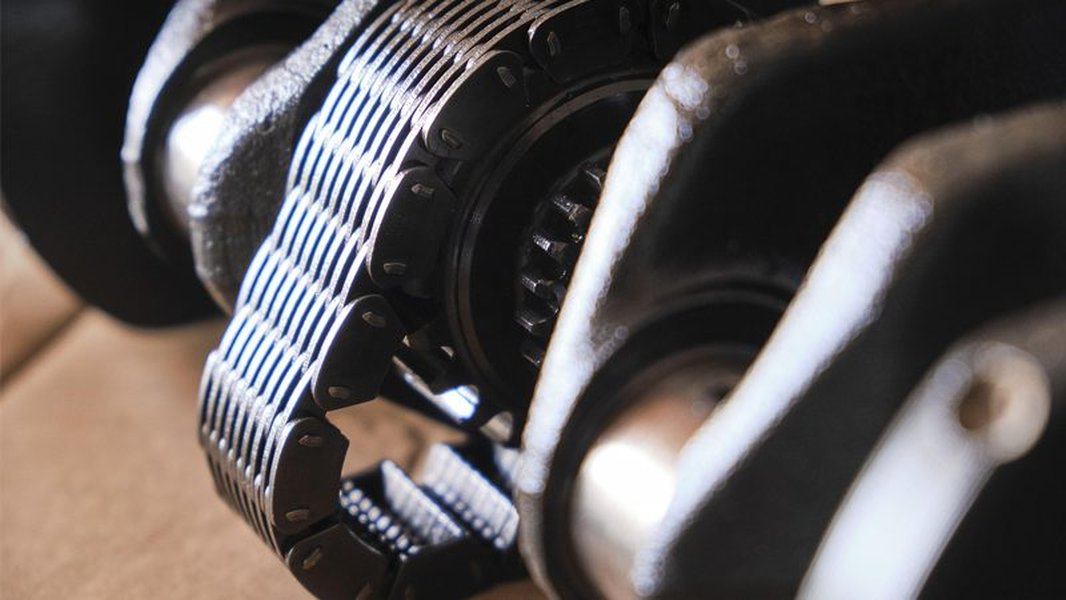
A visual representation of the crankshaft position sensor's location within the engine assembly.
Orchestrating Engine Timing
The information provided by the CKP sensor is absolutely critical for the ECM to accurately manage several fundamental engine operations:
- Ignition Timing: The sensor informs the ECM of the exact moment each piston reaches Top Dead Center (TDC). This allows the ECM to command the spark plugs to fire at the optimal instant for maximum power and efficiency. Without this, spark delivery becomes chaotic or non-existent.
- Fuel Injection Timing: Similarly, the CKP signal is vital for precise fuel injection. The ECM uses this data to determine when and for how long to open the fuel injectors, ensuring the correct air-fuel mixture for combustion. Incorrect timing leads to inefficient burning, misfires, or even fuel-fouled spark plugs.
- Engine Speed (RPM) Measurement: The frequency of the pulses from the CKP sensor directly correlates to the engine's rotational speed. This RPM data is not only displayed on your tachometer but is also used by the ECM for various control strategies, including idle speed control, automatic transmission shift points, and misfire detection.
- Synchronization with Camshaft: In most modern engines, the CKP sensor works in conjunction with the camshaft position sensor (CMP sensor). While the CKP tracks the crankshaft's position, the CMP tracks the camshafts, which control valve opening and closing. Together, these two sensors provide a complete picture of the engine's mechanical state, crucial for synchronizing valve timing with piston movement, especially in engines with variable valve timing (VVT) systems.
Without accurate and consistent data from the P0335 Crankshaft Position Sensor, the engine control module is effectively blind. It cannot properly sequence the critical events of combustion, leading to severe performance issues or, most commonly, the engine simply shutting down because it can no longer maintain synchronized operation.
"The P0335 code is critical because the crankshaft position sensor directly affects engine timing and synchronization. Without accurate data from the sensor, the engine control module cannot properly manage ignition timing or fuel injection, leading to inefficient combustion, potential misfires or even engine stalling."
Decoding the P0335 Code: What It Means
The P0335 code specifically stands for "Crankshaft Position Sensor 'A' Circuit Malfunction." When your car's onboard diagnostic (OBD-II) system logs this code, it means the ECM has detected an issue with the signal coming from the primary crankshaft position sensor circuit. This isn't necessarily saying the sensor itself is faulty, but rather that there's an irregularity in the electrical path through which the sensor communicates with the ECM.
Circuit Malfunction: More Than Just a Sensor Issue
The term "circuit malfunction" is key here. It implies that the problem could originate from various points within the sensor's electrical circuit, not exclusively the sensor unit itself. This includes:
- The sensor's internal components.
- The wiring harness connecting the sensor to the ECM.
- The electrical connectors at either end of the wiring.
- Less commonly, the ECM's ability to send or receive the signal.
The "A" designation typically refers to the primary crankshaft position sensor. Some vehicles, especially those with multiple banks or specialized engine designs, might have more than one crankshaft or camshaft position sensor, but P0335 almost always points to the main CKP signal.
Important Note: The "A" in P0335
While some engines might have multiple sensors (like 'A' and 'B' for camshafts), P0335 generally refers to an issue with the primary crankshaft position sensor circuit. If other related codes (e.g., P0336-P0339) are present, it further confirms a crankshaft sensor circuit problem, potentially indicating a range/performance issue or an intermittent signal.
Common Symptoms of a Failing Crankshaft Position Sensor
A failing P0335 Crankshaft Position Sensor can manifest in a variety of unsettling ways, making your driving experience unpredictable and potentially dangerous. Recognizing these symptoms early can save you from being stranded or, worse, experiencing an accident.
The Unexpected Engine Shut-Off
This is arguably the most alarming symptom. Your engine may suddenly and completely die while you are driving, at any speed, often without any prior warning. This happens because the ECM instantly loses the crucial crankshaft signal, making it impossible to maintain ignition and fuel delivery. When the engine loses this information, it cannot function and simply cuts out. You might lose power steering and power brakes, requiring significant effort to control the vehicle.
Difficulty Starting or No-Start Condition
If your engine cranks over normally but struggles to start, or doesn't start at all, a faulty CKP sensor is a prime suspect. The ECM relies on the sensor's input to know when to trigger spark and fuel injection during the starting sequence. Without this precise timing information, the engine won't be able to achieve combustion, leading to prolonged cranking or a complete no-start. This issue can often be intermittent, with the car starting perfectly sometimes, and then failing to start at others, especially when the engine is warm (a phenomenon known as "hot-start issues").
Persistent Check Engine Light (CEL)
The most straightforward indicator of a P0335 issue is the illumination of your Check Engine Light on the dashboard. An OBD-II scanner will confirm the presence of the P0335 code. While the CEL alerts you to a problem, it doesn't specify the exact cause, hence the need for proper diagnosis.
Rough Idling and Engine Misfires
When the crankshaft position sensor sends inconsistent or inaccurate data, the ECM struggles to maintain the correct ignition and fuel timing. This can lead to a rough, unstable idle, where the engine vibrates or "shakes" more than usual. You might also experience misfires, which feel like brief hesitations or jerks as the engine struggles to complete the combustion cycle in one or more cylinders.
Reduced Power or Sluggish Acceleration
If your vehicle feels less responsive, struggles to accelerate smoothly, or experiences sudden losses of power (often described as "jerking" or "bogging down") during acceleration, it could be due to incorrect crankshaft data. The ECM cannot precisely control engine output if its primary timing reference is unreliable.
Intermittent Tachometer Dropouts
Since the CKP sensor provides the primary input for engine RPM, a faulty sensor can cause your tachometer needle to drop intermittently, fluctuate wildly, or simply read zero while the engine is running. This is a direct indication that the ECM is losing or receiving erroneous RPM data.
Important Note: The Intermittent Nature
Many issues related to the crankshaft position sensor are intermittent. Symptoms might appear when the engine heats up and disappear when it cools down, or vice versa. This can make diagnosis tricky, but consistent logging of the P0335 code, even if symptoms come and go, points strongly to this sensor or its circuit.
Delving into the Causes of P0335
The P0335 code indicates a malfunction in the "Crankshaft Position Sensor 'A' Circuit." This phrasing is crucial because it means the problem isn't always the sensor itself. Understanding the various potential causes is vital for effective diagnosis and repair.
1. Faulty Crankshaft Position Sensor (CKP)
This is often the most common culprit. Like any electronic component exposed to the harsh engine environment, the CKP sensor can fail due to:
- Age and Wear: Over time, internal components can simply wear out.
- Heat: Constant exposure to high engine temperatures can degrade the sensor's internal electronics. Many sensors exhibit intermittent failure when hot, only to work again once cooled.
- Vibration: Engine vibrations can loosen internal connections or cause physical damage.
- Contamination: Oil leaks, dirt, or metallic debris can interfere with the sensor's magnetic readings.
2. Wiring and Connector Issues
The electrical connection between the CKP sensor and the ECM is a common point of failure. Problems here can easily mimic a faulty sensor:
- Damaged or Frayed Wiring: Wires can chafe against engine components, get damaged by rodents, or simply degrade over time, leading to shorts, opens, or intermittent contact.
- Loose Connections: Vibrations can cause the sensor's electrical connector to become loose, intermittently interrupting the signal to the ECM.
- Corrosion: Moisture, dirt, or contaminants can cause corrosion on the electrical pins within the connector, leading to poor electrical contact and signal degradation.
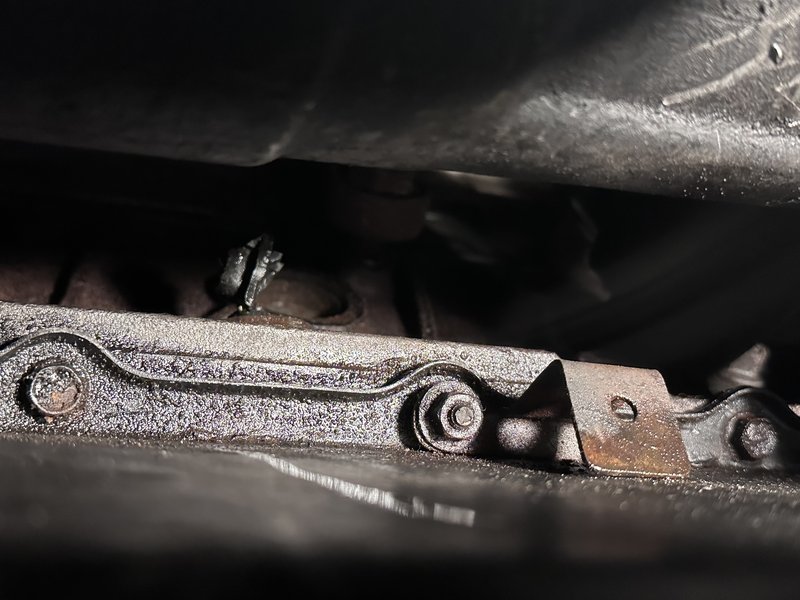
An example of a potentially damaged or stuck crankshaft position sensor that could lead to P0335.
3. Damaged Reluctor Wheel (Tone Ring)
The CKP sensor reads the teeth on a reluctor wheel attached to the crankshaft. If this wheel is damaged, the sensor cannot generate an accurate signal:
- Missing or Bent Teeth: Physical damage to the teeth on the reluctor wheel can cause inconsistent or missing pulses.
- Excessive Debris: Accumulation of metallic debris on the reluctor wheel can interfere with the sensor's ability to read the teeth accurately.
- Incorrect Air Gap: The sensor needs a precise air gap between itself and the reluctor wheel. If this gap is too wide or too narrow, the signal can be weak or irregular.
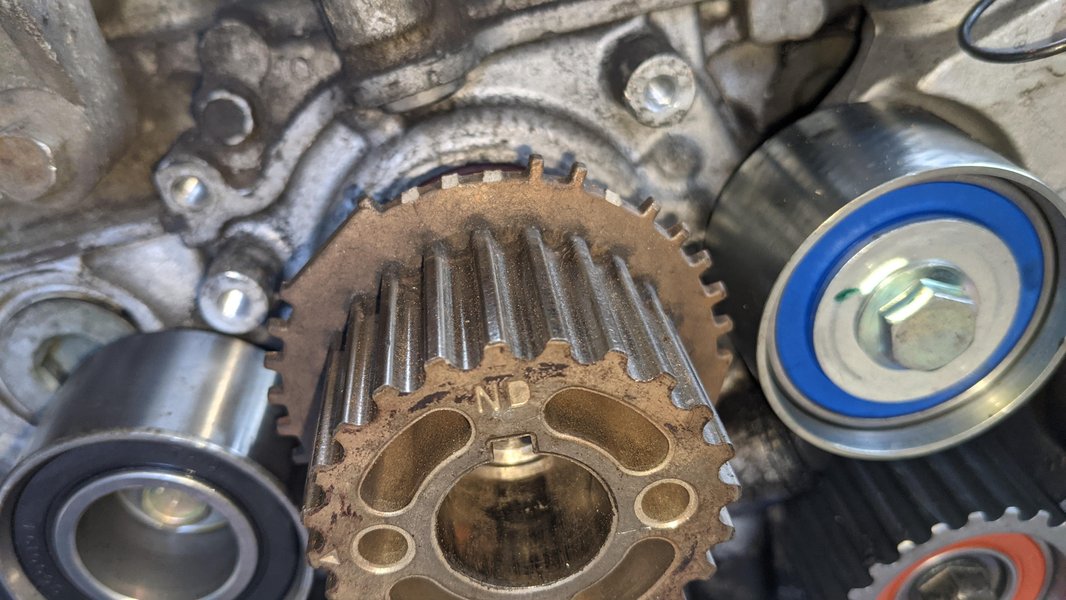
A visible example of damage to a tone ring, which can severely impact crankshaft position sensor readings.
4. Engine Control Module (ECM/PCM) Malfunction
While less common, a faulty ECM can sometimes be the cause of a P0335 code. The ECM might fail to properly process the sensor's signal, or it might not be supplying the correct voltage to the sensor. This is usually considered a last resort diagnosis after ruling out all other possibilities, as ECM replacement is typically an expensive repair.
5. Timing Component Issues
Problems with the engine's timing components, such as a stretched timing chain or a slipped timing belt, can sometimes trigger a P0335. Although the sensor itself might be functional, the ECM detects an inconsistency in the expected timing relationship between the crankshaft and camshaft, leading to a P0335 or related timing correlation codes.
Important Note: Beyond the Sensor
It's crucial to remember that P0335 points to a "circuit malfunction," not just a "sensor malfunction." This distinction is critical during diagnosis, as simply replacing the sensor without addressing underlying wiring or mechanical issues will likely result in the code returning.
Diagnosing the P0335 Code: A Systematic Approach
Diagnosing the P0335 code requires a methodical approach, moving from simple checks to more advanced testing. While professional mechanics have specialized tools, many initial steps can be performed by a diligent DIYer.
1. Retrieve and Confirm Diagnostic Trouble Codes (DTCs)
- Use an OBD-II scanner to confirm the presence of the P0335 code.
- Note any other related codes, such as P0336, P0337, P0338, P0339 (which indicate various circuit range/performance issues for the CKP sensor), or camshaft position sensor codes (P0340-P0349). Multiple codes can provide additional clues.
- Record the "freeze frame data." This snapshot of engine conditions (RPM, engine temperature, vehicle speed, etc.) at the moment the code was set can be invaluable for replicating the fault.
- Clear the codes and test drive the vehicle (if it's safe to do so) to see if P0335 returns. This helps determine if the issue is active or intermittent.
2. Visual Inspection: The First Line of Defense
- Locate the Sensor: The crankshaft position sensor's location varies significantly by vehicle model. It can be found near the crankshaft pulley, on the engine block near the flywheel, or sometimes mounted on the transmission bell housing. Consult your vehicle's service manual for the exact location.
- Inspect the Sensor: Carefully examine the sensor body for any visible signs of damage, cracks, oil saturation, or metallic debris adhering to its tip.
- Check the Wiring Harness: Follow the wiring leading from the sensor. Look for signs of chafing, fraying, cuts, heat damage, or rodent damage. Ensure the harness isn't routed too close to hot exhaust components or sharp edges.
- Examine Connectors: Disconnect the sensor's electrical connector. Inspect the pins for corrosion (often green or white deposits), bending, or looseness. Ensure the connector is fully seated and securely locked.
3. Verify Electrical Connections and Voltage
Using a digital multimeter, perform the following checks at the sensor's connector (with the ignition on, engine off):
- Reference Voltage: Many CKP sensors require a 5-volt reference signal from the ECM. Check for this voltage at the appropriate pin.
- Ground: Verify a good ground connection at the sensor's ground pin.
- Continuity: Check for continuity in the signal wire between the sensor connector and the ECM connector (refer to wiring diagrams for pinouts). Look for any opens or shorts.
4. Sensor Signal Testing
- Scan Tool RPM: While cranking the engine, monitor the engine RPM on your OBD-II scan tool's live data stream. If the RPM reads zero or fluctuates erratically, it indicates a problem with the CKP sensor, its circuit, or the reluctor wheel.
- Oscilloscope Testing (Professional): For a definitive diagnosis, a professional mechanic will use an oscilloscope to observe the sensor's waveform while cranking or running the engine. A healthy CKP sensor will produce a clean, consistent square wave (for Hall-effect sensors) or AC sine wave (for inductive sensors) with a distinct pattern, often including a "missing tooth" signal that the ECM uses for precise positioning. Irregularities, flatlines, or distorted waveforms pinpoint a faulty sensor or signal interference.
- Multimeter AC Voltage (Inductive Sensors): For 2-wire inductive sensors, you can set your multimeter to AC voltage and back-probe the sensor while cranking the engine. You should see a small AC voltage signal (e.g., 0.2V to 1V AC). While less precise than an oscilloscope, this can confirm if the sensor is generating any signal.
This video demonstrates how professionals test crankshaft position sensors using advanced tools like oscilloscopes for precise signal analysis.
5. Inspect the Reluctor Wheel
If the sensor and wiring test good, the next step is to inspect the reluctor wheel. This often requires removing the sensor to gain a visual. Look for:
- Missing, bent, or damaged teeth.
- Excessive rust or debris accumulation.
- Any signs of the wheel being loose on the crankshaft or harmonic balancer.
6. Wiggle Test and Heat Test
For intermittent issues, perform a "wiggle test" on the wiring harness and connector while monitoring live data (RPM or oscilloscope waveform). Gently wiggle and flex the wires. If the signal drops or fluctuates, you've likely found a wiring or connection issue. A "heat test" (carefully applying heat with a heat gun, NOT an open flame, to the sensor body) can help replicate heat-related failures.
Important Note: Avoid Test Lights on Sensor Circuits
Never use a traditional test light to probe sensor wires, especially those connected to the ECM. These can draw too much current and potentially damage sensitive electronic components within the ECM. Always use a digital multimeter or a specialized low-impedance test light if necessary.
Fixing the P0335 Code: Repair Options and Costs
Once you've accurately diagnosed the root cause of the P0335 code, the next step is implementing the correct repair. The solution can range from a simple part replacement to more intricate electrical or mechanical work.
1. Replacing the Crankshaft Position Sensor
If testing confirms the sensor itself is faulty, replacement is typically the most direct fix. The accessibility of the sensor varies greatly by vehicle model, affecting labor costs:
- Accessibility: Some sensors are easily reachable from under the hood or under the vehicle, while others may require removal of other components (e.g., intake manifold, transmission, or crankshaft pulley) for access.
- Part Quality: Always opt for an OEM (Original Equipment Manufacturer) or a high-quality aftermarket sensor from a reputable brand. Cheap, low-quality sensors are a common cause of recurring P0335 codes or premature failure.
- Installation: Ensure the new sensor is installed correctly, with the proper air gap (if adjustable) and torqued to specifications.
2. Repairing Wiring and Connectors
If the issue is traced to damaged wiring or a faulty connector:
- Wiring Repair: Damaged wires should be properly repaired using soldering and heat-shrink tubing for a durable, reliable connection. Simply wrapping with electrical tape is often a temporary fix.
- Connector Service: Corroded connectors may need to be cleaned with electrical contact cleaner and a small brush. If pins are bent or severely corroded, the connector housing or individual pins may need replacement. Always ensure tight, secure connections.
3. Addressing Reluctor Wheel Damage
If the reluctor wheel is found to be damaged (missing teeth, bent, or loose), it must be replaced. This is often a more involved and expensive repair, as it typically requires significant engine disassembly, such as removing the harmonic balancer, flywheel, or even portions of the engine block/transmission, depending on its location.
4. ECM/PCM Replacement or Reprogramming
In the rare event that the ECM is diagnosed as the cause, it will need to be replaced and programmed to your specific vehicle. This is a job for a specialized mechanic or dealership, as ECMs are expensive and require specific tools and software for programming.
5. Crankshaft Position System Variation Relearn
After replacing the crankshaft position sensor, the reluctor wheel, or the ECM on some vehicles, a "crankshaft position system variation learn" procedure may be required. This procedure uses a specialized scan tool to allow the ECM to "learn" the unique characteristics of the new sensor and reluctor wheel, improving engine performance and misfire detection. Without this relearn, the P0335 code might return, or the engine might run poorly.
Is It Safe to Drive with a P0335 Code?
Driving with an active P0335 code and a malfunctioning Crankshaft Position Sensor is highly unrecommended and potentially dangerous. Here's why you should address this issue as soon as possible:
Risk of Sudden Engine Stalling
The most significant and immediate danger is the engine suddenly shutting off while you are driving. This can happen without warning, creating an extremely hazardous situation, especially at higher speeds, on highways, or in heavy traffic. When the engine stalls, you instantly lose power steering (making it very hard to turn the wheel) and power brakes (requiring much more force to stop the vehicle). This loss of control can lead to serious accidents.
Unreliable Starting
Even if your car manages to run, it might become unreliable to start. You could find yourself stranded in an unsafe location or unable to start your car when you desperately need to. The intermittent nature of some sensor failures means you can't predict when the car will or won't start.
Potential for Further Engine Damage
Continuous misfires, rough idling, or incorrect timing due to a faulty CKP sensor can place undue stress on other vital engine components. For example, unburned fuel from misfires can enter the exhaust system and damage the catalytic converter, leading to a much more expensive repair. The engine might also run too rich or too lean, causing premature wear.
Reduced Performance and Fuel Economy
Beyond safety, driving with P0335 means your engine isn't operating efficiently. You'll likely experience reduced power, sluggish acceleration, rough idle, and noticeably worse fuel economy. This makes for an unpleasant and inefficient driving experience.
Warning: Immediate Action Required
If your engine stalls while moving, try to calmly shift to neutral, apply firm pressure to the brakes, and steer to a safe location. Cycle the key off and on, and allow the engine to cool if it's a heat-related issue. However, do not continue driving long distances with this code active. Arrange for immediate diagnosis and repair to ensure your safety and prevent further damage.
Prevention and Best Practices for Engine Health
While crankshaft position sensors can fail unpredictably, adopting certain preventative measures and best practices can help extend their lifespan and reduce the likelihood of encountering a P0335 code:
- Regular Inspections: During routine maintenance or oil changes, ask your mechanic to perform a visual inspection of the CKP sensor, its wiring, and connector. Look for obvious signs of damage, oil saturation, or corrosion.
- Address Oil Leaks Promptly: Oil leaks can saturate electrical components, including the CKP sensor and its wiring, leading to degradation and failure. Promptly repair any engine oil leaks.
- Protect Wiring: Ensure that wiring harnesses are properly secured, away from moving parts, hot exhaust components, and sharp edges. Intact splash shields and underbody covers also help protect wiring from road debris and environmental elements.
- Use Quality Replacement Parts: When a sensor or related component needs replacement, always choose OEM parts or high-quality aftermarket equivalents from reputable manufacturers. Cheap parts often have lower quality control and may fail prematurely, leading to repeat issues.
- Proper Installation: If you're performing DIY repairs, ensure that sensors are installed correctly, with the proper torque and any specified air gap adjustments. Connectors should be fully seated and secured.
- Perform Required Relearn Procedures: After replacing certain components (CKP sensor, reluctor wheel, or ECM), some vehicles require a "crank variation relearn" procedure using a diagnostic scan tool. Failing to perform this can lead to recurring codes or suboptimal engine performance.
- Clean Electrical Connections: If you ever disconnect electrical connectors for maintenance, consider cleaning the pins with electrical contact cleaner and applying a thin layer of dielectric grease to help prevent corrosion and ensure a good seal.
Listening to your vehicle is crucial. Intermittent rough running, occasional hesitation, or a brief flicker of the Check Engine Light could be early warnings of an impending sensor failure. Addressing these minor symptoms proactively can prevent a major breakdown down the road.
Frequently Asked Questions About P0335
Conclusion: Mastering the P0335 Challenge
The P0335 Crankshaft Position Sensor code might seem daunting at first, but understanding its underlying causes and implications demystifies this critical automotive issue. This small sensor plays an enormous role in your engine's ability to run smoothly, reliably, and safely. It is the lynchpin of your engine's timing, dictating when fuel is injected and when spark ignites, ultimately enabling the precise symphony of internal combustion.
Recognizing the diverse symptoms, from unnerving random engine shutdowns to frustrating no-start conditions, is the first step towards an effective solution. By systematically investigating the potential causes—whether it's a failing sensor, compromised wiring, or even a damaged reluctor wheel—you can pinpoint the problem with confidence. Remember, the term "circuit malfunction" means looking beyond just the sensor itself to the entire electrical pathway.
Ultimately, addressing the P0335 code promptly is not just about restoring your vehicle's performance; it's about ensuring your safety and the longevity of your engine. Ignoring this warning can lead to hazardous situations on the road and significantly more costly repairs down the line. Whether you tackle the repair yourself with a methodical approach or seek the expertise of a trusted mechanic, a clear understanding of P0335 empowers you to make informed decisions and keep your vehicle running in optimal condition.
