

Don't let neglected transmission fluid cost you thousands. Learn when and why this critical maintenance step can save your vehicle's life and your wallet.
Your vehicle's transmission is an intricate marvel of engineering, orchestrating the seamless transfer of power from your engine to your wheels. Much like the engine relies on a consistent supply of clean oil, your transmission depends on a specialized fluid—its lifeblood—to perform optimally. Ignoring transmission fluid maintenance is akin to gambling with one of your car's most expensive components. This comprehensive guide will demystify when to change transmission fluid, why it matters, and how proactive care can prevent catastrophic failures, ensuring your vehicle remains a reliable companion on the road for years to come.
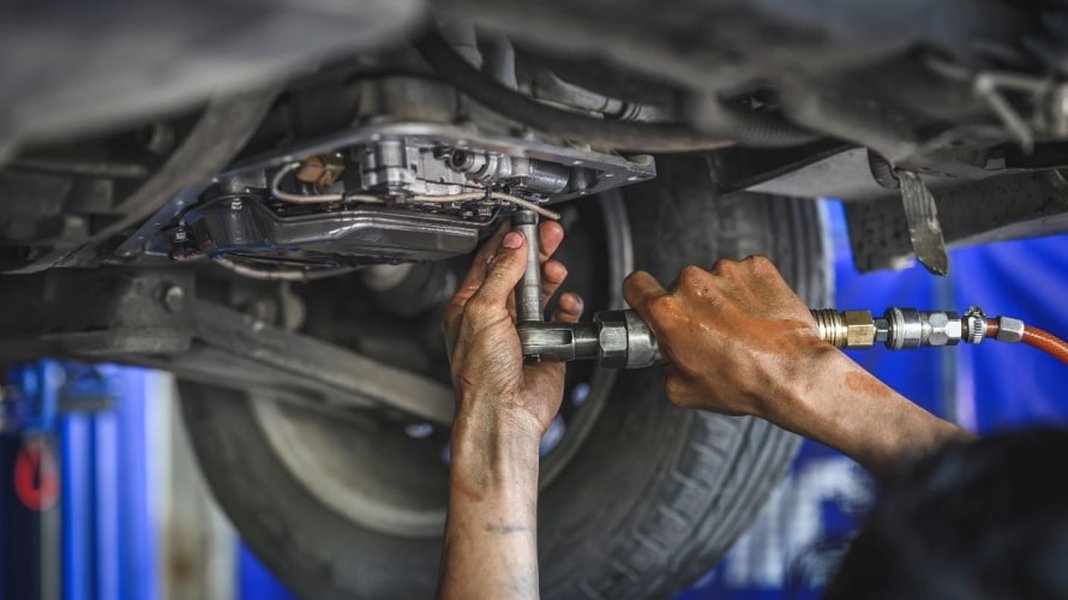
Regular transmission fluid changes are a small investment that yields massive returns in vehicle health.
Essential Insights into Transmission Fluid Maintenance
- Timely fluid changes are critical: Manufacturer recommendations, combined with driving conditions, dictate the optimal intervals for fluid replacement, typically ranging from 30,000 to 100,000 miles.
- Recognize the warning signs: Discolored or burnt-smelling fluid, harsh shifts, slipping gears, and unusual noises are clear indicators that your transmission fluid needs immediate attention.
- Preventative care saves thousands: The cost of a fluid change is a fraction of what you'd pay for a transmission rebuild or replacement, making it one of the most cost-effective maintenance tasks.
The Silent Guardian: Understanding Transmission Fluid's Vital Role
More Than Just Lubrication: The Multifaceted Functions of Transmission Fluid
Transmission fluid is a sophisticated hydraulic oil engineered to perform several critical tasks within your vehicle's transmission system. Its functions are far more extensive than simple lubrication, directly impacting your transmission's efficiency, longevity, and overall performance. These roles include:
- Lubrication: It reduces friction between countless moving parts, preventing premature wear and tear that can lead to expensive component failure.
- Cooling: Transmissions generate immense heat during operation. The fluid acts as a coolant, absorbing and dissipating this heat to prevent overheating, which is a leading cause of transmission breakdown.
- Hydraulic Power: Especially in automatic transmissions, the fluid is the medium through which hydraulic pressure is created. This pressure enables smooth and precise gear changes, torque conversion, and clutch engagement.
- Cleaning: As it circulates, the fluid picks up microscopic metal particles, clutch material, and other debris, keeping the internal components clean and preventing blockages in vital passages.
- Corrosion Protection: Additives within the fluid protect internal metal surfaces from rust and corrosion, preserving the integrity of the transmission over time.
Over time, transmission fluid degrades. Exposure to extreme temperatures, shear forces, and contamination from wear particles causes its vital additives to break down and its chemical properties to diminish. When this happens, it loses its ability to lubricate, cool, and transfer power effectively, placing your transmission at severe risk.
"Fresh, correct-spec fluid is the cheapest insurance you can buy for your transmission, directly impacting its lifespan and your vehicle's resale value." - Automotive Service Manager
Decoding the "When": Optimal Transmission Fluid Change Intervals
Manufacturer Guidelines vs. Real-World Driving Conditions
Determining precisely when to change transmission fluid is not a one-size-fits-all answer. It largely depends on your vehicle's make and model, the type of transmission it has, and your typical driving habits. However, a general understanding of recommended intervals and influential factors can guide your maintenance decisions.
General Interval Guidelines by Transmission Type
Always refer to your vehicle's owner's manual for the most accurate and specific recommendations. The table below provides common intervals:
| Transmission Type | Normal Driving Conditions (Miles) | Severe Driving Conditions (Miles) |
|---|---|---|
| Manual Transmission | 30,000 - 60,000 | 15,000 - 30,000 |
| Automatic Transmission | 60,000 - 100,000 | 30,000 - 60,000 |
| CVT (Continuously Variable Transmission) | 60,000 - 100,000 | 30,000 - 60,000 |
| DCT/DSG (Dual-Clutch Transmission) | 40,000 - 60,000 | 30,000 - 40,000 |
It's crucial to understand that "severe driving conditions" are more common than many drivers realize. These include frequent short trips, heavy city driving with constant stop-and-go traffic, towing or hauling heavy loads, driving in mountainous or hilly terrain, and operating in extreme hot or cold climates. If your driving falls into any of these categories, shortening your fluid change intervals is a wise decision.
Speaking the Transmission's Language: Warning Signs to Watch For
Your Car's Subtle (and Not-So-Subtle) Cues for Fluid Service
Beyond mileage, your vehicle often provides clear indicators that its transmission fluid needs attention. Recognizing these warning signs early can be the difference between a simple fluid change and a major repair. Pay close attention to these clues:
Visual and Olfactory Indicators:
- Discolored or Burnt-Smelling Fluid: Healthy transmission fluid is typically bright red or pink and has a slightly sweet smell. If you check your fluid (using a dipstick, if available) and find it dark brown, black, or emitting a burnt odor, it's a strong sign of degradation and possibly overheating.
- Low Fluid Level: A low fluid level can indicate a leak, which needs immediate attention. Operating with insufficient fluid starves the system of lubrication and cooling, leading to rapid wear.
- Visible Metal Particles: While some fine metallic dust is normal, visible flakes or chunks of metal in the fluid (especially on the dipstick) indicate significant internal wear and impending failure.

Fluid color and smell are critical indicators of your transmission's health.
Performance Symptoms:
- Delayed Engagement: If there's a noticeable hesitation or delay when shifting from Park to Drive or Reverse, it can indicate fluid pressure issues or degraded fluid.
- Harsh or Jerky Shifting: Gears should engage smoothly. If you experience rough, clunky, or abrupt shifts, the fluid might not be providing adequate lubrication or hydraulic pressure.
- Slipping Gears: This is a serious symptom where the engine revs up, but the vehicle doesn't accelerate proportionally, or the transmission struggles to maintain a gear. It's often a sign of worn clutch packs and severely degraded fluid.
- Unusual Noises: Whining, clunking, or grinding sounds coming from the transmission area, especially during gear changes or acceleration, can signal fluid-related issues or internal component wear.
- Transmission Overheating: An illuminated transmission warning light, a noticeable hot smell, or steam coming from under the hood are urgent signs that your fluid is no longer effectively cooling the system.
DIY vs. Professional Service: Making the Right Choice
Evaluating Your Options for Transmission Fluid Replacement
When it's time to change your transmission fluid, you typically have two primary routes: performing the service yourself (DIY) or entrusting it to a professional mechanic. Each approach has distinct advantages and disadvantages that should influence your decision.
The DIY Approach: Cost Savings and Learning
A DIY fluid change often involves draining the fluid from the transmission pan and refilling it with new fluid. This method, commonly referred to as a "drain and fill," usually replaces only 30-60% of the total fluid, as a significant portion remains in the torque converter and cooler lines. While appealing for its lower cost, it demands a certain level of mechanical aptitude.
- Pros: Lower out-of-pocket cost for labor, flexible scheduling, and a valuable learning experience.
- Cons: Only a partial fluid exchange, requires specific tools (jack stands, drain pan, torque wrench, correct fluid type), potential for costly errors (e.g., using the wrong fluid, improper torque), and no warranty on your work.
Professional Service: Expertise and Comprehensive Care
Professional services can range from a "drain and fill" (similar to DIY but performed by a trained technician) to a full transmission "flush" or fluid exchange. A flush uses specialized equipment to circulate new fluid through the entire system, displacing virtually all of the old, contaminated fluid and debris. This method provides a more thorough cleaning and nearly 100% fluid replacement.
- Pros: Expert knowledge ensures the correct fluid and procedures are used, a thorough cleaning (with a flush), often comes with a warranty on parts and labor, and mechanics can identify other potential issues during the service.
- Cons: Higher upfront cost (typically $150-$400+ for a flush), requires scheduling an appointment, and can be less convenient than doing it yourself.
The Financial Reality: Cost of Neglect vs. Preventative Maintenance
A Small Investment Now Averts a Massive Bill Later
Many vehicle owners procrastinate on transmission maintenance due to perceived costs, but this approach almost invariably backfires. The cost of regular fluid changes is minuscule compared to the expense of repairing or replacing a damaged transmission. Let's look at the numbers:
Transmission Maintenance vs. Repair Costs:
- Transmission Fluid Change (DIY): $50 - $250 (materials only)
- Professional Drain and Fill: $150 - $300
- Professional Transmission Flush: $200 - $400
- Minor Transmission Repair (e.g., solenoid replacement): $500 - $1,500
- Transmission Rebuild: $2,500 - $4,000+
- Complete Transmission Replacement: $4,000 - $8,000+ (often exceeding the vehicle's value)
"It costs a fraction to service a transmission as it does to replace one. This isn't just about saving money; it's about protecting your investment." - ASE Certified Automotive Expert
This stark comparison highlights that preventative maintenance is not an expense, but a shrewd investment that protects your vehicle and your finances. Skipping a $200-$400 service now could lead to a $4,000-$8,000 bill down the road.
Long-Term Rewards: Benefits of Consistent Transmission Care
Extending Your Vehicle's Life and Maximizing Performance
Regular transmission fluid changes offer a multitude of benefits that extend far beyond simply avoiding a breakdown. Proactive maintenance contributes significantly to the overall health, performance, and value of your vehicle.
- Extended Transmission Lifespan: Clean, fresh fluid keeps all internal components adequately lubricated and cool, dramatically reducing wear and prolonging the life of this complex and expensive part. Many transmissions can last well over 200,000 miles with proper fluid maintenance.
- Improved Performance and Smoother Shifts: New fluid ensures optimal hydraulic pressure and lubrication, resulting in seamless, responsive, and quiet gear changes. This enhances your driving experience and the overall feeling of your vehicle.
- Enhanced Fuel Efficiency: A transmission operating efficiently with clean fluid experiences less drag and friction. This translates to better power transfer and, consequently, improved fuel economy.
- Maintained Resale Value: A vehicle with a documented history of consistent maintenance, including transmission fluid changes, will command a higher resale value. Buyers appreciate a well-cared-for vehicle.
- Peace of Mind: Knowing your transmission is in optimal condition reduces the anxiety of unexpected breakdowns and costly repairs, allowing you to drive with confidence.
- Early Problem Detection: During regular fluid checks or professional services, minor issues like small leaks or early wear can be identified and addressed before they escalate into major, expensive problems.

Regular service not only extends your transmission's life but also enhances overall vehicle performance and efficiency.
Beyond the Fluid: Comprehensive Transmission Maintenance Tips
A Holistic Approach to Keeping Your Drivetrain Healthy
While changing your transmission fluid is paramount, several other practices contribute to a healthy, long-lasting transmission. A holistic approach to care ensures every aspect of this vital system is protected:
- Check Fluid Levels Regularly: Even if your fluid is relatively new, ensure it's at the correct level. Periodically check your transmission fluid using the dipstick (if equipped and accessible) to ensure it's within the manufacturer's recommended range. Low fluid often indicates a leak.
- Always Use the Correct Fluid Type: This cannot be stressed enough. Using the wrong type of transmission fluid (e.g., ATF instead of CVT fluid, or a non-OEM approved ATF) can cause immediate damage and void warranties. Always refer to your owner's manual.
- Maintain the Cooling System: Your engine's cooling system often plays a role in cooling the transmission fluid. Ensure your engine coolant is at the proper level and condition, and consider an auxiliary transmission cooler if you frequently tow or drive in severe conditions.
- Drive Gently: Avoid aggressive driving habits such as hard acceleration, sudden braking, and quickly shifting between Drive and Reverse. These actions place immense stress on transmission components and fluid.
- Warm Up Your Vehicle: Especially in cold weather, allow your car a few minutes to warm up before driving. This allows transmission fluid to circulate and reach optimal operating temperature, improving lubrication and shift quality.
- Avoid Overloading: Do not exceed your vehicle's recommended towing or hauling capacity. Excessive loads create extra heat and strain on the transmission.
- Address Warning Signs Promptly: Never ignore unusual noises, leaks, or changes in driving behavior. Get them inspected by a professional immediately to prevent minor issues from becoming major failures.
- Annual Professional Inspections: Have your transmission inspected by a certified mechanic at least once a year. They can spot early wear, fluid degradation, and potential issues that might not be obvious to the untrained eye.
- Replace the Filter (if applicable): Many automatic transmissions have a fluid filter that should be replaced when the fluid is changed. This filter traps debris and prevents it from circulating throughout the system.

A multi-faceted approach to maintenance ensures long-term transmission health.
YouTube Insights: Transmission Fluid Change vs. Flush Explained
To further understand the nuances of transmission fluid service, particularly the difference between a simple fluid change and a full system flush, watch this informative video. It breaks down the pros, cons, and costs associated with each method, helping you make an informed decision for your vehicle.
This video, titled "Transmission Fluid Change vs Flush - Pros, Cons, Costs," from "The Car Care Nut" YouTube channel, offers an expert perspective on why these services are different and when each is most appropriate. It covers essential factors like the percentage of fluid exchanged, the removal of contaminants, and the scenarios where one method might be preferred over the other, especially concerning older or high-mileage transmissions.
Frequently Asked Questions (FAQ)
Conclusion: Safeguard Your Investment with Proactive Care
Your vehicle's transmission is an indispensable and costly component, making its diligent maintenance a non-negotiable aspect of responsible car ownership. Understanding when to change transmission fluid, recognizing the subtle warning signs of degradation, and committing to a proactive maintenance schedule are not merely recommendations—they are essential practices that directly impact your vehicle's lifespan, performance, and your financial well-being.
Whether you choose the hands-on approach of a DIY drain-and-fill or opt for the comprehensive care of a professional service, the underlying principle remains the same: a small, consistent investment in preventative maintenance today will save you from potentially devastating repair bills tomorrow. Don't wait until problems arise; prioritize your transmission's health, and it will reward you with countless miles of smooth, reliable driving.
