

Key Insights for Optimal Car Care
- Manufacturer's Manual is Paramount: Always prioritize your car's owner's manual for specific service intervals, as it's tailored to your vehicle's unique design and engineering.
- Driving Conditions Matter: "Severe" driving conditions (e.g., frequent short trips, extreme temperatures, towing) necessitate more frequent maintenance than standard schedules.
- Preventive Maintenance Saves Money: Proactive servicing prevents minor issues from escalating into costly repairs, protecting your investment and ensuring safety.
Your car is a significant investment, a complex machine that transports you through daily life. Like any intricate system, it thrives on consistent care. Understanding "how often car service" is truly needed can be the difference between years of reliable performance and unexpected, expensive breakdowns. This comprehensive guide will demystify car service intervals, explore the types of maintenance, provide cost estimates, and emphasize the critical role of regular care in preserving your warranty and vehicle value.
The Indispensable Role of Regular Car Servicing
Regular maintenance goes far beyond simply keeping your car running. It's about safeguarding your safety, extending your vehicle's lifespan, and protecting its financial value. Ignoring recommended service can lead to a cascade of problems, from diminished performance to complete system failures.
Ensuring Your Safety on the Road
Critical components like brakes, tires, steering, and suspension systems are directly linked to your safety. Routine inspections ensure these elements are in optimal condition, detecting wear and tear before it becomes a hazard. A well-maintained vehicle responds predictably, which is crucial in emergencies.

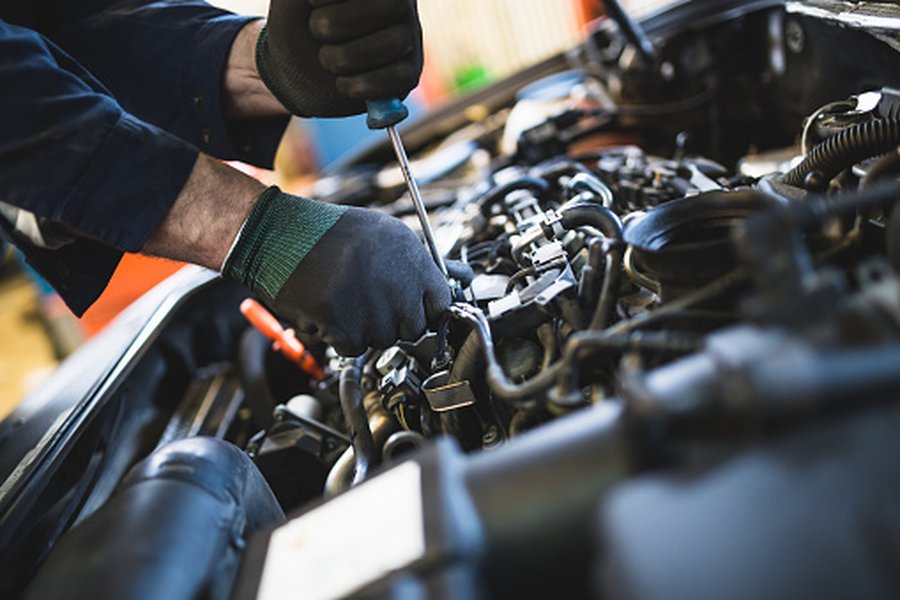
A reliable mechanic is key to ensuring your car's safety and longevity.
Extending Your Vehicle's Lifespan
Small maintenance tasks, like oil changes and filter replacements, prevent abrasive wear and contamination that can degrade engine components over time. By addressing these minor needs promptly, you avoid cumulative damage that can lead to major overhauls, ultimately extending your car's operational life well beyond its average.
Preserving Resale Value and Warranty Coverage
A car with a complete and documented service history commands a higher resale value. Buyers are willing to pay more for a vehicle that has been diligently cared for. Furthermore, manufacturers often stipulate regular maintenance as a condition for warranty coverage. Failing to adhere to these schedules can invalidate your warranty, leaving you financially responsible for repairs that would otherwise be covered.
"The difference to maintain a car, on average, between some brands can be thousands of dollars over a 10-year time frame." - Steven Elek, Auto Data Analytics at Consumer Reports
Deciphering Your Manufacturer's Maintenance Schedule
The single most authoritative source for your car's service needs is its owner's manual. This document, developed by the engineers who designed your vehicle, contains the precise recommendations for maintenance tasks and their intervals. Modern vehicles often supplement this with integrated maintenance reminder systems on the dashboard, tracking various operational parameters to determine optimal service times.
The Owner's Manual: Your Ultimate Guide
Your car's owner's manual details everything from oil specifications to spark plug replacement schedules. It outlines services based on both mileage and time, typically advising "whichever comes first." If you've misplaced your physical manual, most manufacturers provide digital copies on their official websites, often accessible by entering your vehicle's VIN.
Why Manufacturer Recommendations Are Crucial
- Engineered for Your Model: These schedules are specific to your car's make, model, and engine type, taking into account its unique design and material science.
- Warranty Protection: Adhering to the factory schedule is often a non-negotiable requirement for maintaining your vehicle's warranty.
- Optimized Performance: Following these guidelines ensures your car operates at its peak efficiency, maximizing fuel economy and minimizing emissions.
Important Note: While the 3,000-mile oil change was once standard, modern synthetic oils and advanced engine designs have extended typical oil change intervals significantly, often to 7,500-10,000 miles. Always consult your manual for the exact recommendation for your specific vehicle.
Understanding "Severe" vs. "Normal" Driving Conditions
Manufacturers often provide two distinct maintenance schedules: one for "normal" driving and another for "severe" conditions. It's crucial to honestly assess your driving habits, as many drivers unknowingly fall into the "severe" category, necessitating more frequent servicing.
Defining Severe Driving Conditions
- Frequent Short Trips: Driving less than 5-10 miles per trip, especially in cold weather, prevents the engine from reaching optimal operating temperature.
- Stop-and-Go Traffic: Extensive idling and frequent acceleration/deceleration put extra strain on the engine, brakes, and transmission.
- Extreme Temperatures: Driving in very hot or very cold climates, or areas with high humidity.
- Dusty/Sandy Environments: These conditions accelerate the clogging of air filters.
- Towing or Heavy Loads: Carrying significant weight increases stress on the powertrain, brakes, and suspension.
- Mountainous Terrain: Frequent ascents and descents demand more from the engine and braking system.
If your driving habits align with any of these severe conditions, consider reducing your service intervals by 20-30% to compensate for the increased wear and tear.
Common Car Maintenance Schedules by Mileage and Time
While your owner's manual is the definitive source, a general understanding of common service intervals can help you anticipate upcoming maintenance needs. Many manufacturers employ a "30-60-90" thousand-mile interval for more comprehensive services, with smaller tasks interspersed.
The Foundational Maintenance Tasks
Monthly Checks (Driver-Performed)
- Check engine oil level and condition.
- Inspect tire pressure and tread depth.
- Test all lights (headlights, brake lights, turn signals).
- Check windshield washer fluid level.
- Examine wiper blades for wear.
Every 6 Months or 5,000-7,500 Miles (Basic/Interim Service)
This interval typically focuses on essential fluid changes and inspections.
- Oil and filter change (using appropriate oil type for your vehicle).
- Tire rotation and pressure check.
- Visual inspection of brakes, belts, and hoses.
- Fluid level checks and top-ups (coolant, power steering, transmission).
Every 12 Months or 10,000-15,000 Miles (Full Service)
Building upon the basic service, this includes more thorough checks and replacements.
- Engine air filter replacement.
- Cabin air filter replacement.
- Comprehensive brake inspection (pads, rotors, calipers).
- Suspension component check.
- Exhaust system inspection.
- Battery health check and terminal cleaning.
- Wiper blade replacement (if needed).
Major Service Milestones: The 30-60-90k Rule
These intervals often trigger more in-depth inspections and replacements of longer-life components.
30,000 Miles (~24 months)
Beyond the full service items, this often includes:
- Fuel system inspection and possibly fuel filter replacement.
- Transmission fluid inspection or replacement (depending on vehicle and type).
- Spark plug inspection (though replacement might be later for iridium plugs).
- Differential fluid service (for AWD/4WD vehicles).
60,000 Miles (~48 months)
This is a significant service interval, potentially including:
- Brake fluid flush and replacement.
- Coolant system flush and refill.
- Spark plug replacement (for many non-iridium types).
- Power steering fluid flush.
- Inspection of drive belts and timing belt (if applicable, though replacement is often at 90k-100k).
90,000-100,000 Miles (~72-80 months)
The most comprehensive service, addressing long-term wear:
- Timing belt replacement (if your engine uses one). This is a critical service; failure can cause severe engine damage.
- Water pump replacement (often done with the timing belt).
- Hose replacement (radiator, heater).
- Full powertrain fluid changes (transmission, differential, transfer case).
- Extensive suspension and steering component inspection.
Understanding Maintenance Costs and Budgeting
Maintenance costs are a necessary part of car ownership. They vary significantly based on vehicle type, brand, age, and where you live. While annual averages can be cited, it's more helpful to understand the factors influencing these costs and how to budget effectively.
Factors Influencing Maintenance Expenses
- Vehicle Make and Model: Luxury vehicles typically have higher maintenance costs due to specialized parts and labor rates. Brands like Toyota and Honda are often cited for lower long-term maintenance expenses.
- Age of the Vehicle: Newer cars often have lower maintenance costs, sometimes offset by complimentary dealer services. As a car ages, more wear-and-tear items and major services become due, increasing costs.
- Location: Labor rates and parts prices can differ significantly by region and type of service provider (dealership vs. independent mechanic).
- Type of Service: Basic oil changes are relatively inexpensive, while major services involving timing belt replacement or transmission work can be substantially more costly.
According to AAA, the average maintenance cost for a car is around $792 per year, or approximately $66 per month. However, this is an average; your specific costs will depend on the factors above.
Typical Cost Ranges for Common Services
Here’s a general idea of what you might expect to pay for various services (these are estimates and can vary):
Fluid Changes
- Conventional Oil Change: $35 - $75
- Synthetic Oil Change: $65 - $125
- Brake Fluid Flush: $80 - $150
- Coolant Flush: $100 - $200
- Transmission Fluid Change: $150 - $250 (can be higher for specific types)
Inspections and Replacements
- Tire Rotation: $20 - $50 (often included with oil changes)
- Engine Air Filter Replacement: $25 - $70
- Cabin Air Filter Replacement: $25 - $60
- Brake Pad Replacement (per axle): $150 - $300
- Spark Plug Replacement: $180 - $450 (varies greatly by engine type and plug material)
- Timing Belt Replacement: $500 - $1,200+ (complex job, often includes water pump)
It's smart to set aside a budget for car maintenance, perhaps 1-2% of your vehicle's value annually, increasing the amount as your car ages.
Special Considerations: EVs and Hybrids
Electric Vehicles (EVs) and Hybrid cars have different maintenance profiles compared to traditional internal combustion engine (ICE) vehicles, but they still require regular care.
Electric Vehicle Maintenance
EVs famously eliminate the need for oil changes, spark plug replacements, and fuel system maintenance. However, they have their own specific needs:
- Tire Care: Due to instant torque and heavier battery packs, EV tires can wear more quickly. Regular rotations (every 6,000-7,500 miles) and alignment checks are crucial.
- Brake System: Regenerative braking significantly reduces wear on physical brake pads and rotors. However, brake fluid still needs periodic replacement (every 2-3 years) as it absorbs moisture. Inspections ensure components don't seize from lack of use.
- Cooling Systems: EVs often have liquid cooling systems for their batteries and electric motors. These coolants need inspection and replacement per manufacturer guidelines.
- Cabin Air Filter: This still requires regular replacement, typically annually or every 15,000-20,000 miles.
- Software Updates: EVs rely heavily on software, and regular updates are part of their maintenance regimen.
- Battery Health Checks: Diagnostics to monitor the health and performance of the high-voltage battery are periodically recommended.
This video explains the unique maintenance schedule for a 2026 Toyota RAV4 Hybrid, highlighting differences from traditional ICE vehicles.
While EVs generally have lower routine maintenance costs, neglecting specialized EV maintenance can still lead to significant expenses.
Hybrid Vehicle Maintenance
Hybrids combine an ICE with an electric motor, meaning their maintenance is a blend of both worlds:
- Oil Changes: The gasoline engine still requires regular oil and filter changes, though the intervals might be slightly extended due to the engine sometimes shutting off during electric-only driving.
- Brake System: Similar to EVs, hybrids benefit from regenerative braking, leading to less wear on physical brake components. However, brake fluid flushes are still necessary.
- Cooling Systems: Hybrids have multiple cooling systems (for the engine and potentially for the battery/hybrid components), all requiring periodic inspection and fluid replacement.
- Battery Health: The hybrid battery and its cooling system require monitoring and maintenance according to the manufacturer's schedule.
- Traditional Components: Spark plugs, air filters, and other ICE-related components still need attention at their prescribed intervals.
Hybrid maintenance often balances the needs of both powertrains, making it essential to consult the specific hybrid model's owner's manual.
Maintaining Your Warranty and Avoiding Common Pitfalls
Your vehicle's warranty is a valuable asset, protecting you from unexpected repair costs due to manufacturing defects. However, this protection is contingent on following the manufacturer's maintenance guidelines.
Protecting Your Warranty Coverage
- Follow the Manufacturer's Schedule Exactly: Adhere to both the mileage and time intervals specified in your owner's manual. If you primarily drive under "severe" conditions, use that schedule.
- Keep Meticulous Records: Save all service invoices, detailing the date, mileage, VIN, services performed, and parts/fluids used. If you perform DIY maintenance, keep receipts for parts and a logbook entry.
- Use Approved Parts and Fluids: Ensure any parts or fluids used meet or exceed the manufacturer's specifications. Using incorrect fluids or non-compliant parts can jeopardize your warranty.
- You Have a Choice: The Magnuson-Moss Warranty Act generally allows you to have your car serviced by any qualified independent mechanic, not just the dealership, without voiding your warranty, as long as the work meets manufacturer standards and you keep records.
Important Note: While you can use independent shops, if a warranty repair is needed, the burden of proof may fall on you to demonstrate that all maintenance was performed correctly and on time with appropriate parts/fluids. Dealerships often streamline this process for warranty claims.
Common Mistakes That Can Jeopardize Your Warranty
- Skipping Time-Based Services: Even if you drive very few miles, fluids degrade over time. Ignoring time-based intervals (e.g., brake fluid every two years) can still void warranty coverage related to those systems.
- Ignoring Warning Lights: Driving with an active check engine light or other warning indicators can exacerbate problems, potentially leading to major damage not covered by warranty if ignored.
- Using Incorrect Fluids: Modern vehicles often require highly specific oil, coolant, and transmission fluid types. Using a "universal" fluid that doesn't meet the precise specifications can cause damage and void your warranty.
- Not Documenting DIY Work: While you can perform some maintenance yourself, without proper documentation (receipts, dated logs), proving compliance for a warranty claim becomes difficult.
DIY vs. Professional Service: When to Get Help
Many basic maintenance tasks can be handled by a motivated DIY enthusiast, saving money and providing a deeper understanding of their vehicle. However, certain jobs are best left to qualified professionals.
Empowering Your Inner Mechanic: DIY Tasks
- Checking Fluid Levels: Oil, coolant, washer fluid, power steering fluid.
- Tire Pressure and Visual Inspection: Simple yet crucial for safety and tire longevity.
- Wiper Blade Replacement: An easy and inexpensive safety improvement.
- Cabin and Engine Air Filter Replacement: Often straightforward, requiring minimal tools.
- Battery Terminal Cleaning: Helps prevent corrosion and maintain electrical conductivity.
Tip: If performing DIY work, always ensure you have the correct tools, follow safety procedures (e.g., using jack stands for lifting), and dispose of fluids and old parts responsibly.
When to Trust the Experts: Professional Service
For more complex or critical tasks, professional expertise is invaluable:
- Brake System Repairs: Beyond pad replacement, bleeding brake lines and working with ABS systems requires specialized knowledge and tools.
- Timing Belt/Chain Service: This engine-critical job requires precise timing and component removal.
- Transmission Service: Modern transmissions are complex; fluid flushes and filter changes should be done by technicians familiar with specific procedures and fluid types.
- Advanced Diagnostics: When warning lights appear or performance issues arise, professional diagnostic tools can pinpoint the exact problem accurately.
- Cooling System Flushes: Ensuring proper air bleeding and using specialized equipment for thorough flushing.
- Recalls and Software Updates: These are typically performed at dealerships.
Whether you choose a dealership or an independent shop, look for certified technicians (e.g., ASE certification in the U.S.) and ask for clear explanations of services and costs. A reputable mechanic will always provide itemized quotes and return old parts upon request.
Specialized auto repair shops offer professional service for complex vehicle needs.
Signs Your Car Needs Immediate Attention
While maintenance schedules are crucial, your car also communicates its needs through warning signs. Recognizing these can prevent minor issues from becoming major problems.
Dashboard Warning Lights
Modern vehicles are equipped with sophisticated sensors that trigger warning lights when a system malfunction occurs. Never ignore these:
- Check Engine Light: Can indicate anything from a loose gas cap to a serious engine issue. Get it diagnosed promptly.
- Brake Warning Light: Could signal low brake fluid, worn pads, or an ABS system fault. Critical for safety.
- Oil Pressure Light: Indicates critically low oil pressure, requiring immediate attention to prevent engine damage.
- Battery/Charging System Light: Suggests a problem with the alternator or battery.
- Tire Pressure Monitoring System (TPMS) Light: Indicates low tire pressure, affecting safety and fuel economy.
Unusual Noises, Smells, or Sensations
- Squealing Brakes: Often an indicator of worn brake pads.
- Grinding Sounds: Could point to serious brake issues, transmission problems, or worn bearings.
- Whining or Hum: Might indicate power steering pump issues, wheel bearing problems, or differential wear.
- Burning Smell: Could be oil leaking onto a hot engine, burning coolant, or an electrical issue.
- Vibrations or Shakes: Uneven tire wear, unbalanced tires, suspension issues, or alignment problems.
- Difficulty Starting: A sign of a weak battery or starter motor issues.
- Decreased Performance: Reduced acceleration, poor fuel economy, or rough idling suggest an engine problem.
Any of these symptoms warrant prompt inspection by a qualified mechanic. Early detection can save you considerable time and money.
Frequently Asked Questions About Car Servicing
Conclusion: Proactive Care for a Reliable Ride
Understanding "how often car service" is truly necessary empowers you as a vehicle owner. By diligently following your manufacturer's recommended maintenance schedule, adjusting for your specific driving conditions, and addressing warning signs promptly, you invest in your car's safety, reliability, and long-term value. Regular maintenance isn't just a chore; it's a strategic decision that saves you money in the long run, protects your warranty, and ensures your vehicle remains a dependable partner on every journey. Don't wait for a problem to arise; make proactive car care a priority.
