

Key Takeaways for Hybrid Owners
- Hybrid insurance costs are nuanced: While often slightly higher than traditional gas cars due to advanced technology and specialized repairs, this gap is narrowing, and many insurers offer specific "green" discounts to offset costs.
- Discounts are your best friend: Proactively inquire about hybrid/EV discounts (typically 5-10%), telematics programs (usage-based insurance), and bundling policies to significantly reduce your premiums.
- Compare and customize: Rates vary widely, so obtaining quotes from multiple providers and understanding specific hybrid-friendly coverages (like battery protection or OEM parts) is crucial for securing the best value.
Choosing a hybrid vehicle signifies a commitment to both environmental responsibility and fuel efficiency. As hybrid technology becomes more sophisticated and widespread, so too does the insurance landscape surrounding these innovative cars. For 2026, understanding how to navigate this market is key to finding optimal coverage without overpaying. This comprehensive guide delves into the top insurance companies for hybrid cars, exploring their unique offerings, discount structures, and essential considerations for eco-conscious drivers.
Understanding Hybrid Car Insurance: More Than Just a Policy
Insuring a hybrid car often comes with a distinct set of factors that differentiate it from insuring a conventional gasoline-powered vehicle. While the core coverages like liability, collision, and comprehensive remain the same, the underlying costs and available benefits can vary significantly. The national average for hybrid car insurance in 2026 hovers around $2,554 per year, or approximately $213 per month. This figure can be 5% to 15% higher than insuring a comparable gas-only car, primarily due to several key characteristics of hybrids.

Understanding the unique components that influence hybrid insurance rates.
Why Hybrid Premiums Can Differ
Several factors contribute to the slightly elevated cost of hybrid car insurance:
- Higher Purchase Price: Hybrids typically have a higher initial retail price compared to their conventional counterparts due to the advanced technology involved. Insurers account for this higher vehicle value, as potential total loss payouts or extensive damage repairs would be more expensive.
- Specialized Components: The integration of a gasoline engine with an electric motor, battery pack, and power electronics means hybrids contain sophisticated and often costly parts. Repairing or replacing these specialized components, particularly the high-voltage battery, can be more expensive than standard vehicle repairs.
- Limited Repair Networks: Not all auto repair shops are equipped or certified to handle hybrid vehicle repairs. The need for specially trained technicians and specialized tools can drive up labor costs and potentially prolong repair times, which insurers factor into their risk assessments.
- Advanced Safety Features: While many hybrids come equipped with advanced safety features that can reduce accident frequency or severity (and thus potentially lower premiums), some of these features themselves are expensive to repair or recalibrate after an incident.
"Because of their unique parts and service needs, hybrid and electric vehicles usually cost more to insure than gas-powered cars. It’s important to price-shop to find the cheapest rates for your eco-friendly vehicle."
The "Green" Advantage: Discounts for Hybrid Owners
Despite the potential for slightly higher base premiums, hybrid owners are often in a unique position to benefit from significant discounts. Many insurance companies recognize the positive environmental impact of hybrids and the generally safer driving habits of their owners. This has led to the proliferation of "green" or "eco-friendly" vehicle discounts.
These discounts aren't just symbolic; they are often based on data suggesting that hybrid drivers tend to be more responsible, educated, and less prone to accidents. These incentives aim to reward eco-conscious choices and can effectively reduce the insurance cost gap between hybrids and traditional vehicles.
Maximizing Your Savings: A Deep Dive into Hybrid Car Insurance Discounts
Beyond the specific "green vehicle" discount, numerous other factors and programs can help hybrid owners reduce their insurance premiums. Smart drivers know how to combine these opportunities for maximum savings.
Leveraging Telematics and Usage-Based Insurance (UBI)
Many insurers offer telematics programs (also known as Usage-Based Insurance or UBI) that monitor your driving habits via a smartphone app or a device plugged into your car's OBD-II port. These programs track factors like mileage, braking, acceleration, and time of day driven. For hybrid owners, who often drive more conservatively and may have shorter commutes, these programs can lead to substantial discounts.
- State Farm's Drive Safe & Save: Rewards safe driving habits.
- GEICO's DriveEasy: Offers personalized discounts based on driving behavior.
- Nationwide's SmartRide/SmartMiles: Ideal for low-mileage drivers, potentially offering pay-per-mile options.
- Liberty Mutual's RightTrack: Monitors driving to provide discounts.
Bundling Policies for Bigger Discounts
One of the most effective ways to reduce overall insurance costs is to bundle multiple policies with the same provider. Combining your auto insurance with homeowners, renters, or even life insurance can lead to significant savings, often ranging from 10% to 25% or more on your total premium.

Embrace eco-friendly driving and discover how many companies are eager to reward your choice.
Additional Discount Opportunities
- Low Mileage Discounts: If your hybrid is not your primary commuter car or you simply don't drive many miles annually, inquire about low-mileage discounts.
- Multi-Car Discounts: Insuring multiple vehicles under one policy can result in savings.
- Good Driver/Claims-Free Discounts: Maintaining a clean driving record free of accidents or violations is paramount to keeping your rates low.
- Safety Features Discounts: Many hybrids come with advanced driver-assistance systems (ADAS) like automatic emergency braking, lane-keeping assist, and adaptive cruise control, which can qualify for additional discounts.
- Anti-Theft Device Discounts: Installing approved anti-theft systems can reduce your premium.
- Payment Discounts: Paying your premium in full, opting for automatic payments, or choosing paperless billing often comes with small but cumulative discounts.
Essential Coverages and Considerations for Hybrid Owners
Beyond standard auto insurance, hybrid vehicles may benefit from specific types of coverage or considerations that address their unique nature.
Battery Coverage and Specialized Repairs
The hybrid battery is one of the most expensive components of your vehicle, with replacement costs potentially ranging from $2,000 to over $8,000. While comprehensive or collision coverage will typically cover battery damage resulting from an accident or other covered perils, it's crucial to understand the specifics of your policy. Ask your insurer about:
- OEM Parts Endorsement: This ensures that repairs use original equipment manufacturer parts, which is vital for specialized hybrid components to maintain vehicle integrity and warranty.
- Battery Replacement Assistance: Some policies may offer specific riders or benefits related to hybrid battery issues, although mechanical breakdowns due to wear and tear are usually not covered by standard auto insurance.
- Certified Repair Shops: Inquire if your insurer partners with repair facilities that have technicians specifically trained and certified in hybrid vehicle maintenance and repair.
Roadside Assistance Tailored for Hybrids
Standard roadside assistance may not fully meet the needs of a hybrid vehicle. For instance, a hybrid battery cannot always be jump-started like a conventional car battery. Ensure your roadside assistance plan includes:
- Flatbed Towing: Some hybrid models require flatbed towing to prevent damage to their electric drivetrain components.
- Towing to Specialized Facilities: Confirm that your plan covers towing to a repair shop equipped to handle hybrid vehicles.
Coverage for Charging Equipment (for Plug-in Hybrids)
If you own a plug-in hybrid electric vehicle (PHEV), you might also want to consider coverage for your home charging station or portable charging equipment. Some advanced policies from companies like Allstate are beginning to offer specific protection for these assets.
Cheapest Hybrid Cars to Insure in 2026
While personal factors heavily influence insurance rates, certain hybrid models consistently appear on lists of the cheapest to insure. These models typically combine affordability, strong safety ratings, and widespread availability of parts, which lowers risk for insurers.
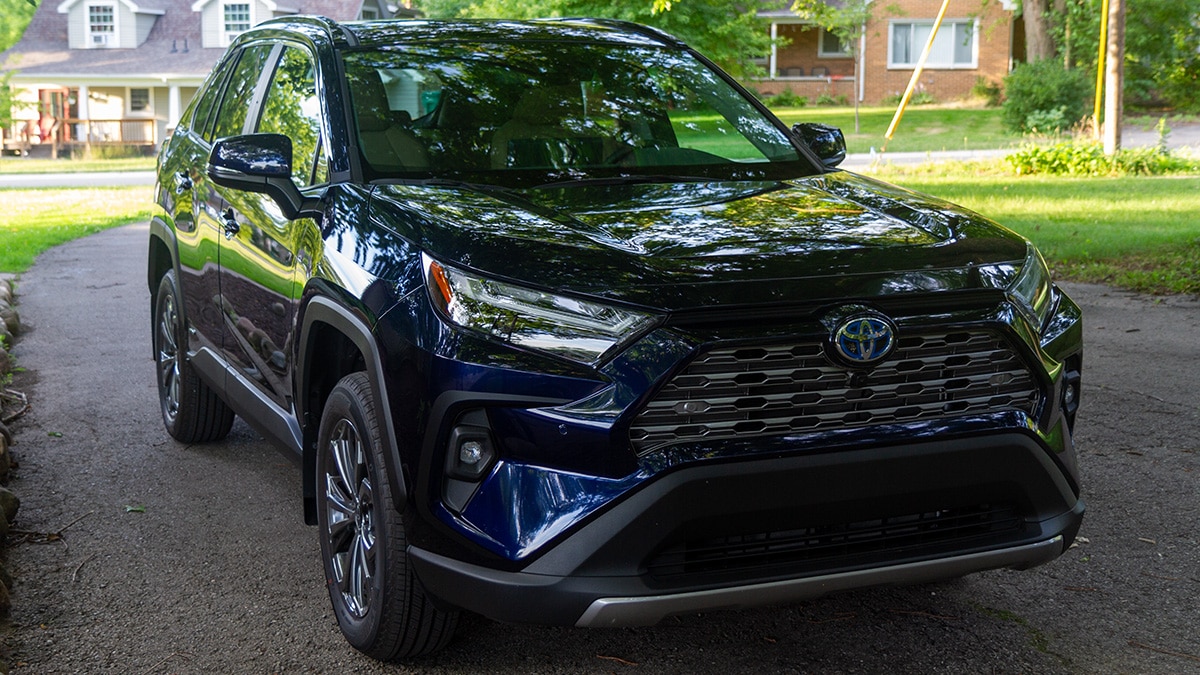
The Toyota RAV4 Hybrid is a popular choice known for its favorable insurance rates.
- Kia Niro Hybrid: Known for its excellent fuel economy and value.
- Ford Escape Hybrid: A popular compact SUV with good safety features.
- Honda CR-V Hybrid: Another strong contender in the compact SUV segment.
- Toyota RAV4 Hybrid: Often cited for its reliability and reasonable insurance costs.
- Toyota Prius: Historically one of the most affordable hybrids to insure due to its established market presence and repairability.
Compact hybrid sedans and small SUVs generally carry lower insurance premiums than luxury hybrids or larger, high-performance hybrid SUVs, primarily due to their lower sticker price and less expensive repair costs.
How to Secure the Best Hybrid Car Insurance Deal
Finding the ideal insurance policy for your hybrid requires a strategic approach. Follow these steps to compare effectively and ensure you're getting the best value:
1. Gather Comprehensive Details
Before you start quoting, have all necessary information ready: your vehicle's VIN, exact make, model, and year (confirming it's the hybrid variant), estimated annual mileage, current coverage limits, and a list of any safety features. Also, know your personal details such as driving history, age, and any previous claims.
2. Compare Quotes from Multiple Insurers
This is the single most important step. Insurance rates can vary by hundreds of dollars for the exact same coverage from different companies. Use online comparison tools or contact an independent insurance agent to get quotes from at least three to five providers. When comparing, ensure you are quoting identical coverage limits and deductibles for an accurate side-by-side comparison.
3. Explicitly Ask About Hybrid-Specific Discounts
Don't assume discounts will be automatically applied. During the quoting process, explicitly ask each insurer, "Do you offer a hybrid vehicle discount or an eco-friendly vehicle discount?" Also, inquire about specific telematics programs they offer and how much you can save by participating.
4. Enroll in Telematics Programs Immediately
If an insurer offers a usage-based insurance program, enroll on day one. Many of these programs offer an initial discount just for signing up, and then further savings are calculated based on your driving behavior over a short period. For most careful hybrid drivers, this is an easy win.
5. Bundle Your Insurance Policies
Always ask for a bundled quote if you have other insurance needs (home, renters, motorcycle, etc.). The multi-policy discount is often one of the largest available. This often provides significant savings across all your policies.
6. Adjust Deductibles Smartly
Increasing your deductible (the amount you pay out-of-pocket before your insurance kicks in for a claim) can lower your monthly premium. Only do this if you are comfortable and financially able to cover the higher deductible amount in the event of a claim.
7. Maintain a Flawless Driving Record
This cannot be overstated. A clean driving history with no accidents or traffic violations is the most significant factor in keeping your insurance premiums low, regardless of the vehicle type.
8. Re-shop Your Policy Periodically
Insurance rates and discount structures can change. Make it a practice to compare quotes from different providers every 6 to 12 months to ensure you're still getting the best available rate for your hybrid.
The Future of Hybrid Car Insurance
As hybrid and electric vehicle adoption continues to accelerate, the insurance industry is rapidly adapting. We can anticipate even more specialized policies, refined discount structures, and increased competition among insurers to attract eco-conscious drivers. Data collected from telematics programs will likely further personalize premiums, accurately reflecting the lower risk profile often associated with hybrid owners. The trend points towards a future where insuring your hybrid becomes even more transparent, tailored, and potentially more cost-effective relative to conventional cars.
Frequently Asked Questions
Conclusion: Drive Green, Save Smart
Owning a hybrid car offers numerous benefits, and with the right insurance strategy, you can amplify your savings and enjoy complete peace of mind. While the initial premium might seem slightly higher than for a conventional car, the array of green vehicle discounts, telematics programs, and bundling opportunities can often make hybrid insurance remarkably affordable. By diligently comparing quotes, asking informed questions, and leveraging every available discount, you can ensure your eco-friendly ride is protected by the best and most cost-effective insurance policy available in 2026. Drive green, drive smart, and let your insurance work for you.
