

Key Insights into the P0300 Diagnostic Code
- P0300 signals random or multiple cylinder misfires, requiring a broad diagnostic approach rather than focusing on a single cylinder.
- Ignition system components (spark plugs, coils, wires) and fuel delivery issues (injectors, pump, filter) are the most frequent culprits behind P0300 codes.
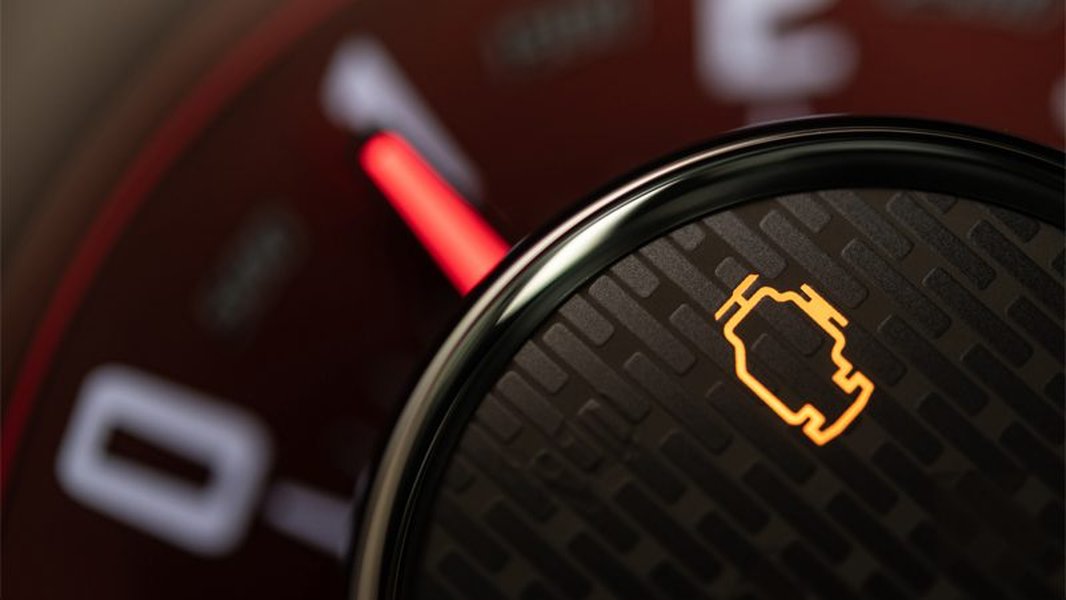
- A flashing check engine light indicates a severe misfire that could rapidly damage the catalytic converter, urging immediate attention.
What Does a P0300 Diagnostic Code Truly Mean?
The P0300 diagnostic code, formally known as "Random/Multiple Cylinder Misfire Detected," is a generic powertrain code applicable to all OBD-II compliant vehicles manufactured since 1996. Your car's Powertrain Control Module (PCM) or Engine Control Unit (ECU) triggers this code when it detects that one or more engine cylinders are not contributing their share of power during the combustion cycle. This occurs because the air-fuel mixture isn't igniting or burning correctly within the cylinder.
The PCM constantly monitors the crankshaft's rotation speed. During a successful combustion event, the crankshaft accelerates slightly. Conversely, a misfire causes a momentary deceleration. When the PCM observes these decelerations occurring randomly across different cylinders, or without a consistent pattern in one specific cylinder, it registers the P0300 code. This differentiates it from codes like P0301 (misfire in cylinder 1) or P0302 (misfire in cylinder 2), which point to an isolated issue.
The Critical Role of Combustion
At its core, an internal combustion engine relies on a precise sequence: air and fuel mix, are compressed, ignited by a spark, and then expand to drive a piston. A misfire interrupts this sequence, leading to incomplete combustion or no combustion at all. This inefficiency translates directly into noticeable performance problems and potential long-term damage.
Recognizing the Red Flags: Common Symptoms of P0300
Before you even connect an OBD-II scanner, your car will often exhibit several tell-tale signs of a misfire. These symptoms are your car's way of communicating distress and should prompt you to investigate further.
Performance and Driving Anomalies
- Rough Idle: Perhaps the most common symptom, your engine will shake, vibrate, or feel uneven while the vehicle is stopped or idling. It might feel like the engine is "loping" or struggling to maintain a steady RPM.
- Reduced Power and Acceleration: You may notice a significant loss of engine power, particularly during acceleration or when attempting to climb hills. The car might feel sluggish or unable to achieve its usual performance.
- Hesitation or Stumbling: While driving, the vehicle might jerk, stutter, or momentarily lose power, especially when you press the accelerator pedal. This can feel like a brief, intermittent loss of control.
- Decreased Fuel Economy: An engine with misfires is working harder and less efficiently. This often results in a noticeable drop in gas mileage, leading to more frequent trips to the fuel pump.
- Difficulty Starting: In some cases, persistent misfires can make the engine harder to start, requiring more cranking time or multiple attempts.
Auditory and Olfactory Clues
- Unusual Engine Noises: You might hear popping, coughing, or backfiring sounds coming from the exhaust or intake manifold, especially during acceleration or deceleration.
- Foul Exhaust Smell: Unburnt fuel exiting the exhaust system can produce a strong, unpleasant odor, sometimes described as a "rotten egg" smell if the catalytic converter is also being damaged.
"The P0300 code can be a master of disguise, presenting with a myriad of symptoms. It's crucial to pay attention to when and how these symptoms manifest, as they often provide valuable clues for diagnosis." - Automotive Expert, Sarah Jenkins
The Primary Culprits: Ignition and Fuel System Issues
When it comes to the P0300 diagnostic code, the vast majority of causes can be traced back to problems within either the ignition system or the fuel delivery system. These two systems are fundamental to proper combustion, and a fault in any of their components can quickly lead to misfires.
Ignition System Failures: Sparking Trouble
The ignition system's sole purpose is to create a powerful, precisely timed spark to ignite the air-fuel mixture within each cylinder. Any weakness or inconsistency in this spark will inevitably result in a misfire.
Worn or Fouled Spark Plugs
Spark plugs are often the first suspect. Over time, their electrodes wear down, and the gap between them can widen, making it harder for a strong spark to jump across. They can also become "fouled" with carbon deposits (from rich mixtures), oil (from engine wear), or fuel (from incomplete combustion), preventing proper spark delivery.
- Normal Wear: Plugs have a finite lifespan (30,000 to 100,000 miles, depending on type).
- Carbon Fouling: Black, sooty deposits indicate a rich air-fuel mixture.
- Oil Fouling: Oily, wet deposits often point to internal engine wear (like worn piston rings or valve seals).
- Overheating: White, blistered electrodes can suggest a lean mixture or incorrect plug heat range.
Faulty Ignition Coils or Coil Packs
Ignition coils transform low battery voltage into the thousands of volts needed to create a spark. If a coil is failing, it can't generate sufficient voltage, leading to a weak or absent spark. Modern vehicles often use "coil-on-plug" (COP) systems, where each cylinder has its own coil, making misfire diagnosis easier if a specific cylinder code is present. In older systems, a single coil might serve multiple cylinders via a distributor, or coil packs might serve pairs of cylinders.
- Symptoms: Engine hesitation, rough running, and often a flashing check engine light.
- Visual Cues: Look for cracks, burn marks, or corrosion on the coil body or connectors.
An array of ignition coils, often a common source of misfires when faulty.
Damaged Spark Plug Wires (Older Vehicles)
For vehicles with traditional distributor or coil pack systems, spark plug wires transfer high voltage from the coil to the plugs. Wires can degrade over time, cracking, fraying, or developing increased resistance, causing the spark energy to leak before it reaches the plug.
- Visible Arcing: In a dark environment, you might see small sparks "jumping" from damaged wires.
- High Resistance: Can be measured with a multimeter.
Fuel Delivery Problems: Starving the Engine
Just as crucial as a strong spark is the precise delivery of fuel. The engine requires the correct amount of fuel, at the right pressure, delivered at the optimal time to ensure efficient combustion. Issues in the fuel system can disrupt the air-fuel ratio, leading to lean conditions (too much air, not enough fuel) or rich conditions (too much fuel, not enough air), both of which cause misfires.
Clogged or Malfunctioning Fuel Injectors
Fuel injectors are precision components that atomize fuel into a fine mist directly into the combustion chamber or intake manifold. If an injector is clogged with deposits, electrically faulty, or has a poor spray pattern, it won't deliver the correct amount of fuel.
- Clogging: Most common issue, often due to fuel deposits.
- Electrical Failure: The solenoid that opens and closes the injector can fail.
- Leakage: Leaking injectors can cause rich conditions and hard starts.
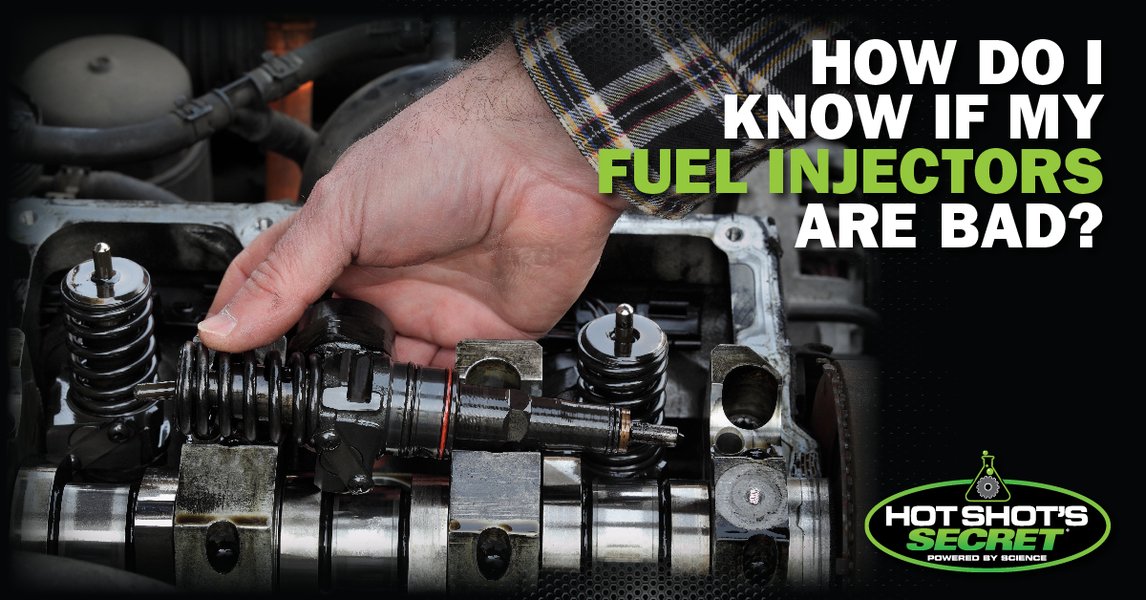
A fuel injector, a common component to inspect for optimal fuel delivery and to prevent misfires.
Weak Fuel Pump or Clogged Fuel Filter
The fuel pump moves fuel from the tank to the engine, maintaining the necessary pressure throughout the system. A weak pump cannot deliver enough fuel, especially under load (e.g., accelerating or going uphill), leading to misfires. A clogged fuel filter restricts the flow of fuel, effectively starving the engine. Regular fuel filter replacement is a key preventive measure.
- Symptoms of Low Fuel Pressure: Engine stumbles, hesitation under acceleration, hard starting (especially when warm), and misfires that worsen at higher RPMs.
- Auditory Clues: A failing fuel pump might make a whining noise from the fuel tank area.
Beyond Ignition and Fuel: Other Potential Causes of P0300
While ignition and fuel issues are the most frequent offenders, other problems can also trigger a P0300 diagnostic code. It's essential to consider these possibilities if initial diagnostics don't yield a clear solution.
Air and Vacuum Leaks
An engine's air-fuel mixture must be precisely controlled. Any unmetered air entering the intake system through a vacuum leak (e.g., cracked hoses, faulty intake manifold gaskets) can lean out the mixture, causing misfires that often manifest randomly across cylinders.
Internal Engine Mechanical Problems
Mechanical issues within the engine itself can severely impact its ability to compress the air-fuel mixture, leading to misfires. These are generally more serious and costly to repair.
- Low Engine Compression: Can be caused by worn piston rings, damaged valves (burnt, bent), or a blown head gasket. A cylinder with low compression cannot generate enough pressure for efficient combustion.
- Valve Train Issues: Problems with hydraulic lifters, camshafts, or rocker arms can affect valve timing, preventing proper air intake or exhaust expulsion.
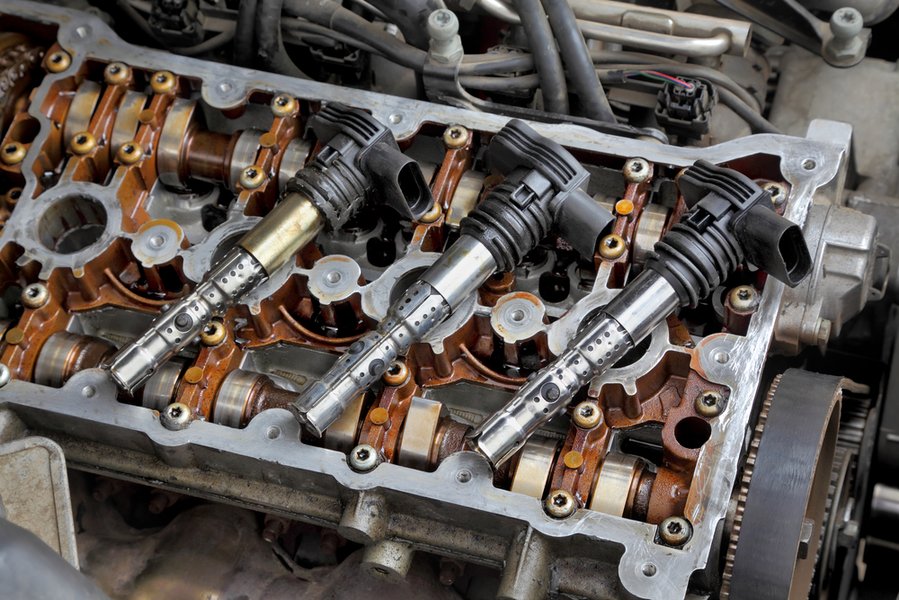
The complex network of engine components, where even small issues can lead to a P0300 code.
Faulty Sensors
Modern engines rely on an array of sensors to provide data to the PCM for precise control. If these sensors provide inaccurate information, the PCM can make incorrect adjustments, leading to misfires.
- Mass Air Flow (MAF) Sensor: Measures the amount of air entering the engine. A faulty MAF can cause the PCM to calculate an incorrect fuel delivery.
- Oxygen Sensors (O2 Sensors): Monitor the oxygen content in the exhaust, influencing fuel trim adjustments. Inaccurate readings can lead to excessively rich or lean conditions.
- Crankshaft Position (CKP) and Camshaft Position (CMP) Sensors: These sensors tell the PCM the exact position of the crankshaft and camshaft, which is crucial for ignition timing and fuel injection. Faulty readings can cause mistimed sparks or injections.
Exhaust System Restrictions
A severely clogged catalytic converter or muffler can create excessive back pressure in the exhaust system. This prevents exhaust gases from exiting the cylinders efficiently, which in turn hinders the intake of fresh air, leading to misfires.
Engine Control Unit (ECU/PCM) Malfunction
Though less common, a faulty PCM itself can be the source of a P0300 code. It might incorrectly interpret sensor data, fail to properly control ignition or fuel systems, or have internal hardware issues. This is usually diagnosed as a last resort after all other possibilities have been ruled out.
The Diagnostic Toolkit: Essential Tools and Techniques
Diagnosing a P0300 diagnostic code effectively requires a methodical approach and the right set of tools. Attempting to guess the cause and replace parts indiscriminately (often called "throwing parts at the problem") can be expensive and frustrating. Here’s what you’ll need and how to use it:
Fundamental Diagnostic Instruments
- OBD-II Scanner: This is your primary diagnostic tool. It reads trouble codes, allows you to view live data streams (like RPM, fuel trims, sensor readings), and often perform basic functions like clearing codes. An advanced scanner can also perform misfire counters to identify which cylinder is currently misfiring most frequently, even if no specific P030X code is set.
- Multimeter: Essential for electrical testing. Use it to check resistance (e.g., on ignition coils, spark plug wires, injectors), voltage (e.g., sensor signals, power supply), and continuity (e.g., in wiring harnesses).
- Fuel Pressure Gauge: Connects to the fuel rail to accurately measure fuel system pressure. This is indispensable for diagnosing fuel pump and regulator issues.
- Spark Tester: A simple tool that lets you check for the presence and strength of a spark at the spark plug wire or coil.
- Compression Tester: Measures the pressure inside each cylinder, vital for identifying mechanical engine problems like worn rings or valves.
- Vacuum Gauge: Connects to a vacuum port on the intake manifold to measure engine vacuum. Abnormal readings can indicate vacuum leaks, exhaust restrictions, or internal engine problems.
- Noid Light Set: These are small lights that plug into fuel injector connectors to visually confirm if the PCM is sending the electrical pulse to activate the injector.
- Basic Hand Tools: A set of wrenches, sockets, screwdrivers, and pliers will be necessary for accessing components.
- Safety Gear: Always wear safety glasses and gloves when working on a vehicle.
Advanced Diagnostic Techniques for P0300
Once you have your tools, employing systematic techniques will help you narrow down the root cause.
- Live Data Analysis: Using your OBD-II scanner, monitor live data parameters while the engine is running. Pay close attention to:
- Fuel Trims (Short Term Fuel Trim - STFT, Long Term Fuel Trim - LTFT): These indicate how the PCM is adjusting fuel delivery. Positive numbers suggest the PCM is adding fuel (compensating for a lean condition), while negative numbers suggest it's removing fuel (compensating for a rich condition). Significant positive trims often point to vacuum leaks or low fuel pressure.
- Oxygen Sensor Readings: Consistent readings can indicate a healthy air-fuel ratio. Erratic or stagnant readings can point to a sensor fault or severe mixture problem.
- MAF Sensor Readings: Compare the MAF sensor readings to manufacturer specifications or expected values.
- Misfire Counters: Many scanners can display individual cylinder misfire counts, which can help identify specific problem cylinders, even if a generic P0300 is the only code set.
- Cylinder Kill/Balance Test: Some advanced scan tools allow you to temporarily "kill" (deactivate) individual cylinders by cutting fuel or spark. By observing the change in engine RPM or roughness, you can identify cylinders that are already misfiring badly (as killing them will cause little to no change in engine performance).
- Ignition Coil Swap Test: If you suspect a faulty ignition coil and have a specific cylinder misfire code (e.g., P0301), swap the coil from the misfiring cylinder with one from a known good cylinder. If the misfire code follows the coil to the new cylinder, you've identified the faulty coil.
- Infrared (IR) Thermometer: A classic trick is to use an IR thermometer to measure the temperature of each exhaust manifold runner near the cylinder head. A misfiring cylinder will have a significantly colder exhaust runner because no combustion (or incomplete combustion) is occurring, thus generating less heat.
This video provides practical, DIY steps for diagnosing and fixing engine misfires, including understanding the P0300 code. It covers basic checks and tools, offering a visual guide to the diagnostic process.
Step-by-Step Diagnostic Approach for P0300
Here's a systematic guide to help you pinpoint the cause of your P0300 diagnostic code, starting with the most common and easiest-to-check issues.
Phase 1: Initial Assessment and Code Retrieval
Step 1: Connect OBD-II Scanner and Retrieve Codes
Plug your OBD-II scanner into the diagnostic port (usually under the dashboard). Turn the ignition to the "on" position (engine off). Read all stored codes. Note down the P0300 and any other accompanying codes (e.g., P0301, P0171). These additional codes are crucial clues.
Step 2: Check Freeze Frame Data and Live Data
Examine the freeze frame data, which captures engine conditions (RPM, engine load, temperature, fuel trims) at the moment the P0300 code was set. Then, start the engine and monitor live data, focusing on misfire counts for each cylinder, fuel trims, and O2 sensor readings. This can help identify cylinders with higher misfire rates or confirm a lean/rich condition.
Phase 2: Investigating the Ignition System
Step 3: Inspect Spark Plugs
With the engine off and cool, carefully remove each spark plug. Inspect its condition:
- Wear: Are the electrodes excessively rounded or worn down?
- Fouling: Is there carbon (black), oil (wet, shiny), or fuel (wet, gasoline smell) buildup?
- Color: A healthy plug typically has a light tan or grayish-white insulator tip.
- Gap: Use a spark plug gap tool or feeler gauge to ensure the gap matches manufacturer specifications.
Replace any worn or fouled plugs.
Step 4: Test Ignition Coils and Wires (if applicable)
For COP systems, if misfire data points to a specific cylinder, perform the coil swap test described earlier. For systems with plug wires, visually inspect them for cracks, burns, or signs of arcing. You can also use a multimeter to check the resistance of coils and wires against manufacturer specs.
Phase 3: Diagnosing the Fuel Delivery System
Step 5: Check Fuel Pressure
Connect a fuel pressure gauge to the service port on the fuel rail. Key on, engine off: observe initial pressure. Then, start the engine and note the running pressure (at idle and under light acceleration). Compare these readings to your vehicle's service manual specifications. Low pressure could indicate a weak fuel pump or clogged filter; high pressure could mean a faulty regulator.
Step 6: Inspect Fuel Filter and Injectors
Locate your fuel filter and check its service history. If it's overdue or suspected to be clogged, replace it. For injectors, use a noid light to ensure they are receiving an electrical pulse from the PCM. If live data shows consistent electrical signals, but misfires persist, the injector itself might be mechanically clogged or faulty. Professional cleaning or replacement may be necessary.
Phase 4: Checking Other Systems (If Issues Persist)
Step 7: Check for Vacuum Leaks
Listen for hissing sounds around the intake manifold, vacuum hoses, and throttle body. You can also carefully spray unlit propane or carburetor cleaner around suspected areas; if the engine RPM changes, you've found a leak.
Step 8: Perform a Compression Test
If all other checks fail, a compression test is crucial. Remove all spark plugs, disable fuel injection and ignition, and crank the engine while measuring the compression in each cylinder. Compare readings to manufacturer specifications. Significant variation (more than 10-15%) between cylinders or excessively low readings point to internal engine mechanical problems.
Step 9: Test Sensors
Using your OBD-II scanner, monitor live data from the MAF, O2, CKP, and CMP sensors. Look for erratic readings or values outside of their normal operating ranges. If a sensor is suspected, further testing with a multimeter may be required to confirm its fault.
"A P0300 diagnosis is often a process of elimination. Start with the simplest, most common problems and systematically work your way through the possibilities. Patience is key." - Master Technician, Mark Harrison
Resolving the P0300 Code: Repairs and Solutions
Once you've identified the root cause of the P0300 diagnostic code, implementing the correct repair is crucial. Many common issues are DIY-friendly, while others may require professional expertise.
Common Repairs and Their Costs
- Spark Plug Replacement: One of the most affordable fixes, typically costing $20-$100 for a full set of plugs, plus potentially simple hand tools if doing it yourself.
- Ignition Coil Replacement: Coils can range from $40-$150 each. If you have a coil-on-plug system and identify a single faulty coil, replacement is relatively straightforward.
- Spark Plug Wire Replacement: A set of high-quality wires usually costs $30-$80.
- Fuel Filter Replacement: Filters are inexpensive, often $10-$40, and can be a DIY job on many vehicles.
- Fuel Injector Cleaning/Replacement: Professional injector cleaning can cost $100-$300. Replacement injectors range from $50-$200+ each.
- Fuel Pump Replacement: This is a more significant repair, with parts costing $150-$500+ and labor often adding several hundred dollars, as it can involve dropping the fuel tank.
- Vacuum Leak Repair: Can be as simple as replacing a cracked hose ($5-$20) or as complex as replacing an intake manifold gasket ($50-$200+ for parts, plus significant labor).
- Sensor Replacement (MAF, O2, CKP/CMP): Sensor costs vary widely, from $50-$300+, plus labor if you're not comfortable replacing them yourself.
- Internal Engine Repairs: Issues like worn piston rings, damaged valves, or a blown head gasket represent major engine work and can cost thousands of dollars, making professional assistance almost always necessary.
Prevention is Key: Avoiding Future Misfires
The best way to deal with a P0300 diagnostic code is to prevent it from happening in the first place. Regular, proactive maintenance can significantly reduce your chances of encountering random cylinder misfires.
- Follow Manufacturer's Maintenance Schedule: Adhere to the recommended intervals for spark plug replacement, fuel filter changes, and other routine services. These intervals are designed to prevent component degradation from causing issues.
- Use Quality Fuel: Always use the recommended octane fuel from reputable stations. Quality fuel helps prevent deposit buildup in the fuel system, particularly in injectors.
- Consider Fuel System Cleaners: Periodically (e.g., every few oil changes), use a high-quality fuel system cleaner that can help remove deposits from injectors and combustion chambers.
- Regular Engine Tune-ups: Beyond just oil changes, ensure your vehicle receives comprehensive tune-ups that include inspection of ignition coils, wires, and other related components.
- Address Other Diagnostic Codes Promptly: Don't ignore less severe "pending" codes or other check engine light illuminations. A minor issue, like a slightly lean condition, can eventually escalate into a P0300 if left unaddressed.
- Keep the Fuel Tank Adequately Full: Running your fuel tank consistently low can put extra strain on the fuel pump and allow sediment to be drawn into the fuel system.
When to Call in the Professionals
While many aspects of diagnosing and fixing a P0300 diagnostic code can be tackled by a capable DIYer, there are times when professional help is not just advisable, but necessary. Don't hesitate to consult a qualified mechanic if:
- The Check Engine Light is Flashing: This indicates a severe misfire that needs immediate attention to prevent catalytic converter damage.
- You've Replaced Common Parts Without Success: If new spark plugs, coils, and fuel filters haven't resolved the issue, the problem is likely more complex.
- Diagnostic Tests Point to Mechanical Failure: Low compression readings or valve train issues require specialized tools and extensive engine work.
- You're Uncomfortable with the Diagnosis or Repair: Safety is paramount. If you're uncertain about any step, a professional can ensure the job is done correctly and safely.
- Intermittent Problems Persist: Misfires that come and go, especially without clear patterns, can be challenging to diagnose without advanced equipment and experience.
- Specialized Diagnostic Equipment is Required: Some issues demand advanced oscilloscopes, smoke machines (for vacuum leaks), or in-depth scan tool analysis that goes beyond basic code reading.
"Don't just randomly replace parts hoping to fix a P0300. A systematic diagnostic approach saves time, money, and prevents unnecessary frustration. Sometimes, the simplest solution is overlooked." - Automotive Technician, David Chen
FAQs About the P0300 Code
Conclusion: Smooth Running Ahead
The P0300 diagnostic code, indicating random or multiple cylinder misfires, is a common but often perplexing issue for vehicle owners. While it doesn't point to a single cylinder, a systematic diagnostic approach, focusing primarily on the ignition and fuel delivery systems, can effectively uncover the root cause. From worn spark plugs and failing ignition coils to clogged fuel injectors and weak fuel pumps, understanding the symptoms and utilizing the right diagnostic tools are critical steps.
Remember that a flashing check engine light demands immediate attention due to the risk of catalytic converter damage. By applying the step-by-step guidance provided, you can confidently diagnose many common misfire causes. For more complex mechanical issues or if you're unsure about any step, don't hesitate to seek the expertise of a qualified professional. Proactive maintenance and timely repairs are your best defense against the P0300 code, ensuring your vehicle runs smoothly, efficiently, and reliably for years to come.
