

Get your vehicle winter-ready with our comprehensive guide, ensuring safety, reliability, and peace of mind on frosty roads.
Key Takeaways for Winter Car Readiness
- Battery Health is Paramount: Cold temperatures drastically reduce battery efficiency; proactive testing and maintenance are crucial to prevent inconvenient breakdowns.
- Tires are Your Lifeline: Proper tread depth, accurate pressure, and considering winter-specific tires significantly enhance traction and safety on slippery surfaces.
- Fluids Matter: Ensure all essential fluids, from engine oil to washer fluid, are at the correct levels and formulated for cold weather to protect vital components.
Winter brings unique challenges to drivers, from icy roads to frigid temperatures. These conditions don't just make driving more difficult; they put immense strain on your vehicle. Preparing your car for winter isn't merely a suggestion; it's a necessity for your safety, the longevity of your vehicle, and your peace of mind. A little proactive maintenance can prevent costly repairs, dangerous breakdowns, and stressful situations.
This in-depth guide is designed to equip you with all the knowledge you need to winterize your car effectively. We'll walk you through crucial maintenance tasks, recommend essential products, share vital safety tips, and even show you how to save money while getting your car ready for the harshest months of the year.
Why Winter Car Preparation is Non-Negotiable
The colder months reveal any weaknesses in your vehicle. Batteries struggle to start engines, tires lose grip, and fluids can thicken or even freeze. Without proper preparation, these issues can lead to dangerous scenarios and expensive repairs. Data from automotive safety experts highlight that a significant percentage of vehicle accidents occur during winter weather, underscoring the importance of a well-prepared vehicle.
"Winter doesn't cause problems; it exposes them. A proactive approach to car care can save you from a major headache when temperatures drop."
By investing a few hours in winterization, you actively mitigate risks such as:
- Being stranded in sub-zero temperatures due to a dead battery.
- Losing control on icy roads because of inadequate tire traction.
- Reduced visibility from compromised wiper blades or frozen washer fluid.
- Damage to engine components from fluids that aren't winter-ready.
- Corrosion and rust exacerbated by road salt and moisture.
Your Definitive Winter Car Preparation Checklist
Follow this detailed, step-by-step checklist to ensure your vehicle is fully equipped to handle whatever winter conditions come your way. The ideal time to complete these tasks is before the first frost, giving you ample time to address any issues.
1. Battery Performance: The Heart of Your Winter Start
Your car's battery is arguably the most vulnerable component in cold weather. Low temperatures dramatically reduce its cranking power while requiring more energy to turn over a cold engine.
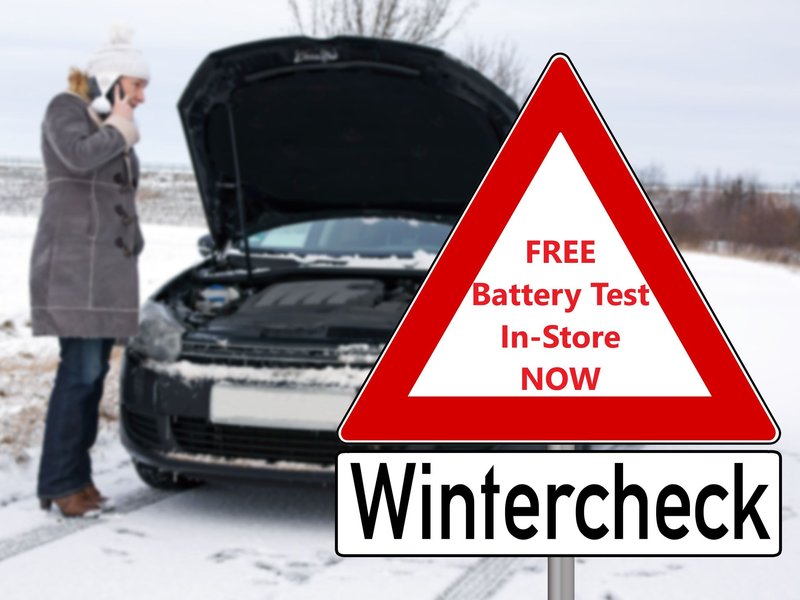
Ensure your battery is in top condition by having it tested before winter.
What You Need to Do:
- Professional Testing: Have your battery tested by a professional. Most auto parts stores offer this service for free. This test assesses its remaining capacity and cold-cranking amps (CCA).
- Clean Terminals: Inspect battery terminals for corrosion, which appears as a white or bluish-green powdery substance. Clean them thoroughly with a wire brush and a mixture of baking soda and water.
- Secure Connections: Ensure all battery cable connections are tight and free from movement.
- Age Matters: If your battery is more than 3-5 years old, consider replacing it proactively. Modern batteries often fail without warning.
- Portable Jump Starter: Invest in a reliable portable jump starter. This can be a lifesaver if your battery unexpectedly fails, especially in remote areas.
2. Tires: Your Only Connection to the Road
Tires are critical for safety, providing the necessary grip for acceleration, braking, and steering. Their performance is severely impacted by cold temperatures, snow, and ice.
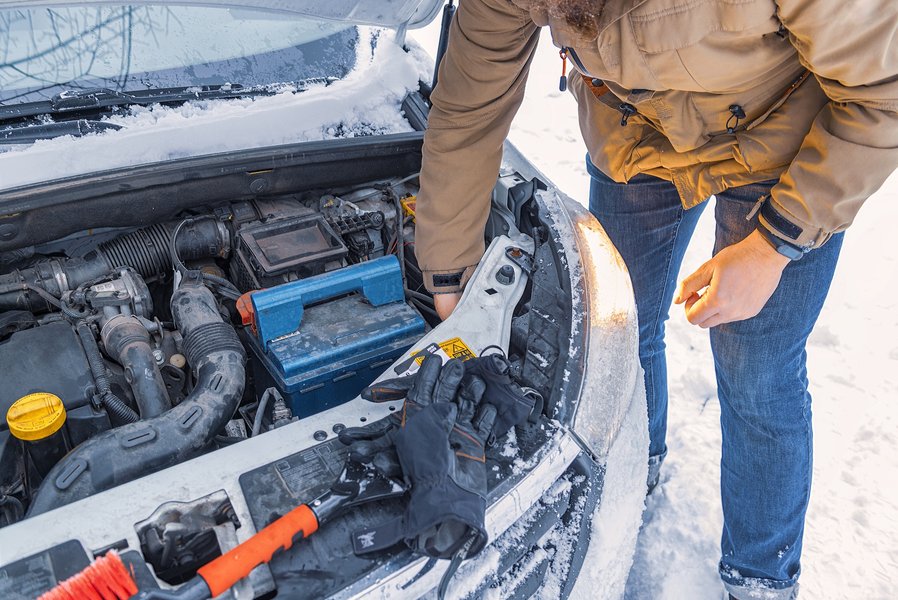
Proper tire inspection and maintenance are crucial for safe winter driving.
What You Need to Do:
- Tread Depth Check: Use the "penny test." Insert a penny into the tire tread with Lincoln's head upside down. If you can see his entire head, your tread is too shallow for winter conditions (aim for at least 4/32" for optimal winter grip).
- Inspect for Damage: Look for any uneven wear, cuts, cracks, or bulges in the tire walls.
- Maintain Proper Pressure: Tire pressure drops approximately 1 PSI for every 10°F decrease in temperature. Check your tire pressure monthly (when tires are cold) and inflate to the manufacturer's recommended PSI, found on a sticker inside the driver's side door jamb or in your owner's manual.
- Consider Winter Tires: If you live in an area with severe winter weather, switching to dedicated winter/snow tires is highly recommended. Their specialized rubber compounds and tread patterns offer superior traction and braking performance in cold temperatures, snow, and ice compared to all-season tires.
Winter Tire Options & Considerations Tire Type Best For Key Characteristics Pros Cons Winter/Snow Tires Severe snow, ice, and consistent sub-freezing temperatures Soft rubber compound, deep aggressive treads, sipes Superior grip, shorter braking distances in winter conditions Require seasonal changeover, can wear faster in warm weather, higher initial cost All-Season Tires Mild winters, occasional light snow Harder rubber compound, balanced tread for various conditions Year-round use, no seasonal changeover Reduced performance in heavy snow and ice compared to winter tires Studded Winter Tires Extreme ice conditions Metal studs embedded in tread Exceptional grip on black ice Can be noisy, reduced grip on clear roads, regulated by local laws Tire Chains/Snow Socks Emergency traction in deep snow or icy inclines Metal chains or fabric covers for temporary use Provide excellent temporary traction, compact storage Speed limitations, difficult to install in harsh weather, may damage roads if used improperly
3. Fluids: The Lifeblood of Your Vehicle
| Tire Type | Best For | Key Characteristics | Pros | Cons |
|---|---|---|---|---|
| Winter/Snow Tires | Severe snow, ice, and consistent sub-freezing temperatures | Soft rubber compound, deep aggressive treads, sipes | Superior grip, shorter braking distances in winter conditions | Require seasonal changeover, can wear faster in warm weather, higher initial cost |
| All-Season Tires | Mild winters, occasional light snow | Harder rubber compound, balanced tread for various conditions | Year-round use, no seasonal changeover | Reduced performance in heavy snow and ice compared to winter tires |
| Studded Winter Tires | Extreme ice conditions | Metal studs embedded in tread | Exceptional grip on black ice | Can be noisy, reduced grip on clear roads, regulated by local laws |
| Tire Chains/Snow Socks | Emergency traction in deep snow or icy inclines | Metal chains or fabric covers for temporary use | Provide excellent temporary traction, compact storage | Speed limitations, difficult to install in harsh weather, may damage roads if used improperly |
Cold weather can significantly impact your car's various fluids, from thickening engine oil to freezing washer fluid. Ensuring they are at the correct levels and formulations is crucial for winter performance and protection.
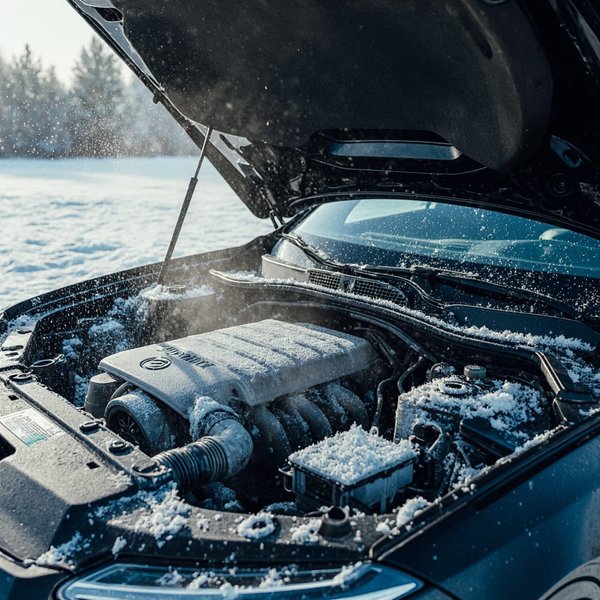
Engine components rely on proper fluid levels and quality for optimal cold-weather function.
What to Check and Change:
- Engine Oil: Consult your owner's manual for the recommended winter-grade oil viscosity (e.g., 5W-30 or 0W-20). Thinner oil flows more easily in cold temperatures, reducing engine wear during startup. Change your oil if it's due.
- Coolant/Antifreeze: The cooling system needs a proper 50/50 mixture of antifreeze and distilled water to prevent freezing in winter and overheating in summer. Check the coolant level in the overflow reservoir when the engine is cold. If you're unsure of the mixture's protection level, a mechanic can test it. Never open a hot radiator cap.
- Windshield Washer Fluid: This is non-negotiable. Fill your reservoir with a winter-specific washer fluid that contains de-icers and is rated for very low temperatures (e.g., -20°F or lower). Never dilute it with plain water, which will freeze in your lines and nozzles. Keep an extra jug in your trunk.
- Brake Fluid: Check the brake fluid level and condition. If it's low or appears dark, have it inspected by a professional.
- Power Steering and Transmission Fluid: Check these levels according to your owner's manual. Low fluid levels can affect performance, especially in extreme cold.
- Fuel Tank: Keep your fuel tank at least half full to prevent condensation from forming in the tank and freezing in the fuel lines. It also provides extra weight for traction and a heat source if you get stranded.
4. Visibility Systems: See Clearly, Drive Safely
Shorter daylight hours, snowfall, and icy conditions make clear visibility paramount. Your wiper blades, lights, and defrosting systems must be in perfect working order.
A frosty morning underscores the importance of clear visibility for safe driving.
What to Inspect:
- Wiper Blades: Replace worn or streaky wiper blades with new ones, ideally before winter. Consider winter-specific wiper blades that have a rubber shroud to prevent ice and snow buildup, maintaining consistent contact with the windshield.
- Heater and Defroster: Test your heater and both front and rear defrosters to ensure they are working efficiently. A properly functioning defroster is vital for quickly clearing fogged or frosted windows.
- All Lights: Check all exterior lights: headlights (high and low beams), tail lights, brake lights, turn signals, and emergency flashers. Replace any burnt-out bulbs. Clean hazy or yellowed headlight lenses, which can significantly reduce light output.
- Cabin Air Filter: A clean cabin air filter improves the efficiency of your HVAC system, helping with defogging and ensuring fresh air.
5. Brakes and Control Systems: Stopping Power on Slippery Surfaces
Braking distances increase dramatically on wet, snowy, or icy roads. Your brake system must be in optimal condition for maximum safety.
What to Check:
- Brake Inspection: Have your brakes professionally inspected. Technicians will check pad thickness, rotor condition, and brake lines for wear or leaks.
- Listen for Warnings: Pay attention to any squealing, grinding, or pulsing sensations, which are indicators of brake issues.
- ABS Test: In a safe, empty, and snow-covered parking lot, gently apply your brakes to activate the Anti-lock Braking System (ABS). This helps you understand its feel and confirms it's functioning.
- Parking Brake: Ensure your parking brake engages and releases smoothly. A frozen parking brake cable can be a real nuisance.
6. Belts, Hoses, and Engine Bay Integrity
Cold weather can make rubber and plastic components brittle, leading to cracks and leaks that might not be apparent in warmer temperatures.
What to Look For:
- Belts: Inspect all belts (serpentine, timing) for cracks, fraying, or glazing. Worn belts can snap, leading to loss of power steering, alternator, or water pump function.
- Hoses: Check coolant hoses, heater hoses, and other rubber hoses for cracks, bulges, or softness. Squeeze them gently; they should be firm, not mushy.
- Leaks: Look for any signs of fluid leaks around the engine bay or underneath the car. Address any leaks promptly.
7. Exterior and Interior Protection: Guard Against Winter's Elements
Road salt, slush, and constant moisture can wreak havoc on your vehicle's exterior, leading to rust and corrosion. Protecting your car inside and out helps preserve its appearance and value.
Protective Measures:
- Wax Application: Apply a fresh coat of wax or a durable sealant to your car's exterior before winter. This creates a protective barrier against road salt, grime, and moisture.
- Frequent Washing: Wash your car regularly throughout the winter, especially after driving on salted roads. Pay extra attention to the undercarriage with an underbody rinse to remove corrosive materials.
- Door and Trunk Seals: Clean and apply a silicone-based lubricant to rubber door and trunk seals. This prevents them from freezing and sticking to the car body, reducing the risk of tearing.
- Lock Lubrication: Lubricate door locks with a graphite or silicone-based lubricant to prevent them from freezing.
- Floor Mats: Use heavy-duty rubber floor mats to protect your car's carpets from snow, slush, and salt stains.
Build Your Indispensable Winter Emergency Kit
Even with the most thorough preparation, breakdowns and unforeseen circumstances can occur. A well-stocked winter emergency kit is your safety net, potentially turning a perilous situation into a manageable inconvenience.
"A winter emergency kit isn't just about what you need; it's about what you might desperately need when help is hours away."
Essential Items for Your Winter Car Kit:
- Ice Scraper and Snow Brush: Crucial for clearing windows and lights before driving.
- Portable Jump Starter or Jumper Cables: To revive a dead battery. A portable unit is safer and more convenient than relying on another vehicle.
- Traction Aids: A bag of sand, non-clumping cat litter, or traction mats to help get unstuck from snow or ice.
- Collapsible Shovel: For digging out tires or clearing snow around the vehicle.
- Warmth: Blankets, sleeping bags, extra hats, gloves, socks, and hand warmers to stay warm if stranded.
- Light Source: A flashlight or headlamp with extra batteries (LED is preferred for longer life).
- First-Aid Kit: Stocked with essentials for minor injuries.
- Non-Perishable Food and Water: Energy bars, nuts, and water (consider freeze-proof pouches) for sustenance.
- Communication: A fully charged cell phone and a portable power bank/charger.
- Visibility Gear: Roadside flares or reflective triangles to alert other drivers to your presence.
- Basic Tools: A multi-tool, screwdriver, and adjustable wrench for minor repairs.
Tip: Store your emergency kit in the cabin of your vehicle, not just the trunk, in case the trunk is inaccessible due to ice or snow, or if you're stuck in deep snow.
Mastering Winter Driving Techniques
Even a perfectly winterized car requires a skilled driver to navigate challenging conditions safely. Adapting your driving style to winter is as important as preparing your vehicle.
Before You Drive:
- Check Conditions: Always check weather and road conditions before heading out. If conditions are severe, consider postponing non-essential travel.
- Clear All Snow and Ice: Completely clear snow and ice from your entire vehicle – windows, mirrors, lights, hood, and roof. Snow flying off your car can dangerously obstruct other drivers' views.
- Plan Your Route: Allow extra time for your journey and choose main roads, which are typically plowed and treated first.
While Driving:
- Reduce Speed: The most crucial rule. Drive significantly slower than the posted speed limit, especially on potentially icy or snow-covered surfaces.
- Increase Following Distance: Double or even triple your normal following distance to allow ample time for braking.
- Smooth Inputs: Avoid sudden acceleration, hard braking, or sharp steering movements, which can easily cause a skid.
- Brake Gently: Use gentle, progressive pressure on the brake pedal. If your car has ABS, you may feel a pulsing sensation; continue to apply firm, steady pressure.
- Use Low Gears: On hills, use a lower gear for better engine braking and control, both uphill and downhill.
- No Cruise Control: Never use cruise control on slippery roads. If your vehicle loses traction, the system may accelerate, making it harder to regain control.
- Watch for Black Ice: Be especially wary of black ice, which is nearly invisible and often forms on bridges, overpasses, and shaded areas.
If You Get Stranded:
- Stay with Your Vehicle: Unless help is clearly visible and close by, stay in your car for warmth and safety.
- Ensure Exhaust is Clear: If running the engine for heat, make sure the exhaust pipe is completely clear of snow to prevent carbon monoxide poisoning.
- Visibility: Turn on your hazard lights and use roadside flares or reflective triangles to make your vehicle visible to others.
- Conserve Fuel: Run your engine intermittently for heat (e.g., 10 minutes every hour) to conserve fuel.
- Ventilation: Crack a window slightly for fresh air, even when running the engine.
Cost-Saving Strategies for Winter Preparation
Winterizing your car doesn't have to be a budget-breaker. Smart choices and timely action can save you money while keeping you safe.
Smart Money-Saving Tips:
- DIY Where Possible: Many tasks like checking fluid levels, replacing wiper blades, cleaning battery terminals, and checking tire pressure are easy DIY projects that save on labor costs.
- Shop Sales: Look for sales on winter car products (wiper blades, washer fluid, ice scrapers, anti-corrosion sprays) during the fall months. Retailers often offer discounts and promotions.
- Bundle Services: If you need professional help, ask your mechanic about winter service packages that bundle inspections, oil changes, and fluid checks at a reduced rate.
- Preventive Maintenance: Addressing small issues before winter strikes can prevent larger, more expensive problems down the line. A $50 battery test is far cheaper than a tow and a new battery in the middle of a snowstorm.
- Consider Your Climate: Tailor your preparations to your local climate. Drivers in mild winter regions might not need dedicated winter tires, but everyone benefits from a solid emergency kit and fluid checks.
Product Recommendations for Enhanced Winter Safety
Investing in quality winter products can make a significant difference in your safety and comfort. Here are some highly-rated essentials for 2026, based on expert reviews and consumer feedback:
Top Picks for Winter Car Gear:
- Portable Jump Starter: NOCO Boost Plus GB40 or Gooloo GP2000. Compact, powerful, and often include USB charging ports.
- Winter Wiper Blades: Bosch ICON, Rain-X Latitude, or PIAA Super Silicone. Designed to resist ice buildup and provide streak-free wipes.
- All-Weather Floor Mats: WeatherTech or Husky Liners. Offer superior protection against salt, snow, and slush.
- Snow/Ice Scraper: Hopkins SubZero Auto Emergency Kit. Durable with a sturdy brush and ice-breaking capabilities.
- De-icing Windshield Washer Fluid: Prestone De-Icer or Rain-X De-Icer. Rated for extremely low temperatures to prevent freezing and aid in de-icing.
- Traction Mats: MAXTRAX or X-BULL Recovery Boards. Effective for self-recovery if stuck in snow or mud.
- Heated Car Blanket: Stalwart Heated Car Blanket. Provides essential warmth if your car's heater fails or you're stranded.
Note: As an AI assistant, I don't directly facilitate affiliate sales. However, researching these products through reputable retailers like Amazon, Discount Tire, AutoZone, or specific automotive accessory sites can provide purchasing options.
Frequently Asked Questions About Winter Car Prep
Conclusion: Drive Safely and Confidently This Winter
Preparing your car for winter might seem like a daunting task, but breaking it down into manageable steps makes it achievable and incredibly rewarding. By proactively addressing key maintenance areas, equipping yourself with a comprehensive emergency kit, and adopting safe driving habits, you significantly enhance your safety and the reliability of your vehicle.
Remember, winterization is an investment in your safety and your vehicle's longevity. Don't wait for the first snowflake to fall; start your preparations today. A well-prepared car and a cautious driver are the best defense against winter's unpredictable conditions. Drive safe, stay warm, and enjoy the winter season with confidence!
