

Unraveling the mystery of a P0520 code to protect your engine from costly damage.
- Immediate Action Required: A P0520 code demands prompt attention; distinguish between a faulty sensor and genuine low oil pressure to prevent catastrophic engine damage.
- Mechanical Test is Key: Always perform a mechanical oil pressure test to verify actual engine oil pressure before assuming the issue is just an electrical malfunction.
- Common Culprits: Most P0520 codes stem from a faulty oil pressure sensor or wiring issues, but always rule out critical mechanical problems first.
The P0520 oil pressure code signals a malfunction in your vehicle's engine oil pressure sensor or switch circuit. This means your powertrain control module (PCM) has detected an unexpected voltage signal. It's crucial to understand that this code doesn't automatically imply your engine has dangerously low oil pressure; it often points to a problem with the sensor itself or its associated wiring. However, always prioritize verifying actual oil pressure to prevent severe engine damage.
Critical Safety Warning: Never Ignore Oil Pressure Issues!
A P0520 oil pressure code can be a minor electrical issue, but it can also mask a severe mechanical problem like dangerously low oil pressure. Driving with actual low oil pressure can lead to catastrophic engine damage, requiring costly repairs or even a complete engine replacement. If you notice a red oil light, hear ticking or knocking noises, or the gauge reads 0 PSI, shut the engine off immediately and have the vehicle towed to a repair facility. Always diagnose and address this code promptly.
What Exactly Does the P0520 Code Mean for Your Vehicle?
The P0520 code, formally defined as "Engine Oil Pressure Sensor/Switch Circuit Malfunction," is a generic Diagnostic Trouble Code (DTC) indicating an anomaly within the engine oil pressure sensor or its electrical circuit. This sensor, sometimes referred to as an oil pressure sending unit, constantly monitors the pressure of the engine oil. It converts this mechanical pressure into an electrical signal that is sent to your vehicle's PCM. The PCM then uses this signal to ensure oil pressure remains within the manufacturer's specified operating range, typically between 25 and 65 PSI, depending on the engine and operating conditions.
When the PCM receives a voltage signal from the oil pressure sensor that falls outside its predefined acceptable range—be it too high, too low, or inconsistent—it interprets this as a circuit malfunction, triggers the P0520 code, and illuminates the "Check Engine" light on your dashboard. While the code specifically flags an electrical circuit issue, it necessitates further investigation as it can indirectly point to genuine low oil pressure. In modern engines, the PCM uses this information not only for warning lights but also for managing critical engine functions and protecting against lubrication failure.
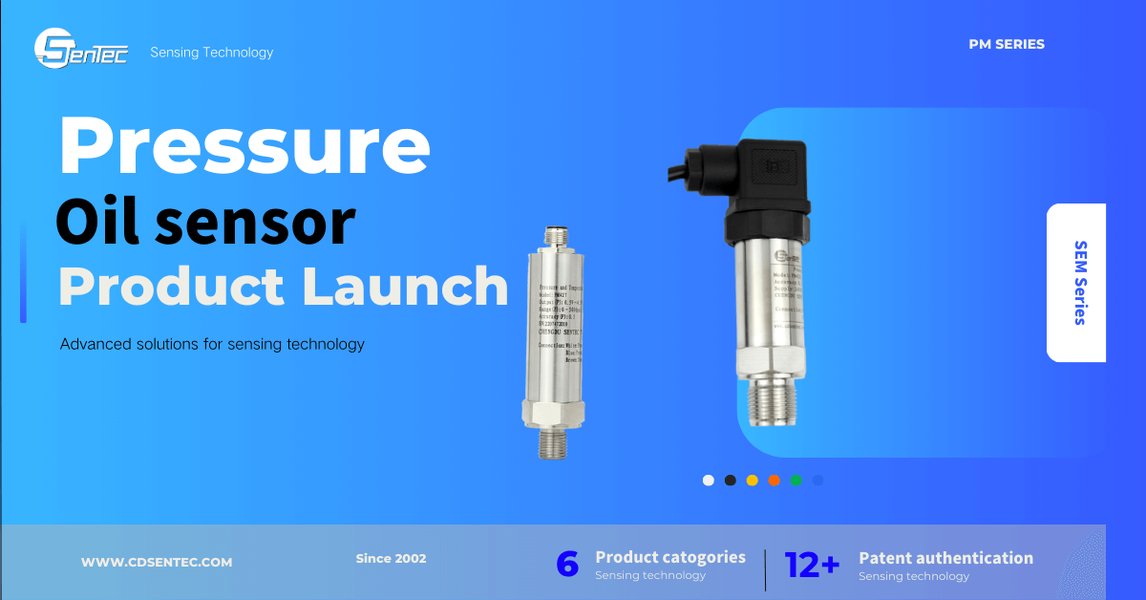
A typical engine oil pressure sensor, a critical component in your vehicle's lubrication system.
Decoding the Symptoms: What You Might See and Hear with a P0520 Code
When a P0520 code is active, your vehicle will often exhibit several tell-tale signs. Recognizing these symptoms quickly can help you prevent further issues and facilitate a more efficient diagnosis. The symptoms primarily revolve around the oil pressure monitoring system, but in more severe cases, can extend to engine performance itself.
Common P0520 Symptoms:
- Illuminated Check Engine Light: This is the most common and often the first indicator that your vehicle's computer has detected a fault.
- Oil Pressure Warning Light: The dedicated oil pressure warning light on your dashboard may flash or stay illuminated continuously. This red light is a critical warning and should never be ignored.
- Erratic or Inaccurate Oil Pressure Gauge Readings: If your vehicle is equipped with an oil pressure gauge, you might observe it behaving erratically. This could mean the needle is pegged at its maximum (e.g., 99 PSI or 100 PSI), stuck at zero, or fluctuating wildly. These abnormal readings are strong indicators of a sensor or circuit problem.
- Engine Noise: In cases where the P0520 code is accompanied by actual low oil pressure, you might hear abnormal engine noises. These can include ticking, knocking, or a general increase in engine clatter, all suggesting inadequate lubrication of internal components.
- Engine Performance Issues: While less common for a P0520 code alone, if true low oil pressure is present, you might experience rough idling, misfires, or a general reduction in engine power.
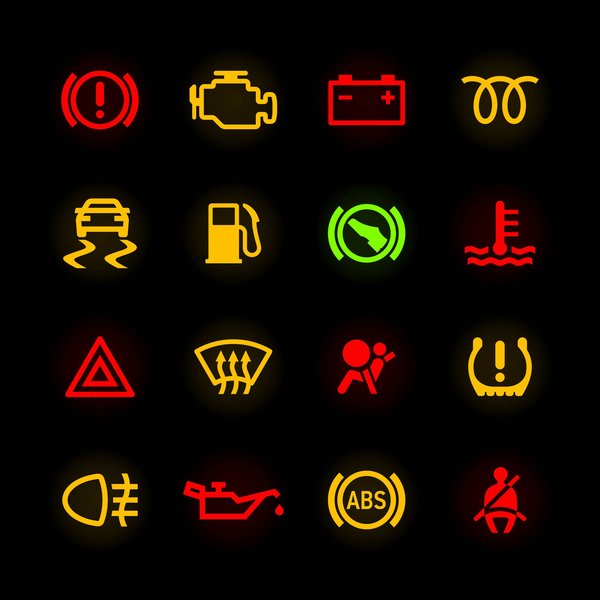
A dashboard indicating an illuminated check engine light and oil pressure warning light, common P0520 symptoms.
Understanding the Causes of P0520: From Simple Fixes to Serious Problems
The causes behind a P0520 code can vary significantly, ranging from relatively minor electrical issues to more severe mechanical problems. It's crucial to understand the most likely culprits to guide your diagnostic process effectively.
Most Common P0520 Causes (from Most to Least Likely):
Faulty Oil Pressure Sensor (Most Likely)
The single most frequent cause of a P0520 code is a malfunctioning engine oil pressure sensor itself. These sensors are constantly exposed to harsh engine conditions, including high temperatures, vibrations, and oil contamination. Over time, their internal electrical components can degrade, leading to inaccurate readings or a complete failure to send a proper signal to the PCM. In the US, many drivers, especially of popular brands like Jeep and Dodge, often report issues with aftermarket sensors, making OEM (Original Equipment Manufacturer) parts a safer bet for replacement.
Wiring and Connector Issues
Problems within the electrical circuit connecting the oil pressure sensor to the PCM are another common cause. This includes damaged, corroded, or loose wiring. Wires can become chafed by engine components, experience heat damage, or be chewed by rodents. The sensor's connector can also suffer from bent pins, corrosion, or become loose, disrupting the signal. Visual inspection of the wiring harness and connector is a critical diagnostic step.
Low or Contaminated Engine Oil
While the P0520 code primarily points to an electrical circuit malfunction, insufficient engine oil or heavily contaminated oil can indirectly contribute. If the oil level is too low, the engine might struggle to maintain adequate oil pressure, which the sensor could then report as an out-of-range signal. Similarly, dirty, sludgy, or incorrect viscosity oil can clog oil passages or interfere with the sensor's accurate reading of pressure, leading to the code.
Mechanical Oil Pressure Problems (Less Common for P0520 Alone)
Though less common for a P0520 code specifically (which often implies a circuit issue), genuine mechanical problems affecting oil pressure can trigger this code, especially if the sensor is accurately reporting an out-of-range condition. These serious issues include:
- Worn Oil Pump: An oil pump that is failing or worn cannot generate sufficient pressure to lubricate the engine properly.
- Clogged Oil Passages or Filter: Sludge or debris can restrict oil flow within the engine or clog the oil filter, leading to pressure drops.
- Excessive Engine Wear: Worn engine bearings, for example, can create larger clearances, making it difficult for the oil pump to maintain adequate pressure.
- Faulty Pressure Relief Valve: This valve regulates the maximum oil pressure in the system. If it malfunctions, it can lead to consistently low or excessively high pressure.
An illustration highlighting the oil pump's location within an engine, a component rarely at fault with P0520.
The Ultimate Guide to Diagnosing Your P0520 Code: Sensor or Real Pressure Issue?
Accurate diagnosis is paramount to effectively resolving a P0520 code and preventing potential engine damage. The primary goal is to definitively determine whether you're dealing with a faulty oil pressure sensor/circuit or an actual mechanical problem causing low oil pressure. This step-by-step guide will walk you through the diagnostic process.
Step 1: Initial Checks – Oil Level and Condition
Begin with the simplest and most crucial checks. Park your vehicle on level ground, turn off the engine, and allow it to cool slightly. Use the dipstick to check your engine oil level. If it's low, top it up with the manufacturer-recommended oil type and viscosity. Also, inspect the oil's condition: if it appears excessively dark, sludgy, or has metallic particles, an oil and filter change is highly recommended. After addressing oil level/condition, clear the code with an OBD-II scanner and test drive the vehicle to see if the code returns.
Step 2: Scan for Related Diagnostic Trouble Codes (DTCs)
Use an OBD-II scanner to read any other active or pending codes. Many auto parts stores in the US, like AutoZone, offer free diagnostic scans. Related codes such as P0521 (Engine Oil Pressure Sensor/Switch Circuit Range/Performance), P0522 (Engine Oil Pressure Sensor/Switch Circuit Low Voltage), or P0523 (Engine Oil Pressure Sensor/Switch Circuit High Voltage) can provide more specific insights into the nature of the electrical malfunction. If P0520 is accompanied by a P0524 code (Engine Oil Pressure Too Low), this strongly suggests an actual low oil pressure issue, indicating a more severe mechanical problem.
Step 3: Visual Inspection of the Sensor and Wiring
Locate the engine oil pressure sensor. Its location varies by vehicle but is commonly found near the oil filter housing, on the engine block, or sometimes under the intake manifold (especially on certain Jeep and Dodge models with the 3.6L Pentastar engine). Consult your vehicle's service manual for the exact location. Carefully inspect the wiring harness connected to the sensor for any signs of damage, such as frayed wires, exposed copper, melted insulation, or corrosion. Ensure the connector is securely attached, not loose, and free from oil contamination. Damaged connector pigtails are a common issue that can lead to intermittent signals.
Step 4: The Decisive Mechanical Oil Pressure Test
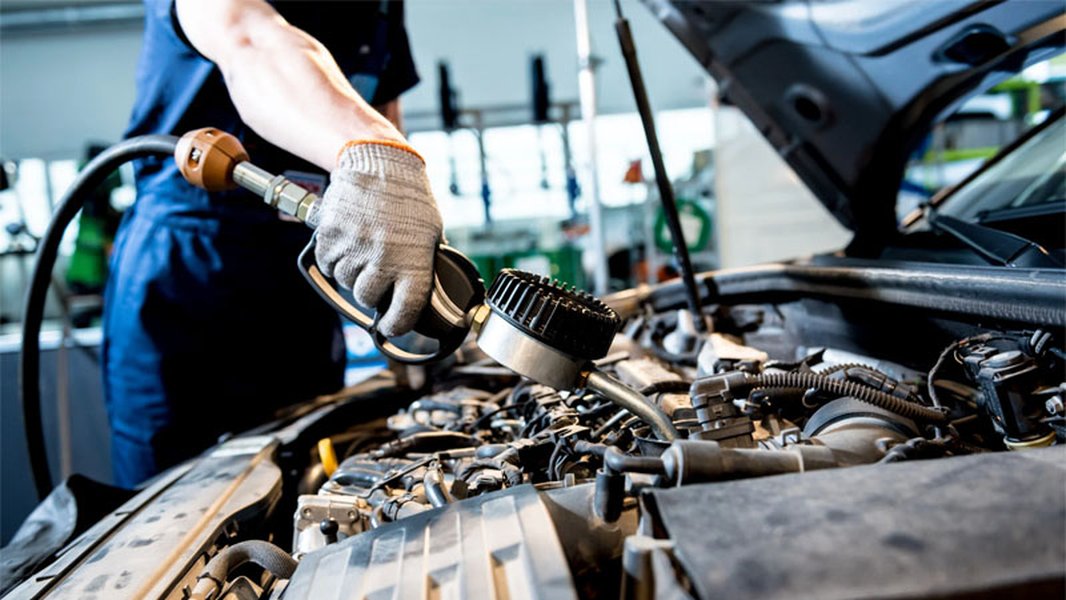
This is the most critical step to differentiate between a faulty sensor and actual low oil pressure. A mechanical oil pressure test kit (often rentable from US auto parts stores) provides a direct, accurate reading of your engine's oil pressure, bypassing the electronic sensor and its circuit. To perform this test:
- Locate the oil pressure sensor port.
- Carefully remove the electronic oil pressure sensor (expect some oil to drip).
- Screw the mechanical gauge adapter into the port.
- Start the engine (ensure it's at operating temperature if possible) and note the pressure readings at idle and at various RPMs (e.g., 2,000-3,000 RPM).
- Compare these readings to your vehicle's manufacturer specifications, found in your service manual. If the mechanical gauge shows normal pressure, the problem is almost certainly with the sensor or its wiring. If it shows abnormally low pressure, you have a serious mechanical issue requiring immediate attention.
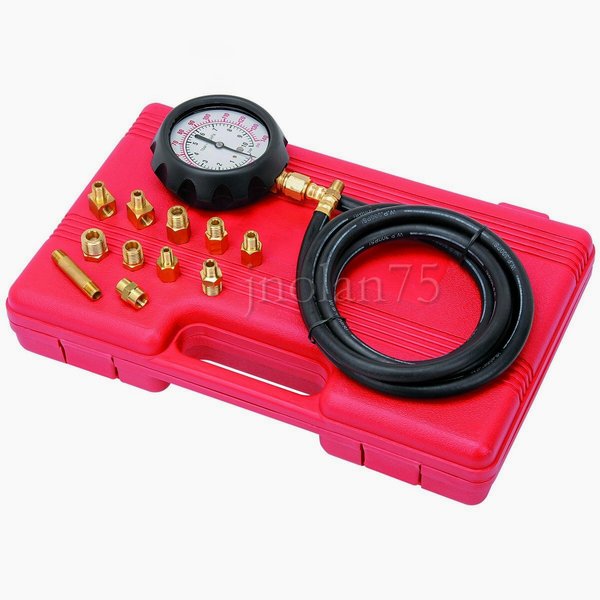
A mechanical oil pressure gauge kit, essential for accurately diagnosing true oil pressure.
Step 5: Electrical System Diagnosis with a Multimeter
If the mechanical test confirms your actual oil pressure is normal, you can further test the sensor's circuit using a multimeter. This helps pinpoint whether the sensor itself or the wiring is at fault.
- Check Reference Voltage: With the key on, engine off (KOEO), use your multimeter to check for a ~5-volt reference signal at the sensor connector's reference wire.
- Verify Ground Connection: Check for good ground continuity at the sensor connector's ground pin to the battery negative terminal or chassis ground.
- Monitor Signal Output: With the engine running, back-probe the signal wire. The voltage here should vary smoothly with engine RPM and perceived oil pressure. A faulty sensor might show a signal that is consistently too high or too low, or one that doesn't vary at all.
- Wiggle Test: Gently wiggle the wiring harness and connector while monitoring the signal. Any sudden changes or drops in voltage indicate a loose connection or damaged wiring.
How to Fix a P0520 Code and Estimated Repair Costs
Once you've accurately diagnosed the root cause of your P0520 code, you can proceed with the appropriate repair. Repair costs in the US can vary significantly based on the specific issue, your vehicle's make and model, and whether you opt for DIY or professional service.
1. Replacing the Engine Oil Pressure Sensor/Switch
This is often the most common and straightforward fix. The cost for the sensor part typically ranges from $20 to $200, with OEM sensors often being more expensive but recommended for reliability, especially for brands like Dodge, Jeep, and Chrysler. Professional labor for replacement can be 1-3 hours, costing between $75-$150 per hour. Therefore, the total professional cost can range from $150-$500. However, for certain vehicles (e.g., some Jeep Wranglers with the 3.6L Pentastar engine), accessing the sensor requires removing the intake manifold, which can increase labor significantly, pushing costs potentially to $500-$900 due to added labor and the need for new gaskets.
2. Repairing Wiring or Connector Issues
If the diagnosis points to damaged wiring or a faulty connector, the repair involves mending wires, replacing the connector pigtail, or addressing short circuits. Parts for this are usually inexpensive ($20-$50 for connectors and wire), but labor costs can range from $100-$300 for 1-2 hours of professional work, depending on the complexity and location of the damage.
3. Addressing Low or Dirty Engine Oil
If the issue was simply low or dirty oil, an oil change with the correct viscosity oil and a new, high-quality oil filter is the solution. A standard oil change typically costs $30-$80 in the US, with synthetic oil or specialized filters increasing this. Always ensure the manufacturer-recommended oil type and filter are used.
4. Replacing the Oil Pump Solenoid or Oil Pump
If a mechanical oil pressure test indicates genuine low pressure, a failing oil pump solenoid or the oil pump itself may be the culprit. This is a more extensive and costly repair. An oil pump replacement can cost between $500 and $2,000 or more, including parts ($100-$400) and significant labor (4-8 hours or more, as it often requires extensive engine disassembly). For instance, some Jeep 3.6L engine owners have had to replace their two-stage oil pump for this reason.
After any repair, always clear the P0520 code using an OBD-II scanner. Then, drive the vehicle under various conditions to ensure the code does not return and that the repair was successful.
Vehicles Most Affected by P0520 Codes in the US
While the P0520 code can appear on any OBD-II compliant vehicle, certain makes and models popular in the US market tend to report this code more frequently. This can be due to specific sensor designs, placement, or common failure points inherent to those vehicles.
- Jeep: Wranglers, Grand Cherokees, and other models, especially those equipped with the 3.6L Pentastar engine, are frequently cited. The oil pressure sensor's location can make replacement labor-intensive.
- Dodge: Ram trucks, Chargers, and Caravans, particularly with the 3.6L Pentastar or Hemi engines, also commonly experience P0520. Many owners report the oil pressure gauge pegging at 99 PSI or 100 PSI, indicating a faulty sensor.
- Chrysler: 200, 300, and Pacifica models often share similar issues with their Dodge and Jeep counterparts.
- Ford: F-150s, particularly in older generations or those with certain engine configurations, can develop P0520, sometimes linked to wiring damage from engine heat.
- Chevrolet/GMC: Silverado, Sierra, and other trucks and SUVs occasionally report this code due to sensor or wiring issues.
- Toyota: Models like the Tacoma and Camry can experience sensor failures, especially as mileage accumulates.
- Honda: Accords and Civics may also present with P0520, typically due to sensor or connector problems, though less frequently than some domestic brands.
Many of these vehicles have technical service bulletins (TSBs) issued by manufacturers addressing common oil pressure sensor issues, so checking with a dealership might reveal updated repair procedures or extended warranty coverage.
Never Ignore This Code: Understanding the Risks of Engine Damage
The P0520 code should never be taken lightly. As reiterated throughout this guide, while it might signify a simple electrical glitch, the catastrophic consequences of actual low oil pressure are severe and irreversible. Engine oil is the lifeblood of your vehicle, serving multiple vital functions:
- Lubrication: It creates a protective film between moving metal parts, preventing direct metal-on-metal contact and reducing friction.
- Cooling: Oil helps dissipate heat generated by friction and combustion, preventing engine components from overheating.
- Cleaning: It carries away contaminants, metal shavings, and sludge, keeping internal engine surfaces clean.
Without adequate oil pressure, these functions cease. Critical engine components like crankshaft bearings, camshafts, and connecting rods will experience excessive friction, rapidly generate heat, and quickly wear down. This can lead to:
- Worn Bearings: Resulting in knocking sounds and eventual engine seizure.
- Scored Cylinders: Leading to compression loss, excessive oil consumption, and reduced engine power.
- Camshaft Damage: Affecting valve timing and engine performance.
- Complete Engine Failure: The ultimate consequence, requiring an extremely costly engine replacement or a complete rebuild.
If you experience any symptoms indicative of actual low oil pressure (e.g., persistent red oil warning light, loud knocking, or significant performance loss), pull over immediately, turn off the engine, and have your vehicle towed to a trusted repair shop. Early diagnosis and repair, even if it involves a new oil pump, are far less expensive than replacing an entire engine.
Frequently Asked Questions About the P0520 Code
Conclusion: Don't Delay, Diagnose Today
The P0520 oil pressure code serves as an important warning from your vehicle's engine. While it often points to an electrical malfunction within the oil pressure sensor circuit, the potential for it to mask a critical, engine-destroying low oil pressure situation means it should never be ignored. By understanding the common symptoms, systematically diagnosing the root cause through checks like the mechanical oil pressure test, and addressing the issue promptly, you can safeguard your engine from catastrophic failure and avoid significantly higher repair bills. Always prioritize safety and consult with a trusted automotive professional if you're uncertain about any diagnostic or repair steps.
Recommended Further Reading
- Unraveling the Mystery of EV Battery Isolation Faults (Code P0AA6)
- Conquer the P0135 Oxygen Sensor Fix: Your Ultimate Guide to Restoring Engine Efficiency
