

Navigate the complexities of DPF issues and restore your diesel engine's performance.
Key Takeaways for a Smooth Ride:
- P2002 signifies your Diesel Particulate Filter (DPF) isn't efficiently trapping soot, often due to clogs or regeneration failures.
- Regeneration is Key: Understanding passive, active, and forced regeneration is crucial for maintaining DPF health and clearing the code.
- Prompt Action Saves Money: Addressing the P2002 code early can prevent costly DPF replacement or severe engine damage.
The P2002 diagnostic trouble code, indicating "Diesel Particulate Filter Efficiency Below Threshold (Bank 1)," is a common emissions-related issue that signals your diesel engine's Diesel Particulate Filter (DPF) isn't functioning optimally. This typically means the filter is either excessively clogged with soot or ash, or the system is unable to complete a proper regeneration cycle. Addressing the P2002 DPF filter fix promptly is crucial for maintaining engine performance, fuel economy, and compliance with stringent US emissions standards, often involving DPF regeneration, cleaning, or in severe cases, replacement.
Decoding the P2002: What It Means for Your Diesel Engine
The P2002 code is an OBD-II trouble code indicating that your vehicle's engine control module (ECM) has detected that the diesel particulate filter on "Bank 1" is not operating at its required efficiency level. This "Bank 1" designation refers to the engine bank containing cylinder number one. Essentially, the system monitors the pressure differential across the DPF and the exhaust gas temperatures to assess its filtration performance. When these readings fall below manufacturer specifications, indicating the filter isn't trapping soot effectively, the P2002 code is triggered.
For US diesel owners, this code is more than just a warning light; it's a direct indicator that your vehicle's exhaust system is not adequately filtering harmful soot particles. Ignoring it can lead to reduced engine power, increased fuel consumption, and potentially failing state-mandated emissions tests, which can prevent vehicle registration.
The Vital Role of Your Diesel Particulate Filter (DPF)
Introduced in all modern diesel vehicles sold in the US since 2007, the DPF is a critical component of the exhaust aftertreatment system. Its primary function is to capture and store soot and particulate matter from exhaust gases, preventing these harmful emissions from entering the atmosphere. The DPF acts like a sophisticated ceramic honeycomb filter with microscopic channels designed to trap these particles while allowing cleaner exhaust gases to pass through.
Over time, the DPF accumulates soot and ash. To prevent it from becoming fully clogged, the system undergoes a self-cleaning process called regeneration. Without proper regeneration, soot accumulates, leading to increased exhaust backpressure, which can negatively impact engine performance and trigger codes like P2002.
Recognizing the Red Flags: P2002 Symptoms and Causes
Early detection of P2002 symptoms can help prevent more severe and costly damage to your diesel engine. Drivers typically notice a combination of visible and performance-related warning signs. Understanding the P2002 code meaning often begins with these observations.
Common Driver-Visible Symptoms
- Check Engine Light: This is almost always the first indicator, often accompanied by a dedicated DPF warning light on the dashboard.
- Reduced Engine Power: The vehicle may enter "limp mode" or experience noticeable power loss, sluggish acceleration, or difficulty maintaining speed, especially when towing or climbing hills.
- Decreased Fuel Economy: An inefficient DPF forces the engine to work harder against increased exhaust backpressure, leading to higher fuel consumption.
- Increased Exhaust Smoke: While the DPF is designed to reduce smoke, a damaged or severely clogged filter can lead to excessive black smoke from the tailpipe.
- Frequent Regeneration Cycles: The vehicle might attempt regeneration more often, indicated by a temporary increase in idle speed, fan noise, or a burning smell.
- Unusual Odors: A strong, distinct burning smell can emanate from the exhaust during an unsuccessful or prolonged regeneration attempt.
Unveiling the Root Causes of P2002
The P2002 code typically arises from issues preventing the DPF from performing its filtering duties or regenerating successfully. Here are the most common causes, ordered from most frequent to less common:
-
Blocked or Overloaded DPF (Most Common Culprit)
The most frequent cause is an excessive accumulation of soot and ash that the DPF cannot properly burn off. This is often a direct result of driving patterns:
- Short Trip Driving: Diesel engines require sustained high operating temperatures for passive regeneration to occur naturally. Frequent short city drives, common in urban US environments, prevent the exhaust from reaching these temperatures, leading to soot buildup.
- Excessive Idling: Similar to short trips, prolonged idling does not generate enough exhaust heat for effective regeneration.
- Poor Fuel Quality: Using low-quality diesel fuel, which can contain more impurities, contributes to increased soot production and faster DPF clogging.
-
Failed or Interrupted Regeneration Cycles
If regeneration attempts are repeatedly unsuccessful or cut short, soot continues to build up, overwhelming the DPF. This can happen due to:
- Driver Interruption: Turning off the engine during an active regeneration cycle halts the process, leaving soot unburned. Repeated interruptions prevent the DPF from ever fully cleaning itself.
- Low Fuel Levels: Many diesel vehicles are programmed to inhibit active regeneration if the fuel tank is below a certain level (e.g., ¼ tank) to ensure enough fuel for the process.
- Other Engine Faults: Problems like a malfunctioning Exhaust Gas Recirculation (EGR) valve, fuel injector issues, or turbocharger problems can cause excessive soot production, overwhelming the DPF.
- Faulty Sensors: The DPF system relies on several sensors (pressure, temperature) to initiate and monitor regeneration. If these provide inaccurate data, regeneration might not start or complete correctly.
-
Faulty DPF Pressure Sensors
The DPF differential pressure sensor is critical. It measures the pressure difference between the exhaust gas entering and exiting the DPF. A significant difference indicates a clogged filter. If this sensor fails or its connecting hoses become clogged with soot or damaged, it can send incorrect readings to the ECM, triggering the P2002 code even if the DPF itself is not severely clogged.
-
Exhaust System Leaks
Leaks in the exhaust system, especially those located before the DPF (e.g., at the exhaust manifold, flex pipe, or gaskets), can disrupt exhaust flow and pressure readings. This can cause the ECM to incorrectly interpret DPF efficiency, leading to a P2002 code.
-
Damaged or Cracked DPF
Though less common, physical damage to the DPF itself, such as cracks in the ceramic substrate or melting from extreme heat, can allow soot to bypass the filtering process. This directly reduces filtering efficiency and will trigger the P2002 code.
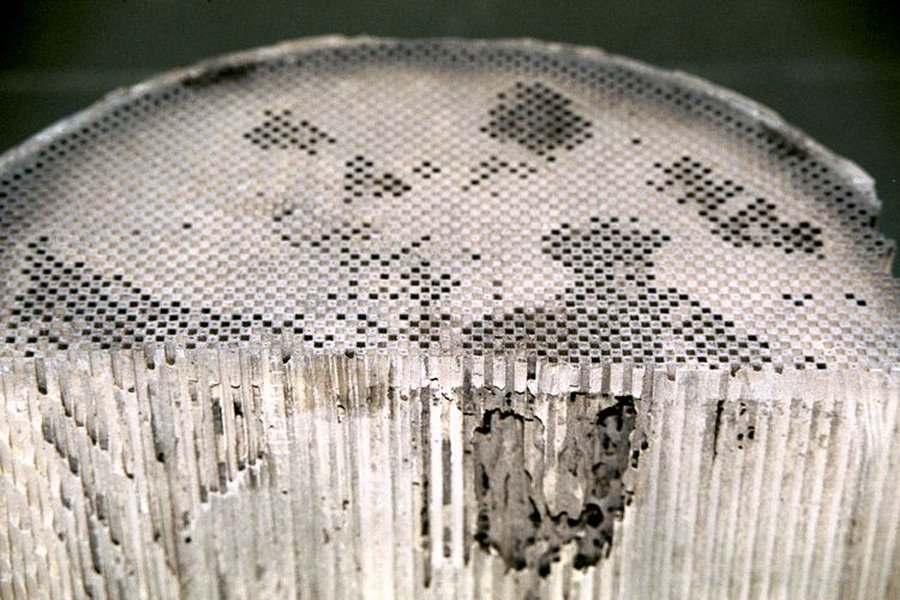
A severely damaged or melted DPF can no longer filter exhaust effectively.
Understanding DPF Regeneration: Your Guide to a Clear Filter
DPF regeneration is the critical process that cleans your diesel particulate filter by burning off accumulated soot. It's how the DPF maintains its efficiency over time. There are three main types of regeneration, each playing a role in keeping your exhaust system healthy.
Passive Regeneration: The Automatic Cleanse
Passive regeneration occurs naturally during normal driving conditions, particularly on extended highway runs. When exhaust gas temperatures consistently exceed approximately 572°F (300°C) to 1,000°F (550°C), the soot inside the DPF is oxidized and converted into ash without any direct intervention from the vehicle's computer. This is the most efficient and least noticeable form of regeneration, happening continuously as you drive. Regular highway driving is the best prevention against soot buildup.
Active Regeneration: When the ECU Steps In
When passive regeneration isn't sufficient, typically because the DPF has reached about 45% soot capacity and exhaust temperatures are too low (e.g., during city driving), the vehicle's engine control unit (ECU) initiates active regeneration. The ECU raises exhaust temperatures to around 1,112°F (600°C) to 1,300°F (700°C) by injecting additional fuel into the exhaust stream. This process usually lasts 10-30 minutes and occurs every 300-500 miles, depending on the vehicle and driving conditions. You might notice a slight increase in idle speed, a different engine note, or even a temporary burning smell.
Important Note: If you notice signs of active regeneration, try to continue driving at highway speeds until the process is complete. Repeatedly interrupting an active regeneration cycle by turning off the engine can lead to a more severely clogged DPF.
Forced Regeneration: The Manual Intervention
If passive and active regeneration attempts fail, and the DPF becomes significantly clogged (often exceeding 60-70% soot capacity), a forced regeneration becomes necessary. This is a manual procedure performed using a specialized diagnostic scan tool, typically by a qualified mechanic at a US repair shop. During a forced regeneration, the engine is made to run at an elevated RPM (often around 2,000-2,500 RPM) for an extended period (20-45 minutes) to generate the high temperatures needed to burn off heavy soot loads.
An overview of the DPF regeneration process.
The P2002 DPF Regeneration Guide: How to Unblock Your Filter
Successfully performing a DPF regeneration or unblocking a diesel particulate filter requires a systematic approach. If a simple highway drive doesn't clear the P2002 code, you'll likely need to perform a forced regeneration. This process requires caution and adherence to specific steps due to the high temperatures involved.
Step-by-Step Guide for Performing a Forced DPF Regeneration
A technician initiating a forced DPF regeneration with a scan tool.
-
Safety First: Choose the Right Location
Always perform a forced regeneration outdoors in a well-ventilated area, away from any flammable materials. The process generates extreme heat (over 1000°F) in the exhaust system.
-
Check Prerequisites
Ensure your vehicle meets the necessary conditions:
- Fuel Level: The fuel tank must be above ¼ capacity (many systems require at least a ½ tank).
- Engine Oil: Ensure the engine oil is at the proper level and the correct low-ash type for DPF-equipped diesels.
- Coolant Temperature: The engine must be at normal operating temperature (typically above 160°F or 71°C).
- No Other Active Faults: Clear any other active diagnostic trouble codes (DTCs) that might inhibit regeneration (e.g., fuel system, sensor, or EGR faults).
-
Connect a Professional Scan Tool
Use a professional-grade OBD-II scan tool with DPF regeneration capabilities. Not all consumer-grade scanners have this feature. Connect it to the vehicle's diagnostic port.
The interface of a scan tool showing DPF regeneration functions.
-
Initiate the Regeneration Process
Navigate through the scan tool's menu to the DPF service functions. Select "Forced Regeneration" or a similar option. Follow the on-screen prompts precisely. The engine will typically rev up to a consistent, elevated RPM (e.g., 2,000-2,500 RPM) and remain there.
-
Monitor Progress Closely
During the 20-45 minute process, monitor exhaust temperatures and the DPF soot load percentage via the scan tool. You should see temperatures rise significantly and the soot load gradually decrease. Do not interrupt the process once it has started.
-
Verify Completion and Clear Codes
The scan tool will indicate when the regeneration is complete. The engine RPM will return to normal idle. After completion, check that the soot levels have dropped below 20% and clear any stored P2002 codes or related DTCs. A test drive is recommended to confirm the code does not return and normal performance is restored.
Important Consideration: Forced regeneration will not work if the DPF is severely clogged (e.g., >80% soot load), if there's significant ash accumulation, or if the DPF is physically damaged. In such cases, professional DPF cleaning or replacement will be necessary.
Comprehensive Diagnosis and Repair Guide for P2002
A proper diagnosis is the cornerstone of any effective diesel particulate filter fix. Jumping to conclusions can lead to unnecessary repairs and expenses. Follow this systematic approach to identify and resolve the P2002 code.
Step-by-Step Diagnosis
-
Scan for All Codes
Use a professional OBD-II scanner to confirm the P2002 code. Critically, check for any related diagnostic trouble codes (DTCs) that often accompany DPF issues. These might include P2003 (DPF Efficiency Below Threshold, Bank 2), P2459 (DPF Regeneration Frequency), P2463 (DPF Soot Accumulation – Too High), P0401 (EGR Flow Insufficient), or P0299 (Turbo/Supercharger Underboost). These related codes can point to the underlying cause.
-
Review Live Data
Utilize the scan tool to monitor live data streams, specifically:
- DPF Differential Pressure: Observe readings at idle and at elevated RPMs (2,000-2,500 RPM). Pressure should increase proportionally with engine load. Abnormally high pressure indicates a clogged DPF.
- Exhaust Temperature Sensors: Verify readings are plausible and consistent across multiple sensors (if applicable).
- DPF Soot Load Percentage: This indicates the estimated soot accumulation.
- Regeneration Status and Inhibit Reasons: The system can tell you if a regeneration is desired but inhibited and why (e.g., low fuel, other faults).
-
Visual Inspection of Components
Carefully inspect the physical components of the DPF system:
- Exhaust System: Look for any exhaust leaks, particularly before the DPF. Check for cracks, loose clamps, or damaged gaskets.
- DPF Pressure Sensor Hoses/Lines: Inspect these small lines for cracks, melting, or blockage from soot. They can often be a source of incorrect readings.
- Wiring and Connectors: Check the electrical connections to the DPF pressure and temperature sensors for corrosion or damage.
- DPF Unit: Visually inspect the DPF housing for physical damage, cracks, or signs of extreme heat (discoloration). If soot is visible at the tailpipe, it can suggest a cracked DPF.
-
Evaluate Vehicle History and Driving Habits
Consider the vehicle's recent usage. Has it primarily been used for short trips, excessive idling, or frequent stop-and-go city driving? These habits are strong indicators of potential soot buildup and regeneration issues.
Repair Options: From Regeneration to Replacement
Once the diagnosis is complete, you can proceed with the appropriate diesel particulate filter fix:
-
Attempt a Highway Drive Regeneration
If soot levels are moderate and no other severe faults are present, taking the vehicle for a sustained highway drive (20-45 minutes at consistent speeds of 60+ MPH) might initiate passive or active regeneration and clear the code. This is the simplest and cheapest initial step.
-
Perform a Forced Regeneration
If highway driving doesn't clear the code, proceed with a forced regeneration using a scan tool, as detailed in the previous section. This is often successful for DPFs primarily clogged with soot.
-
Professional DPF Cleaning Service
If forced regeneration fails, or if there's significant ash accumulation (which cannot be burned off by regeneration), the DPF may need professional cleaning. This typically involves removing the DPF from the vehicle and using specialized equipment (e.g., thermal baking, chemical flushing, or ultrasonic cleaning) to remove both soot and ash.
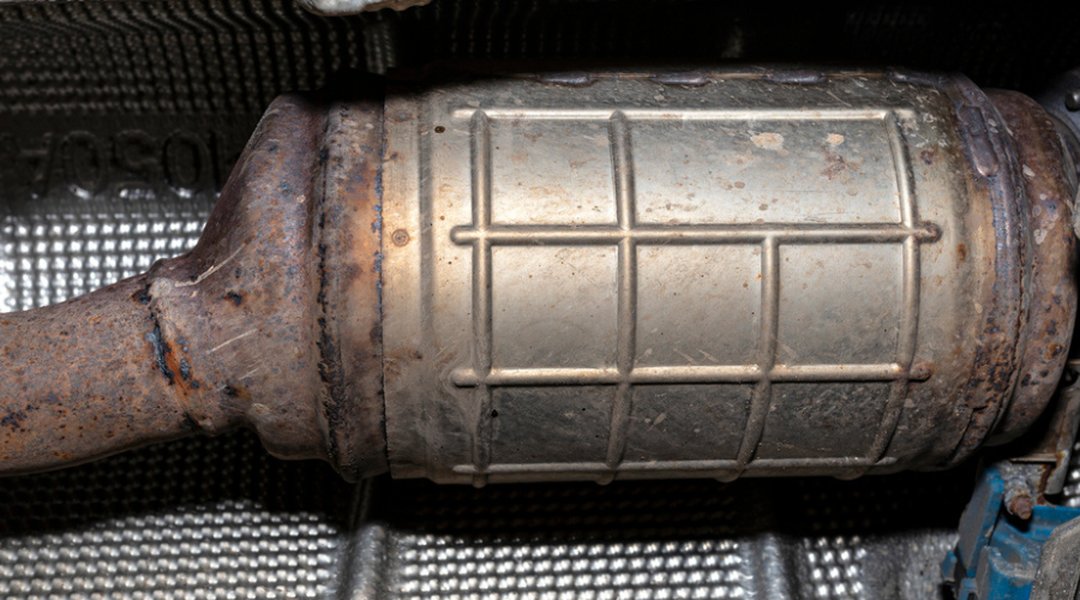
Professional cleaning can significantly extend the life of your DPF.
-
Replace Faulty Sensors or Repair Leaks
If diagnostics indicate a faulty DPF pressure sensor, exhaust temperature sensor, or an exhaust leak, these components must be replaced or repaired before further DPF repair attempts. Incorrect sensor data will continue to trigger the P2002 code even if the DPF is otherwise functional.
-
DPF Replacement
In the most severe cases—where the DPF is physically damaged (cracked, melted), has reached its end-of-life due to excessive ash loading, or cannot be successfully cleaned—replacement is the only option. This is the most expensive repair.
P2002 Repair Cost Diesel: What US Drivers Can Expect
The cost to fix a P2002 code can vary significantly based on the root cause, the vehicle make and model, and whether you opt for dealership services or an independent American repair shop. Here’s a breakdown of estimated P2002 repair cost diesel in the US market:
| Repair Type | Estimated Cost Range (USD) | What's Included / Notes | When to Choose This Option |
|---|---|---|---|
| Diagnostic Fee | $80 - $150 | Initial scan and labor to pinpoint the exact issue. Often applied to repair cost. | Always the first step before any repair. |
| Forced Regeneration Service | $150 - $400 | Performed by a shop with a professional scan tool. Quickest fix for moderate soot clogs. | Moderate soot load, DPF otherwise healthy, and other faults cleared. |
| DPF Pressure Sensor Replacement | $300 - $800 | Parts ($100-$300) and labor. Includes replacing the sensor and possibly its hoses. | Live data shows faulty readings, no actual DPF clog. |
| Professional DPF Chemical/Off-Vehicle Cleaning | $200 - $800 | DPF removed, thoroughly cleaned with specialized equipment to remove soot and ash. | Heavy soot load, significant ash accumulation, or failed forced regenerations. |
| Exhaust Leak Repair | $200 - $1,200 | Depending on location and severity (gaskets, flex pipe, manifold). | Any identified leaks upstream of the DPF. |
| Aftermarket DPF Replacement (Part Only) | $1,000 - $3,000 | Cost for the DPF unit itself. Quality and longevity can vary. | Damaged DPF, high ash load, or if OEM is too expensive. |
| OEM DPF Replacement (Part Only) | $2,500 - $6,000+ | Original Equipment Manufacturer part. Generally highest quality and cost. | Damaged DPF, high ash load, or preference for OEM quality. |
| Total DPF Replacement (Parts & Labor) | $2,000 - $7,500+ | Combined cost for parts and installation. Varies greatly by vehicle. | Severely damaged DPF, irreversible clogs, or end-of-life. |
For large trucks like a Ford F-250 or Ram 2500, DPF replacement costs can be on the higher end of the spectrum due to the size and complexity of the components. Always ask for a detailed quote from your American repair shop, and inquire about potential warranty coverage, as some DPFs are covered under extended emissions warranties.
Vehicles Most Affected by P2002 Code in the US
While any modern diesel vehicle equipped with a DPF can potentially trigger a P2002 code, certain popular US market vehicles tend to experience these issues more frequently, often due to their common usage patterns:
- Ford Powerstroke Diesels (F-250, F-350, F-450): These heavy-duty trucks, frequently used for towing or commercial applications, can accumulate soot quickly if not regularly driven at highway speeds or if regeneration cycles are interrupted.
- Ram/Cummins Diesels (2500, 3500 Series): Similar to Ford, Ram trucks are susceptible, especially if used for short trips, excessive idling, or heavy stop-and-go driving.
- Chevrolet/GMC Duramax (Silverado, Sierra 2500/3500): Duramax engines in these trucks can also face DPF issues under similar conditions, particularly in colder climates where regeneration can be more challenging.
- Volkswagen TDI Models (Jetta, Golf, Passat, Touareg): Often used for daily commuting, these vehicles are prone to DPF clogging if they don't get enough highway driving.
- BMW Diesel Models (X5, 3-series, 5-series): Luxury diesel SUVs and sedans, common in urban and suburban settings, can experience DPF problems if predominantly driven on short city routes.
- Mercedes-Benz Diesel Models (Sprinter, GL-class, E-class): Sprinter vans, in particular, often used for commercial delivery, can develop DPF issues from frequent start-stop driving and prolonged idling.
Can I Drive with a P2002 Code? A Warning to Drivers
While the P2002 code might not immediately put your vehicle into a complete shutdown, driving with it active is generally not recommended for extended periods. Ignoring this warning can lead to more severe damage and significantly higher repair costs.
Initially, if the DPF is only mildly clogged, an extended highway drive might trigger an active or passive regeneration and clear the code. However, if the code persists or if you experience significant symptoms, immediate attention is required.
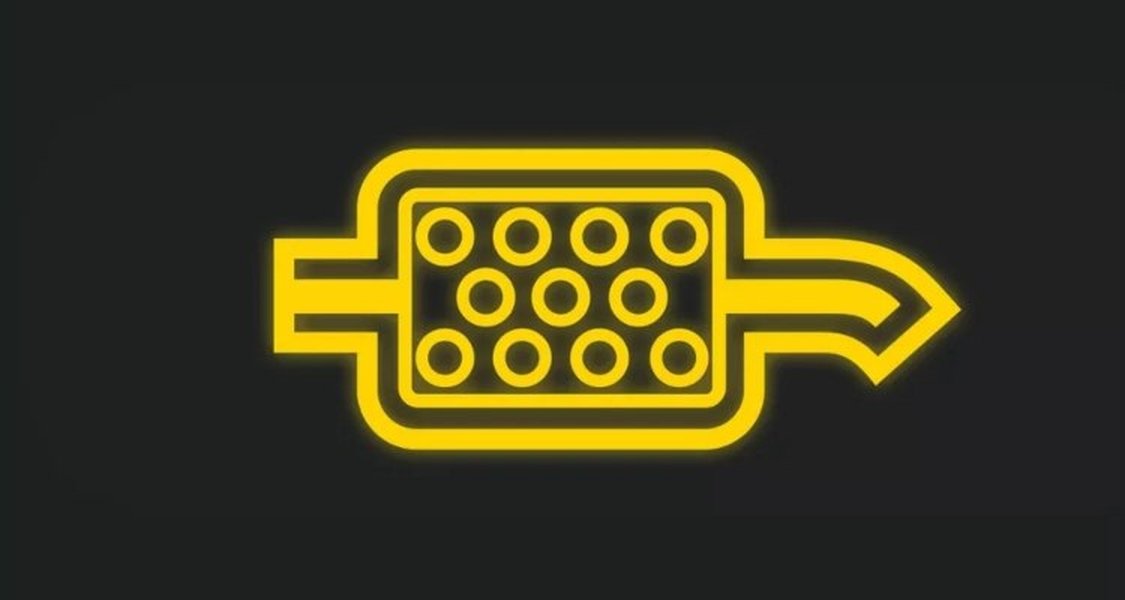
Don't ignore the DPF warning light – it's your engine telling you there's a problem.
Stop driving and seek professional help if you observe any of the following:
- Significant Power Reduction: Your vehicle enters "limp mode," severely limiting engine power and speed.
- Excessive Black Smoke: This indicates that soot is bypassing the DPF or the DPF is failing.
- Frequent or Failed Regeneration Attempts: If the vehicle constantly tries to regenerate without success, the DPF is likely severely clogged.
- Strong Burning Smell: While some smell is normal during regeneration, a persistent or acrid burning smell can indicate overheating components.
- Additional Warning Lights: Other dashboard lights illuminate, such as engine temperature warnings.
Continued driving with a severely clogged or damaged DPF can lead to:
- Turbocharger Damage: Excessive exhaust backpressure can put immense strain on the turbocharger, leading to premature failure.
- Engine Overheating: Restricted exhaust flow can cause engine temperatures to rise.
- Oil Dilution: Unsuccessful active regeneration can lead to diesel fuel entering the engine oil, diluting it and reducing its lubricating properties, causing accelerated engine wear.
- Increased Repair Costs: A problem that could have been resolved with a forced regeneration might escalate to an expensive DPF replacement or even engine damage.
- Failed Emissions Tests: In many US states, a P2002 code or an active DPF issue will result in failing mandatory emissions inspections.
Preventing DPF Blockage: Best Practices for DPF Health
Prevention is always more cost-effective than repair, especially with expensive DPF systems. Adopting good driving habits and adhering to maintenance schedules can significantly extend the life of your diesel particulate filter and help you avoid the P2002 code altogether.
- Regular Highway Driving: Make an effort to include weekly, sustained highway drives of at least 30-45 minutes at speeds above 60 MPH. This allows the exhaust system to reach sufficient temperatures for passive regeneration to occur naturally.
- Avoid Excessive Short Trips and Idling: Diesel engines thrive on longer runs. If your daily commute involves a lot of stop-and-go traffic or short distances, try to combine errands to create longer driving sessions. Minimize prolonged idling whenever possible.
- Use High-Quality Ultra-Low Sulfur Diesel (ULSD): Always refuel at reputable stations and use ULSD. Quality fuel produces less soot during combustion, reducing the load on your DPF.
- Adhere to Maintenance Schedule: Follow your vehicle manufacturer's recommended maintenance schedule. This includes timely oil changes using low-ash engine oil specifically formulated for DPF-equipped diesel engines. Ensure air filters are clean and replaced regularly, as a dirty air filter can lead to richer combustion and more soot.
- Don't Interrupt Regeneration: If you notice the signs of an active regeneration (e.g., elevated idle, increased fan noise, burning smell), try to continue driving until the process completes.
- Promptly Address Other Engine Issues: Malfunctions in other engine systems, such as faulty fuel injectors, a failing turbocharger, or a problematic EGR valve, can lead to excessive soot production, overwhelming the DPF. Address these issues as soon as they arise.
- Monitor DPF Warning Lights: Never ignore a DPF warning light or the check engine light. The sooner you diagnose and address a potential DPF issue, the easier and cheaper it will be to fix.
- Consider DPF Cleaner Additives: While not a substitute for proper regeneration, some DPF cleaning additives can help reduce soot accumulation. Always ensure any additive is compatible with your vehicle and DPF system by checking your owner's manual.
Related Codes to Investigate Alongside P2002
When diagnosing a P2002 code, it's crucial to check for other related diagnostic trouble codes (DTCs). These codes often appear in conjunction with DPF issues and can provide valuable clues about the underlying problem, helping you perform a more targeted diesel particulate filter fix:
- P2003: Diesel Particulate Filter Efficiency Below Threshold (Bank 2) – This is the equivalent of P2002 but for the second bank of cylinders on V-engine configurations. If both P2002 and P2003 are present, it often points to an overall DPF issue rather than a bank-specific sensor problem.
- P2459: Diesel Particulate Filter Regeneration Frequency – This code indicates that the DPF regeneration cycles are occurring too frequently, suggesting either excessive soot production or that regeneration attempts are being repeatedly interrupted or failing.
- P2463: Diesel Particulate Filter Soot Accumulation – This code directly points to a dangerously high level of soot accumulation within the DPF, often triggered when the filter is approaching or exceeding its maximum capacity.
- P2458: Diesel Particulate Filter Regeneration Duration – This code signals that the DPF regeneration process is taking too long to complete, which can be due to a severely clogged filter or issues with the regeneration process itself.
- P0401: Exhaust Gas Recirculation Flow Insufficient – An inefficient EGR system can lead to increased NOx and particulate matter, contributing to faster DPF clogging.
- P0299: Turbocharger/Supercharger Underboost – Issues with the turbocharger can affect exhaust flow and temperature, impacting DPF regeneration and overall engine performance.
Addressing these related codes is often integral to resolving the primary P2002 issue and ensuring the long-term health of your diesel engine's emissions system.
FAQ: Your Pressing Questions About P2002 DPF Issues Answered
Conclusion: Keeping Your Diesel Running Clean and Strong
The P2002 code for "Diesel Particulate Filter Efficiency Below Threshold" is a common challenge for US diesel owners, but it's a manageable one with the right knowledge and approach. Understanding the function of your diesel particulate filter, the nuances of passive, active, and forced regeneration, and the various symptoms and causes of DPF issues is essential. By taking prompt diagnostic action and addressing the root cause—whether it's a simple regeneration, a faulty sensor, professional cleaning, or, in severe cases, replacement—you can effectively resolve the P2002 code.
Adopting preventative measures, such as regular highway driving, using high-quality diesel fuel, and adhering to your vehicle's maintenance schedule, will significantly reduce the likelihood of encountering DPF problems. For owners of popular American diesel trucks like the Ford F-250, Ram 2500, and Chevrolet Silverado Duramax, along with Volkswagen TDI and BMW diesel models, proactive DPF care ensures continued performance, optimal fuel efficiency, and compliance with environmental regulations. Don't ignore the warning signs; investing in proper DPF maintenance protects your vehicle and your wallet in the long run.
