

Navigate the evolving landscape of EV battery theft and discover how comprehensive insurance safeguards your investment.
As the electric vehicle (EV) revolution accelerates across American roads, a critical question for owners arises: "Does comprehensive insurance cover EV battery theft?" The direct answer for most policies in the U.S. is yes. Comprehensive auto insurance typically provides financial protection for a stolen electric vehicle battery and associated damages, subject to your policy's deductible and terms. This coverage extends to both the high-voltage battery pack itself and critical charging equipment, offering a vital safety net against the rising tide of component theft.
The increasing adoption of popular models like the Tesla Model 3, Nissan Leaf, Ford Mustang Mach-E, Chevrolet Bolt, Hyundai Ioniq, and Rivian has unfortunately created a lucrative target for thieves. The high value and specialized materials of EV batteries and charging accessories make them attractive for the black market, drawing parallels to the persistent issue of catalytic converter theft in gasoline-powered vehicles. Understanding the nuances of your comprehensive coverage and implementing proactive electric car battery theft protection measures are paramount for every EV owner.
Key Takeaways for EV Owners
- Comprehensive Coverage is Your Shield: In the U.S., comprehensive auto insurance generally covers the theft of your EV's high-voltage battery pack and charging equipment, along with any vehicle damage incurred during the theft.
- Diligence is Essential for Claims: A successful comprehensive insurance battery theft claim hinges on immediate police reporting, thorough documentation of the theft and battery value, and close cooperation with your insurer.
- Prevention is Power: Beyond insurance, employing robust EV battery theft prevention tips—such as secure parking, anti-theft devices, and GPS trackers—significantly reduces your risk and can even lead to insurance discounts.
The Rising Threat: Why EV Battery Theft is a Growing Concern in the U.S.
The U.S. is witnessing an unprecedented surge in EV sales, with over a million electric vehicles sold in 2023 alone. While this growth signifies a cleaner transportation future, it also highlights an emerging vulnerability: the high-value components that power these vehicles. EV batteries, rich in materials like lithium and cobalt, and advanced charging equipment, represent substantial assets that attract opportunistic and organized thieves.
Unlike traditional car batteries, EV battery packs are complex, heavy, and typically integrated into the vehicle's chassis, making their removal a significant undertaking. However, this complexity does not deter sophisticated criminal operations. Furthermore, more accessible components like portable charging cables, wall connectors, and even hybrid vehicle batteries are easier targets. Major U.S. cities and high-EV-adoption states, like California, are reporting an uptick in such incidents, echoing the patterns observed with catalytic converter theft.
The demand for these stolen parts on black markets, driven by repair needs for uninsured or older EVs and the value of raw materials, fuels this unfortunate trend. For owners of vehicles like the Tesla Model Y, Nissan Leaf, or Rivian, the financial implications of a stolen battery can be staggering, often ranging from $6,500 to over $20,000 for replacement. This reality underscores the critical importance of understanding your insurance coverage.
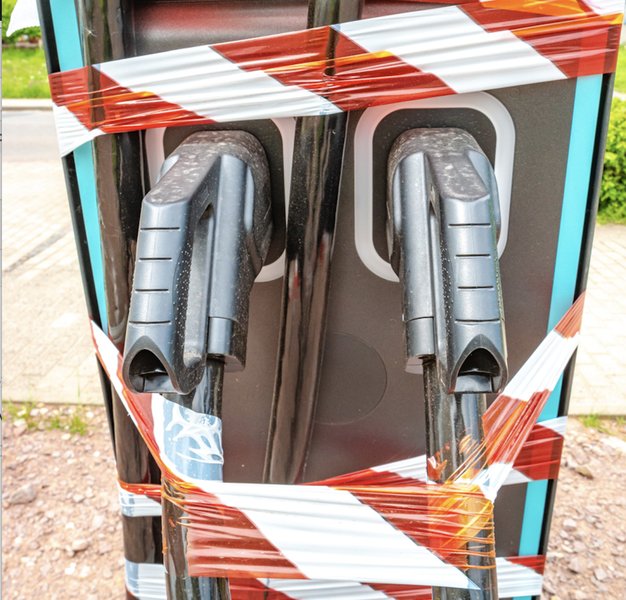
The rise in EV component theft necessitates robust security measures.
Demystifying Comprehensive Coverage for Your EV Battery
Comprehensive auto insurance is a cornerstone of protection against non-collision incidents, and it's particularly vital for EV owners. It acts as a safety net, covering losses stemming from events such as fire, vandalism, natural disasters, falling objects, and, critically, theft. This differs from liability coverage, which addresses damages to other parties, or collision coverage, which covers accident-related damage to your vehicle.
What Comprehensive Insurance Typically Covers for EV Battery Theft
If your EV battery or its associated equipment is stolen, your comprehensive policy is generally designed to cover the financial loss. This protection typically includes:
- Stolen High-Voltage Battery Pack: This is the primary concern for many EV owners. If the entire battery pack is professionally removed and stolen from your vehicle, comprehensive coverage will likely cover its replacement cost, minus your deductible.
- Stolen Charging Equipment: Portable charging cables, wall connectors, and even home charging stations (wallboxes) are often covered. If these items are stolen from your vehicle or, in some cases, your property, your policy may provide reimbursement. However, coverage for home charging equipment can sometimes fall under homeowners insurance, depending on installation and policy specifics.
- Damage During Battery Theft: Thieves often cause collateral damage during the act of theft. Comprehensive coverage typically extends to cover repairs for cut cables, damaged underbody panels, broken locks, or other vehicle components damaged during the attempted or successful theft.
Leading U.S. insurers such as Geico, Progressive, State Farm, Allstate, and Farmers generally include these protections within their standard comprehensive offerings, though specific terms and conditions will always apply.
What is Typically Excluded from Comprehensive Coverage for EV Theft?
While comprehensive coverage offers robust protection, it's crucial to understand its limitations. Several battery-related issues are typically NOT covered:
- Normal Battery Degradation: Over time, EV batteries naturally lose some of their capacity and range. This is considered normal wear and tear and is not covered by insurance. Such issues typically fall under the manufacturer's warranty.
- Manufacturer Defects or Mechanical Failure: If your battery fails due to an internal defect or mechanical issue unrelated to an external covered event (like theft or an accident), this is generally covered by the manufacturer's warranty, not your auto insurance.
- Intentional Damage or Negligence: Deliberate damage to your vehicle or fraudulent claims are explicitly excluded. While comprehensive covers theft regardless of fault, insurers may scrutinize claims if extreme negligence (e.g., leaving keys in an unlocked car) contributed significantly to the theft.
- Personal Property: While the EV battery is part of the vehicle, personal items stolen from your car (e.g., a laptop, phone) are generally not covered by auto comprehensive insurance. These may, however, be covered under your homeowners or renters insurance policy.
Leading U.S. Insurers and Their Approach to EV Battery Theft Claims
While the core principle of comprehensive coverage for EV battery theft is consistent across the industry, specific policy details, special EV programs, and claim processes can vary between providers. Here's a comparison of how some major U.S. insurers handle these claims:
| Insurer | EV Battery Theft Coverage | Charging Equipment Coverage | Special EV Programs/Notes |
|---|---|---|---|
| State Farm | Covered under comprehensive for theft and related damage. | Portable chargers covered under comprehensive; home charging station coverage may be split between auto and home policies. | EV-specific endorsements available; offers guidance for charger coverage. |
| Geico | Covered under comprehensive; typically pays actual cash value (ACV) for stolen battery. | Often covers portable charging cables under comprehensive; home wallbox coverage can vary. | Roadside assistance may include towing to EV-specific charging stations; discounts for anti-theft tech. |
| Progressive | Comprehensive covers stolen EV battery and associated vehicle damage. | Covers charging cables; recommends checking home policy for wallboxes. | Specialized towing for EVs; gap coverage options for high-value EVs; advises comparing repair cost vs. deductible for small cable claims. |
| Allstate | Covered under comprehensive for non-collision theft and damage. | Covers charging accessories and custom parts like batteries. | New car replacement options on some policies; roadside assistance for EV towing; preferred network of certified EV repair shops. |
| Farmers | Comprehensive typically covers stolen EV batteries and components. | May offer specific endorsements for charging equipment. | EV discount programs; enhanced parts/labor limits for EVs recommended; full replacement cost for new EVs in some cases. |
It's always recommended to consult your specific policy documents and speak with your insurance agent to confirm the exact details of your coverage, deductibles, and any EV-specific endorsements that may be available.
How to File a Comprehensive Insurance Claim for Stolen EV Parts: A Step-by-Step Guide
Should you unfortunately experience the theft of your EV battery or charging equipment, acting swiftly and methodically is crucial for a smooth and successful claims process. Here’s a step-by-step guide:
1. Report the Theft to Law Enforcement Immediately
This is the critical first action. Contact your local police department to file a police report. Provide them with all relevant details, including your vehicle's VIN, make, and model (e.g., Tesla Model 3, Ford Mustang Mach-E), the exact location and time of the theft, and any suspicious activity you may have witnessed. Obtain a copy of the police report or at least the report number, as your insurer will almost certainly require this documentation.
2. Document the Scene and Damage Thoroughly
Before moving your vehicle (if possible), take extensive photos and videos of any damage caused by the theft. This includes cut cables, damaged underbody panels, broken locks, or any visible signs of forced entry. Document the exact location where the theft occurred. If a specific item like a portable charger is stolen, photograph the area where it was stored.
3. Notify Your Insurance Provider Promptly
As soon as you have a police report number, contact your insurance company (e.g., Geico, Progressive, State Farm). Most insurers have dedicated claims lines or mobile apps. Be prepared to provide your policy number, the police report number, and a detailed account of what was stolen and any damage incurred. Timely reporting, ideally within 24-48 hours, is often a policy requirement.
4. Provide Proof of Battery/Equipment Value
To expedite your stolen EV battery insurance payout, gather documentation that establishes the value of the stolen components. This can include:
- Original purchase documents for your EV, which often list battery specifications and initial cost.
- Receipts or invoices for any aftermarket charging equipment or battery upgrades.
- Service records for any battery-related maintenance or replacements.
- Photographs of the battery serial numbers or unique identifiers if accessible.
- Recent appraisals or manufacturer's suggested retail price (MSRP) for the battery pack.
5. Cooperate with the Claims Adjuster
Your insurer will assign a claims adjuster to your case. They may need to inspect your vehicle, verify the theft details with law enforcement, and review your comprehensive coverage limits. Be available to answer questions and provide any additional information they request. For complex EV repairs, the adjuster may work directly with certified EV repair facilities.
6. Understand Your Payout and Repairs
Once your claim is approved, the insurer will typically cover the cost of replacing the stolen battery or equipment and repairing any related damage, minus your deductible. For EV batteries, payouts are generally based on the actual cash value (ACV) at the time of theft. Be aware that for very expensive battery replacements, insurers may work directly with dealerships or specialized repair centers. Always review the settlement carefully to ensure all covered parts and labor are accounted for.
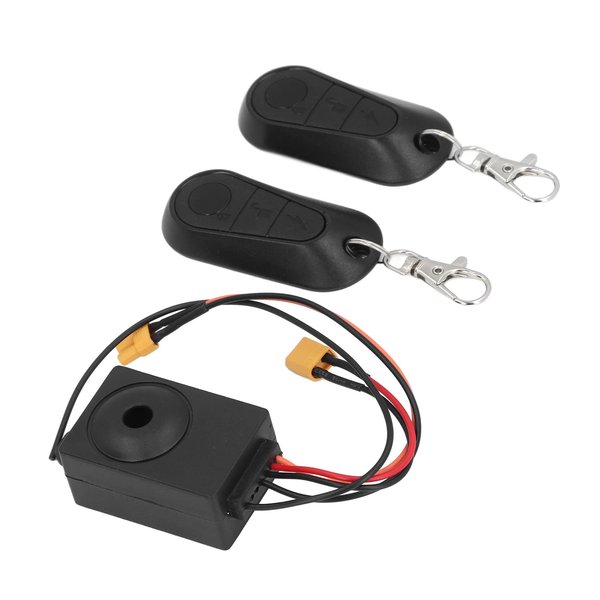
Implementing home security can deter thieves and aid in claims processing.
Protecting Your Investment: Essential EV Battery Theft Prevention Tips
While insurance provides crucial financial protection, preventing theft altogether is always the best strategy. Implementing a layered approach to electric car battery theft protection can significantly reduce your risk:
Physical Security Measures
- Secure Parking: Always park your EV in well-lit, high-traffic areas, or ideally, in a locked garage. Thieves prefer darkness and seclusion.
- Install Anti-Theft Devices: Consider aftermarket anti-theft systems, enhanced alarms, or even specialized battery locks and protection plates. Some aftermarket companies offer armored shields that make battery removal exceedingly difficult.
- Utilize Garage Parking: Keeping your EV indoors, especially overnight, dramatically reduces the risk of theft attempts on the battery and charging equipment.
Technology Solutions
- GPS Tracking Devices: Many modern EVs come with built-in GPS tracking (e.g., Tesla's mobile app tracking). For older models or additional security, consider installing hidden aftermarket GPS trackers that can help locate stolen components or the entire vehicle.
- Security Cameras: If parking at home, consider installing home surveillance systems with motion detection. These can deter thieves and provide valuable evidence for police and insurance claims.
- EV-Specific Security Systems: Some newer security systems are designed to monitor EV components specifically, detecting unauthorized access attempts to the battery or charging port.
Documentation and Habits
- Photograph Serial Numbers: Take clear pictures of your battery's serial numbers and any unique identifiers. This helps prove ownership and aids in recovery.
- Keep Purchase Documentation: Maintain meticulous records of your vehicle purchase, including battery specifications, and receipts for any charging equipment.
- Secure Charging Equipment: Never leave portable charging cables or adapters visible in your vehicle. Store them securely in the trunk or at home when not in use. For home wallboxes, ensure they are securely mounted and, if possible, in a locked garage or protected area.
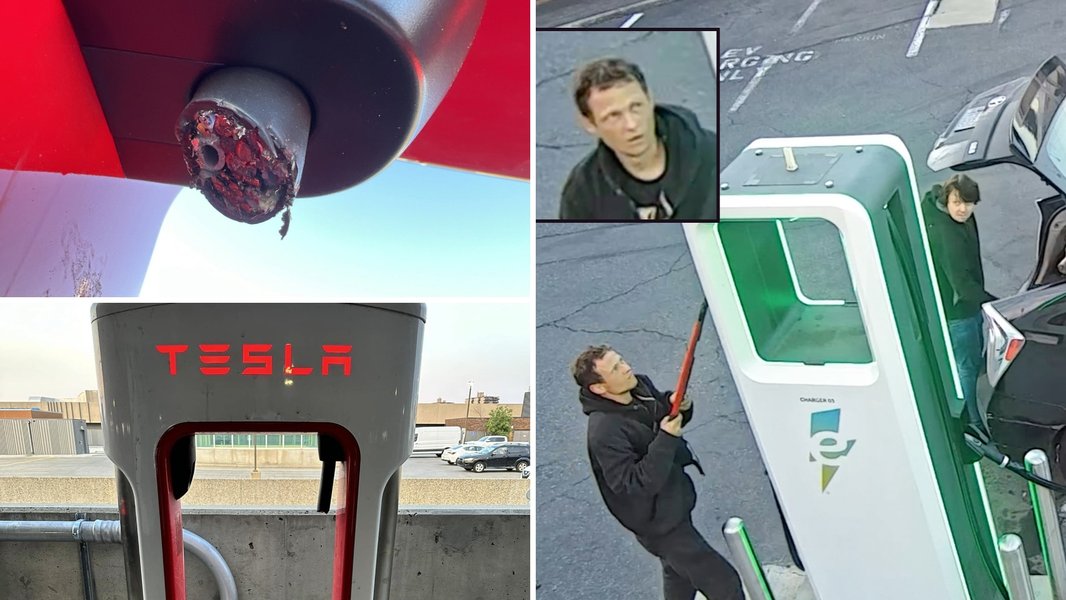
Securing charging cables is as important as protecting the battery itself.
Optimizing Your Claim: Documenting EV Battery Value Before Theft
To ensure a smoother, faster, and more accurate stolen EV battery insurance payout, it's highly beneficial to have robust documentation of your EV battery's value and condition even before a theft occurs. This proactive step can significantly reduce disputes and processing times with your insurer.
- Vehicle Purchase Documents: Keep your original sales agreement or lease contract, as these documents will detail the vehicle's MSRP, battery specifications, and initial cost.
- Battery Warranty Information: Maintain records of your battery warranty, which can provide insights into the battery's expected lifespan and original capacity.
- Service Records and Appraisals: Any records of battery health checks, software updates, or professional appraisals can help establish the battery's condition and value.
- Photographic Evidence: Take clear photos of your EV, including its VIN, and any visible battery serial numbers. If your EV has an in-car display showing battery health or capacity, a screenshot can serve as valuable proof of pre-theft condition.
- Charging Equipment Receipts: Keep receipts for all portable chargers, wallboxes, and adapters, as these also represent valuable components that could be stolen.
Comprehensive Auto Insurance vs. Homeowners Insurance for EV Components
Understanding which policy covers what is essential, especially when it comes to charging equipment that might be used both on the road and at home. There can be overlaps and distinctions:
- Comprehensive Auto Insurance: This policy primarily covers the theft of the EV itself, its integrated high-voltage battery pack, and directly attached accessories like portable charging cables while they are with the vehicle. It also covers damage to the car during the theft attempt. The deductible for auto comprehensive usually applies here.
- Homeowners or Renters Insurance: This policy typically covers items considered personal property, including a permanently installed home charging station (wallbox) attached to your property. It might also cover portable charging cables if they are stolen from your garage or home, or if they are considered "personal property" when not attached to the vehicle. Homeowners policies have their own separate deductibles.
For instance, if your Rivian's home charger is stolen from your garage, your homeowners policy might be the primary coverage. If your Ford Mustang Mach-E's portable cable is snatched from your trunk, your auto comprehensive policy would likely apply. It's advisable to review both your auto and home insurance policies with your agent to clarify potential overlaps and ensure there are no gaps in your electric car battery theft protection.
Choosing the Best Comprehensive Policy with Robust EV Theft Protection
When selecting or updating your comprehensive coverage as an EV owner, several factors should guide your decision to ensure optimal electric car battery theft protection:
- Verify EV Component Coverage: Confirm that the policy explicitly covers the theft of the high-voltage battery pack, its modules, and charging equipment.
- Evaluate Coverage Limits and Deductibles: Ensure your policy limits adequately cover the potentially high cost of EV battery replacement. Choose a deductible you are comfortable paying out-of-pocket, balancing it against your premium costs. For high-value items like EV batteries, a lower deductible might be advantageous.
- Inquire About EV-Specific Endorsements: Ask insurers (e.g., Progressive, Allstate) if they offer enhanced EV battery protection, specialized towing for EVs, gap insurance, or new car replacement options that are beneficial for expensive electric vehicles.
- Check Repair Network: Some insurers have specialized networks of certified EV repair shops equipped to handle high-voltage battery systems. This can be crucial for repairs on models like Tesla or Chevrolet Bolt.
- Compare Quotes: Always obtain quotes from multiple providers (e.g., Geico, State Farm, Farmers) to compare coverage, deductibles, and premiums. Rates can vary widely based on your EV model (e.g., Nissan Leaf vs. Hyundai Ioniq 5), driving history, and location.
FAQ: Common Questions About EV Battery Theft and Insurance Coverage
Conclusion: Protecting Your EV Investment
As electric vehicles continue to redefine personal transportation, the importance of robust insurance coverage, especially against theft, becomes increasingly evident. While the initial concern of "does insurance cover stolen EV battery" can be largely answered with a reassuring yes, the responsibility of comprehensive protection is a shared one. EV owners must diligently understand their comprehensive auto insurance policies, including what is covered, what is excluded, and the step-by-step process for filing a comprehensive insurance battery theft claim.
Coupling adequate insurance with proactive EV battery theft prevention tips—such as secure parking, utilizing advanced anti-theft devices, and meticulous documentation of your EV's components—forms the strongest defense against this evolving risk. By staying informed and taking preventive measures, you can drive your electric vehicle with greater peace of mind, knowing your valuable investment is well-protected.
