

Unpacking the distinctions in luxury, performance, and tech to find your perfect German companion.
Highlights: Decoding Your Luxury SUV Choice
- Driving Philosophy: The Audi Q5 prioritizes a comfortable, refined ride and understated luxury, while the BMW X3 offers a sportier, more engaging driving experience with a bolder presence.
- Interior Innovation: Audi's cabin focuses on minimalist design and high-quality materials with an intuitive MMI system, whereas BMW showcases a driver-centric curved display and advanced iDrive 9 software.
- Practicality & Value: The X3 typically boasts superior cargo space and better resale value, while the Q5 offers more rear legroom and often a slightly lower entry price with standard luxury features.
For discerning buyers in the market for a German premium compact SUV, the 2026 Audi Q5 and BMW X3 stand as formidable contenders, each embodying a distinct blend of luxury, engineering prowess, and technological innovation. These vehicles aren't just about getting from point A to point B; they're about the experience, the statement, and the seamless integration of advanced features into daily life. This comprehensive guide will dissect every critical aspect, from the nuances of their driving dynamics and sophisticated interiors to their practical considerations and long-term value, helping you make an informed decision that aligns with your lifestyle and preferences.
Both Audi and BMW have consistently pushed the boundaries of automotive excellence, and their 2026 iterations of the Q5 and X3 continue this tradition. However, they approach the luxury compact SUV segment with different philosophies. The Q5 often appeals to those who seek an elegant, comfortable, and technologically intuitive ride, while the X3 is designed for drivers who crave a more athletic, responsive, and exhilarating behind-the-wheel adventure. Let’s embark on a detailed exploration to uncover which of these premium machines truly resonates with your automotive desires.
Design Philosophy: Understated Elegance Versus Assertive Dynamism
The visual appeal of a luxury SUV often sets the first impression, and here, the 2026 Audi Q5 and BMW X3 present two contrasting aesthetics. Audi maintains its signature understated elegance, evolving its design language subtly yet effectively. The Q5 features a refined Singleframe grille that integrates seamlessly with its sleek, redesigned LED lighting signatures. This approach results in a modern, polished appearance that exudes sophistication without being ostentatious. It's a vehicle whose luxury is discovered and appreciated rather than overtly declared, appealing to those who prefer a more reserved yet undeniably premium look.
In stark contrast, the 2026 BMW X3 embraces a bolder, more aggressive stance. Its redesigned front end is dominated by a more prominent kidney grille and sharper, more angular lines that communicate a clear message of performance and athleticism. The X3's design is dynamic and commanding, making a stronger visual statement on the road. For drivers who desire their vehicle to project a sporty and powerful image, the X3’s assertive design language is likely to be more compelling.
Exterior Details That Define Their Character
Beyond the overall philosophy, specific exterior details further differentiate these two rivals.
Lighting Signature and Presence
- Audi Q5: Features advanced LED headlights and taillights with distinct daytime running light patterns, contributing to its refined and recognizable look. The lighting elements often flow seamlessly with the body lines.
- BMW X3: Comes standard with full projector LED headlights, offering superior illumination and a more aggressive visual. Its bolder grille and sharper creases in the bodywork emphasize its dynamic aspirations.
"The X3 has full projector LED headlights as standard equipment, while our Q5 only has projector low beams and reflector high beams, which is a noticeable difference for nighttime driving."
Wheel Options and Stance
Both manufacturers offer a range of wheel designs and sizes, typically from 18 to 21 inches, allowing for further personalization. The Q5 often maintains a more balanced and composed stance, while the X3's wider track and sculpted fenders give it a more athletic, ready-to-pounce appearance.
Driving Dynamics: Comfort-Oriented Cruise vs. Sporty Agility
This is perhaps the most significant differentiator between the 2026 Audi Q5 and BMW X3, reflecting their core brand identities. Your preference for ride quality and handling will heavily influence which SUV you find more appealing.
The Confident Cruiser: 2026 Audi Q5
The Audi Q5 is meticulously engineered for a refined, comfortable, and serene driving experience. Its suspension system is expertly tuned to absorb road imperfections, resulting in a remarkably smooth and quiet cabin. This makes the Q5 an ideal companion for long highway journeys, daily commutes, and navigating urban environments where comfort is paramount. The standard Quattro all-wheel-drive system provides exceptional grip and stability in various weather conditions, instilling confidence in the driver. The Q5's base engine, while not aggressively powerful, delivers smooth and adequate acceleration for most driving scenarios, prioritizing composure over raw sportiness.
- Ride Comfort: Emphasizes a plush, compliant ride that insulates occupants from road harshness.
- Cabin Serenity: Superior sound insulation contributes to a quiet interior, perfect for conversations or enjoying music.
- Drivetrain Confidence: Standard Quattro AWD ensures reliable traction and stability.
The Sporty All-Rounder: 2026 BMW X3
BMW's enduring reputation for crafting "the ultimate driving machine" is vividly evident in the 2026 X3. This SUV is designed for drivers who prioritize an engaging and responsive experience. The X3's steering is more communicative, offering better feedback from the road, and its chassis feels sharper and more agile when tackling winding roads. The base X3 xDrive30i model benefits from a 48-volt mild-hybrid system, boosting its output to a robust 255 horsepower. This significant power advantage over the base Q5 makes the X3 feel more energetic and eager to accelerate, delivering a more dynamic and thrilling drive.
- Engaging Handling: Sharper steering and a more responsive chassis make for a more dynamic drive.
- Potent Powertrain: Stronger base engine with mild-hybrid assistance provides quicker acceleration and a more energetic feel.
- Athletic Performance: Tuned for agility and driver involvement, making every drive feel more spirited.
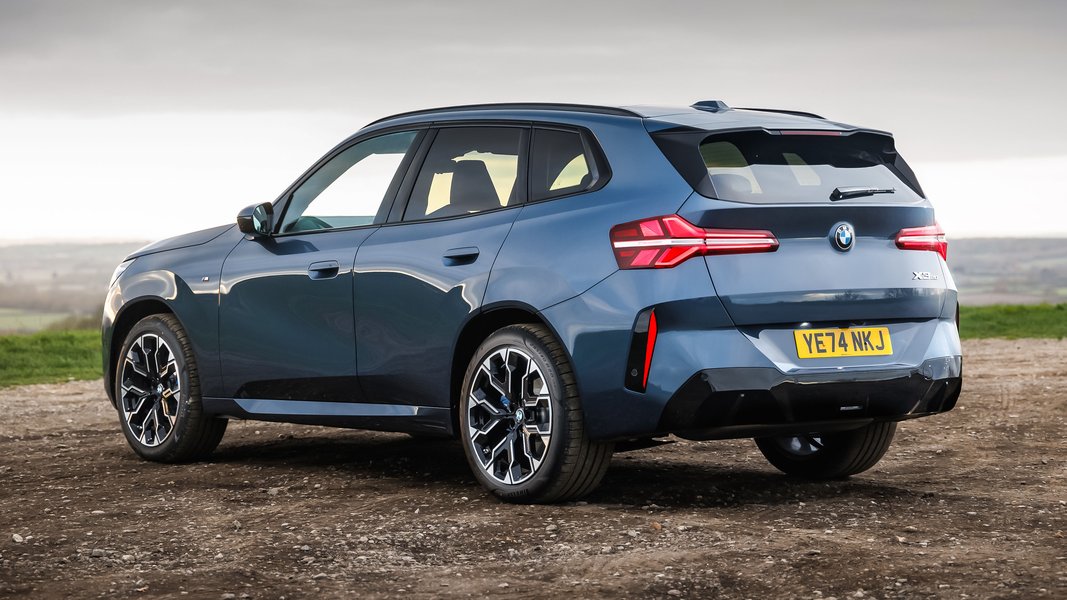
The redesigned 2026 BMW X3, showcasing its bold new exterior and dynamic lines.
Interior & Technology: Digital Immersion Meets Driver Focus
Stepping inside these luxury SUVs reveals two distinct approaches to cabin design and technological integration. Both offer premium environments, but their philosophies on how technology should interact with the driver and passengers differ.
Audi Q5 Cabin & Tech: Masterclass in Minimalism and Quality
The 2026 Audi Q5's interior is a testament to sophisticated minimalism and impeccable build quality. High-quality materials, clean lines, and precise fit-and-finish create an unmistakably upscale ambiance. For 2026, the Q5 has further enhanced its digital offerings with an available passenger-side screen and an updated MMI touch interface. This system is generally intuitive, offering haptic feedback and crisp graphics. However, some users might find the central screen's high placement on the dash a stretch to reach, and Audi's move towards digitalizing more controls means fewer physical buttons, which some traditionalists might miss.
- Luxurious Materials: Often includes standard leather seating surfaces, even in base trims, contributing to an ultra-luxurious feel.
- Intuitive MMI: A responsive MMI touch display with standard smartphone integration and voice control.
- Refined Aesthetics: Masterful integration of technology within a clean, uncluttered design.

The updated interior of the Audi Q5, featuring a minimalist design and advanced digital displays.
BMW X3 Cabin & Tech: Driver-Centric Innovation
The 2026 BMW X3's cabin is unapologetically driver-centric, emphasizing connectivity and a dynamic interface. The standout feature is the standard BMW Curved Display, which elegantly integrates a 12.3-inch digital instrument cluster and a 14.9-inch central touchscreen into a single, cohesive unit. Running the latest iDrive 9 software, this system offers versatile control options: touch, natural voice commands, and BMW’s renowned iDrive rotary controller. While the X3's interior materials are undoubtedly high-quality, some critics suggest they don't quite match the Q5's perceived plushness, especially in lower trims where leatherette is standard.
- Iconic Curved Display: A seamless digital interface that enhances the driver's cockpit.
- Versatile iDrive 9: Offers multiple input methods (touch, voice, rotary controller) for convenience.
- Sporty Accents: Design elements and seating often reflect BMW's performance heritage.
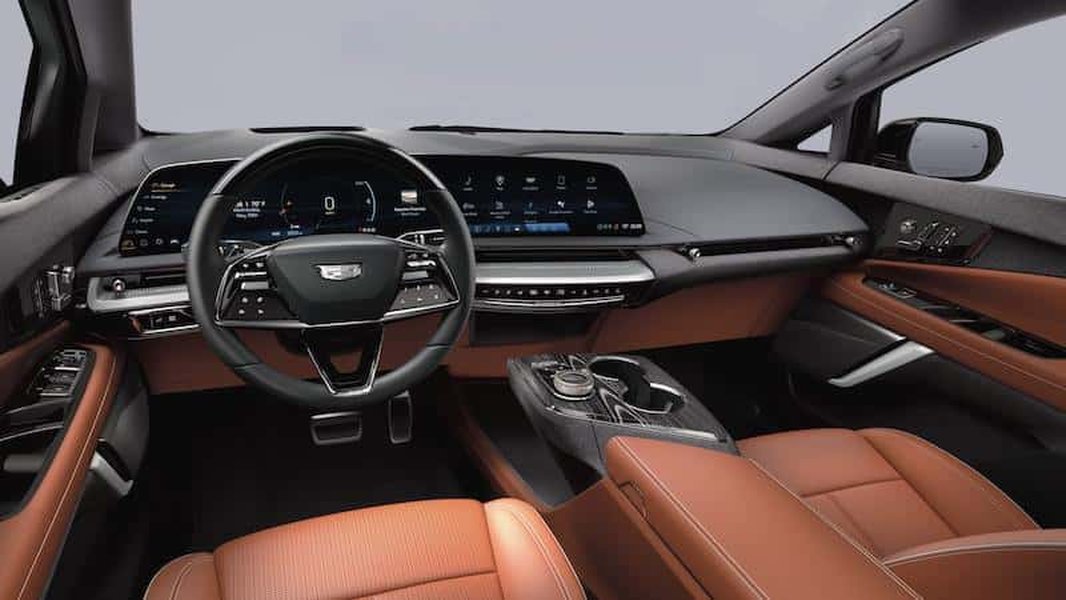
A look at a contemporary luxury SUV interior, highlighting digital screens and modern controls.
Infotainment and Safety Technologies
Both models come generously equipped with a suite of advanced driver-assistance systems (ADAS), reflecting their premium status. Features like adaptive cruise control, lane-keeping assist, automated emergency braking, and blind-spot monitoring are common across both lineups. However, the specific availability might vary by trim level or package, so a detailed review of standard versus optional features is always recommended.
- Audi's MMI: Known for its logical menu structure and crisp visuals.
- BMW's iDrive: Praised for its robust functionality and the tactile feedback of the rotary controller.
- Connectivity: Both offer wireless Apple CarPlay and Android Auto, integrated navigation, and over-the-air updates.
Practicality & Utility: Space for Life's Demands
For a luxury SUV, practicality often extends beyond opulent features to how well it accommodates daily life, whether it's family duty, cargo hauling, or long-distance travel.
Cargo Capacity: X3's Advantage
When it comes to cargo space, the 2026 BMW X3 typically holds a clear advantage. With the rear seats in use, the X3 generally offers more cubic feet of storage compared to the Q5. This difference can be significant when loading items like strollers, multiple suitcases, or sports equipment.
- BMW X3: Often provides around 31.5 cubic feet behind the rear seats.
- Audi Q5: Typically offers around 25.6 cubic feet behind the rear seats.
Passenger Comfort: Q5's Rear Seat Generosity
While the X3 excels in cargo, the Q5 often counters with superior rear legroom. This makes a notable difference for adult passengers or older children on longer journeys, providing a more comfortable and less cramped experience. Both offer comfortable front seating with ample adjustability.
- Audi Q5: Known for its generous rear legroom, often around 38 inches.
- BMW X3: Offers comfortable rear seating, typically around 36.4 inches of legroom.
Towing Capability
For those who occasionally need to tow, the BMW X3 generally has a published towing capacity of up to 4,400 lbs. Audi historically has not published official towing capacities for the Q5, suggesting it's more suited for lighter towing needs or is not a primary focus. If towing is a regular requirement, the X3 is the more explicitly capable option.
Cost of Ownership & Value Proposition
The initial purchase price is just one part of the equation when investing in a premium vehicle. Long-term costs, including depreciation, maintenance, and reliability, significantly impact the overall value proposition.
Starting MSRP and Feature Equivalence
The 2026 Audi Q5 often has a slightly lower starting MSRP compared to the BMW X3. Furthermore, the Q5 tends to offer a richer set of standard features in its entry-level trims, such as genuine leather upholstery and heated front seats, which might be optional on the X3.
- Audi Q5: Starting MSRP around $46,695.
- BMW X3: Starting MSRP around $49,500.
Depreciation and Resale Value
In terms of retaining value, the BMW X3 typically performs better than the Audi Q5. Industry data often indicates that the X3 holds its value more effectively over a five-year period, resulting in lower depreciation costs.
Maintenance and Reliability
Both German luxury brands are known for premium maintenance costs, which are generally higher than non-luxury vehicles. However, there can be nuances in their reliability scores.
- BMW X3: Often receives slightly higher reliability ratings from organizations like iSeeCars and J.D. Power, suggesting fewer reported issues over time.
- Audi Q5: While still highly rated, it may trail the X3 slightly in some reliability metrics, though it offers strong overall quality scores.
"While the Audi Q5 often has a lower starting price, the BMW X3 is typically predicted to hold its value better over time, making it a stronger investment from a resale perspective."
Performance & Fuel Efficiency: Power vs. Practicality
Delving deeper into performance, both SUVs offer compelling engine options, with varying degrees of power and efficiency.
Base Engine Performance
The 2026 BMW X3 typically boasts a more powerful base engine than the Audi Q5. The X3's 255 hp, 48-volt mild-hybrid powertrain provides a noticeable edge in acceleration and responsiveness. The Q5's base engine offers 201 hp, providing sufficient power but with a focus on smoothness rather than outright speed.
 Hybrid Options and Top Trims
Both manufacturers offer more potent variants and hybrid options for those seeking enhanced performance or fuel economy.
- Audi Q5 e-hybrid: Tends to offer a better EV-only range and strong performance from its plug-in hybrid powertrain.
- BMW X3 xDrive30e: Emphasizes strong hybrid efficiency with a slightly lower electric-only range but maintains BMW's dynamic character.
- High-Performance Models: For enthusiasts, the BMW X3 M50 (or potential full M models) and the Audi SQ5 provide significantly increased horsepower and sport-tuned suspensions, transforming them into true performance SUVs.
Fuel Economy (Combined MPG)
The integration of mild-hybrid systems and efficient engine tuning allows both vehicles to offer competitive fuel economy in the luxury compact SUV segment.
- BMW X3: Often achieves a combined estimated MPG of around 29 mpg.
- Audi Q5: Typically offers a combined estimated MPG of around 26 mpg.
Detailed Comparison Table: 2026 Audi Q5 vs. BMW X3
To provide a clearer snapshot, here’s a consolidated comparison of key specifications for the 2026 models. This table summarizes the main differences and similarities discussed.
| Feature | 2026 Audi Q5 (Base Model Est.) | 2026 BMW X3 (Base Model Est.) |
|---|---|---|
| Starting MSRP | $46,695 | $49,500 |
| Base Engine Horsepower | 201 hp | 255 hp |
| Standard Drivetrain | Quattro AWD | xDrive AWD |
| Combined MPG (Est.) | 26 mpg | 29 mpg |
| Cargo Space (Rear Seats Up) | 25.6 cu ft | 31.5 cu ft |
| Rear Legroom | 38.0 inches | 36.4 inches |
| Infotainment System | MMI touch display | BMW Curved Display (12.3" + 14.9") |
| Headlights | Projector Low Beams / Reflector High Beams | Full Projector LED (Standard) |
| Standard Upholstery | Genuine Leather | Leatherette |
| iSeeCars Quality Score | 8.1 / 10 | 8.4 / 10 |
| Resale Value (5-Year Est.) | Higher depreciation (~48.2% value loss) | Lower depreciation (better value retention) |
| Typical Ride Quality | Smooth, comfortable, quiet | Sporty, engaging, responsive |
Table: A side-by-side comparison of estimated key specifications for the 2026 Audi Q5 and BMW X3 base models.
The Verdict: Which Premium SUV is Your Ideal Match?
Ultimately, the choice between the 2026 Audi Q5 and BMW X3 is highly personal, reflecting individual priorities and driving preferences. Both are exceptional examples of German engineering, offering a premium experience that will satisfy the most discerning buyers. However, their fundamental differences make them suitable for different types of drivers.
Choose the 2026 Audi Q5 if:
- You prioritize a supremely comfortable, quiet, and refined ride quality for daily commutes and long journeys.
- You appreciate an understated, elegant design aesthetic and a cabin distinguished by impeccable build quality and luxurious standard materials (like genuine leather).
- Superior rear legroom and passenger comfort are important for your family or frequent adult passengers.
- You desire a slightly lower entry price and a minimalist, intuitive technology interface.
Choose the 2026 BMW X3 if:
- You are a passionate driver who craves an athletic, engaging, and responsive driving experience with sharper handling and more communicative steering.
- You need greater cargo space and potentially stronger towing capabilities for active lifestyles.
- You are drawn to cutting-edge technology, particularly the bold BMW Curved Display and the versatile iDrive 9 system.
- You prioritize stronger resale value and a more powerful base engine that delivers more spirited acceleration.

The dynamic front fascia of the 2026 BMW X3, highlighting its prominent grille and aggressive lines.
The "best" choice is truly the one that aligns most closely with your personal priorities and how you envision using your luxury compact SUV. The only way to truly decide is to experience them firsthand. Visit your local dealerships, test drive the specific trims that interest you, and pay close attention to how each vehicle feels, sounds, and integrates into your driving style. Your perfect match is waiting for you to discover it.
Frequently Asked Questions
Conclusion
The 2026 Audi Q5 and BMW X3 remain at the forefront of the premium compact SUV segment, each offering a compelling package for high-income buyers. Your ultimate decision hinges on what you value most in a luxury vehicle. If a serene, comfortable, and elegantly appointed cabin with advanced, user-friendly technology and ample rear passenger space is your priority, the Audi Q5 will likely be your ideal companion. However, if your heart yearns for a more dynamic, engaging driving experience, a bolder design statement, superior cargo capacity, and potentially stronger resale value, the BMW X3 is poised to deliver. Both represent the pinnacle of German automotive engineering, promising satisfaction and prestige. We highly recommend test driving both models to truly appreciate their distinct characters and determine which one truly resonates with your personal preferences and driving style.
