

As autonomous taxis go mainstream, discover how they work, who's leading the charge, and what it means for our cities.
Highlights of the Robotaxi Era:
- Global Expansion: Robotaxis are no longer a futuristic concept, with significant commercial operations now live in major cities across the US, China, and expanding into Europe and the Middle East.
- Advanced Technology: These vehicles utilize sophisticated sensor suites (LiDAR, radar, cameras) and AI to navigate complex environments safely, with continuous improvements pushing capabilities further.
- Transformative Impact: From potentially reducing traffic fatalities and congestion to offering more accessible and cost-effective transportation, robotaxis are set to reshape urban mobility.
The year 2026 marks a significant milestone in the evolution of transportation. What was once a distant dream of science fiction has officially arrived: the robotaxi. Fully autonomous vehicles, operating without a human behind the wheel, are now a tangible reality, ferrying passengers in bustling urban centers around the globe. This guide provides a comprehensive look into this rapidly evolving industry, exploring the technology that powers these driverless cars, the key players driving their deployment, their safety records, economic implications, and the profound impact they are having on our cities and daily lives.
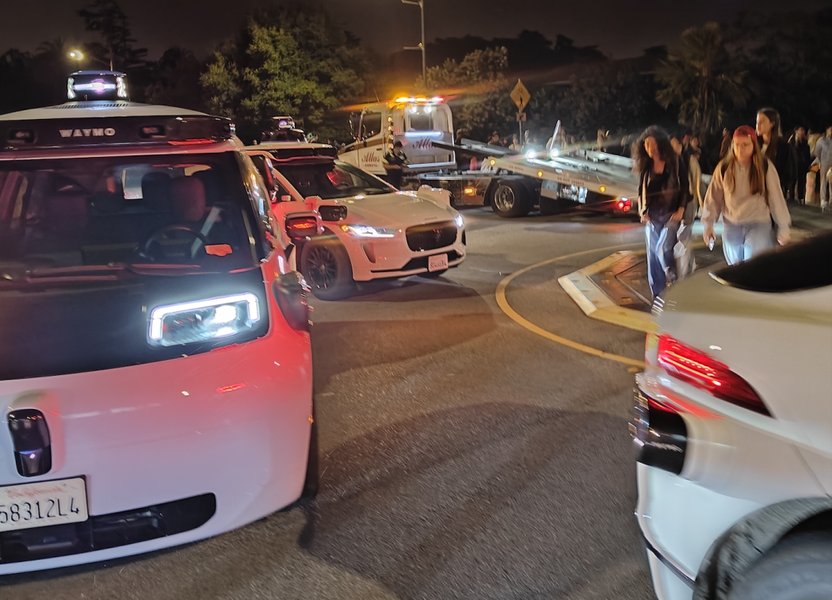
A Waymo robotaxi navigating city streets, showcasing the integration of advanced sensors.
What Exactly Is a Robotaxi?
At its core, a robotaxi is a vehicle designed to operate entirely without human input, offering on-demand ride-hailing services. Unlike traditional taxis or ride-share cars, these vehicles handle all driving tasks autonomously, from picking you up to dropping you off at your destination. They typically function at SAE Level 4 or Level 5 autonomy, meaning they can manage most, if not all, driving situations within specified operational domains or under all conditions.
These sophisticated machines combine an intricate network of sensors, cutting-edge artificial intelligence, and real-time data processing to perceive their surroundings, make driving decisions, and safely navigate complex urban environments. The absence of a human driver is a defining characteristic, differentiating them from other advanced driver-assistance systems.
The Brains Behind the Wheel: How Robotaxis Operate
The operational prowess of a robotaxi stems from a highly integrated system of hardware and software working in concert. It's a continuous cycle of sensing, processing, predicting, and executing, allowing the vehicle to understand and react to its dynamic environment.
Sensing the World: The Sensor Suite
Robotaxis are equipped with a diverse array of sensors, each providing unique data to build a comprehensive 360-degree view of the environment:
- Vision Systems (Cameras): High-resolution cameras are crucial for identifying traffic lights, lane markings, pedestrians, cyclists, and other vehicles. They provide vital visual context for the AI system.
- LiDAR (Light Detection and Ranging): These laser sensors emit pulsed light to measure distances and create highly detailed 3D maps of the surroundings. LiDAR excels at perceiving static and dynamic objects and understanding the geometry of the environment, even in low light.
- Radar: Using radio waves, radar sensors detect objects and measure their speed and distance. Radar is particularly effective in adverse weather conditions like fog, heavy rain, or snow, where cameras and LiDAR might be less reliable.
- Ultrasonic Sensors: These short-range sensors assist with close-quarter maneuvers, such as parking or navigating tight spaces, by detecting nearby obstacles.
The data from these various sensors is then "fused" together by the vehicle's central computer. This sensor fusion process is critical for creating a robust and redundant understanding of the driving environment, mitigating the limitations of any single sensor type.
Processing Information: AI and Decision-Making
Once the sensor data is gathered, advanced AI algorithms and neural networks take over. These systems are the "brains" that interpret the fused data to make real-time driving decisions:
- Object Identification and Classification: AI algorithms distinguish between different objects (e.g., cars, trucks, pedestrians, traffic cones, bicycles) and understand their type and state.
- Behavioral Prediction: One of the most complex tasks is predicting the future movements and intentions of other road users. The AI constantly forecasts how pedestrians might cross or how other vehicles might change lanes.
- Path Planning: Based on its understanding of the environment and predicted behaviors, the AI plans the safest and most efficient path for the robotaxi, continuously adjusting for real-time conditions.
- Control and Actuation: Finally, the AI sends precise instructions to the vehicle's control systems, managing steering, acceleration, and braking to execute the planned trajectory smoothly and safely.
Many systems leverage extensive training data from millions of real-world driving miles and simulations, allowing them to learn from and adapt to countless scenarios. Some companies are moving towards end-to-end AI models that directly translate camera and sensor input into driving actions, simplifying the perception-to-action pipeline.
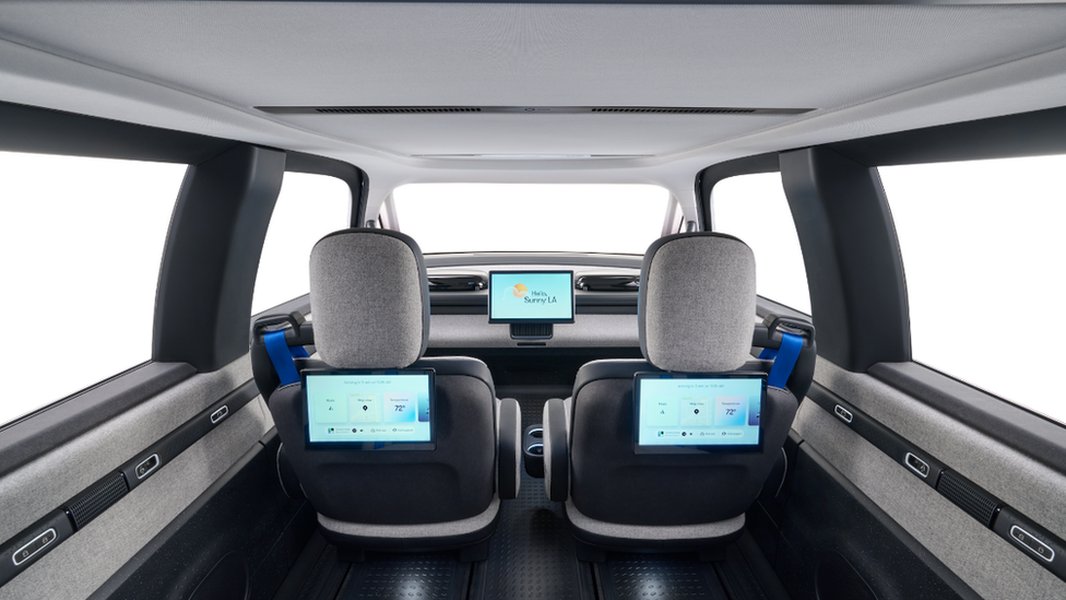
The interior of a Waymo robotaxi, showing the passenger-centric design and interface.
The Global Landscape: Who's Leading the Robotaxi Race in 2026?
The robotaxi market in 2026 is a dynamic arena with a mix of tech giants, automotive manufacturers, and specialized startups vying for dominance. Each player brings a unique approach to technology, deployment strategy, and market focus.
Waymo (Alphabet Subsidiary)
- Market Presence: Waymo stands as a pioneer and leader in commercial autonomous vehicle operations. As of mid-2026, Waymo operates one of the most extensive robotaxi services globally, providing hundreds of thousands of paid rides weekly.
- Operational Cities: Its services are well-established in Phoenix, San Francisco, Los Angeles, Austin, Atlanta, and have recently expanded to Miami and Orlando in the United States.
- Technology Approach: Waymo utilizes a comprehensive sensor suite including LiDAR, radar, and cameras, supported by advanced AI and a "World Model" for training and handling complex scenarios.
- Expansion Plans: Waymo is making its first significant international move with a planned launch in London in late 2026.
Tesla
- Market Presence: Tesla entered the robotaxi service with a limited launch in Austin, Texas, in June 2025. By mid-2026, it has expanded to Dallas, Houston, and Miami.
- Technology Approach: Tesla's strategy is distinctive, relying almost exclusively on cameras and its Full Self-Driving (FSD) software, without LiDAR or traditional radar. The fleet primarily consists of modified Tesla Model Y vehicles.
- Unique Model: Tesla plans to eventually integrate personal Tesla vehicles into its shared robotaxi network, allowing owners to earn income from their cars.
Baidu Apollo Go
- Market Presence: Baidu's Apollo Go is a dominant force in China, boasting one of the largest robotaxi operations in the Eastern Hemisphere by both fleet size and ride volume, operating in 16 major cities including Beijing, Wuhan, Shenzhen, and Shanghai.
- International Expansion: In a significant move, Baidu launched a fully driverless service in Abu Dhabi in January 2026.
- Technology: Apollo Go employs Level 4 autonomy, leveraging LiDAR, radar, and AI-driven perception systems, similar to many industry leaders.
Uber (with Strategic Partnerships)
- Market Strategy: Instead of developing its own autonomous driving technology, Uber is strategically partnering with leading AV companies to integrate robotaxi services onto its popular ride-hailing platform.
- Key Partnerships: A notable collaboration includes the unveiling of a production-intent robotaxi with Lucid (for EV hardware) and Nuro (for self-driving technology) at CES 2026, targeting a San Francisco Bay Area launch later in the year. Uber also has trials with Avride in Dallas and Motional in Las Vegas.
- Global Ambition: Uber's CEO has expressed plans to offer robotaxi services in over 10 countries and 15 cities by late 2026.
Other Significant Contributors
- Pony.ai: Active in both China and the US, Pony.ai is expanding its global fleet, aiming for over 10,000 vehicles, and recently announced a pilot in Zagreb, Croatia, with Verne.
- Zoox (Amazon): Amazon's autonomous vehicle subsidiary launched commercial service in late 2025, with expansion plans for San Francisco, Las Vegas, Miami, and Austin, showcasing purpose-built robotaxi designs.
- WeRide: Another key Chinese player with significant operations in multiple cities, contributing to the rapid growth of robotaxis in the region.
- Cruise (General Motors): After facing significant setbacks and temporarily pausing operations, Cruise is regrouping, focusing on integrating its "Cruise Driver" technology rather than widespread deployment in custom vehicles for now.
The competition is fierce, and partnerships are becoming increasingly common as companies seek to combine expertise in EV manufacturing, autonomous technology, and ride-hailing platforms.
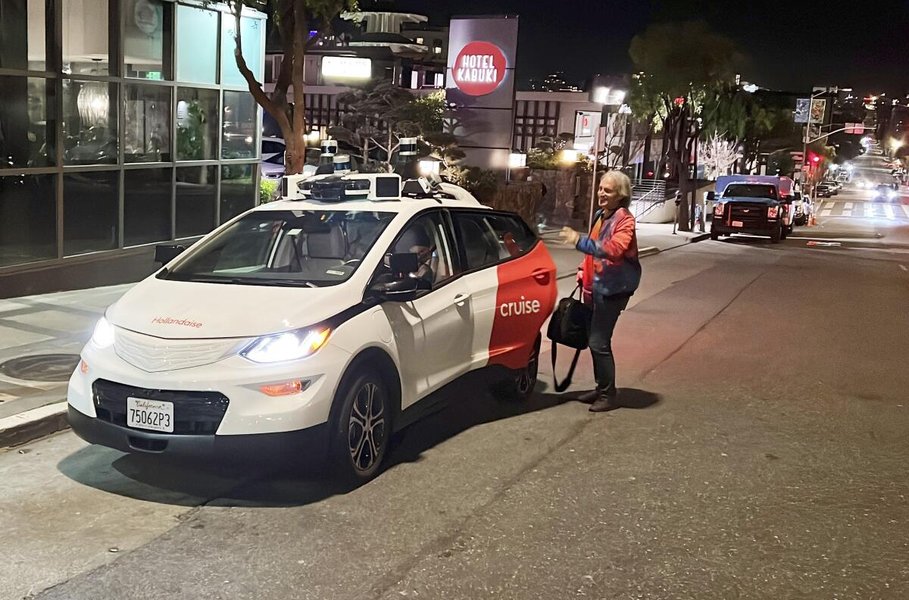
A Cruise autonomous vehicle on the streets, highlighting the challenges and scrutiny faced by the industry.
What a Robotaxi Ride Feels Like
For first-time riders, the experience of a robotaxi is largely familiar, with one significant difference: the absence of a human driver. The process is streamlined and app-driven, designed for convenience and efficiency.
- Requesting a Ride: You simply open the operator's app (e.g., Waymo, Tesla Robotaxi) and request a ride within the designated service zone, much like any traditional ride-hailing service.
- Pickup: The app will direct you to a precise pickup spot. The robotaxi arrives, and you verify your identity, often through the app or by scanning a QR code, which then unlocks the doors.
- The Journey: Once inside and buckled up, the trip begins automatically. You might find controls for climate, music, or customer support within the cabin. The ride is typically smooth and cautious, with the vehicle adhering strictly to traffic laws.
- Drop-off: The robotaxi will take you to a safe drop-off location near your destination. Once you exit, the car drives off to its next task or charging station.
Pro Tip: Robotaxis often prefer well-defined pickup spots. If a proposed pickup looks awkward, try adjusting the pin to a clearer curb or a side street for a smoother experience.
Robotaxi Pricing: Costs and Models
The pricing structures for robotaxis are still evolving but are showing a clear trend towards becoming more competitive than traditional ride-hailing services due to the elimination of driver wages.
Current Pricing Approaches
- Base Fare + Distance/Time: Many robotaxi services follow a model similar to conventional ride-hailing, combining a base fare with per-mile and/or per-minute charges. Dynamic pricing ("surge pricing") can still apply during peak demand.
- Flat Rate Promotions: During initial launch phases or in specific zones, some companies offer flat-rate promotions to encourage adoption and trial. Tesla, for instance, initially offered low fixed prices in Austin.
- Subscription Models: As services mature, subscription options for frequent users are emerging, offering discounts or unlimited rides within certain parameters.
Cost Advantages and Future Projections
The long-term economic promise of robotaxis lies in their operational efficiency. Eliminating the driver's salary significantly reduces operational costs. Analysts predict substantial cost reductions over time:
- Current: Approximately $0.90-$1.50 per mile.
- Projected (2030): Potentially as low as $0.50 per mile.
Goldman Sachs Research anticipates that vehicle depreciation costs will decrease from roughly $0.35 per mile in 2025 to about $0.14 by 2035. This, combined with falling insurance premiums and reduced remote operator wages per mile (as technology improves), will make robotaxis increasingly affordable, potentially cheaper than personal car ownership for many urban residents.
Safety First: Robotaxi Performance Records
Safety remains the paramount concern for both regulators and the public regarding autonomous vehicles. While the technology is continuously improving, the safety record presents a mixed picture that is rapidly trending positively as more real-world data is collected.
Key Safety Advantages of Robotaxis
- Elimination of Human Error: Robotaxis do not get distracted, impaired, or fatigued, removing a major cause of accidents.
- Consistent Performance: Unlike humans, autonomous systems maintain consistent performance levels, not being affected by emotions or external factors.
- 360-Degree Awareness: The extensive sensor suite provides constant, omnidirectional awareness, eliminating blind spots.
- Faster Reaction Times: Computers can process information and react to hazards in milliseconds, often quicker than human drivers.
Current Safety Metrics and Challenges
- Industry Leader (Waymo): Waymo generally reports incident rates significantly below human drivers in comparable operating conditions, often driving millions of miles with very few reported collisions involving their AV technology.
- Emerging Data (Tesla): Early data for Tesla's unsupervised robotaxi services has shown higher incident rates than human drivers in certain contexts, though this is rapidly improving as the FSD software matures and accumulates more miles.
- Edge Cases: Unpredictable scenarios, such as unusual road construction, complex human behaviors (e.g., jaywalking, aggressive driving), or emergency vehicle interactions, still pose challenges.
- Weather Limitations: While improving, severe weather conditions like heavy snow, rain, or dense fog can still limit operational domains or require services to pause.
The industry is committed to continuous improvement through data-driven iteration, extensive simulation, and robust testing protocols. Regulatory bodies are also playing a crucial role in establishing safety standards and overseeing deployment, with frameworks evolving in major markets to ensure public trust and safe operation.
Global Availability and Expansion in 2026
The robotaxi revolution is global, but its rollout is characterized by varying paces and regulatory environments across different regions.
North America: A Hub of Deployment
- United States: The US leads in commercial robotaxi deployment. Services are extensively available in California (San Francisco, Los Angeles), Arizona (Phoenix), Texas (Austin, Dallas, Houston), and the Southeast (Atlanta, Miami, Orlando).
- Planned Expansions: Many operators anticipate expanding into over a dozen additional US metros by the end of 2026.
Asia: Innovation and Scale
- China: China has emerged as a powerhouse, with Baidu's Apollo Go operating in 16 major cities. Other local players like Pony.ai and WeRide are also scaling rapidly, benefiting from strong government support for intelligent connected vehicles.
- Middle East: The UAE is an early adopter, with Baidu launching fully driverless services in Abu Dhabi in January 2026, and Dubai exploring pilot programs.
Europe: Cautious but Growing
- United Kingdom: Waymo plans its first major European launch in London in late 2026.
- Central Europe: Croatia (Pony.ai and Verne in Zagreb) and Switzerland (Waymo in Zurich by mid-2026) are seeing initial fully driverless operations.
- Wider Pilots: Multiple pilot programs are underway across Germany and other European nations as regulatory frameworks mature.
Important Note: While expansion is rapid, most robotaxi services are currently contained within "geofenced" areas—predefined operational zones where the technology has been thoroughly validated. Gradual expansion within these zones and into new cities is the ongoing trend.
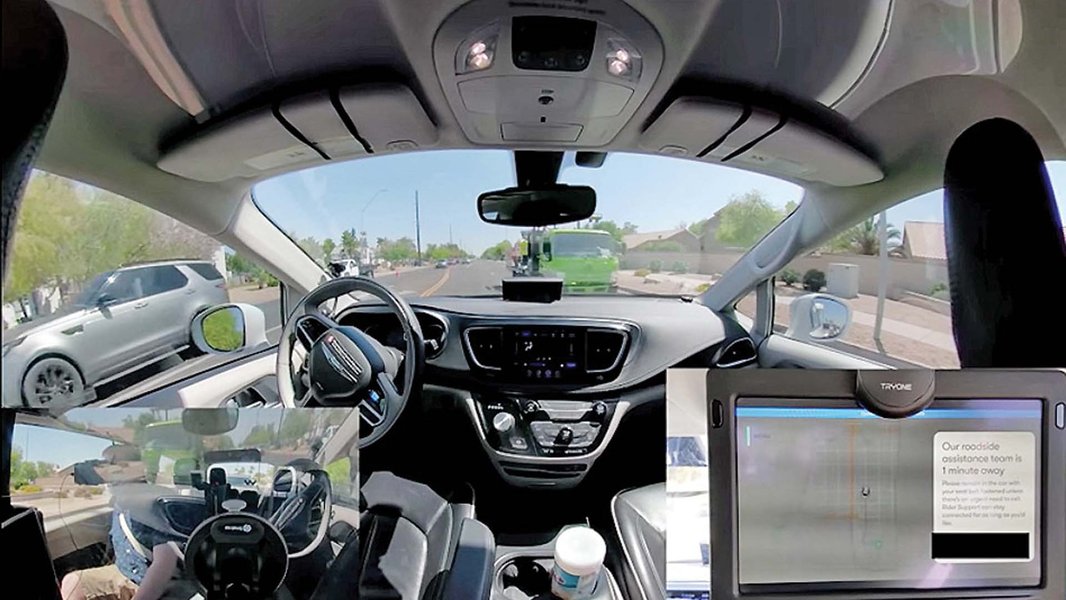
A self-driving taxi operating in San Francisco, illustrating urban deployment.
The Transformative Impact on Transportation and Cities
The widespread adoption of robotaxis is poised to bring about profound changes, redefining urban mobility and influencing city planning and design.
Anticipated Benefits
- Enhanced Safety: The potential to drastically reduce traffic accidents, injuries, and fatalities by eliminating human error is a primary benefit.
- Improved Accessibility: Robotaxis can offer mobility solutions for individuals unable to drive, such as the elderly, visually impaired, or those with certain disabilities, promoting greater independence.
- Reduced Congestion: Optimized routing, efficient vehicle utilization, and the potential for shared autonomous vehicles could lead to smoother traffic flow and less time spent idling.
- Lower Transportation Costs: For many urban dwellers, robotaxis could become a more affordable alternative to personal car ownership or traditional taxis, particularly as operational costs decline.
- Environmental Advantages: The vast majority of robotaxis are electric vehicles (EVs), contributing to reduced tailpipe emissions and improved air quality in urban areas.
- Space Optimization: A shift away from private car ownership could free up significant urban space currently dedicated to parking, allowing for new public spaces or development.
Challenges and Trade-offs
- Regulatory Hurdles: Harmonizing diverse and evolving regulations across different jurisdictions remains a complex challenge for widespread deployment.
- Public Acceptance: Building and maintaining public trust in driverless technology requires sustained safe operations and clear communication, especially after high-profile incidents.
- Job Displacement: The rise of robotaxis will undoubtedly impact the livelihoods of professional drivers, necessitating discussions around workforce retraining and new job creation.
- Technical Edge Cases: While advanced, robotaxi technology still encounters unpredictable "edge cases" that require continuous refinement and testing.
- Infrastructure Integration: Cities need to adapt their infrastructure to support large-scale autonomous fleets, including charging stations, dedicated lanes (in some visions), and smart traffic management systems.
Important Note: City partnerships are crucial. Collaborative efforts between robotaxi operators and municipal authorities on data sharing, incident reporting, and curb management will accelerate responsible growth and integration.
Future Predictions and Market Growth (2026-2035)
The robotaxi industry is at an inflection point, transitioning from early adoption to accelerated growth. Industry analysts foresee a rapid expansion in the coming decade.
Near-Term Projections (2026-2028)
- Fleet Growth: The global robotaxi fleet is projected to grow significantly, moving from an estimated 7,000 vehicles in 2024 to potentially hundreds of thousands by the end of 2028.
- Geographic Expansion: Services are expected to launch in dozens of new cities worldwide, with continued expansion within existing operational domains.
- Cost Reductions: Ride prices will likely decrease, becoming 50-60% of traditional ride-hailing costs, driven by improved efficiency and scale.
- Technology Improvements: Significant advancements in handling complex urban environments and a wider range of weather conditions are anticipated.
Long-Term Outlook (2030-2035)
- Market Size: The global robotaxi market is projected to reach substantial figures, with estimates ranging from over $145 billion by 2035 (Fortune Business Insights) to approximately $415 billion by 2035 (Goldman Sachs Research).
- Fleet Scale: The number of commercial autonomous vehicles worldwide could reach 6 million by 2035.
- Dominant Platforms: The market may consolidate around 3-5 major global platforms that offer integrated mobility solutions.
- Vehicle Design: Expect to see more purpose-built vehicles optimized specifically for autonomous ride-hailing, focusing on passenger comfort, durability, and operational efficiency.
The industry's focus is shifting from simply proving "can it drive?" to "can it make money?" Profitability at scale is expected to become more widespread after 2028 as fleet densities increase and sensor costs continue to fall.
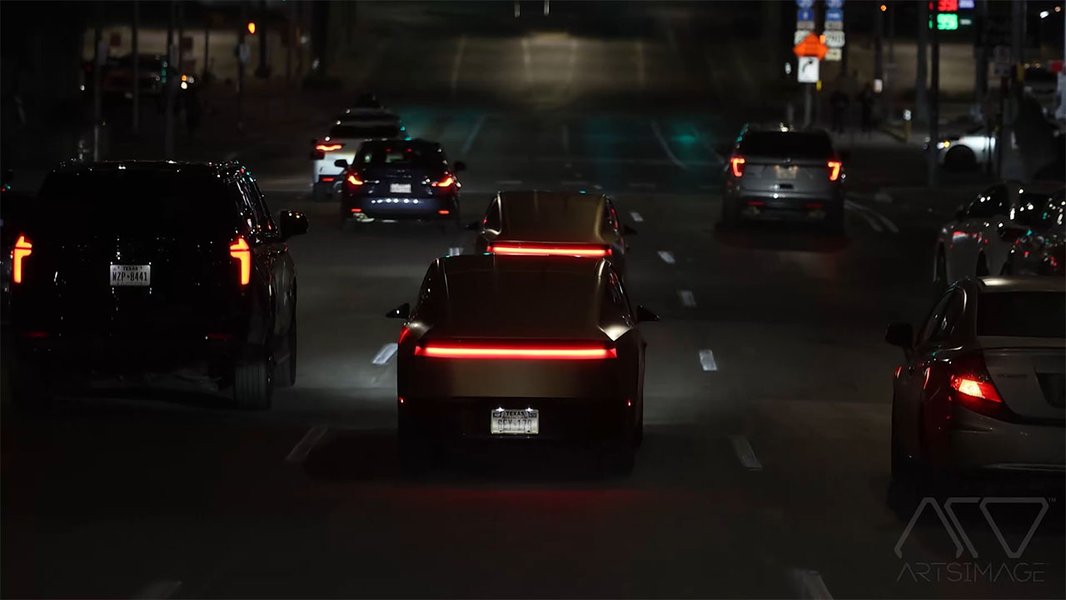
Tesla Cybercab robotaxis operating at night in Austin, Texas.
Choosing a Robotaxi Service (If You Have Options)
As robotaxi services become more common, riders in cities with multiple operators may need to consider several factors when choosing a service:
- Coverage Area: Ensure the service reliably covers both your pickup and drop-off locations. Check in-app maps for real-time service boundaries.
- Wait Times: Monitor estimated arrival times, especially during peak hours, as fleet sizes and demand can vary between operators.
- Pricing: Compare upfront fare estimates across different apps before confirming your ride. Look out for promotional offers.
- Safety Features: Familiarize yourself with in-cabin safety features, such as emergency buttons, support chat functions, and incident reporting policies.
- Accessibility: If you have specific accessibility needs (e.g., space for mobility devices, service animals, audio prompts), verify that the chosen service can accommodate them.
Frequently Asked Questions (FAQ)
Conclusion: The Road Ahead for Robotaxis
The robotaxi revolution is not just a technological marvel; it's a societal shift that is rapidly gaining momentum. In 2026, these autonomous vehicles have moved beyond experimental phases to become a tangible, commercial reality in numerous cities worldwide. While challenges related to regulation, public acceptance, and continuous technological refinement persist, the trajectory is clear: more vehicles, smarter software, deeper industry partnerships, and an increasingly sophisticated rider experience.
The potential benefits—safer roads, reduced environmental impact, increased mobility access, and more efficient urban spaces—are compelling. As the technology matures and deployment scales, robotaxis are set to fundamentally transform how we perceive and experience urban transportation, ushering in an era of unprecedented convenience and accessibility. The journey is ongoing, but the future of driverless mobility is undeniably here.
