

Unveiling the meteoric rise of the world's leading EV manufacturer, from battery innovator to global automotive giant.
Key Insights into BYD's Global Ascent
- Battery Prowess: BYD's deep roots in battery manufacturing, especially with its pioneering Blade Battery technology, underpin its cost advantages, safety, and rapid innovation in the EV sector.
- Diverse Electrified Portfolio: Unlike many competitors, BYD offers a broad spectrum of New Energy Vehicles (NEVs), including both Battery Electric Vehicles (BEVs) and highly efficient DM-i Plug-in Hybrids (PHEVs), catering to varied global market needs and infrastructure readiness.
- Aggressive Global Expansion: With ambitious targets for overseas sales and strategic establishment of manufacturing plants across Europe, Asia, and beyond, BYD is rapidly solidifying its position as a truly international automotive force.
In the rapidly evolving landscape of electric vehicles (EVs), one company has steadily climbed to the forefront, not just challenging, but often redefining, the industry's trajectory. BYD Auto, an acronym for "Build Your Dreams," has transformed from a relatively unknown Chinese battery manufacturer into the world's largest producer of New Energy Vehicles (NEVs). This comprehensive guide delves into BYD's remarkable journey, exploring its foundational technologies, expansive vehicle lineup, strategic global moves, and why it's increasingly seen as a dominant player in the global EV race, often outpacing established rivals like Tesla.
Understanding BYD is crucial for anyone interested in the future of mobility, from prospective EV buyers to industry observers. Their integrated approach, innovative spirit, and aggressive market strategies paint a vivid picture of where the automotive world is headed.
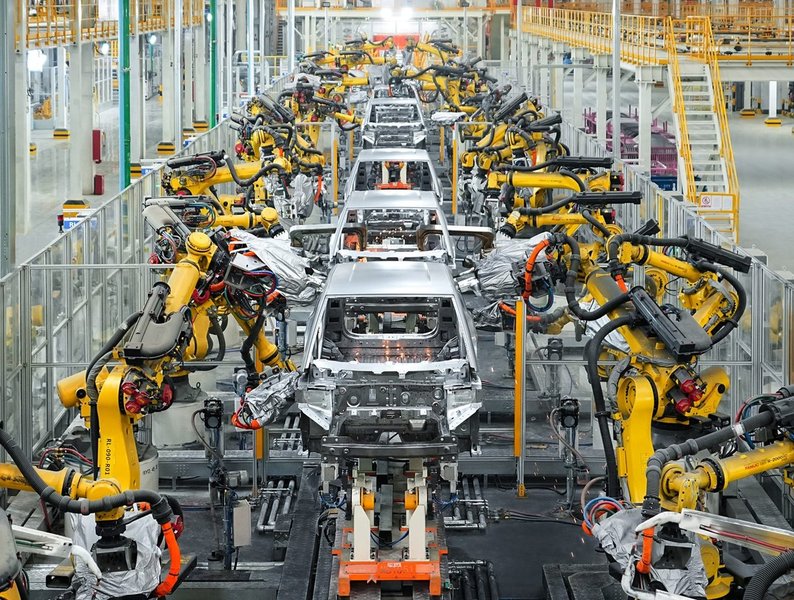
BYD's massive production capabilities are a testament to its ambition and scale.
The Genesis of a Giant: BYD's Evolutionary Path
BYD's story began in 1995, not in automotive manufacturing, but as a rechargeable battery producer. This initial expertise laid the groundwork for its future success in electrification. In 2003, the company made a strategic leap into the automotive sector by acquiring Tsinchuan Automobile Company, marking the official birth of BYD Auto.
Initially, BYD produced conventional internal combustion engine (ICE) vehicles. However, a forward-thinking vision quickly steered the company toward New Energy Vehicles (NEVs), embracing both electric and hybrid powertrains. This pivotal decision proved instrumental, positioning BYD at the vanguard of the nascent EV revolution. Over the years, BYD has meticulously built an integrated supply chain, encompassing everything from raw material sourcing and battery cell production to advanced vehicle assembly. This vertical integration has provided an unparalleled advantage in cost control, technological independence, and rapid innovation.
Milestones Shaping BYD's Dominance
- 1995: BYD Company founded as a rechargeable battery manufacturer.
- 2003: Entry into the automotive industry with the acquisition of Tsinchuan Automobile.
- 2008: Launch of BYD's first hybrid vehicle, pioneering plug-in technology.
- 2022: Announcement to cease production of pure ICE vehicles, fully committing to NEVs.
- 2025: Surpasses Tesla in global EV sales, becoming the world's largest EV manufacturer.
- 2026: Aggressive global expansion with new manufacturing plants and sales targets.
"Our goal is to help stakeholders understand the future of mobility." - Stella Li, Executive Vice President, BYD
Pioneering Battery Technology: The Blade Battery Advantage
At the core of BYD's technological leadership is its groundbreaking battery innovation, most notably the Blade Battery. Developed by BYD's subsidiary FinDreams Battery, this lithium iron phosphate (LFP) battery technology has fundamentally reshaped industry standards for safety, longevity, and cost-effectiveness.
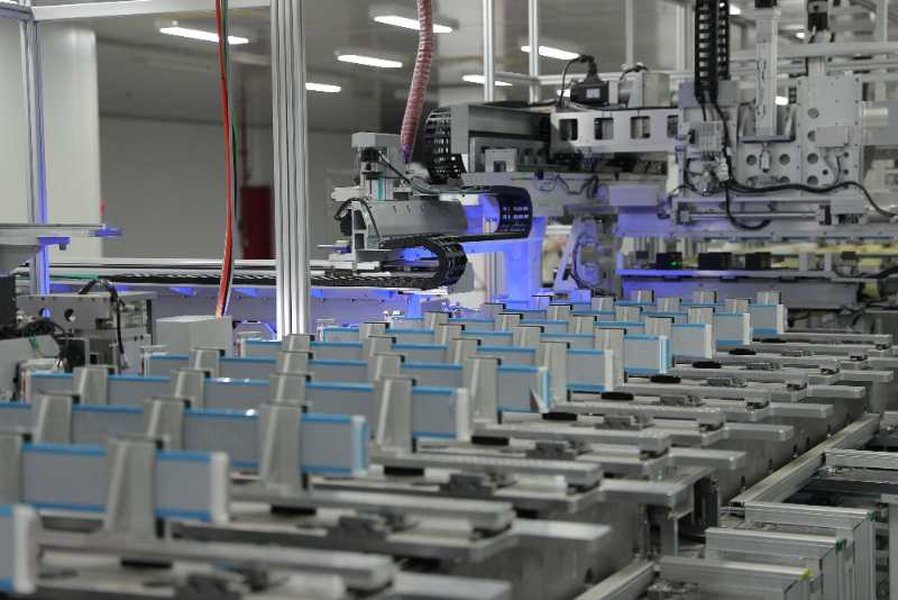
The innovative BYD Blade Battery, a cornerstone of their technological advantage.
Key Attributes of the Blade Battery
- Enhanced Safety: The Blade Battery's unique cell-to-pack design significantly improves structural rigidity and drastically reduces the risk of thermal runaway and fire, addressing a major concern for EV adoption.
- Optimized Space Utilization: Its elongated, "blade-like" cells allow for a more efficient battery pack arrangement, increasing volumetric energy density and providing more usable cabin space in vehicles.
- Extended Lifespan: LFP chemistry inherently offers a longer cycle life compared to other battery chemistries, contributing to the overall durability and longevity of BYD vehicles.
- Cost Efficiency: Utilizing more abundant and less expensive materials, the Blade Battery helps BYD achieve significant cost advantages, often estimated at 20-30% over competitors.
- Sustainability: The absence of cobalt and other controversial minerals in its LFP chemistry makes the Blade Battery a more sustainable choice.
BYD's continuous innovation led to the introduction of Blade Battery 2.0, further enhancing energy density, charging speeds, and overall performance, while maintaining the exceptional safety characteristics that define its predecessor.
DM-i Hybrid Technology Innovation: Bridging the Gap
While many manufacturers focused solely on pure Battery Electric Vehicles (BEVs), BYD also developed its highly successful DM-i (Dual Mode intelligent) hybrid technology. This innovation has proven immensely popular, particularly in markets where charging infrastructure is still developing or for consumers seeking extended range flexibility.
How DM-i Technology Works
The DM-i system is engineered for maximum efficiency and a seamless driving experience. It primarily functions as an electric vehicle, with the gasoline engine acting as a generator. Key components include:
- A highly efficient gasoline engine, primarily used for generating electricity.
- A powerful electric motor for primary propulsion, delivering instant torque and smooth acceleration.
- A specialized transmission that intelligently switches between electric, hybrid, and engine-driven modes, optimizing power delivery and fuel consumption.
This intelligent combination delivers electric vehicle efficiency for daily commutes, coupled with the peace of mind of extended range for longer journeys, effectively addressing "range anxiety" without compromising on fuel economy.
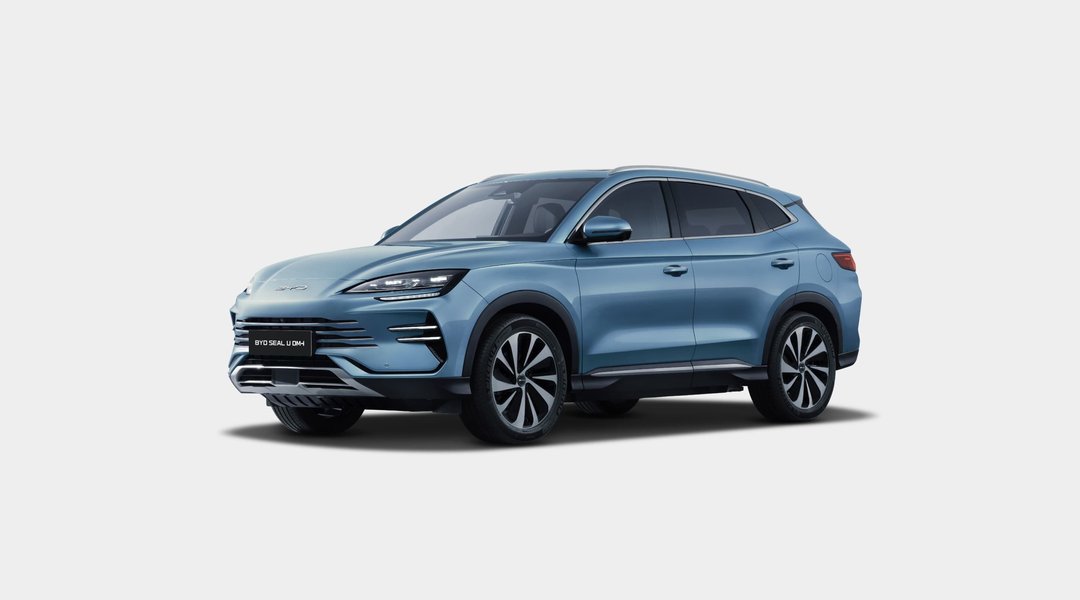
The BYD Seal U DM-i, showcasing the practicality of their advanced hybrid technology.
A Diverse and Innovative Vehicle Lineup
BYD boasts one of the most comprehensive and rapidly expanding vehicle portfolios in the industry. Catering to a wide array of consumer preferences and market segments, its lineup includes everything from compact city cars to luxurious SUVs and high-performance vehicles, alongside a strong presence in commercial electric buses and trucks.
Passenger Vehicle Series
BYD organizes its passenger cars into distinct series, each with unique design philosophies and target audiences:
Dynasty Series: Merging Tradition with Technology
Named after Chinese dynasties, these models blend traditional aesthetic elements with cutting-edge technology. They cater to a broad mass market with a focus on value, practicality, and performance. Examples include:
- BYD Han: A luxurious executive sedan known for its performance and sophisticated design.
- BYD Tang: A popular mid-size SUV, often available with three-row seating, appealing to families.
- BYD Song: A versatile compact SUV, a strong seller in various markets.
- BYD Qin: An affordable compact sedan offering efficient performance.
- BYD Yuan: A subcompact SUV ideal for urban driving.
Ocean Series: Contemporary Design for a Younger Audience
Designed with a more modern and youthful appeal, these models often feature "ocean-themed" names and are built on BYD's advanced e-Platform 3.0. Examples include:
- BYD Dolphin: A compact electric hatchback, known for its fun design and urban agility.
- BYD Seal: A sporty and performance-oriented electric sedan.
- BYD Sealion: A stylish and family-friendly SUV.
- BYD Atto 3: A popular compact SUV, widely recognized internationally.
Premium Brands: Redefining Luxury Electrification
BYD has also ventured into the luxury segment with dedicated premium brands and partnerships:
- Yangwang: An ultra-luxury brand targeting the high-end market with advanced technology and opulent designs, competing with established premium European brands.
- Denza: A premium brand resulting from a joint venture with Mercedes-Benz, focusing on sophisticated design, comfort, and advanced technology.
- Fangchengbao (Leopard): A brand dedicated to professional-grade off-road vehicles, including rugged PHEVs and EVs, utilizing BYD’s specialized DMO platform for adventure.
Global Expansion and Market Dominance: A World Conqueror
BYD's international expansion has accelerated dramatically, transforming the company from a primarily China-focused manufacturer into a truly global automotive force. This rapid growth is fueled by strategic investments, localized production, and a strong commitment to diverse regional markets.
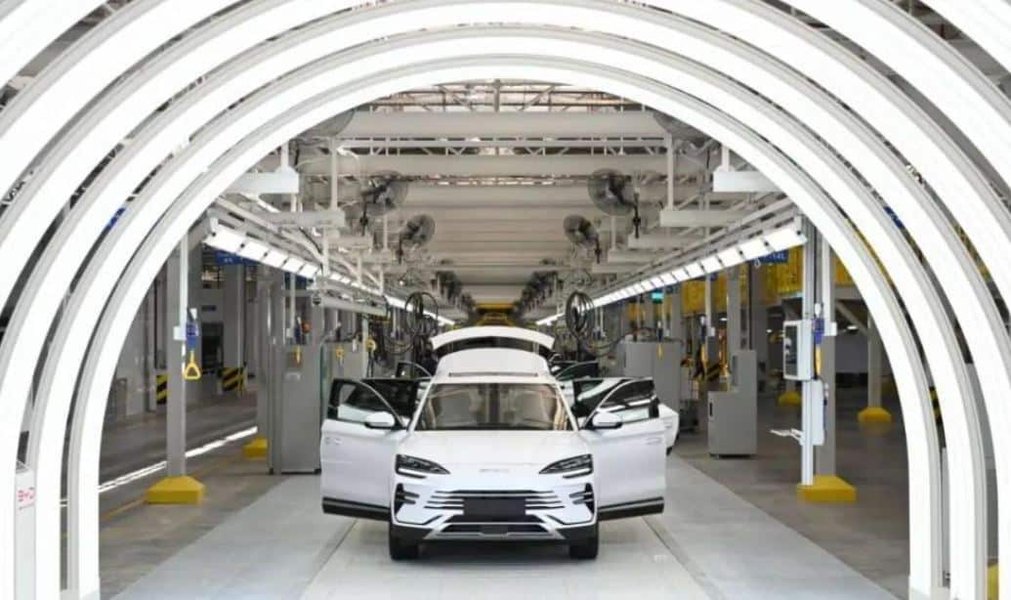
BYD's commitment to global manufacturing is evident with new facilities like this one in Uzbekistan.
Overseas Sales and Production Footprint
BYD's global ambitions are underscored by aggressive targets and a rapidly expanding manufacturing presence:
- Ambitious 2026 Overseas Sales Target: BYD has raised its 2026 overseas sales target to an impressive 1.5 million units, a significant increase from previous guidance.
- Global Sales Distribution: Regions such as Europe, North America, and ASEAN are each targeted to contribute roughly one-third of BYD's exports, demonstrating a balanced international strategy.
- European Manufacturing Hubs: A key plant in Hungary is scheduled to open in October 2025, and a facility in Türkiye began production in March 2026. These regional hubs are crucial for mitigating potential tariffs and improving supply chain efficiency in Europe.
- Expansion in Asia: BYD has established assembly operations and partnerships in countries like Thailand, Malaysia, Pakistan, and Uzbekistan, catering to growing demand in Southeast Asia and other emerging markets.
- Canadian Market Entry: BYD has confirmed its entry into the Canadian market in 2026, bringing a new lineup of EVs to North America.
Market Share Achievements and Growth Trajectory
BYD's sales performance reflects its aggressive expansion and product appeal:
- Global EV Leadership in 2025: BYD concluded 2025 as the world's largest EV manufacturer by sales volume, surpassing Tesla with 2.25 million electric vehicles sold globally (a 28% increase).
- Q1 2026 Performance: While Tesla briefly reclaimed the top spot in pure EV sales in Q1 2026, BYD's overall NEV (BEV + PHEV) sales remained strong, with a significant rebound in May 2026 driven by international demand.
- European Market Presence: In Q1 2026, BYD's market share in Europe grew to 1.2%, surpassing Tesla's 0.8% and positioning it as a top-selling EV brand in several European countries.
- UK Market Leadership: From January to April 2026, BYD led the UK EV market with over 7% share, outselling major competitors like Tesla, Kia, BMW, and Volkswagen.
- May 2026 Sales Rebound: BYD's global wholesale sales volumes reached 383,453 NEVs in May 2026, ending an eight-month sales decline and demonstrating the increasing importance of its overseas markets.
"BYD wants to become the world's largest automaker within five years." - Wang Chuanfu, BYD CEO
Outpacing Tesla: A Tale of Two Strategies
The narrative of BYD versus Tesla has become central to understanding the global EV market. While Tesla has excelled in premium pure electric vehicles, BYD has adopted a distinct strategy that has allowed it to surpass Tesla in overall electrified vehicle sales and capture a broader market segment.
Key Differentiators in the BYD vs. Tesla Rivalry
- Product Breadth: BYD offers a much wider range of vehicles, including both BEVs and a robust line of DM-i PHEVs, appealing to diverse consumer needs and addressing varying stages of charging infrastructure development globally. Tesla primarily focuses on BEVs.
- Vertical Integration: BYD's deep vertical integration, especially in battery production (Blade Battery), gives it significant cost advantages and greater control over its supply chain, reducing reliance on external suppliers. Tesla, while integrated, does not produce its own battery cells to the same extent.
- Price Competitiveness: Leveraging its in-house component production and efficient manufacturing processes, BYD vehicles are often priced 20-30% below comparable models from competitors, making EVs more accessible to a wider demographic.
- Market Adaptability: BYD demonstrates strong adaptability by tailoring products and strategies to regional preferences, including offering PHEVs in markets with less developed EV infrastructure or higher tariffs on pure EVs.
- Strategic Focus: While Tesla is increasingly pivoting towards artificial intelligence, robotics, and autonomous robotaxis, BYD remains intensely focused on expanding its market share in electrified vehicles globally.
Despite Tesla's strong performance in premium pure EV segments, BYD's comprehensive approach to electrification and its relentless pursuit of market share position it for sustained long-term growth and dominance across various automotive categories.
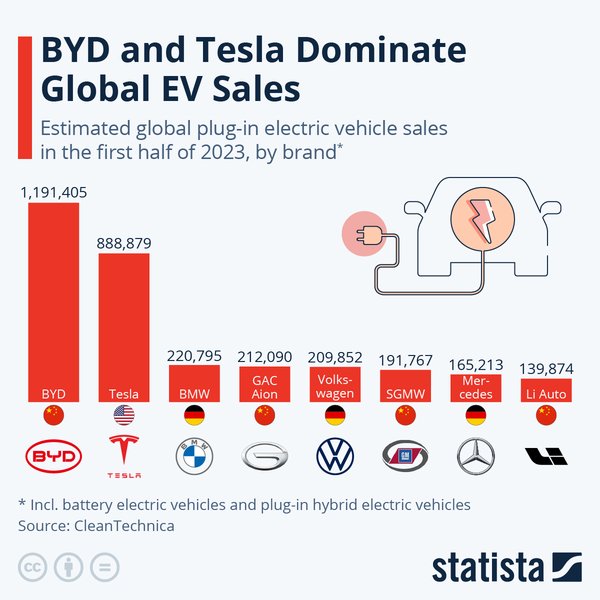
A visual representation of BYD's growing market share alongside other key players.
Future Plans and Strategic Trajectories
BYD's ambition extends far beyond its current achievements. The company has laid out aggressive plans for continued innovation, global expansion, and market leadership, aiming to solidify its position as a transformative force in the automotive industry.
Production and Expansion Targets
- Becoming the World's Largest Automaker: BYD aims to surpass all other automakers (including those producing ICE vehicles) in total sales volume within the next five years.
- Increased Annual Production Capacity: Plans include expanding annual production capacity to over 6 million vehicles to meet surging global demand.
- Global Manufacturing Presence: BYD is committed to establishing manufacturing facilities in all major global markets to enhance localized production, streamline logistics, and mitigate geopolitical risks.
Technological Advancements and R&D
- Next-Generation Battery Technology: Continued investment in research and development will focus on further improving energy density, charging speeds, and cost-effectiveness of future battery technologies, building upon the success of Blade Battery 2.0.
- Autonomous Driving Systems: Development of advanced driver-assistance systems (ADAS) and autonomous driving capabilities, potentially leveraging platforms like their "God's Eye" system with lidar and Nvidia Orin chips.
- Vehicle-to-Grid (V2G) Integration: Exploring and implementing capabilities for vehicles to interact with the power grid, enhancing energy sustainability and efficiency.
- Advanced Powertrain Components: Continuous refinement of electric motors, power electronics, and integrated e-Platform architectures for optimal performance and efficiency.
Strategic Partnerships and Market Adaptation
- Localized Product Offerings: Adapting vehicle models and powertrains to suit specific regional tastes, regulations, and infrastructure conditions, as seen with the increasing emphasis on PHEVs in Europe.
- Strengthening Distribution Networks: Expanding dealership networks and service centers globally to provide comprehensive support for a growing customer base.
- Collaborations: Continuing joint ventures like Denza with Mercedes-Benz and forming new alliances for technology development and market penetration.
Considering a BYD Vehicle: What Buyers Need to Know
For prospective buyers, understanding BYD's offerings and the nuances of EV ownership is essential. BYD's value proposition often combines competitive pricing with advanced technology and a focus on practicality.
Key Considerations for Potential BYD Owners
- Charging Infrastructure: Evaluate the compatibility of BYD vehicles with local charging networks (e.g., CCS, Type 2, GB/T) and the availability of fast-charging stations in your region.
- Service and Support: Research the local dealer network, availability of certified service centers, and access to genuine parts to ensure reliable ownership experience.
- Model Availability: Not all BYD models and trim levels are available in every market. Verify the specific configurations offered in your region.
- Import Duties and Incentives: Be aware of potential import tariffs (e.g., EU tariffs on Chinese EVs) and local government incentives for purchasing EVs, which can significantly impact the final price.
- Resale Value: While BYD's brand recognition is rapidly growing, resale values can vary by market and may be an important factor for some buyers.
- Software and Connectivity: Understand the infotainment system, connectivity features, and the availability of Over-The-Air (OTA) updates in your region.
Conclusion: BYD's Enduring Impact on Global Mobility
BYD Auto's ascent represents more than just a corporate success story; it signifies a fundamental shift in the global automotive industry. Their integrated approach to electrification—controlling every critical component from batteries and electric motors to advanced software—provides a distinct advantage that many traditional automakers are striving to replicate.
Combined with aggressive pricing strategies, a diverse product portfolio, and a relentless commitment to global expansion, BYD has firmly established itself as a defining automotive brand of the 2020s and beyond. As BYD Executive VP Stella Li confidently stated, "We expect China's electric vehicle market to grow further, with close to 80% in EV penetration." This vision, coupled with BYD's strategic execution, ensures its continued influence on how the world builds and drives vehicles for decades to come.
Recommended Further Exploration
- The BYD Dolphin: Surfing the Electric Wave to Global Dominance
- BYD Seal: The Chinese Electric Sedan Challenging Global Norms
- Xiaomi SU7 Ultra 2026: The Electric Super-Sedan Reshaping Performance Expectations
