

Recovering the Lost Resale Value of Your Vehicle – A Step-by-Step US Guide
Even after thorough repairs, a vehicle involved in an accident often suffers a significant, permanent reduction in its market value, known as diminished value. This guide offers a comprehensive, step-by-step process for car and EV owners in the US to file a successful diminished value claim against an at-fault driver's insurance company, such as Geico, Progressive, State Farm, Allstate, or Farmers, ensuring you recover the lost resale value of your vehicle.
Key Insights into Diminished Value Claims
- Diminished value is the loss of resale value even after perfect repairs, due to a vehicle's accident history.
- Professional appraisals are crucial for substantiating your claim, especially for Electric Vehicles (EVs) which can experience higher diminished value.
- Most US states allow third-party claims against the at-fault driver's insurer, but state laws vary significantly.

Understanding how accident history impacts a vehicle's market worth.
What Exactly is Diminished Value After an Accident?
Diminished value refers to the difference between your vehicle's market value before an accident and its market value after it has been damaged and subsequently repaired. Even if repairs restore the vehicle to seemingly pre-accident condition, the mere fact that it has an accident history, which is often discoverable through vehicle history reports like Carfax, causes a reduction in its desirability and, consequently, its market worth. This financial loss is recognized in most US states as a legitimate claim, as buyers are typically unwilling to pay the same price for a vehicle with a reported accident as they would for one with a clean history.
The Three Faces of Diminished Value
Understanding the different types of diminished value can help you articulate the specifics of your claim:
- Inherent Diminished Value: This is the most common form, occurring simply because the vehicle has an accident history, even if repairs are flawless. The stigma of being in an accident, which appears on vehicle history reports, reduces its market appeal and resale value.
- Repair-Related Diminished Value: This type arises when repairs are conducted poorly, leading to visible defects, functional issues, or the use of non-OEM (Original Equipment Manufacturer) parts. These imperfections further reduce the vehicle's market value beyond the inherent loss.
- Immediate Diminished Value: This refers to the instant loss of value a vehicle experiences right after an accident, before any repairs have been made. While less commonly claimed directly, it highlights the immediate depreciation incurred.
Navigating the Diminished Value Claim Process: Your Step-by-Step Guide for 2026
Filing a diminished value claim is primarily a third-party claim, meaning you seek compensation from the at-fault driver's insurance company. Here’s a detailed guide to help you through the process:
Step 1: Meticulously Document the Accident and Initial Damage
The foundation of a strong claim begins immediately after the accident. Gather as much evidence as possible:
- Obtain the Police Report: This official document provides crucial details about the accident, including the identification of the at-fault driver.
- Collect Driver Information: Secure the at-fault driver's insurance details, contact information, and any witness statements.
- Capture Visual Evidence: Take extensive photographs and videos of the accident scene, all damages to your vehicle from various angles, and any relevant road conditions. This visual record will be invaluable.
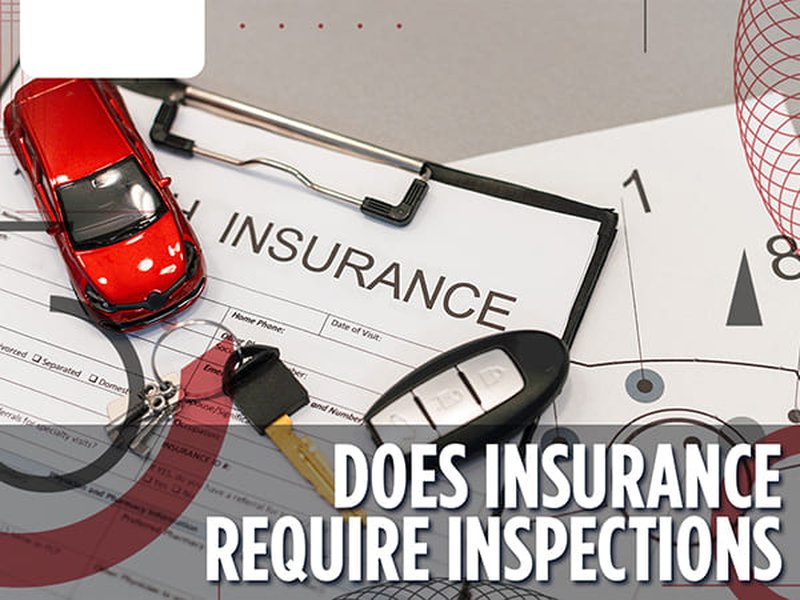
Thorough documentation of accident damage is critical for your claim.
Step 2: Ensure Proper and Timely Vehicle Repairs
Proceed with repairing your vehicle at a reputable auto body shop. Opt for facilities that use OEM parts whenever possible to ensure high-quality repairs. Keep all repair invoices, receipts, and documentation, as these will be essential for demonstrating the scope and quality of the repairs performed. Quality repairs strengthen your diminished value claim by reducing arguments about repair-related diminished value.
Step 3: Establish Your Vehicle's Pre-Accident Value
To quantify your loss, you must accurately determine your vehicle's market worth just before the collision. Utilize widely recognized US valuation resources:
- Kelley Blue Book (KBB): A trusted source for vehicle valuations, often used by consumers and insurers alike.
- NADA Guides (now J.D. Power Valuation Services): Another respected tool for estimating market values.
- Dealership Appraisals: Obtain appraisals from local dealerships for comparable vehicles in excellent, pre-accident condition.
- Vehicle History Reports (Carfax/AutoCheck): Acquire a pre-accident Carfax or AutoCheck report to confirm your vehicle's clean history. A clean report significantly strengthens your argument for inherent diminished value.
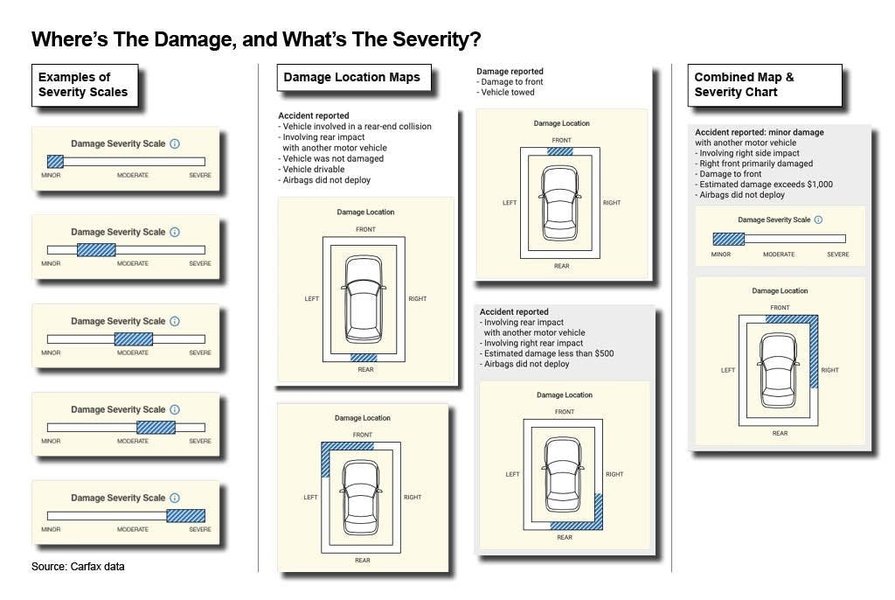
Vehicle history reports like Carfax are vital in establishing pre-accident condition.
Step 4: Obtain a Professional Diminished Value Appraisal
This is arguably the most crucial step for a successful claim. Hire a certified, independent diminished value appraiser who can accurately assess the financial loss your vehicle incurred due to the accident history. These appraisers use market data, industry standards, and specific formulas to provide an unbiased valuation. Their report serves as authoritative evidence to counter potential lowball offers from insurance adjusters from companies like State Farm or Geico.
Important Note for EV Owners: Electric Vehicles (EVs) such as the Tesla Model Y, Ford Mustang Mach-E, Rivian R1T, Hyundai Ioniq, Chevrolet Bolt, and Lucid Air often experience uniquely high diminished value after an accident. This is due to concerns about battery integrity, the complexity and cost of repairing advanced electronic systems, and buyer perception of compromised safety or performance post-repair. Ensure your appraiser has specific expertise in EV diminished value claims, as their losses can range from 10% to 40% of their pre-accident value, depending on factors like damage severity and repair quality.

Electric vehicles can experience faster depreciation and higher diminished value.
Step 5: Prepare a Comprehensive Diminished Value Demand Package
Compile all your supporting documents into a clear and concise demand package. This package should typically include:
- The official police report of the accident.
- All repair invoices, receipts, and documentation from the auto body shop.
- Before-and-after photographs of the vehicle.
- Pre-accident valuation reports (e.g., KBB, NADA, dealership appraisals).
- The independent diminished value appraisal report.
- A formal demand letter explicitly stating the diminished value amount you are claiming, supported by all attached evidence.
Step 6: Submit Your Claim to the At-Fault Driver's Insurance Company
Contact the at-fault driver's insurer (e.g., Allstate, Farmers) to formally submit your diminished value claim. They will assign an insurance adjuster to review your documentation and negotiate a settlement. Be prepared for them to make an initial low offer or challenge aspects of your claim.
Step 7: Negotiate for a Fair Payout
Insurance companies are often motivated to minimize payouts. Be firm, professional, and persistent in your negotiations. Here are key strategies:
- Lean on Your Appraisal: Your independent appraisal is your strongest asset. Refer to its data and factual conclusions consistently.
- Challenge Insurer Formulas: Be aware that some insurers may use internal formulas, such as the "17c formula" (which originated from a Georgia case), which often caps recovery at 10% of the vehicle's pre-accident value. Counter these simplified calculations with your detailed appraisal.
- Highlight Market Realities: Emphasize that despite perfect repairs, the accident history will reduce the car's appeal and price on the open market, impacting its resale value loss.
- Escalate if Necessary: If negotiations stall or you receive unreasonable offers, consider asking to speak with a supervisor or exploring mediation.
- Be Cautious with Releases: Do not sign any "Full and Final Release" documents until you are fully satisfied with the settlement amount.
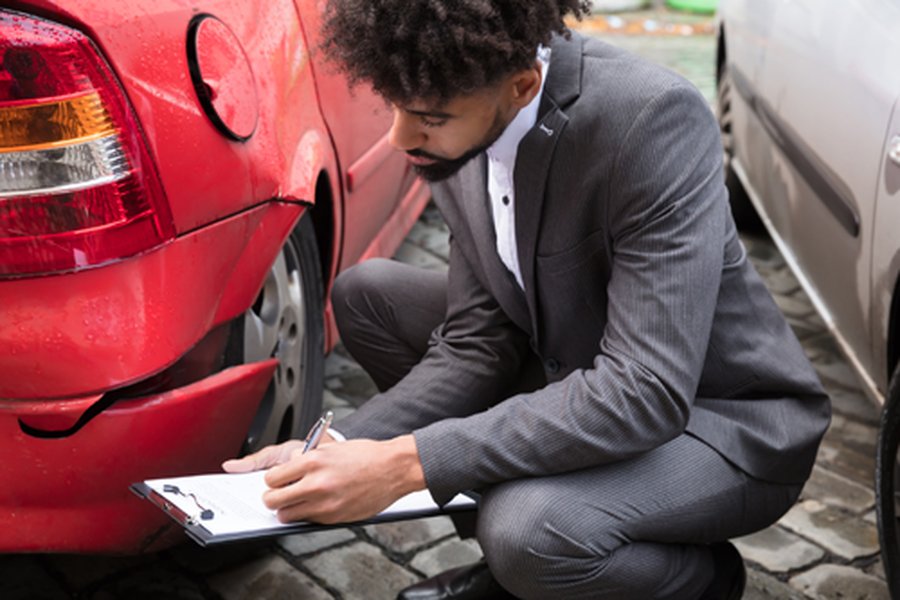
Negotiating with an insurance adjuster requires preparation and persistence.
How Much is Diminished Value Worth? Factors Influencing Compensation
The amount of diminished value compensation you can receive varies greatly depending on several factors. While a professional appraisal provides the most accurate figure, understanding these influences can help manage expectations:
- Severity of Damage: More extensive and structural damage typically leads to higher diminished value.
- Pre-Accident Value: Higher-value vehicles, especially newer luxury cars and EVs, experience greater absolute dollar losses.
- Vehicle Age and Mileage: Newer vehicles with lower mileage generally have higher diminished value percentages.
- Quality of Repairs: Poor repairs can compound inherent diminished value by introducing additional repair-related issues.
- Market Demand: Unique or highly sought-after vehicles may have different diminished value trajectories.
For most vehicles, diminished value can range from 10% to 30% of the pre-accident value. As mentioned, EVs often fall on the higher end due to specialized components and buyer concerns.
State-by-State Diminished Value Laws in the US
The ability to recover diminished value varies across the United States. Almost all states permit claimants to seek diminished value through a third-party claim against the at-fault driver's insurance. However, specific nuances and limitations exist:
- States with Strong Recognition: States like Georgia, California, and Texas generally have favorable laws for diminished value claims. Georgia, notably, allows for first-party claims under certain conditions, in addition to third-party claims, and follows an "open market rule" for valuation.
- States with Limitations or Exceptions: Florida courts have, at times, indicated that a "first-rate repair" returning a vehicle to pre-accident performance and appearance might not necessitate diminished value compensation. New York allows third-party claims but typically restricts first-party claims against one's own insurer. Nebraska is often cited as an exception where established precedent makes it particularly difficult to claim diminished value.
- Statute of Limitations: Every state has a statute of limitations for property damage claims, typically ranging from two to six years from the accident date. It is always best to file your claim as soon as possible.
Always verify the most current laws and regulations in your specific state or consult a legal professional, as the legal landscape can evolve.
Documenting Your Vehicle's Pre-Accident Value for Maximum Recovery
Beyond the professional appraisal, a robust collection of personal documentation can significantly strengthen your claim:
- Maintenance Records: Comprehensive service history demonstrates that your vehicle was well-maintained prior to the accident.
- Pre-Accident Photographs: Any photos of your vehicle taken before the incident can serve as visual proof of its excellent condition.
- Comparable Vehicle Listings: Research and compile listings of similar vehicles (same make, model, year, trim, mileage) in your local market that have no accident history. This helps establish the market value of an undamaged equivalent.
When to Enlist Professional Help: Appraisers and Attorneys
While handling a diminished value claim independently is possible, professional assistance can be invaluable, especially for complex cases or when facing resistance from insurers.
- Diminished Value Appraiser: An appraiser is essential for providing the objective, data-driven report needed to quantify your loss. Their expertise is particularly valuable for high-value vehicles or specialized Electric Vehicles.
- Diminished Value Attorney: Consider hiring an attorney if:
- The insurance company outright denies your claim or offers an unreasonably low settlement.
- The at-fault driver is uninsured, and you need to explore your own uninsured motorist property damage coverage.
- Your state's laws are particularly complex, or the claim amount is substantial.
- You feel overwhelmed by the negotiation process or simply lack the time to pursue the claim effectively.
Frequently Asked Questions About Diminished Value Claims
Conclusion: Reclaiming Your Vehicle's True Worth
Understanding and pursuing a diminished value claim is a critical step for any car or EV owner whose vehicle has been damaged in an accident not of their fault. While the process can seem daunting, by meticulously documenting the damage, ensuring quality repairs, obtaining a professional appraisal, and diligently negotiating with the at-fault insurer, you can successfully recover the financial loss incurred. Don't let an accident diminish your vehicle's value without seeking the compensation you deserve to be made whole.
