

Highlights: A Glimpse into the Core Differences
- Driving Dynamics: The BMW X3 traditionally offers a sportier, more engaging drive, while the Audi Q5 prioritizes a refined and comfortable ride, especially on longer journeys.
- Interior Philosophy: The 2026 Audi Q5 embraces a highly digitized and screen-centric cockpit, including an available passenger display, whereas the BMW X3 maintains a blend of digital and tactile controls with a strong driver focus.
- Efficiency Edge: The BMW X3 often boasts superior fuel economy, particularly due to its integrated mild-hybrid systems, though the Audi Q5 offers compelling plug-in hybrid options for enhanced electric range.
Overview: Two Pillars of Premium Compact Luxury
The 2026 Audi Q5 emerges with a fresh redesign, showcasing a sleek exterior characterized by modern lines and innovative lighting. Audi's focus remains on delivering a serene and composed driving experience, with a cabin that cocoons occupants in quiet luxury. Starting at approximately $52,000 USD, the Q5 is positioned as a blend of sophisticated elegance and cutting-edge technology.
The 2026 BMW X3, also refreshed, continues to uphold its reputation for dynamic performance and driver engagement. Its design is often described as bolder and more assertive, emphasizing its athletic prowess. With a starting price point around $50,000 USD, the X3 appeals to those who seek a thrilling drive without compromising on practicality or upscale features.
Both models target buyers who demand premium quality for daily commutes and adventurous weekend escapes. While they share a segment, their approaches to achieving luxury and performance offer distinct experiences. This comparison will meticulously examine these differences across key categories.
Exterior Design and Dimensions: A Matter of Presence
Both the Q5 and X3 present visually appealing designs, yet they convey different stylistic messages. The 2026 Audi Q5 maintains its signature elegance, evolving with a refined grille and updated lighting elements, including a distinctive rear light bar in some configurations that adds a touch of modern flair. Its overall stance is one of understated sophistication.
The 2026 BMW X3, conversely, adopts a more aggressive and angular design language. Its prominent kidney grille and sharp lines give it a commanding road presence. While design is subjective, the X3's aesthetic often leans towards a more overtly sporty and robust look.

The sleek and refined profile of the 2026 Audi Q5.
Size and Practicality
In terms of physical dimensions, both SUVs are closely matched. The Audi Q5 measures approximately 186 inches in length, while the BMW X3 is marginally longer at about 187 inches. The X3's wider stance contributes to its planted feel on the road. Wheel options for both typically range from 18 to 21 inches, allowing for personalization and enhancing their aesthetic appeal.
Cargo capacity often distinguishes practical differences. The BMW X3 generally offers a more generous cargo volume, with about 31.5 cubic feet behind the rear seats, expanding significantly when folded down to around 67.1 cubic feet. The Audi Q5 provides a respectable 27.6 cubic feet of cargo space with the seats up, extending to approximately 54 cubic feet when folded. This makes the X3 a stronger contender for those frequently hauling larger items.
Powertrain and Performance: Driving Philosophies Unveiled
Under the hood, both German rivals offer compelling powertrains that deliver ample power and sophisticated engineering. The core difference lies in their approach to the driving experience: Audi leans into refinement and smooth power delivery, while BMW emphasizes sportiness and dynamic handling.

The driver-focused interior of the 2026 BMW X3.
Engine Lineup and Acceleration
The base 2026 Audi Q5 is powered by a 2.0-liter turbocharged four-cylinder engine, producing an estimated 268 horsepower and 295 lb-ft of torque. This unit is typically paired with a seven-speed dual-clutch automatic transmission and Audi's renowned quattro all-wheel-drive system. It enables the Q5 to achieve a 0-60 mph sprint in approximately 5.8 seconds, offering brisk acceleration for daily driving.
The base 2026 BMW X3, often designated as the xDrive30i, features a 2.0-liter turbocharged four-cylinder engine generating around 255 horsepower. This engine is frequently augmented by a 48-volt mild-hybrid system, enhancing efficiency and throttle response. Coupled with an eight-speed automatic transmission and xDrive all-wheel drive, the X3 30 xDrive reaches 60 mph from a standstill in about 6.0 seconds. For those seeking more power, the BMW X3 M50 offers a potent 3.0-liter turbocharged inline-six engine, expected to deliver around 393 horsepower, propelling it from 0-60 mph in a thrilling 4.4 seconds.
Handling and Ride Quality
The BMW X3 is widely celebrated for its athletic handling and precise steering. Its chassis is tuned to deliver an engaging driving experience, making it feel nimble and responsive on winding roads. Drivers who enjoy a more connected feel to the asphalt will likely appreciate the X3's dynamic capabilities.
The Audi Q5, while capable, prioritizes ride comfort and refinement. Its suspension is designed to absorb road imperfections, providing a smoother and quieter journey. This makes the Q5 an excellent choice for long-distance highway cruising and for those who value a more serene cabin environment.
"The BMW is sportier and a better drive, but the Q5 is more comfortable and smoother. He drives the BMW; I drive the Audi, and we both enjoy both." – Insight from a user discussing both vehicles.
Fuel Economy and Efficiency: Miles per Gallon Matters
For many luxury SUV buyers, fuel efficiency is an increasingly important factor. In this area, the BMW X3 generally holds an advantage, largely due to its integration of mild-hybrid technology across many of its powertrains.
MPG Figures and Hybrid Options
The 2026 BMW X3 is expected to achieve impressive fuel economy figures, often estimated around 27 MPG in the city and 33 MPG on the highway, resulting in a combined rating of approximately 29 MPG. This efficiency is bolstered by its 48-volt mild-hybrid system, which aids in smoother engine start/stop functions and provides a small power boost, ultimately reducing fuel consumption.
The 2026 Audi Q5, while still competitive, typically trails the X3 in gasoline-only efficiency. Its estimated fuel economy stands at around 22 MPG city and 30 MPG highway, with a combined rating of about 25 MPG. However, Audi offers a compelling alternative in the form of a plug-in hybrid (PHEV) variant. This Q5 PHEV combines a 2.0-liter TFSI engine with an electric motor and a 21 kWh battery, delivering approximately 295 horsepower and a significant electric-only driving range, making it ideal for urban commutes with minimal fuel consumption.
Interior and Technology: A Digital Oasis vs. Driver-Centric Command
Stepping inside the 2026 Audi Q5 and BMW X3 reveals distinct philosophies in luxury and technology integration. Both offer premium materials and advanced features, but their execution caters to different tastes.
Cabin Ambiance and Materials
The Audi Q5's interior has been significantly modernized, moving towards a highly digitized cockpit. It features extensive soft-touch materials, ambient lighting, and often a more minimalist design approach, creating an environment of sophisticated calm. The focus is on large, crisp digital displays, including an available passenger-side screen in higher trims, and a redesigned center console that emphasizes touch-sensitive controls. While visually striking, some drivers may find the reliance on touchscreens for functions like climate control less tactile.
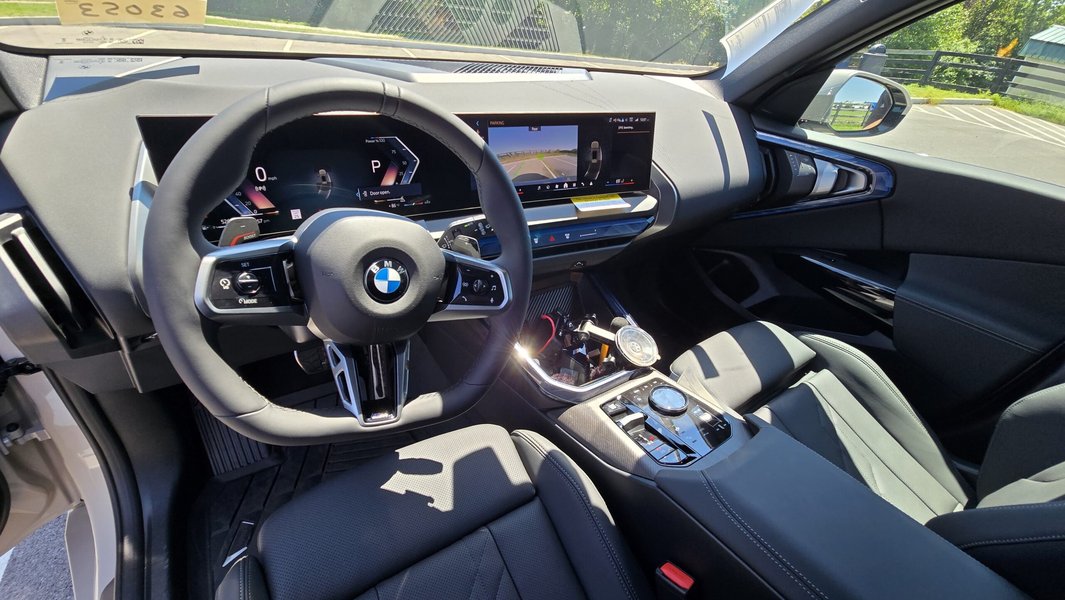
A glimpse into the updated interior of the 2026 BMW X3.
The BMW X3, conversely, maintains a more driver-centric approach. While also featuring large digital displays, BMW's iDrive system (expected to be iDrive 9 for 2026) still incorporates a versatile rotary controller alongside touchscreen functionality and natural voice commands. This blend offers a more intuitive experience for some, reducing the need to take eyes off the road. The X3's interior is characterized by clean lines, understated elegance, and often sportier accents.
"Audi often has an edge in audio quality, with higher-wattage, more-speaker systems like the Bang and Olufsen setup in the Q5 compared to the Harmon Kardon in the X3." – CarConfections
Infotainment and Connectivity
Audi's MMI infotainment system in the 2026 Q5 is expected to feature a large central touchscreen, possibly around 14.5 inches, alongside an 11.9-inch digital instrument cluster (Virtual Cockpit). It offers fast responses, extensive connectivity, and seamless integration of wireless Apple CarPlay and Android Auto. Optional features like Matrix LED headlights and augmented reality navigation further enhance the high-tech feel.
The 2026 BMW X3's iDrive system is powered by BMW Operating System 9, presented on a curved display that integrates a 12.3-inch instrument cluster and a 14.9-inch central touchscreen. This system is praised for its flexibility, allowing control via touch, the iDrive rotary knob, or advanced voice commands. Features like over-the-air updates ensure the system remains current, and an optional head-up display projects critical information onto the windshield.
Key Interior and Tech Features
- Standard Connectivity: Both offer wireless Apple CarPlay, Android Auto, and wireless charging.
- Audio Systems: Audi often provides high-end Bang & Olufsen systems, while BMW features Harman Kardon, both delivering exceptional sound.
- Ambient Lighting: Available in both, allowing customization of the cabin's mood.
- Quietness: The Audi Q5 generally exhibits a quieter cabin, measuring around 53.0 dB at 55 mph compared to the BMW X3's 56.4 dB, contributing to a more relaxed ride.
Safety and Driver-Assistance Systems: Prioritizing Protection
Safety is a paramount concern in the luxury SUV segment, and both the 2026 Audi Q5 and BMW X3 are engineered with comprehensive suites of advanced driver-assistance systems (ADAS) and robust passive safety features. Both are expected to achieve high safety ratings from organizations like the IIHS and NHTSA.
Standard and Optional Safety Tech
The Audi Q5 typically includes standard features such as automated emergency braking, forward collision warning, lane departure warning, and blind-spot monitoring. Audi's pre-sense system actively prepares the vehicle for potential collisions by tightening seatbelts and closing windows. Optional features may include adaptive cruise control with traffic jam assist, pedestrian detection, and traffic sign recognition.
The BMW X3 also comes with a strong foundation of safety features, including forward collision warning, automatic emergency braking, and lane-keeping assist. BMW's Driving Assistance Professional package adds advanced capabilities like evasive steering assist and highway assistant for semi-autonomous driving on compatible roads. A surround-view camera system with 3D view is often available, aiding in parking and low-speed maneuvers.
Pricing and Value Proposition: Investment in Luxury
The premium compact SUV segment naturally commands higher price points, and both the 2026 Audi Q5 and BMW X3 reflect their advanced engineering and luxurious appointments. However, there can be differences in their starting MSRPs and what's included as standard equipment.
Starting Prices and Standard Features
Historically, the Audi Q5 tends to offer a slightly more accessible entry point. A 2026 Audi Q5 might start in the mid-$40,000 range in the U.S., with some reports suggesting an approximate MSRP of $46,695. Audi often includes a comprehensive set of standard features even in its base trims, such as leather upholstery, heated front seats, and the MMI infotainment system, contributing to a strong value proposition right out of the gate.
The 2026 BMW X3 typically starts at a slightly higher price point, potentially in the low to mid-$50,000 range, with an estimated starting MSRP of around $52,250. While the X3 also offers a wealth of features, some premium amenities might be bundled into optional packages that can quickly increase the overall cost. However, BMW often justifies this with its stronger emphasis on driving dynamics and potentially better long-term resale value.
Estimated Pricing and Value Factors
- Audi Q5: Strong standard feature set, potentially lower initial cost, excellent interior material quality.
- BMW X3: Higher resale value, superior fuel economy (non-PHEV), and a more engaging driving experience that many find worth the premium.
Who Should Buy What? Tailoring the Choice to Your Lifestyle
Deciding between the 2026 Audi Q5 and the 2026 BMW X3 ultimately hinges on your personal priorities and driving style. Both are exceptional vehicles, but they cater to slightly different preferences within the luxury compact SUV segment.
Choose the 2026 Audi Q5 If You Value:
- Refined Comfort: A smoother, quieter ride, perfect for daily commutes and long highway journeys.
- Sophisticated Interior: A highly digitized, modern cabin with premium materials and a focus on ambient luxury.
- Standard Features: A generous array of upscale features included even in base models, potentially offering strong value.
- PHEV Option: Access to an efficient plug-in hybrid variant for electric-only commuting.
Opt for the 2026 BMW X3 If You Seek:
- Engaging Driving Dynamics: A sportier, more agile feel with precise steering and a connected road experience.
- Superior Fuel Economy: Better MPG figures in its gasoline-only variants, especially with mild-hybrid assistance.
- Larger Cargo Space: More generous cargo capacity for families or those who frequently transport larger items.
- Strong Performance Variants: Potent M50 model for exhilarating acceleration and enhanced performance.
"The X3 might appeal more to enthusiasts, while the Q5 caters to those seeking a more luxurious and comfortable ride." – Car and Driver
Both SUVs are designed to attract high-income buyers who appreciate meticulous craftsmanship, advanced technology, and a prestigious badge. Your ideal choice will provide not just transportation, but an extension of your personal style and needs.
Frequently Asked Questions (FAQs)
Conclusion: Your Ideal Driving Companion Awaits
The 2026 Audi Q5 and BMW X3 are exceptional contenders in the premium compact SUV segment, each bringing a compelling set of attributes to the table. The Q5 appeals to those who seek a sophisticated, comfortable, and technologically immersive driving experience, wrapped in an elegant design. Its plush ride, quiet cabin, and advanced digital interfaces create a serene and modern environment.
Conversely, the X3 will captivate buyers who prioritize dynamic driving engagement, superior fuel efficiency, and a practical edge in cargo capacity. Its athletic handling, driver-focused cockpit, and robust engine options make it a thrilling companion for those who enjoy a more spirited connection to the road. Ultimately, the best choice is the one that resonates most with your personal driving preferences, lifestyle demands, and aesthetic sensibilities. A comprehensive test drive of both vehicles is the most effective way to determine which German marvel will grace your garage.
